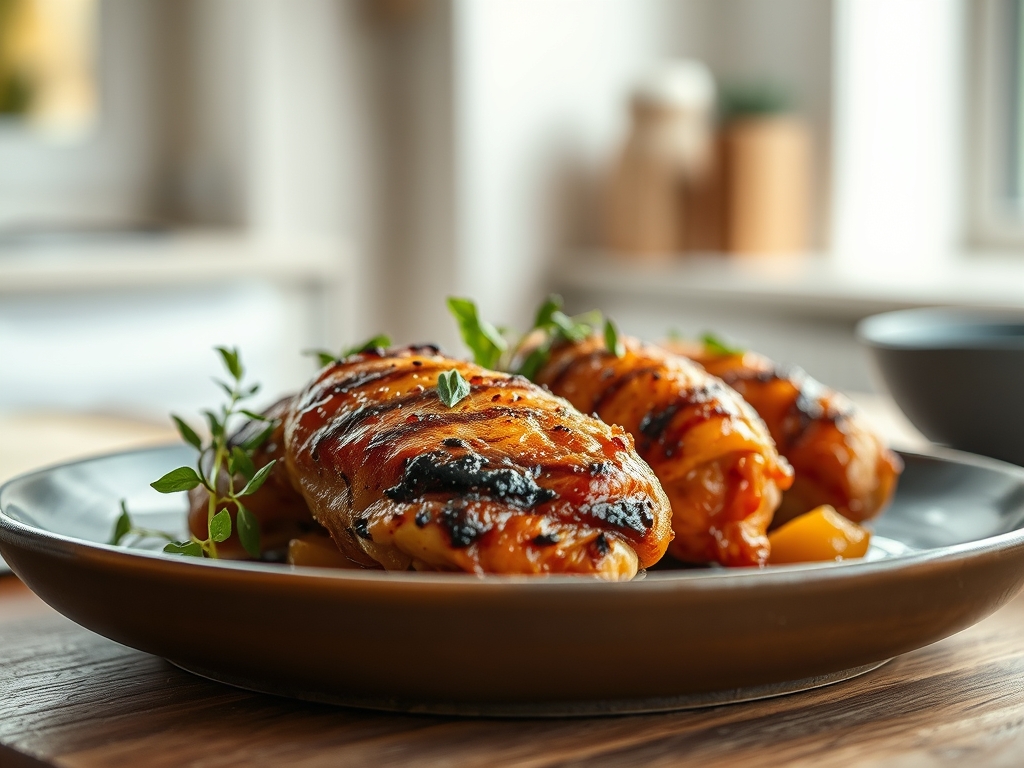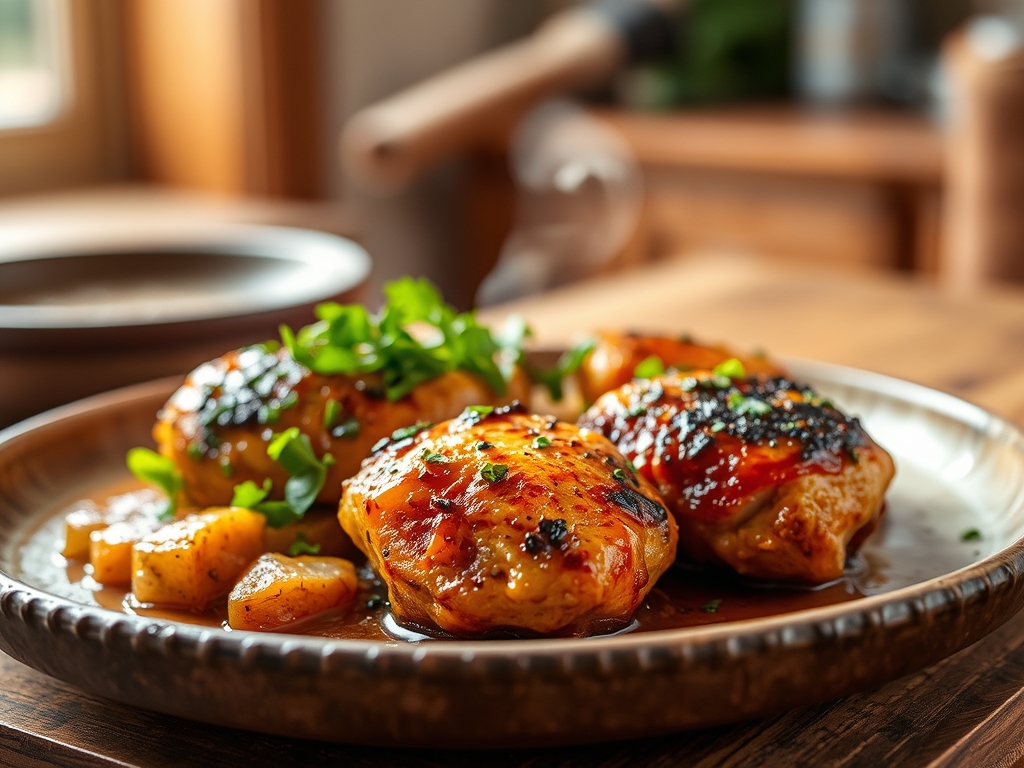
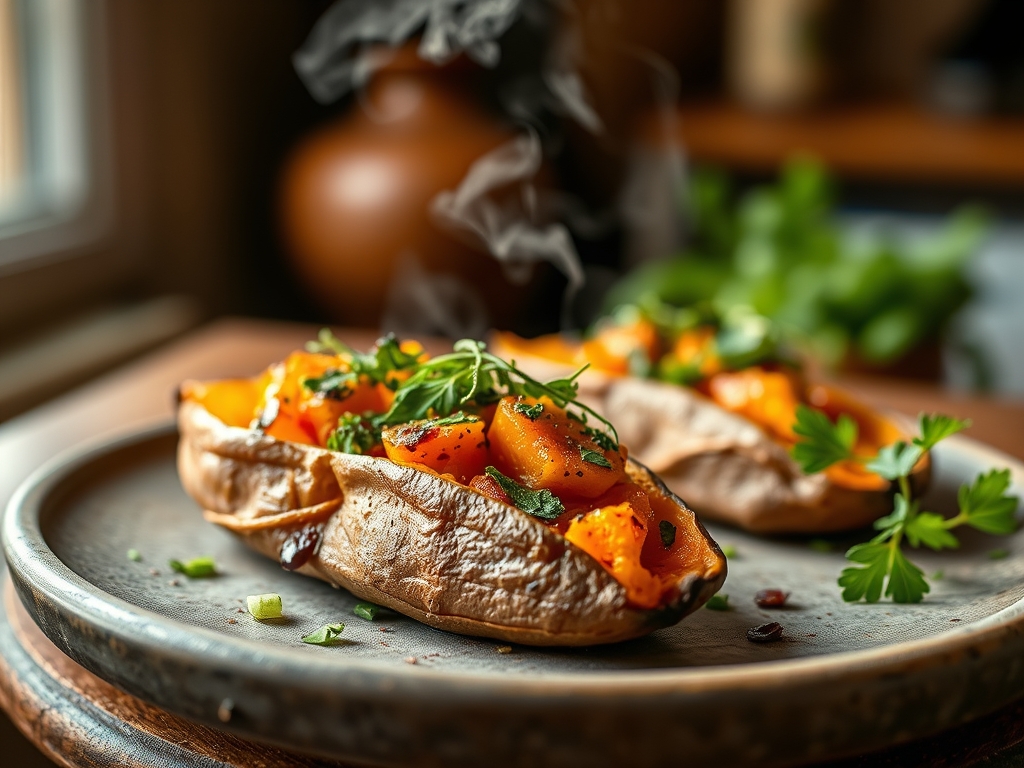
Imagine a kitchen filled with the scent of caramelized sugars meeting the sharp, pungent bite of roasted garlic. Most people treat the sweet potato like a dessert in disguise, burying it under marshmallows and brown sugar. We are not most people. Today, we are reclaiming this tuber for the dinner table with savory baked sweet potato recipes that balance earthy sweetness with salt, fat, and acid. The magic happens when that vibrant orange flesh meets a high-heat environment, triggering the Maillard reaction to create a complex, umami-rich crust. It is not just a side dish; it is a canvas for culinary architecture. We are going to transform these fibrous roots into velvet-textured masterpieces using professional techniques that would make a Michelin-level saucier blush. Grab your apron and your sharpest chef knife. We are diving into the molecular chemistry of the perfect savory roast, where every salt flake and oil droplet serves a structural purpose.
The Gathers:
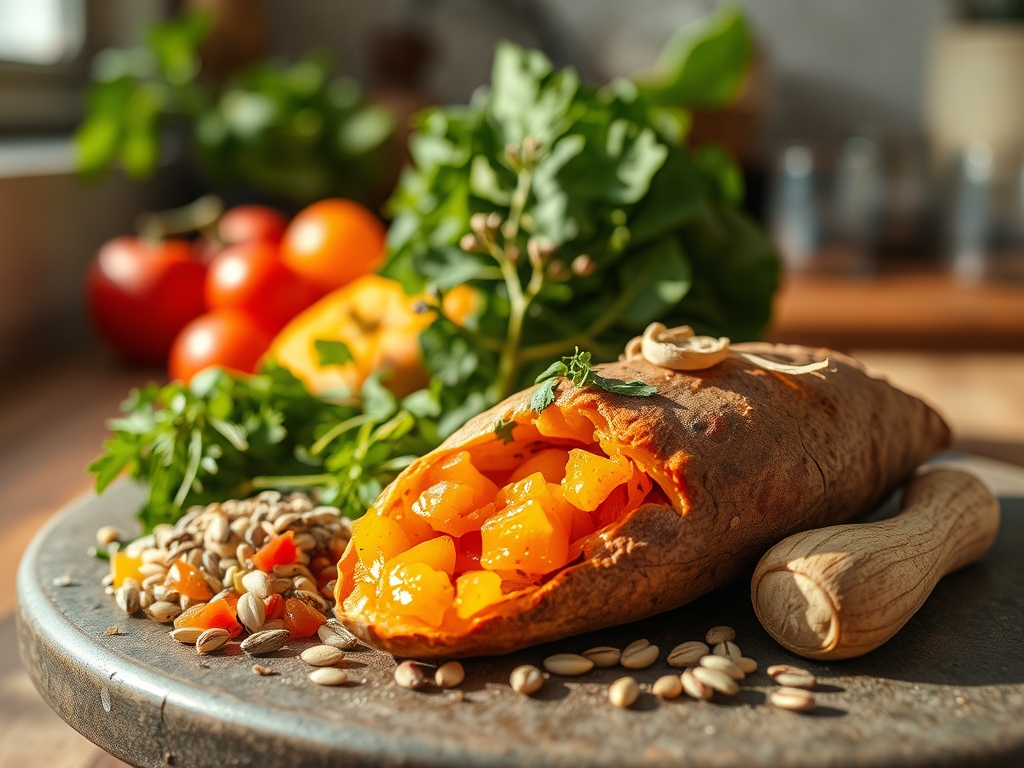
Setting up your mise-en-place is the difference between a frantic kitchen and a fluid one. For these savory baked sweet potato recipes, your primary specimen should be the Beauregard or Jewel variety, prized for its high moisture content and sugar-to-starch ratio. You will need a high-smoke-point lipid; skip the extra virgin olive oil for the initial roast and reach for avocado oil or clarified butter (ghee). These fats allow for temperatures exceeding 400 degrees Fahrenheit without oxidizing or becoming acrid.
For the savory profile, gather Maldon sea salt for structural crunch and freshly cracked Tellicherry peppercorns. To elevate the aromatics, have fresh rosemary, thyme, and sage ready on your cutting board. If you want to lean into the umami, keep a small jar of miso paste or nutritional yeast nearby.
Smart Substitutions:
If you are avoiding nightshades or looking for a lower glycemic index, you can swap traditional sweet potatoes for Japanese Yams (Satsumaimo), which offer a nuttier, starchier profile. If you lack fresh herbs, use a microplane to zest a lemon over the finished dish; the citric acid provides the same "lift" that fresh greens provide. For a vegan fat substitute that mimics the richness of dairy, use a refined coconut oil infused with a pinch of smoked paprika to simulate the savory depth of bacon fat.
The Clock:
Mastering the "Chef's Flow" requires understanding that time is a physical ingredient. Total active prep time is approximately 15 minutes, while the oven does the heavy lifting for 45 to 60 minutes.
The flow begins with the pre-heat phase. Never put your potatoes in a cold oven. You need that immediate thermal shock to seal the exterior. While the oven climbs to 425 degrees Fahrenheit, you perform your knife work. The "dead time" during the roast is when you prepare your cold sauces or "crunch elements" like toasted pepitas or fried shallots. Always account for a 10-minute resting period post-bake. This allows the internal steam to redistribute, ensuring the flesh is moist rather than stringy.
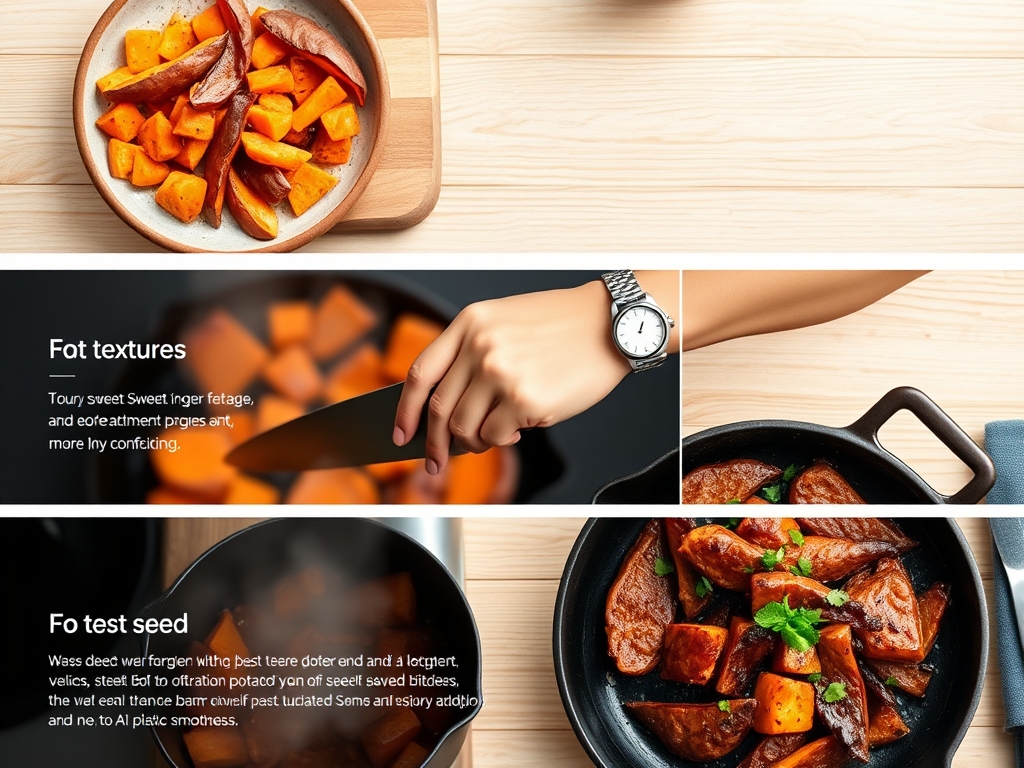
The Masterclass:
1. The Scrub and Score
Use a stiff vegetable brush to remove debris from the skin, then use a digital scale to ensure your potatoes are of similar weight for even cooking. Score the skin lightly with a paring knife to allow steam to escape.
Pro Tip: Scoring prevents the internal pressure from rupturing the skin unevenly. This controlled venting ensures the viscous sugars do not explode, keeping the presentation pristine.
2. The Lipid Coating
Massage your chosen fat onto the skin until it is glistening but not dripping. Place the potatoes on a parchment-lined sheet pan.
Pro Tip: Fat acts as a thermal conductor. By coating the skin, you create an even distribution of heat that triggers enzymatic browning, resulting in a crisp, savory "jacket" that protects the tender interior.
3. The High-Heat Roast
Slide the pan into the center rack. Rotate the pan 180 degrees halfway through the timer to account for oven hot spots.
Pro Tip: Using a heavy-bottomed baking sheet prevents warping and ensures the bottom of the potato gets as much heat as the top. This creates a "fried" texture on the contact point through conduction.
4. The Internal Temp Check
Use an instant-read thermometer to check for an internal temperature of 210 degrees Fahrenheit. The potato should yield to the slightest pressure from a pair of silicon-tipped tongs.
Pro Tip: Thermal carryover will continue to cook the potato for several minutes after it leaves the oven. Pulling them at the precise temperature prevents the starches from turning into a gummy, over-processed mash.
5. The Aeration Squeeze
Once out of the oven, use a clean kitchen towel to "massage" the potato before slicing it open. This loosens the flesh from the skin.
Pro Tip: This physical manipulation introduces air into the dense starch. To aerate the potato is to lighten its density, making the mouthfeel significantly more luxurious and "fluffy."
6. The Savory Infusion
While the potato is steaming open, add a pat of cold butter and a splash of liquid aminos or soy sauce. Use a fork to gently fold these into the flesh.
Pro Tip: This creates an instant emulsion within the potato. The cold fat hits the hot starch and binds with the natural moisture, creating a creamy, savory sauce right inside the skin.
7. The Microplane Finish
Grate fresh garlic or parmesan cheese directly over the steaming interior using a microplane.
Pro Tip: The residual heat is just enough to render the fats in the cheese or soften the "bite" of the garlic without burning the delicate aromatic compounds.
8. The Acid Splash
Finish with a squeeze of lime or a drizzle of balsamic glaze.
Pro Tip: Acid breaks down the perception of heavy starches on the palate. It brightens the "muddy" earthy notes of the tuber, making the savory baked sweet potato recipes feel balanced and vibrant.
9. The Texture Garnish
Add a handful of toasted nuts or seeds.
Pro Tip: Contrast is king. The crunch of a toasted seed provides a sensory counterpoint to the soft mash, engaging the trigeminal nerve and making the eating experience more satisfying.
10. The Final Rest
Let the fully dressed potato sit for two minutes before serving.
Pro Tip: This final rest allows the flavors to infuse deeply into the starch molecules. It ensures that the first bite is a cohesive flavor profile rather than a series of disjointed toppings.
The Deep Dive:
From a macro perspective, sweet potatoes are a powerhouse of complex carbohydrates and Vitamin A. However, for those following specific dietary protocols, these savory baked sweet potato recipes are incredibly flexible. For a Keto-friendly version, focus on smaller portions and maximize the healthy fats like avocado and grass-fed butter. For Vegan diners, replace dairy with a cashew-based "crema" or a drizzle of tahini.
The Fix-It:
- Soggy Skin: This happens when potatoes are wrapped in foil. Foil traps steam. Fix it by roasting "naked" on a wire rack to allow 360-degree airflow.
- Bitter Char: If the sugars burn before the inside is soft, your oven is too hot. Lower the temp by 25 degrees and use a saucier to drizzle a little honey or maple syrup to mask the bitterness.
- Bland Interior: You likely did not salt the potato while it was hot. Use a bench scraper to chop the flesh and fold in salt while the steam is still active; this allows the salt to dissolve into the cell walls.
Meal Prep: To reheat, avoid the microwave. It turns the skin leathery. Instead, use an air fryer at 350 degrees for five minutes. This restores the "day-one" crispness by re-dehydrating the exterior.
The Wrap-Up:
There you have it; the definitive guide to making savory baked sweet potato recipes that actually taste like a gourmet meal. By focusing on the science of heat transfer and the balance of umami, you have turned a humble root vegetable into a culinary event. Remember, the kitchen is your laboratory. Do not be afraid to experiment with different savory fats or pungent aromatics. Now, go forth and roast with confidence. Your dinner guests will thank you for the flavor, and your inner scientist will thank you for the technique!
The Kitchen Table:
How do I get the skin extra crispy?
Rub the skin with a high-smoke-point oil and a generous amount of fine salt. Roast directly on the oven rack or a wire tray to ensure maximum airflow. This dehydrates the skin, creating a crackling, savory exterior.
Can I bake sweet potatoes ahead of time?
Yes, you can par-bake them for 40 minutes and store them in the fridge. When ready to serve, finish them in a high-heat oven for 15 minutes. This "double-cook" method actually enhances the starch-to-sugar conversion for better flavor.
Why is my sweet potato stringy?
Stringiness is usually a result of old tubers or improper storage. To fix the texture, pass the cooked flesh through a ricer or mesh sieve. This breaks up the long fibers, resulting in a silky, professional-grade puree.
What is the best savory topping combo?
Try a combination of miso-butter, toasted black sesame seeds, and chopped scallions. The saltiness of the miso perfectly offsets the natural sugars, while the scallions provide a fresh, piquant finish that cuts through the dense, creamy starch.