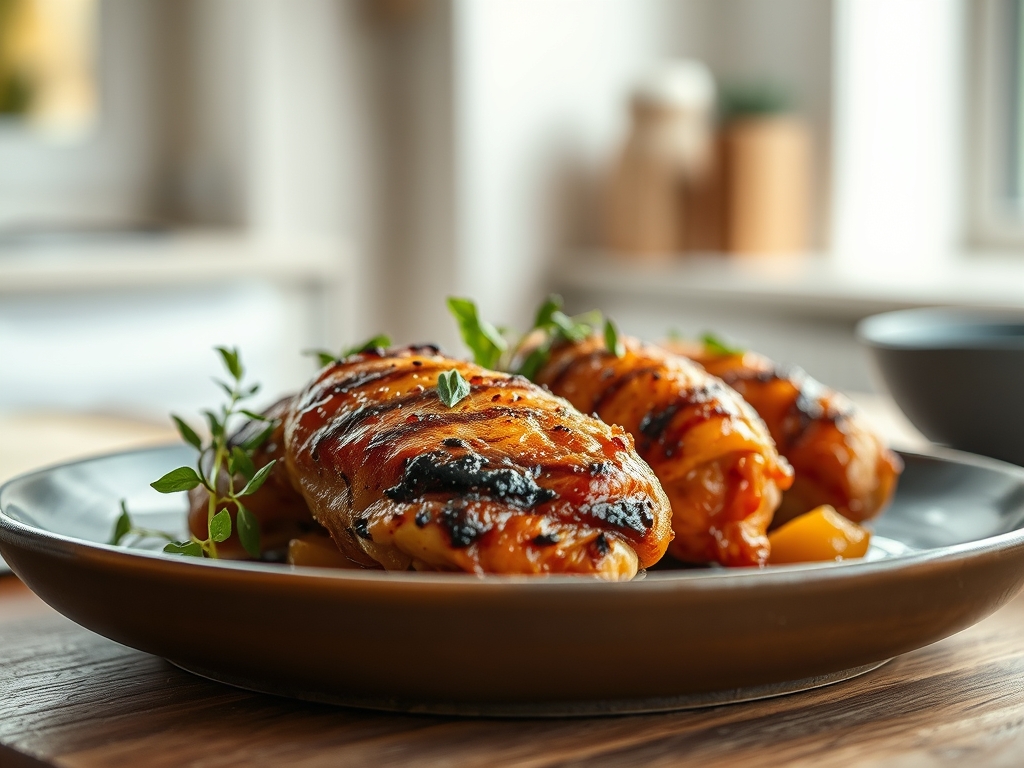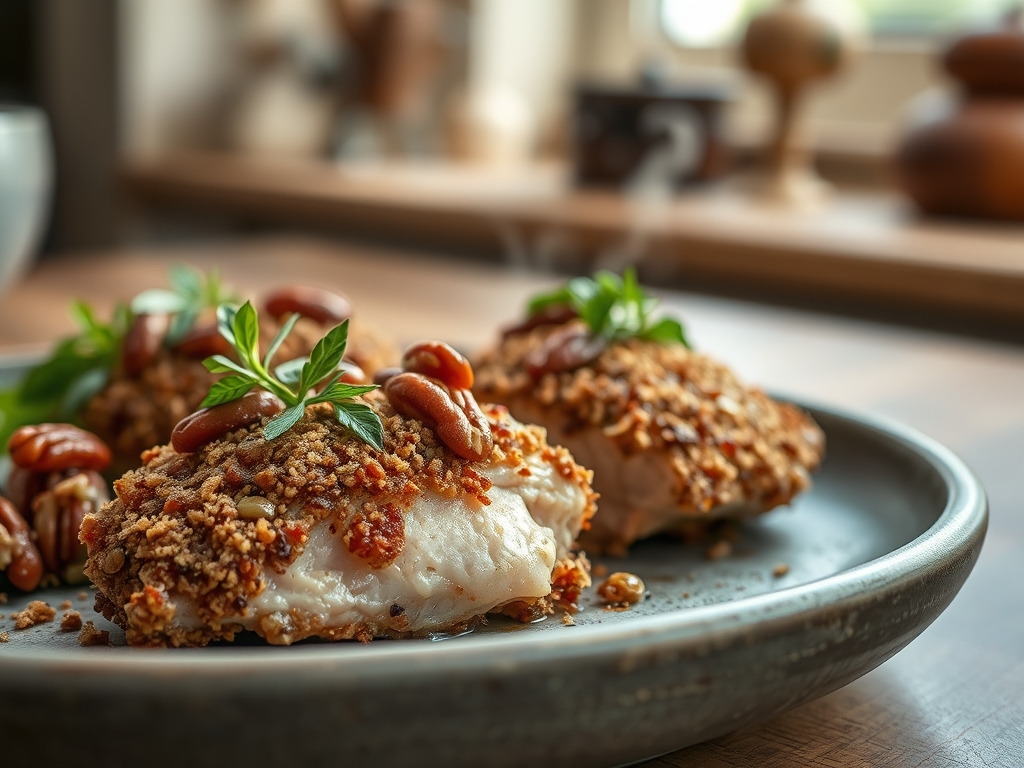
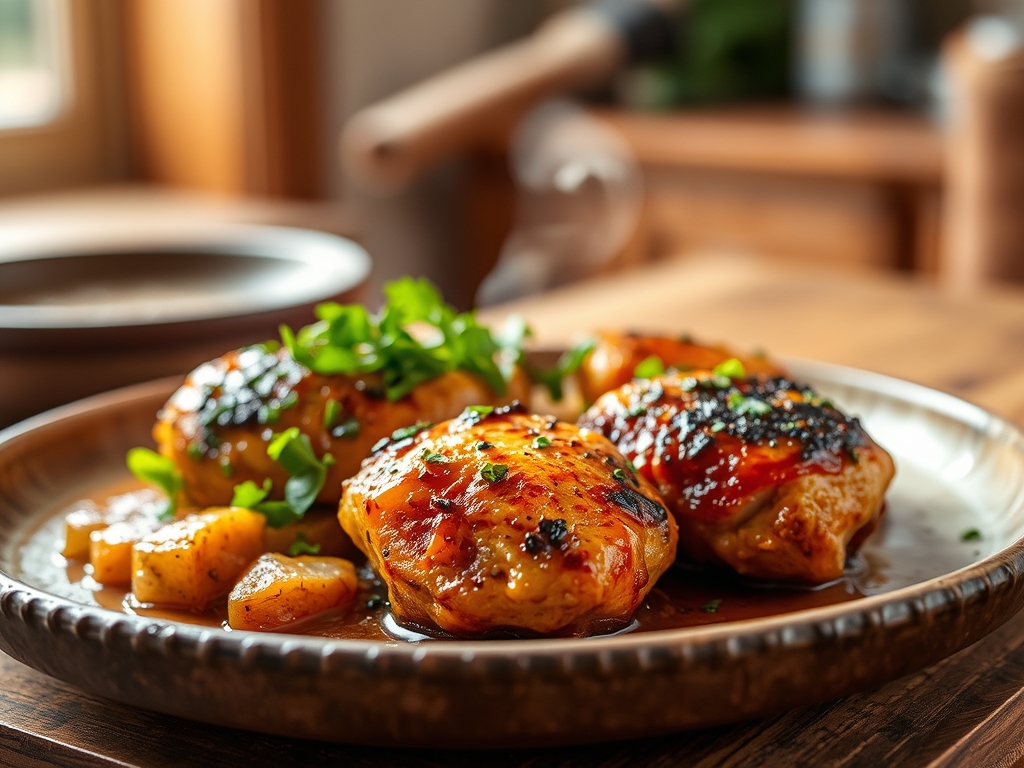
Close your eyes and imagine the scent of a wood fire mingling with the sharp, acidic punch of fresh lemon and the earthy hum of toasted cumin. This is the sensory architecture of the best Lebanese chicken recipes; a culinary tradition that balances high-heat char with delicate, aromatic marinades. When you introduce smoke into this equation, you are not just cooking; you are performing an act of atmospheric alchemy. We are moving beyond the basic backyard barbecue into a territory where spice profiles meet scientific precision. To achieve that perfect, mahogany-skinned bird with meat that yields at the mere suggestion of a fork, we have to master the interplay of moisture, heat, and smoke.
The secret to why Lebanese chicken recipes stand out in the world of poultry is the aggressive use of aromatics like garlic and sumac. These ingredients do more than just provide flavor; they act as tenderizers and antioxidants that protect the meat during the long, slow smoking process. We are going for a result that is deeply infused with wood smoke but retains the bright, piquant soul of the Mediterranean. Grab your apron and your digital scale; we are about to turn your smoker into a high-performance flavor laboratory.
The Gathers:
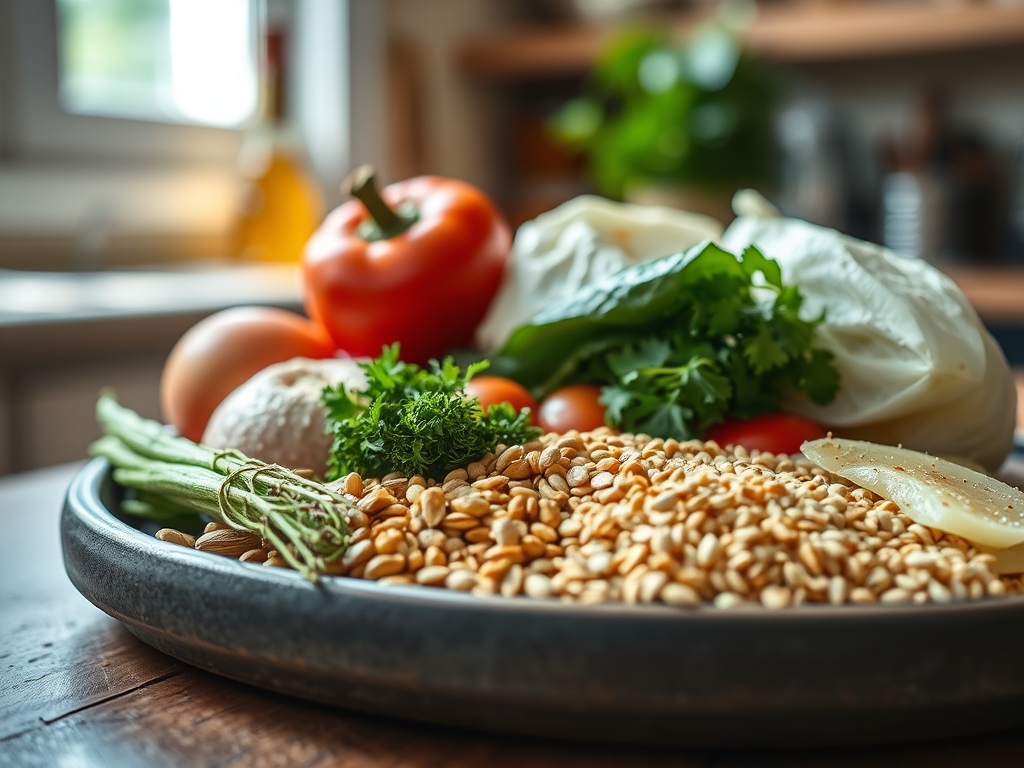
Before we ignite a single pellet or coal, we must assemble our chemical components. Success in the kitchen is 80 percent preparation and 20 percent execution. Start with a whole bird, preferably organic, as the fat content is more stable for rendering. You will need a microplane to zest three large lemons; the essential oils trapped in the flavedo are more volatile and aromatic than the juice alone. For the marinade, gather high-quality extra virgin olive oil, which acts as a viscous carrier for fat-soluble spices.
Your spice rack should feature Aleppo pepper for a mild, fruity heat, toasted cumin for depth, and a generous amount of sumac for that signature Lebanese tang. Do not forget the garlic. You need a full head, crushed into a paste using a heavy-bottomed skillet or a mortar and pestle to release the allicin.
Smart Substitutions: If you cannot find Aleppo pepper, a mix of four parts sweet paprika to one part cayenne mimics the heat profile. If sumac is missing from your pantry, an extra tablespoon of lemon zest mixed with a pinch of citric acid provides that necessary astringency. For those avoiding poultry, firm blocks of halloumi or thick cauliflower steaks can be treated with the same marinade, though the smoking times will decrease significantly to prevent total moisture loss.
The Clock
Efficiency in the kitchen is what I call the Chef's Flow. It is the ability to overlap tasks so that no second is wasted. Your total active prep time is 30 minutes, but the passive time is where the magic happens.
- The Marination (4 to 12 hours): This is non-negotiable. The salt in the marinade needs time to denature the protein strands, allowing moisture to be trapped inside the cells.
- The Tempering (45 minutes): Never put cold chicken in a smoker. Let it sit on the counter to reach room temperature for even heat distribution.
- The Smoke (2.5 to 3 hours): We are aiming for a consistent internal temperature of 165 degrees Fahrenheit.
- The Rest (20 minutes): This allows the juices to redistribute from the center back to the extremities of the meat.
Total time from fridge to table is roughly 4 to 14 hours depending on your patience. Use this time to prep your side dishes or clean your bench scraper and workspace.
The Masterclass
1. The Spatchcock Technique
Lay the bird breast-side down and use heavy-duty kitchen shears to remove the backbone. Flip it over and press down firmly on the breastbone until you hear a crack. This flattens the bird, ensuring that the dark meat and white meat cook at a similar rate.
Pro Tip: This increases the surface area for the Maillard reaction, the chemical reaction between amino acids and reducing sugars that gives browned food its distinctive flavor.
2. The Emulsified Rub
In a small saucier, whisk your olive oil, lemon juice, garlic, and spices until they form a stable emulsion. Slather this mixture not just on the skin, but under the skin against the breast meat. Use your fingers to create a pocket without tearing the skin.
Pro Tip: Fat is a flavor conductor. By placing the marinade under the skin, you prevent the spices from burning while allowing the fats to infuse the meat directly.
3. The Low and Slow Ignition
Set your smoker to 225 degrees Fahrenheit. Use a mild wood like apple or cherry; mesquite is too aggressive for the delicate citrus notes of Lebanese chicken recipes. Place the chicken skin-side up on the grate.
Pro Tip: Maintain a "thin blue smoke." Thick white smoke contains creosote, which creates a bitter, medicinal taste on the tongue.
4. The Spritzing Phase
Every 45 minutes, mist the chicken with a 50/50 mixture of apple cider vinegar and water using a food-grade spray bottle. This keeps the surface moist and helps the smoke particles adhere to the meat.
Pro Tip: Moisture on the surface of the meat creates "smoke ring" development. The water helps the nitrogen dioxide in the smoke react with the myoglobin in the meat.
5. The High-Heat Finish
When the internal temperature hits 155 degrees Fahrenheit, crank the heat to 400 degrees or move the bird to a hot grill for the final 10 degrees. This crisps the skin, which can become rubbery during low-temp smoking.
Pro Tip: This is called thermal carryover. The internal temperature will continue to rise about 5 degrees after you remove it from the heat source.
6. The Rest and Carve
Transfer the chicken to a warm platter and tent loosely with foil. Do not wrap it tightly, or the steam will soften that hard-earned crispy skin. Use a sharp carving knife to separate the joints.
Pro Tip: Resting allows the muscle fibers, which contracted during cooking, to relax and reabsorb the internal juices, ensuring a succulent bite.
The Deep Dive
From a macro perspective, this dish is a powerhouse. A standard serving provides approximately 35 grams of protein and 12 grams of healthy fats, mostly from the olive oil. Because we are using dry heat and smoke, there are no added sugars or heavy carbohydrates, making this naturally Keto and Gluten-Free. For a vegan swap, use the marinade on oyster mushrooms; their fibrous texture mimics chicken beautifully when smoked.
The Fix-It: Troubleshooting Common Pitfalls
- Problem: Rubbery Skin. Fix: You likely skipped the high-heat finish. Next time, air-dry the chicken in the fridge for 2 hours before marinating to reduce surface moisture.
- Problem: Overpowering Smoke. Fix: You used too much wood or a wood that was too "heavy." Stick to fruitwoods and ensure your vents are open enough to allow airflow.
- Problem: Dry Breast Meat. Fix: Use a digital probe thermometer. Pull the bird at 160 degrees Fahrenheit and let carryover cooking do the rest of the work.
Meal Prep Science: To reheat without losing quality, avoid the microwave. The microwave agitates water molecules, causing the meat to become "rubbery." Instead, place leftovers in a covered dish with a splash of chicken stock and heat in a 300-degree oven until just warmed through. This gently rehydrates the proteins.
The Wrap-Up
Mastering Lebanese chicken recipes in a smoker is about respecting the balance of power between fire and spice. By understanding the chemistry of the marinade and the physics of heat transfer, you have elevated a simple dinner into a gourmet experience. This chicken is bright, bold, and smoky; a perfect centerpiece for your next gathering. Now, get out there, fire up that smoker, and show them what a "smart, witty" chef can really do.
The Kitchen Table
Can I use a gas grill instead of a smoker?
Yes. Create an indirect heat setup by lighting only one side of the grill. Place a foil packet of wood chips over the active burner to generate smoke and keep the chicken on the cool side.
What wood is best for Lebanese flavors?
Stick to light, fruity woods like apple, peach, or cherry. These complement the lemon and sumac without masking the delicate spice profile of the marinade. Avoid heavy woods like hickory or mesquite.
How do I get the garlic taste to really pop?
Use a microplane to grate the garlic into a fine paste. This breaks more cell walls than chopping, releasing more sulfur compounds and creating a more intense, pungent flavor that survives the smoking process.
Is it safe to marinate chicken overnight?
Absolutely. In fact, a 12-hour soak is ideal. The acid in the lemon juice will begin to break down the connective tissues, resulting in a much more tender finished product after the long smoke.