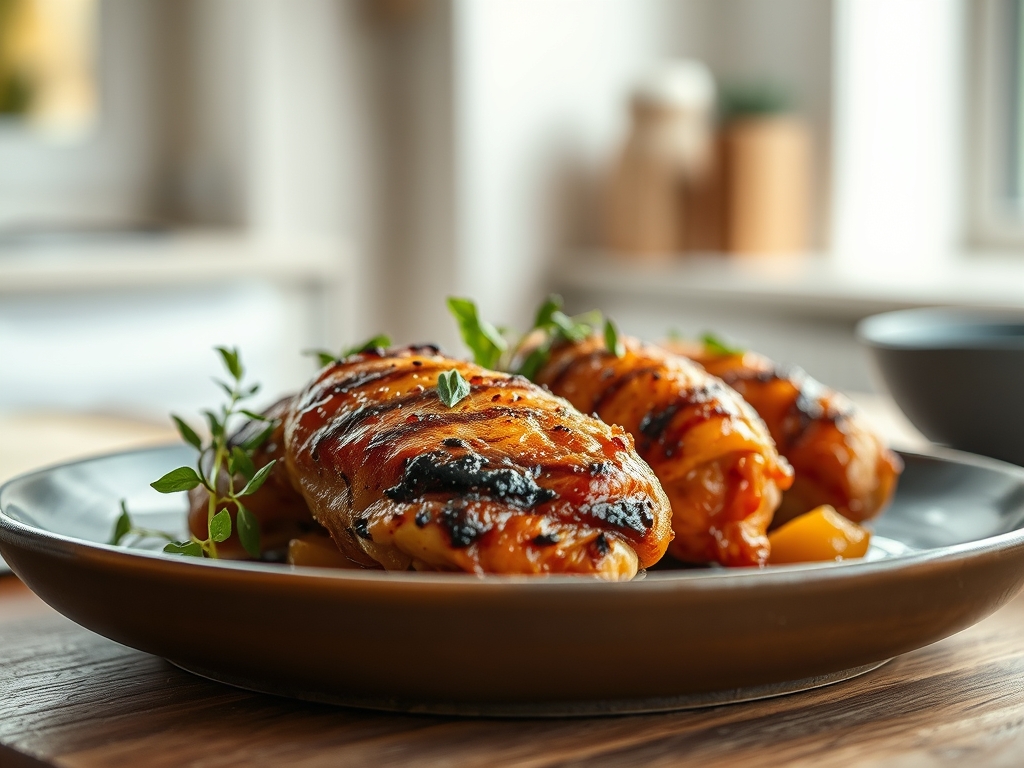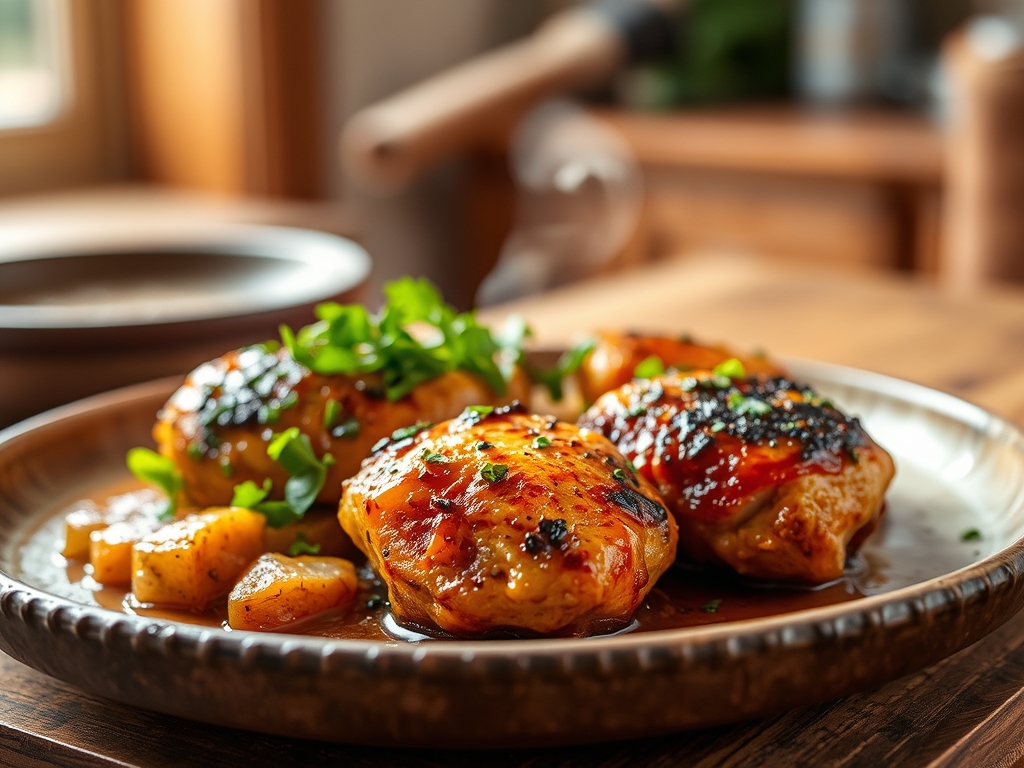
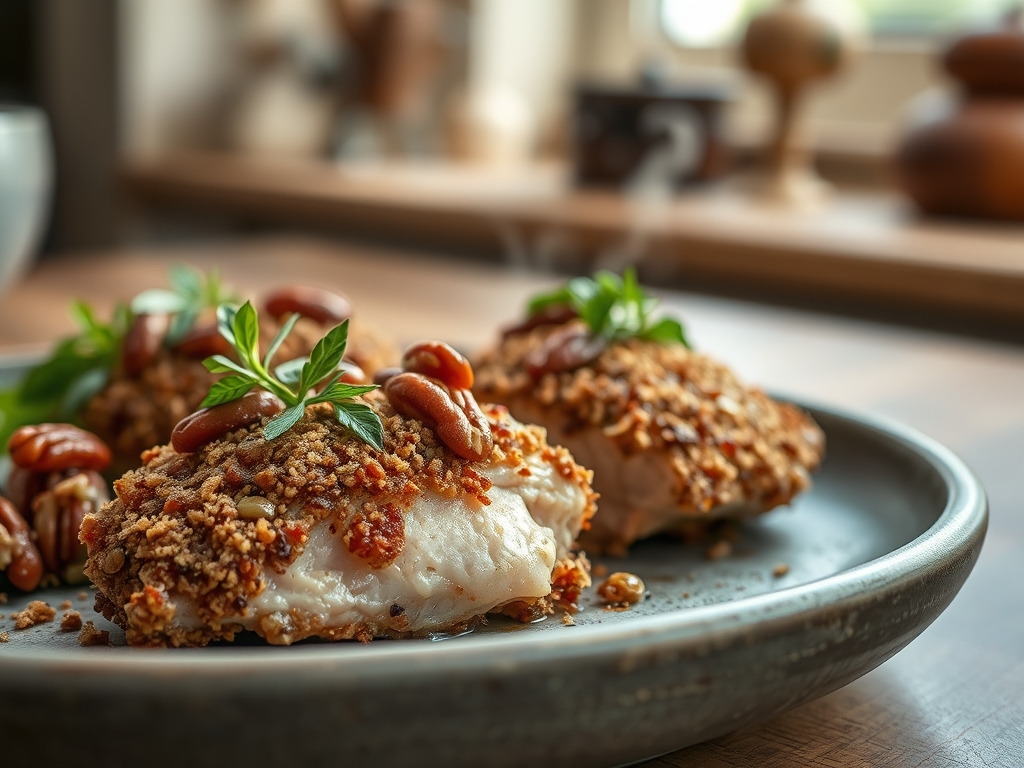
Close your eyes and imagine the scent of toasted nuts colliding with the sharp, citrusy perfume of sumac and lemon zest. We are moving far beyond the standard breaded cutlet today. By marrying the earthy crunch of pecan crusted chicken recipes with the vibrant, bold profiles of the Levant, we are creating a dish that is both technically sophisticated and deeply comforting. This is not just dinner; it is a masterclass in texture and aromatics. The secret lies in the contrast between the fatty, buttery lipids of the pecans and the acidic, piquant punch of Lebanese spices. When you drop that protein into a hot skillet, the kitchen transforms into a Mediterranean bazaar. We are chasing that perfect golden hue, that audible crunch, and the succulent interior that only precise thermal control can provide. Grab your favorite apron because we are about to elevate your weeknight rotation into something truly spectacular. We are diving deep into the chemistry of the crust to ensure every bite is a balanced symphony of salt, fat, acid, and heat.
The Gathers:
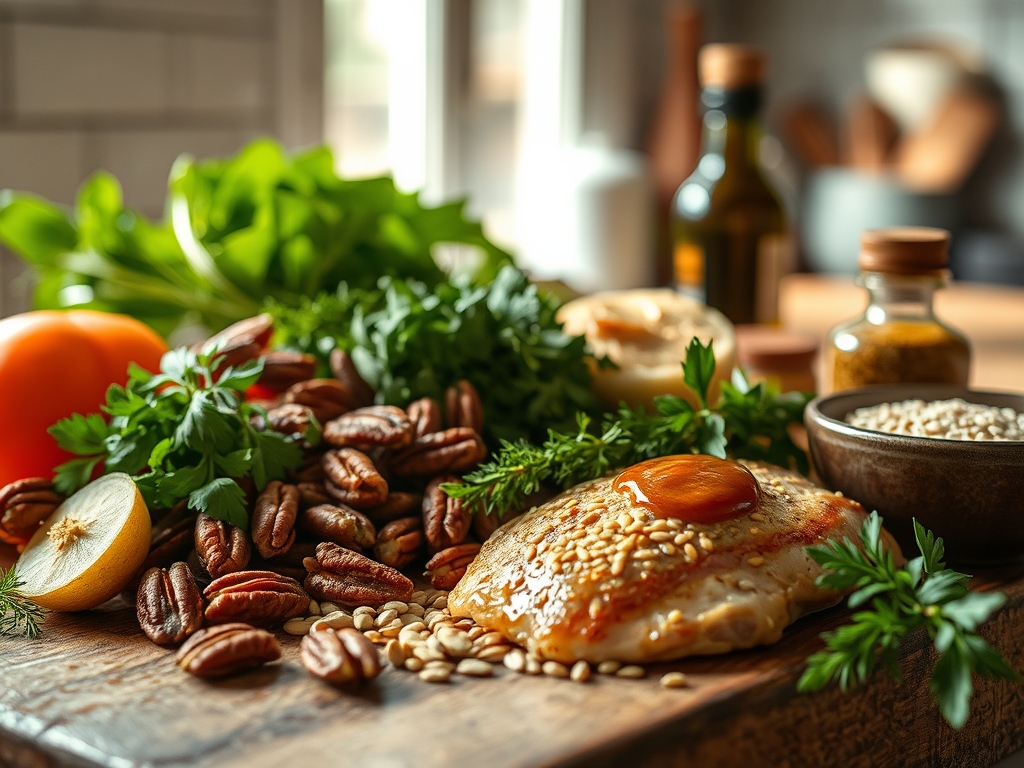
Setting up your mise-en-place is the first step toward culinary success. You will need high-quality chicken breasts, ideally organic to ensure a tighter muscle fiber structure that retains moisture. For the crust, gather raw pecan halves. We use raw because they will toast during the cooking process; pre-toasted nuts risk over-browning and becoming bitter. You will also need a microplane for zesting fresh lemons and grating garlic into a fine, viscous paste. The spice profile requires sumac, dried oregano, and Aleppo pepper for a subtle heat.
For the binding agent, we avoid heavy batters. Instead, use a combination of Dijon mustard and Greek yogurt. This creates a protein-rich "glue" that tenderizes the meat via lactic acid. Smart Substitutions are easy here. If you are out of sumac, a dash of lemon pepper and extra zest will mimic that acidity. If pecans are unavailable, walnuts offer a similar fat content, though they possess a slightly more tannic finish. Always use a digital scale to measure your dry ingredients; precision is the difference between a seasoned crust and a salty mess.
The Clock:
Efficiency in the kitchen is all about the "Chef's Flow." Expect a total active time of 20 minutes with a cook time of 12 to 15 minutes depending on the thickness of your poultry. Total time from pantry to plate is roughly 40 minutes. The flow begins with the mechanical breakdown of the nuts, followed by the dredging process, and ends with a controlled sear. While the chicken rests, you have a five-minute window to whisk together a quick tahini drizzle or a fresh parsley salad. This overlapping of tasks ensures that every component of the meal reaches the table at its peak temperature and texture.
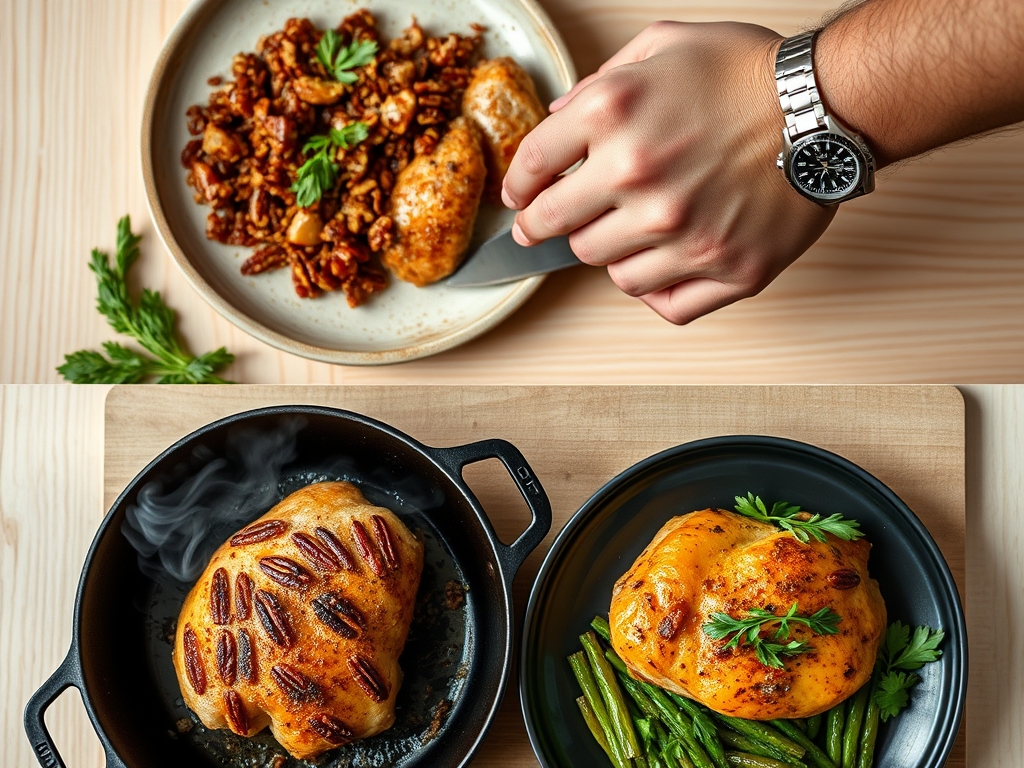
The Masterclass:
1. Prepare the Protein
Start by placing your chicken between two sheets of parchment paper. Use a meat mallet or the bottom of a heavy-bottomed skillet to pound the meat to an even half-inch thickness. This ensures uniform heat distribution.
Pro Tip: This mechanical tenderization breaks down tough connective tissues. It also increases the surface area for the Maillard reaction to occur, leading to more flavor development across the entire cutlet.
2. The Nut Pulse
Place your pecans in a food processor and pulse until they resemble coarse sand. Do not over-process, or the oils will release and turn the mixture into nut butter. Mix in your sumac, salt, and Aleppo pepper.
Pro Tip: Maintaining larger granules creates "texture pockets." These gaps allow steam to escape during cooking, preventing the crust from becoming soggy through trapped moisture.
3. The Emulsified Bind
In a shallow bowl, whisk your Greek yogurt, Dijon, and minced garlic until the mixture is smooth and viscous. Coat each piece of chicken thoroughly, shaking off any excess.
Pro Tip: The yogurt acts as a brine. The calcium and lactic acid work to slowly break down protein strands, resulting in a finished product that is exceptionally tender and juicy.
4. The Dredge and Press
Lay the coated chicken into the pecan mixture. Press firmly with the palm of your hand to ensure the nuts adhere to the yogurt binder. Flip and repeat.
Pro Tip: Firm pressure is essential for conductive heat transfer. A tight bond between the crust and the meat ensures the pecans toast evenly rather than falling off into the oil.
5. The Precision Sear
Heat a thin layer of neutral oil in your skillet over medium heat. Use tongs to gently lay the chicken away from you. Cook for 5-6 minutes per side until the internal temperature hits 160 degrees Fahrenheit.
Pro Tip: Thermal carryover will bring the chicken to the food-safe 165 degrees while it rests. Pulling it early prevents the muscle fibers from tightening and squeezing out the juices.
The Deep Dive:
From a macro nutrition perspective, this dish is a powerhouse. You are getting high-quality lean protein paired with healthy monounsaturated fats from the pecans. To make this Vegan, swap the chicken for thick slices of roasted cauliflower and use a soy-based yogurt. For Keto followers, this recipe is naturally low-carb, just ensure your mustard has no added sugars. Gluten-Free diners are already safe here, as the pecans replace the traditional flour or breadcrumb coating entirely.
The Fix-It:
If your crust is falling off, your pan wasn't hot enough or the chicken was too wet before the binder; always pat the meat dry first. If the pecans are burning before the chicken is done, your heat is too high. Reduce the flame and add a splash of cool oil to the pan. If the meat is dry, you likely skipped the pounding step; uneven thickness leads to overcooking the thin edges.
Meal Prep:
To reheat and maintain "day-one" quality, avoid the microwave. The waves agitate water molecules, steaming the crust from the inside out. Instead, use an air fryer or toaster oven at 350 degrees for five minutes. This re-activates the fats in the pecans, crisping the exterior while gently warming the center.
The Wrap-Up:
You have just mastered a dish that balances the technical rigor of French technique with the soulful, aromatic heart of Lebanese cuisine. These pecan crusted chicken recipes are a testament to how simple ingredients, when treated with scientific respect, can become something extraordinary. Whether you are serving this at a festive dinner party or a quiet Tuesday night, the crunch of the toasted nuts and the zing of the sumac will leave your guests begging for the recipe. Now, take a bow, grab your bench scraper to tidy up, and enjoy the fruits of your labor!
The Kitchen Table:
How do I keep the pecan crust from burning?
Maintain medium heat and use an oil with a high smoke point like avocado oil. If the nuts darken too quickly, finish the chicken in a 350 degree oven to ensure the center cooks without scorching the exterior.
Can I make this recipe in an air fryer?
Yes. Spray the coated chicken lightly with oil and air fry at 375 degrees for 12 to 15 minutes. Flip halfway through to ensure the circulating air toasts the bottom of the pecan crust evenly for maximum crunch.
What is the best side dish for Lebanese chicken?
A bright fattoush salad or a side of vermicelli rice works beautifully. The acidity of the salad dressing cuts through the richness of the pecans, while the rice provides a neutral base for the bold Middle Eastern spices.
How long can I marinate the chicken in the yogurt?
You can marinate the chicken for up to 24 hours in the refrigerator. The lactic acid will continue to tenderize the meat, but avoid going longer, as the texture can eventually become too soft or mushy.