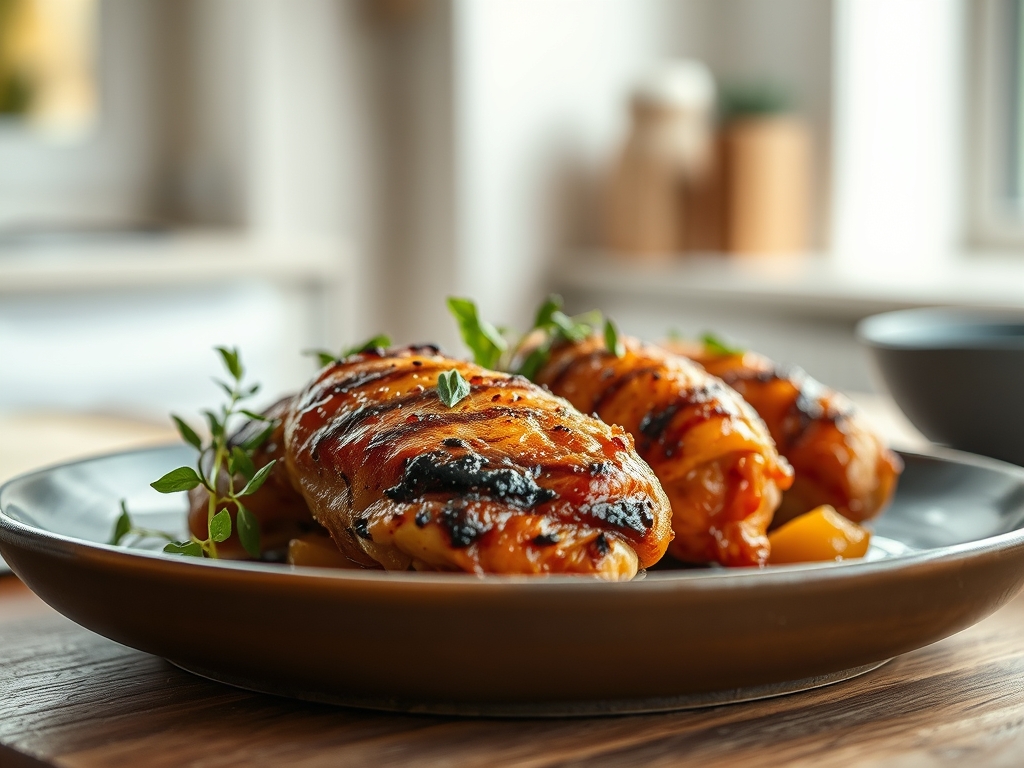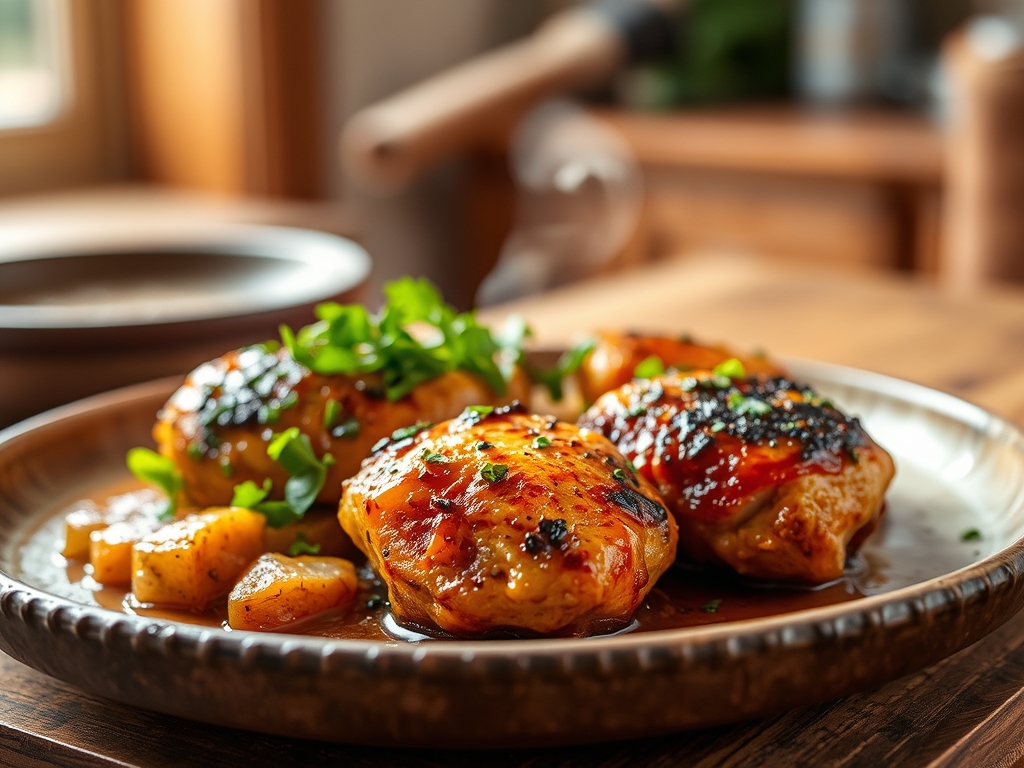
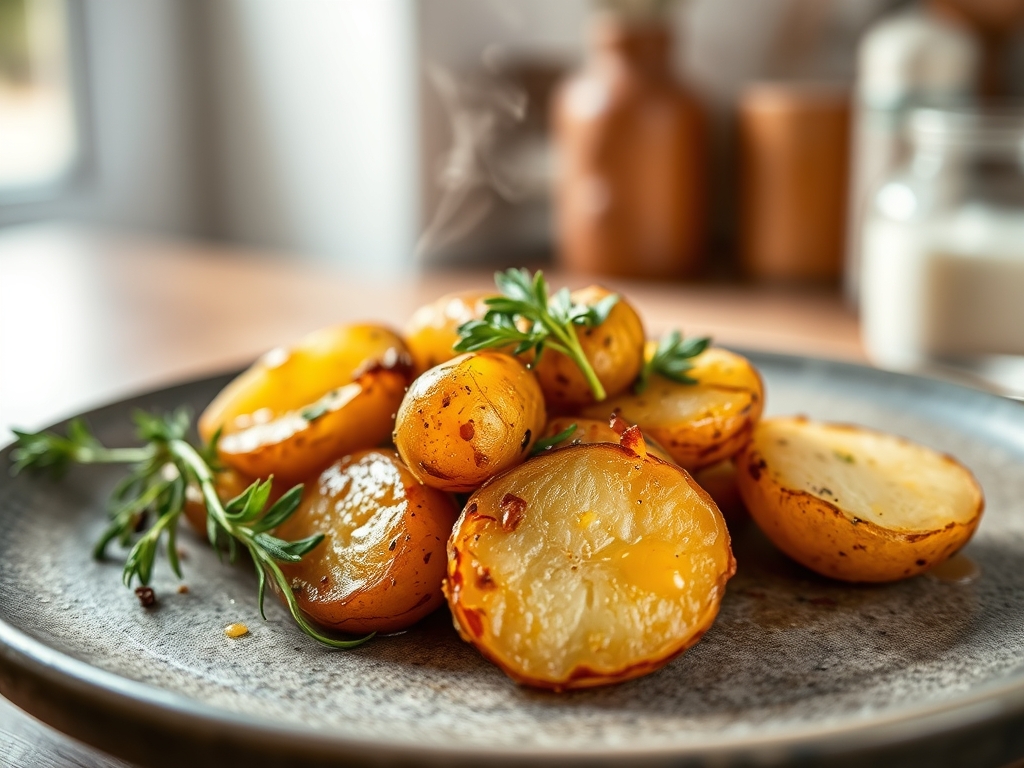
Picture a kitchen filled with the scent of garlic confit and the rhythmic sound of a chef's knife hitting a wooden board. We are on a quest for the perfect crunch and the ultimate velvet mash. When you master the best potato recipes, you are not just cooking; you are performing a chemical transformation that turns humble starch into pure gold.
Potatoes are the undisputed royalty of the pantry. They are versatile, forgiving, and capable of extreme structural changes. Whether we are talking about a crispy Hasselback that shatters like glass or a pomme puree so smooth it defies gravity, the secret is always in the science. We are going to explore eight distinct methods to elevate your dinner game, focusing on the Maillard reaction and cellular structure.
From the starch-heavy Russet to the waxy Yukon Gold, every variety has a specific purpose. We will dive into the mechanics of parboiling, the importance of pH levels in your boiling water, and why cold fat is your best friend for fluffy interiors. Grab your favorite apron and a heavy-bottomed skillet; we are about to turn your kitchen into a high-end bistro.
The Gathers:
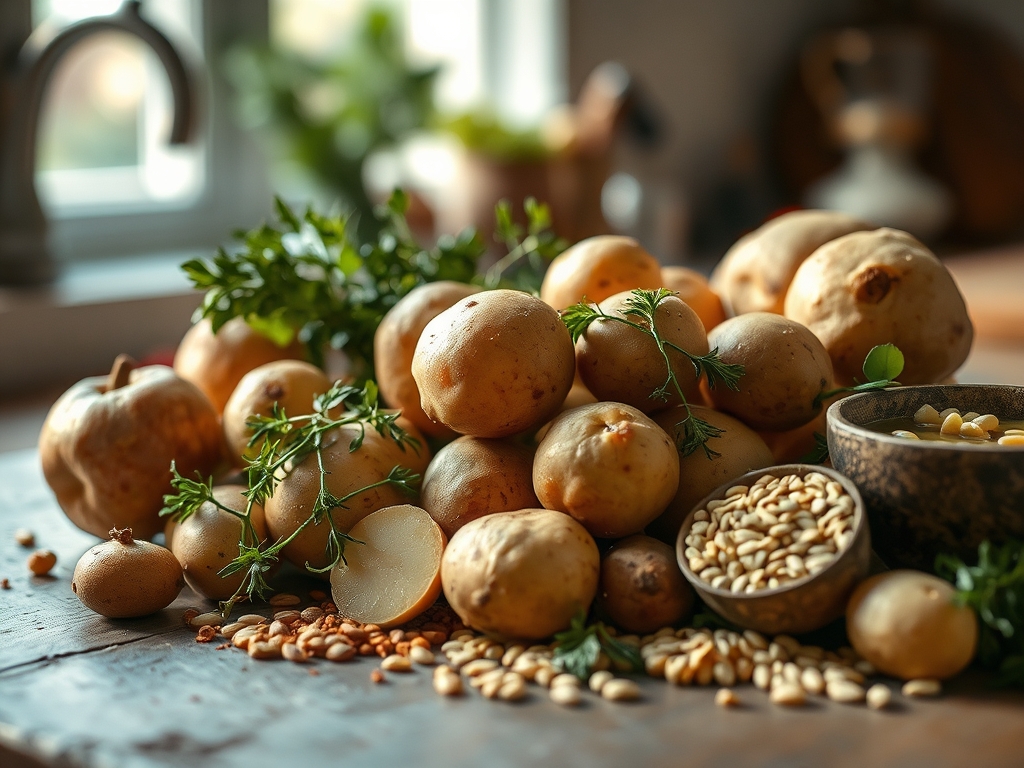
To execute the best potato recipes, your mise-en-place must be precise. You will need high-starch Russets for frying and roasting because their low moisture content allows for maximum crispness. For gratins and salads, reach for Yukon Golds or Red Bliss; these waxy varieties contain more amylopectin, which helps them hold their shape under heat.
Your pantry should be stocked with high-smoke-point fats like clarified butter (ghee) or duck fat to facilitate the Maillard reaction without burning. Fresh aromatics are non-negotiable. Think woody herbs like rosemary and thyme that can withstand high temperatures, plus a high-quality sea salt to draw out moisture. You will also need a microplane for zesting garlic and a digital scale to ensure your ratios of fat to starch are consistent every single time.
Smart Substitutions:
If you are looking to lighten things up, replace heavy cream with a blend of silken tofu and vegetable stock for a viscous, creamy texture without the saturated fat. For a low-carb twist in a mash, swap half the potatoes for steamed cauliflower; the flavor remains neutral while the fiber content spikes. If duck fat is unavailable, use beef tallow or a high-quality avocado oil to achieve that signature golden hue.
The Clock
Efficiency in the kitchen is all about the "Chef's Flow." For these eight masterpieces, expect a total active prep time of 45 minutes, with total cook times ranging from 20 minutes for a quick sauté to 90 minutes for a slow-roasted confit.
The flow begins with the "Cold Start" method for boiled potatoes to ensure even heat distribution. While the tubers simmer, you will utilize that time to render your fats and infuse your oils with aromatics. This overlapping schedule ensures that by the time the potatoes are tender, your flavor base is concentrated and ready for the final sear or bake.
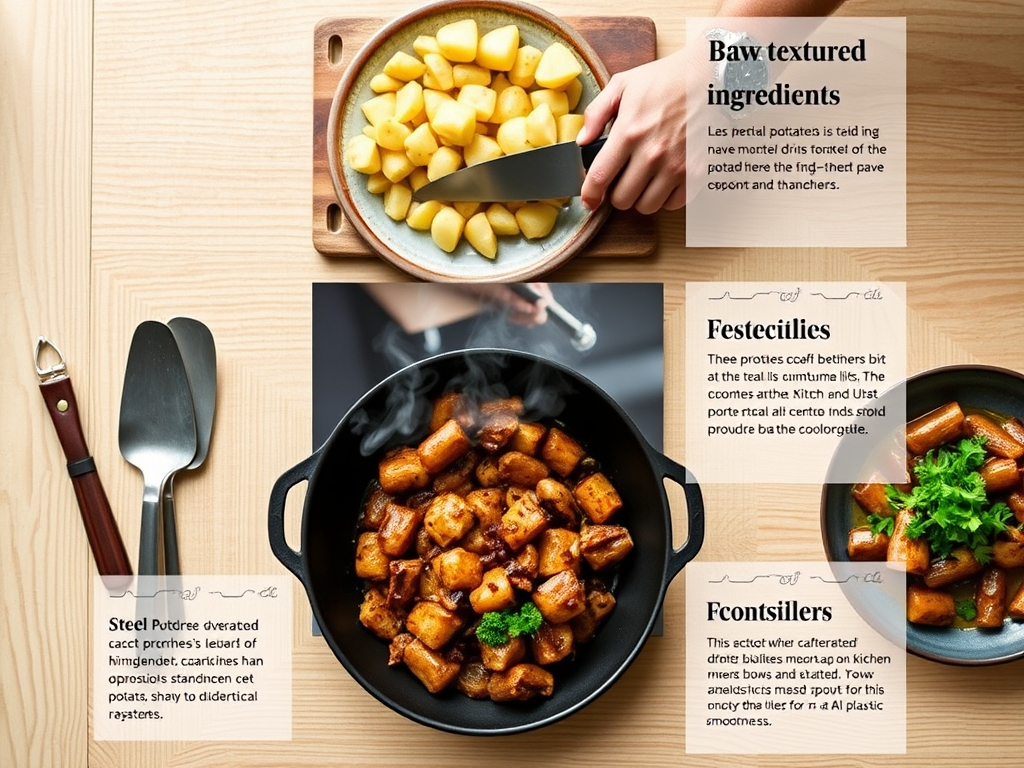
The Masterclass
1. The Triple-Cooked Chip
Peel and cut your Russets into uniform batons using a bench scraper for clean edges. Simmer in salted water until the edges are just beginning to fray. Drain and freeze to dehydrate the surface. Fry at 260 degrees Fahrenheit, cool, and then perform a final hard fry at 375 degrees.
Pro Tip: The initial simmer creates fissures in the potato surface. This increases the surface area for the oil to interact with, leading to a much thicker, crunchier crust through evaporative cooling.
2. The Garlic Confit Mash
Boil peeled Yukon Golds in heavily salted water until they are soft enough to crush with a fork. Pass them through a fine-mesh ricer or a saucier for a silk-like texture. Fold in a head of roasted garlic that has been mashed into a paste.
Pro Tip: Passing potatoes through a ricer prevents the release of excess starch. If you overwork them with a mixer, the cells rupture and release amylose, which turns your mash into a viscous, gluey mess.
3. The Hasselback Accordion
Place a potato between two wooden spoons and slice thin rounds down to the spoons. Brush with a mixture of melted butter and piquant smoked paprika. Roast at 425 degrees until the layers fan out like a book.
Pro Tip: The "Accordion" cut allows for heat to penetrate the center of the potato from multiple angles. This creates a contrast between the steamed, soft interior and the shatter-crisp edges.
4. The Classic Pomme Fondant
Cut potatoes into thick cylinders. Sear one side in a heavy-bottomed skillet until dark brown. Flip, add a knob of butter and chicken stock halfway up the sides, and finish in the oven.
Pro Tip: This technique uses thermal carryover. The bottom of the potato fries in fat while the top steams in the stock, resulting in a texture that is simultaneously crispy and custardy.
5. The Crispy Smashed Fingerling
Boil small fingerling potatoes whole until tender. Place them on a baking sheet and use the bottom of a heavy glass to smash them flat. Drizzle with olive oil and roast at high heat.
Pro Tip: Smashing the potato increases the contact point with the roasting pan. This maximizes the Maillard reaction, the chemical reaction between amino acids and reducing sugars that gives browned food its distinctive flavor.
6. The Boulangere Gratin
Thinly slice potatoes and onions using a mandoline. Layer them in a dish with thyme and pour over a rich beef or vegetable consomme. Bake until the liquid is absorbed and the top is charred.
Pro Tip: Unlike a creamy gratin, the Boulangere relies on the starch from the potatoes to thicken the stock into a piquant glaze. This is a lighter, more savory alternative to dairy-heavy dishes.
7. The Herb-Crusted Roastie
Parboil chunks of Russets for 10 minutes. Shake them violently in the pot to roughen the edges. Toss in a preheated tray of hot oil and roast until deep mahogany.
Pro Tip: Roughening the edges creates a "slurry" of starch on the outside. When this hits the hot oil, it dehydrates instantly to form a glass-like crystalline structure.
8. The Lemon-Oregano Greek Potato
Cut potatoes into wedges and toss with lemon juice, oregano, garlic, and plenty of olive oil. Roast with a splash of water in the pan to keep them moist until the very end.
Pro Tip: The acidity in the lemon juice slows down the breakdown of pectin. This allows the potatoes to cook for a long time without falling apart, resulting in a dense, chewy texture.
The Deep Dive
When we look at the macro profile, potatoes are a powerhouse of complex carbohydrates and potassium. One medium potato provides about 160 calories and 4 grams of fiber. To keep these within a specific diet, you can easily pivot. For a Vegan version, use nutritional yeast and olive oil to mimic the savory depth of cheese and butter. For Keto followers, replace the potato with daikon radish or rutabaga using these same techniques.
The Fix-It:
- Soggy Fries: This happens when the oil temperature drops too low. Use a digital thermometer to ensure your oil stays at 375 degrees.
- Discolored Mash: This is enzymatic browning. Keep peeled potatoes submerged in cold water until the moment you are ready to cook to prevent oxygen from reacting with the phenols.
- Burnt Garlic: If your garlic bits are bitter, you added them too early. Always add minced garlic in the last 2 minutes of roasting or sautéing.
Meal Prep:
To reheat and maintain "day-one" quality, avoid the microwave. The microwave vibrates water molecules, which turns the starch soft and rubbery. Instead, use an air fryer or a hot oven at 400 degrees for five minutes to re-crisp the exterior.
The Wrap-Up
Mastering the best potato recipes is a journey through texture and temperature. By understanding how starch behaves under pressure and how fats facilitate flavor, you have moved beyond being a cook to being a culinary architect. Whether you are serving a crowd or just treating yourself to a solo dinner, these techniques ensure that every bite is a perfect balance of salt, fat, and crunch. Now, go forth and turn that bag of spuds into a masterpiece.
The Kitchen Table
Why are my roasted potatoes sticking to the pan?
You likely tried to flip them before the Maillard reaction was complete. When the crust forms properly, the potato will naturally release from the surface. Use a heavy-bottomed skillet and wait for that golden-brown edge to appear before moving them.
Can I use waxier potatoes for french fries?
Waxy potatoes have too much moisture and sugar. They will brown too quickly on the outside while remaining soggy and translucent on the inside. For the best results, always stick with high-starch Russets to achieve a fluffy, dry interior.
How do I make my mashed potatoes extra fluffy?
The secret is to evaporate excess moisture after draining. Return the boiled potatoes to the hot pot for one minute to "steam dry" before mashing. This allows the cells to absorb more butter and cream for a lighter texture.
What is the best way to store leftover potatoes?
Store them in an airtight container in the fridge for up to four days. To maintain the best texture, reheat them in an oven or heavy-bottomed skillet rather than a microwave to prevent the starch from becoming gummy.