Picture this: it is a rainy Tuesday evening and you are staring into the abyss of a cold refrigerator. You want comfort, specifically the kind of golden, starchy hug only a potato can provide, but the thought of peeling and boiling for forty minutes feels like a marathon. This is where your future self becomes your hero. Mastering the best potato recipes to freeze is not just about convenience; it is about outsmarting the cellular structure of the tuber to ensure that "thawed" never means "mushy." We are talking about locking in that creamy interior and crisp exterior so your weeknight sides feel like a five-star indulgence.
The humble potato is a marvel of complex carbohydrates and water content. When we freeze them raw, the water inside the cells expands into jagged ice crystals, puncturing the cell walls and leaving you with a weeping, grey mess. To win this game, we use science. By leveraging par-cooking and fat-emulsification, we stabilize the starch granules before they ever hit the sub-zero temperatures of your chest freezer. Today, we are diving into six transformative hacks that turn your freezer into a gourmet pantry. Grab your apron and your favorite bench scraper; we are about to make some magic.
The Gathers:
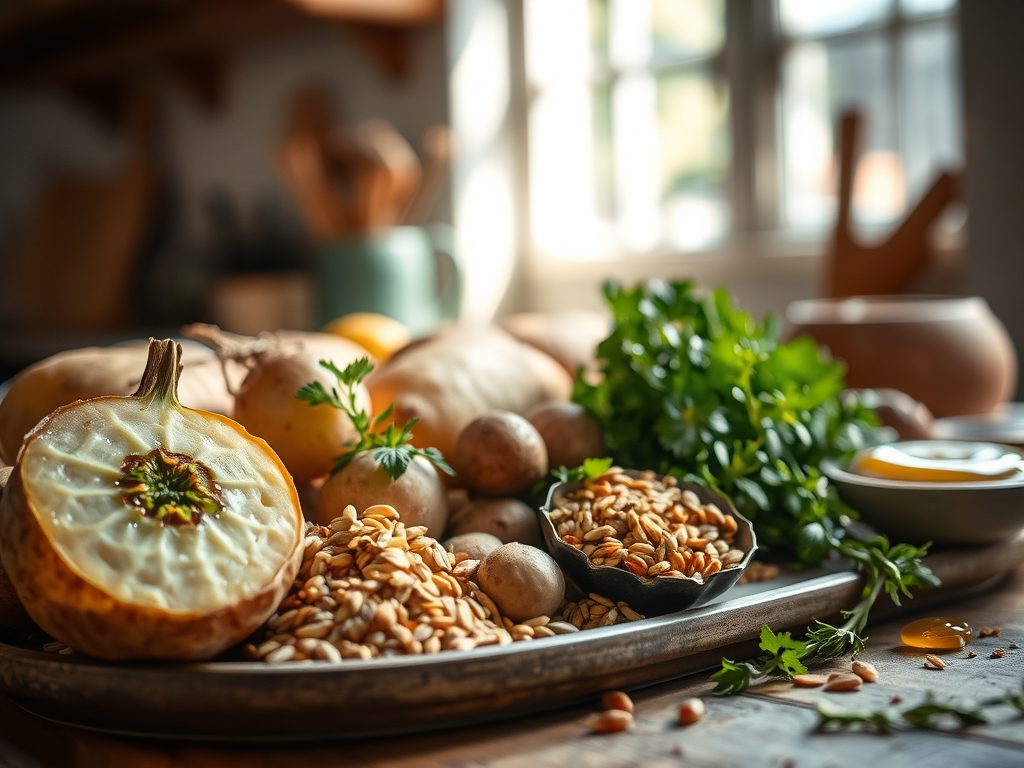
To execute these hacks, your mise-en-place must be precise. We are looking for high-starch varieties like Russets for our fluffy interiors and waxy Yukons for dishes requiring structural integrity. You will need five pounds of scrubbed potatoes, high-smoke-point fats like clarified butter or avocado oil, and a piquant selection of aromatics including fresh rosemary, garlic cloves, and sea salt.
Smart Substitutions:
If you are looking to lighten the caloric load, Greek yogurt provides a beautiful acidic tang and viscous texture that mimics heavy cream in mashes. For a dairy-free alternative, coconut milk (the full-fat canned variety) offers a silky mouthfeel that withstands the freezing process beautifully. If you lack a traditional potato masher, a sturdy whisk or even a large fork can work, though a ricer is the gold standard for avoiding gummy results.
The Clock:
Efficiency in the kitchen is all about the Chef's Flow. Expect to spend about 45 minutes on active prep: peeling, dicing, and initial blanching. The total cook time across all six hacks averages 60 minutes, but remember that cooling is a mandatory stage. You cannot rush the thermal transition.
The Breakdown:
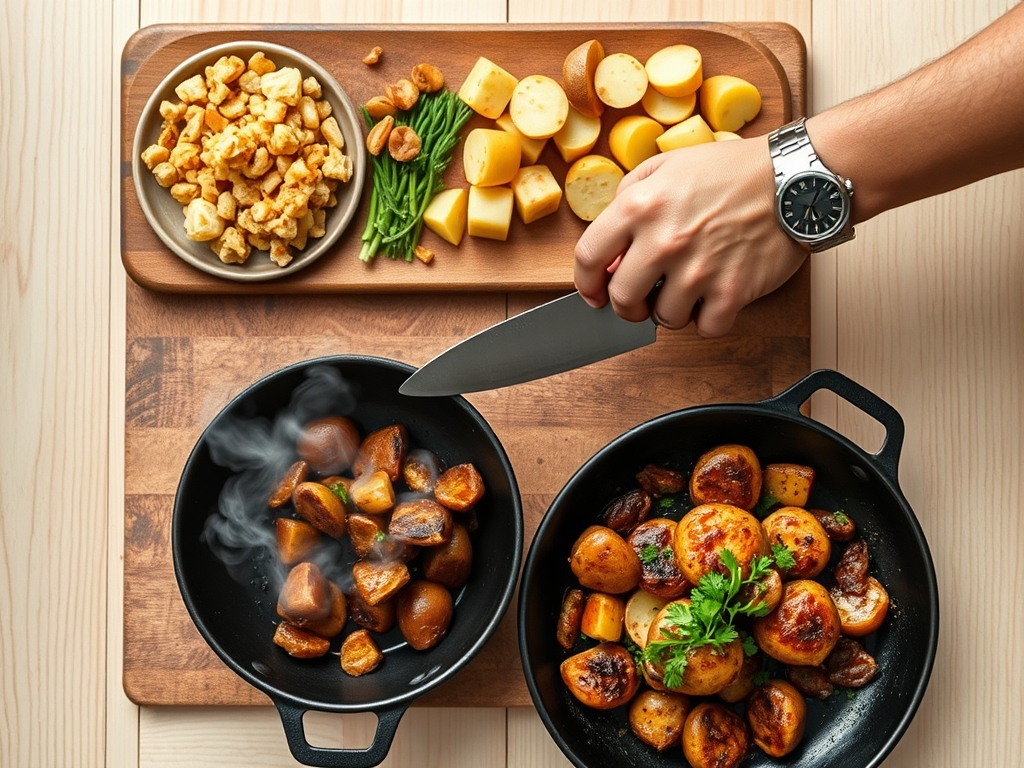
- Prep Phase (20 mins): Washing, peeling, and precision cutting with a sharp chef's knife.
- Activation Phase (25 mins): Blanching in salted water and rendering fats.
- Stabilization Phase (60 mins): This is the "Cooling Gap" where we allow the potatoes to reach room temperature to prevent steam from creating ice crystals in the bag.
- Flash Freeze (2 hours): The final step before long-term storage.
The Masterclass:
1. The Par-Baked Wedge
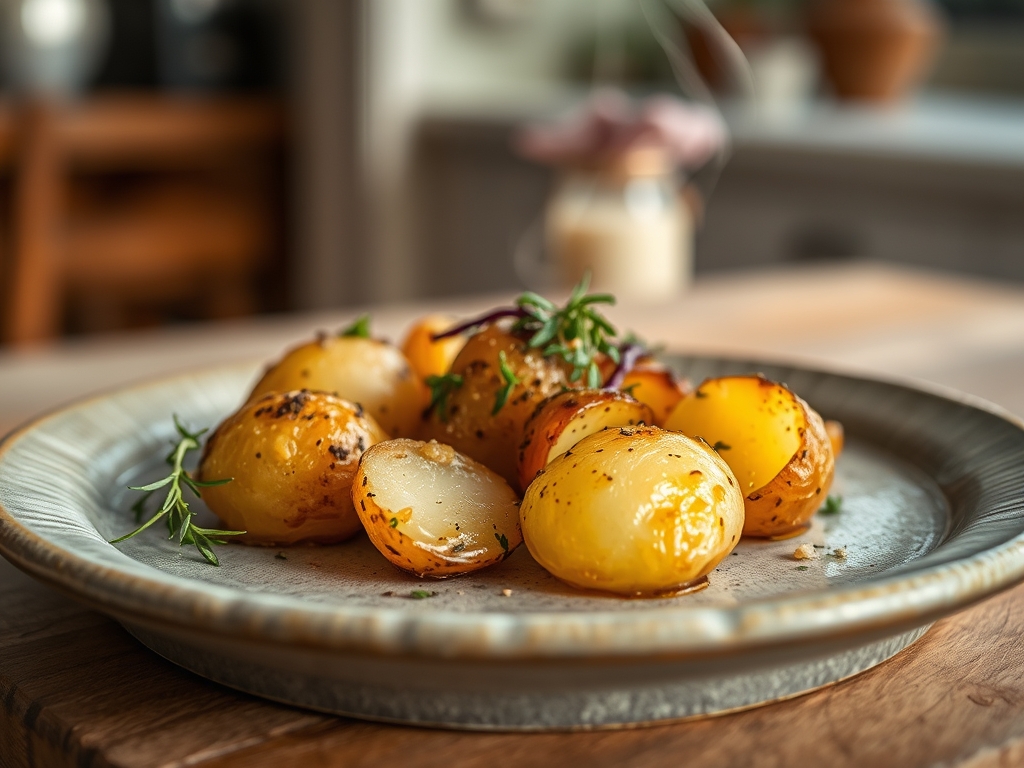
Cut your Yukons into uniform wedges and blanch them in boiling water for exactly five minutes. Drain and toss them in a heavy-bottomed skillet with oil and spices until they have a dull, matte finish.
Pro Tip: This process utilizes gelatinization. By partially cooking the starch, you create a protective outer layer that prevents the potato from oxidizing and turning brown in the freezer.
2. The Cloud-Light Mash
Boil your Russets until tender, then pass them through a ricer or food mill. Incorporate your butter and cream while the potatoes are still steaming to create a stable emulsion.
Pro Tip: Always add your fats before any watery liquids. This coats the starch molecules and prevents retrogradation, which is the process that makes leftover potatoes feel gritty or sandy.
3. The Shredded Hashbrown Disc
Grate raw potatoes into a bowl of ice water to remove excess surface starch. Drain them and squeeze every drop of moisture out using a clean kitchen towel. Shape them into discs on a baking sheet.
Pro Tip: Removing the surface starch prevents the "grey tint" caused by enzymatic browning. The lack of moisture also ensures that when you fry them later, the heat goes toward crisping rather than evaporating water.
4. The Infused Fondant Cube
Cut potatoes into thick cylinders using a circular mold or knife. Sear the ends in a saucier with butter and thyme until deep brown, then freeze them in a single layer.
Pro Tip: The searing triggers the Maillard reaction, creating complex flavor compounds that actually intensify during the freezing and reheating process.
5. The Twice-Baked Shell
Bake whole potatoes until soft, scoop out the flesh, mix with cheese and chives, and stuff them back into the skins. Wrap each one tightly in foil.
Pro Tip: The skin acts as a natural insulator. This prevents thermal shock when you move the potato from the freezer directly into a hot oven for the final bake.
6. The Herb-Laminated Slice
Use a mandoline to create paper-thin slices. Layer them in a muffin tin with melted butter and herbs. Freeze the "stacks" whole.
Pro Tip: Lamination creates multiple surface areas for heat to hit. This ensures a high ratio of "crunch" to "fluff" when you finally bake them off.
The Deep Dive:
From a macro perspective, potatoes are a powerhouse of potassium and Vitamin C. A standard 150g serving provides roughly 110 calories, 2g of fiber, and 3g of protein. To keep these Keto-friendly, swap half the potato volume for cauliflower; the flavor profile remains remarkably similar once seasoned. For a Vegan approach, use nutritional yeast to add a nutty, cheesy depth without the dairy.
The Fix-It: Common Pitfalls
- Problem: The potatoes are watery after thawing. Fix: You skipped the blanching step. Always par-cook to stabilize the cell structure.
- Problem: The mash is gluey. Fix: You over-worked the starch. Use a ricer instead of a high-speed blender to keep the starch granules intact.
- Problem: Freezer burn. Fix: Use a vacuum sealer or the "straw method" to remove all oxygen from the freezer bag. Oxygen is the enemy of texture.
Meal Prep & Reheating:
For "day-one" quality, never thaw your potatoes in the microwave. For wedges and hashbrowns, go straight from the freezer into a 425-degree oven or an air fryer. For mashed potatoes, reheat slowly in a saucier over low heat, adding a splash of milk to re-hydrate the emulsion.
The Wrap-Up:
You are now officially armed with the technical prowess to dominate your meal prep game. No more sad, sprouted potatoes in the back of the pantry; only golden, crispy, and creamy delights waiting for you behind the freezer door. These hacks prove that with a little bit of chemistry and the right professional tools, you can enjoy gourmet comfort any night of the week. Go forth and fill those freezer bags with starchy goodness!
The Kitchen Table:
Can I freeze raw whole potatoes?
No, freezing raw potatoes is a mistake. The high water content causes the cells to rupture, resulting in a grainy, watery texture and unappetizing discoloration. Always blanch or partially cook your potatoes before freezing to preserve their structural integrity.
How long do frozen potato dishes last?
When stored in airtight containers or vacuum-sealed bags, most potato recipes will maintain peak quality for three months. Beyond that, they are safe to eat but may begin to develop freezer burn or lose their piquant flavor profile.
What is the best way to reheat frozen mash?
Place the frozen mash in a saucepan over medium-low heat. Add a tablespoon of butter or a splash of cream. Stir frequently with a whisk to re-incorporate the fats and maintain a silky, aerated texture as it warms through.
Do I need to peel potatoes before freezing?
It depends on the recipe. For mashes, peeling is preferred for a smooth mouthfeel. For wedges or hashbrowns, leaving the skin on provides extra fiber and a rustic texture that crisps up beautifully during the final reheating process in the oven.