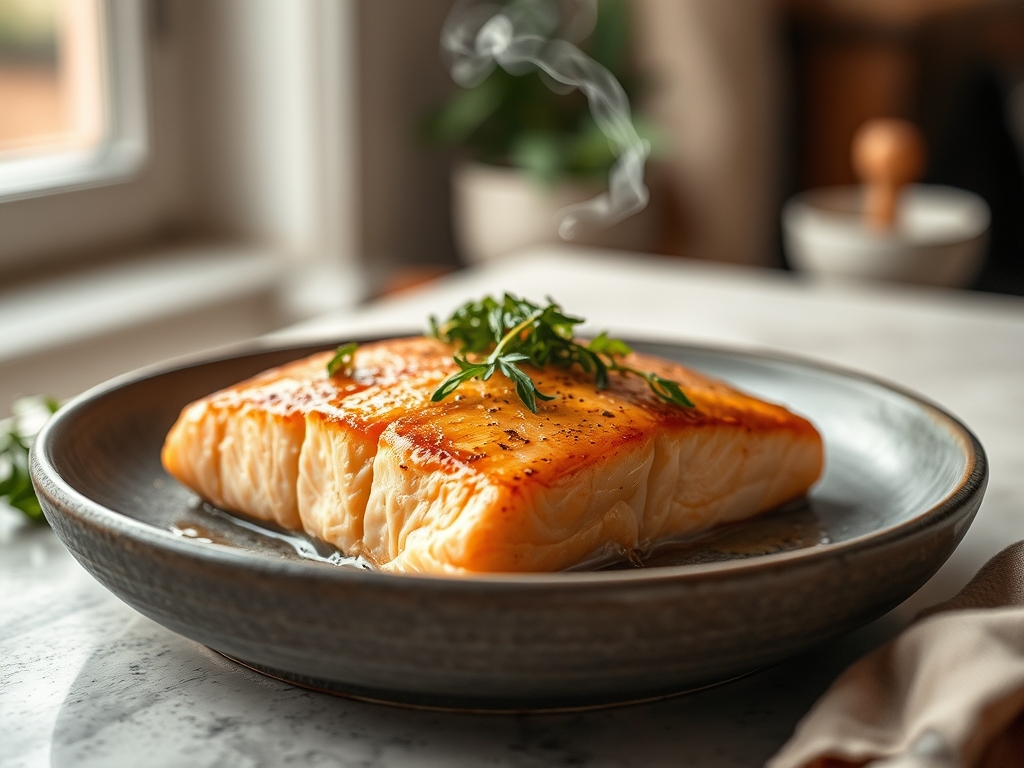
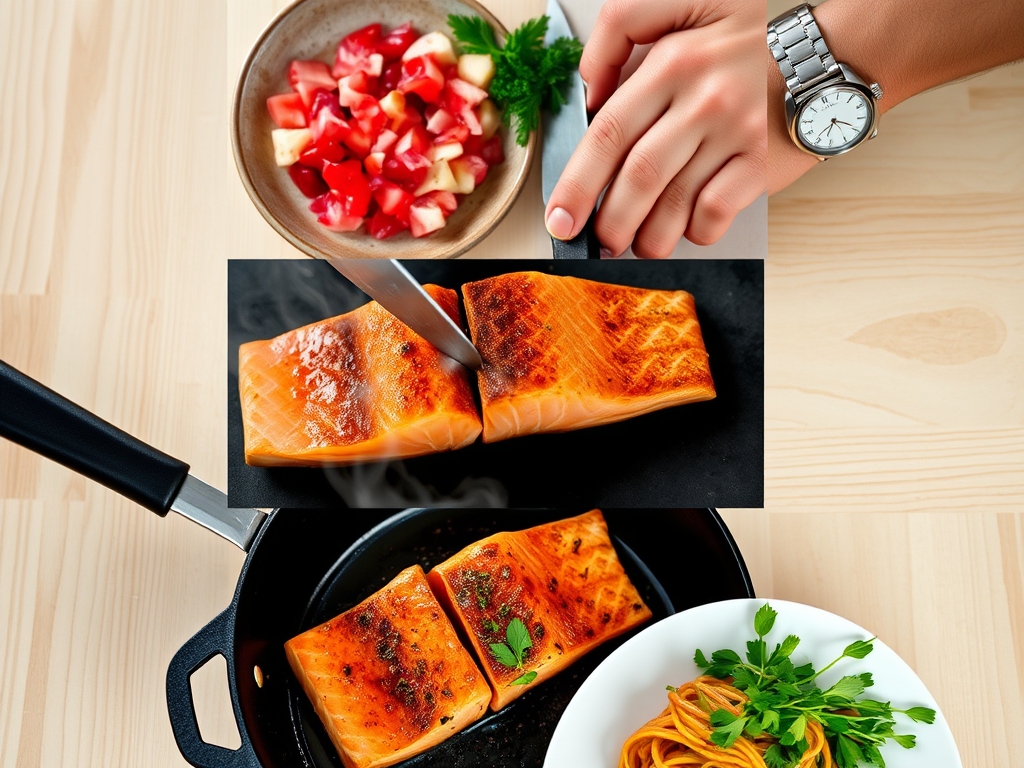
Imagine a heavy-bottomed skillet shimmering with a thin veil of avocado oil as a pristine, coral-pink fillet hits the surface. There is no protective barrier of scales here; instead, you get an immediate, direct-contact sear that transforms the delicate proteins into a golden, buttery crust. Mastering skin off salmon recipes is the ultimate secret to achieving that uniform, melt-in-your-mouth texture that high-end bistros guard so fiercely. Without the skin, the heat penetrates the flesh with surgical precision, allowing for faster infusions of citrus, herbs, and piquant glazes. It is the sophisticated choice for those who crave a clean, elegant plate where the focus remains entirely on the succulent, flakey interior. We are moving past the rustic crunch of skin and entering the realm of pure, unadulterated silkiness. Whether you are poaching in a shallow saucier or pan-searing to a perfect medium-rare, removing the skin unlocks a new dimension of flavor absorption. Let us dive into the molecular magic of why this technique changes everything about your weeknight dinner rotation.
The Gathers:
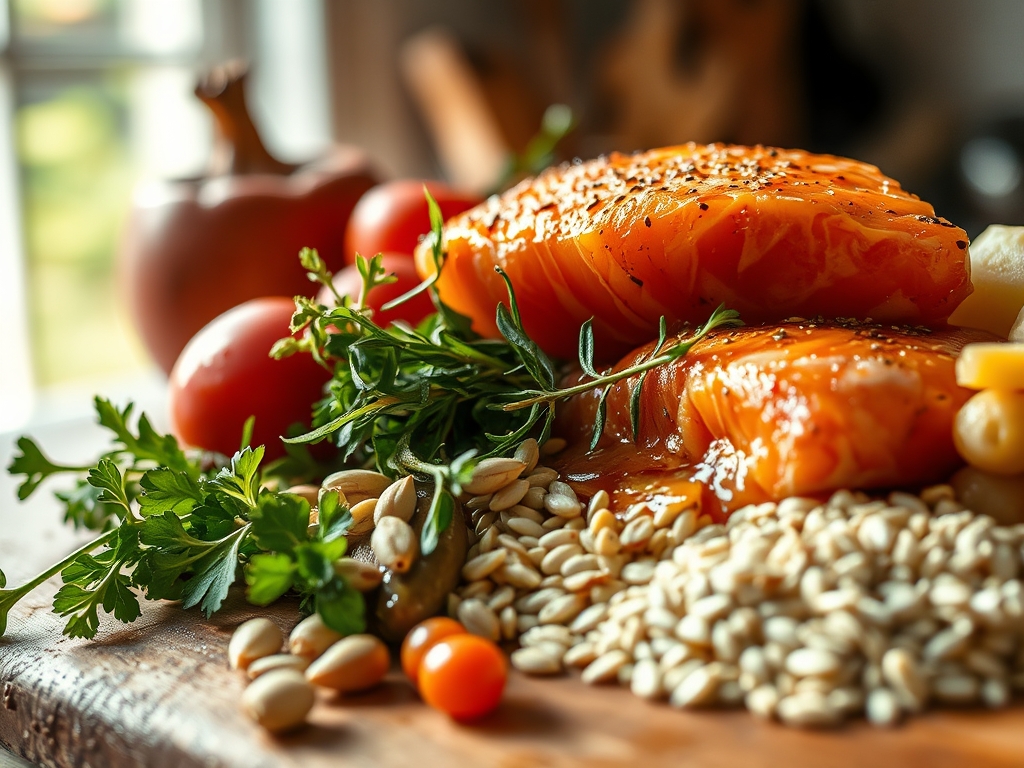
To execute these skin off salmon recipes with professional finesse, your mise-en-place must be meticulously curated. Start with six-ounce center-cut fillets; this specific cut ensures a uniform thickness for even thermal distribution. You will need a high-smoke-point fat like ghee or grapeseed oil to facilitate the Maillard reaction without scorching the delicate lipids. For aromatics, gather fresh thyme sprigs, crushed garlic cloves, and a bright lemon for zest.
Your toolkit is just as vital as your ingredients. Reach for a digital scale to ensure portion consistency and a microplane for that ultra-fine citrus zest that integrates into sauces without adding bulk. A bench scraper is surprisingly useful here for lifting the delicate, skinless fillets without tearing the muscle fibers.
Smart Substitutions: If you are out of fresh citrus, a splash of verjus or a high-quality white balsamic vinegar provides the necessary acidity to cut through the fatty acids of the fish. Instead of butter, use a dollop of white miso paste whisked with water to add a savory, umami-rich depth that mimics the richness of dairy while remaining plant-forward.
The Clock: Precision Timing
Efficiency in the kitchen is all about the Chef's Flow. For skin off salmon recipes, the total active time is remarkably low; usually under fifteen minutes. Expect five minutes of prep, which involves patting the fish bone-dry with lint-free towels to prevent steaming. The actual cook time ranges from six to eight minutes depending on your desired level of opacity.
The flow dictates that you prepare your side dishes first. Since skinless salmon lacks the insulating layer of fat found beneath the skin, it cooks approximately 20 percent faster than skin-on varieties. You must have your warm plates ready and your sauce reduced in the saucier before the fish even touches the pan. This prevents the fish from sitting and losing its internal moisture while you scramble for a garnish.
The Masterclass: 9 Hacks for Perfection
1. The Desiccation Ritual
Before seasoning, use a paper towel to press firmly on all sides of the fillet. Moisture is the enemy of a golden sear. If the surface is damp, the energy from the pan will go toward evaporating water rather than browning the proteins.
Pro Tip: This prevents the Leidenfrost effect, where a layer of steam actually lifts the fish off the pan, resulting in an uneven, greyish exterior instead of a crust.
2. Temperature Tempering
Take your salmon out of the refrigerator 15 minutes before cooking. If the center is ice-cold when it hits the heat, the exterior will overcook before the interior reaches a safe temperature.
Pro Tip: Tempering reduces the thermal gradient within the fish, ensuring the muscle fibers contract evenly and stay tender.
3. The High-Heat Launch
Heat your heavy-bottomed skillet until the oil just begins to ripple. Place the salmon away from you to avoid splashes. Press down lightly with a flexible fish spatula for the first 30 seconds to ensure total surface contact.
Pro Tip: Direct contact maximizes conduction, the most efficient form of heat transfer for creating a savory crust on skinless fillets.
4. The Butter Baste (Arrosé)
Once you flip the fish, drop a knob of butter, garlic, and thyme into the pan. Tilt the skillet and use a large spoon to continuously shower the fish with the foaming fat.
Pro Tip: This technique uses convection to cook the top and sides of the fish simultaneously, infusing it with aromatic compounds while keeping it moist.
5. Acidic Deglazing
After removing the fish, the pan will be covered in fond; those delicious caramelized bits. Pour in a splash of dry white wine or chicken stock and scrape the bottom of the pan.
Pro Tip: Deglazing captures the concentrated flavors created during the Maillard reaction, forming the base of a highly viscous and flavorful pan sauce.
6. The Carryover Calculation
Pull your salmon off the heat when the internal temperature hits 125 degrees Fahrenheit. While it rests, the temperature will climb to a perfect 130 or 135 degrees.
Pro Tip: Thermal carryover occurs because the exterior of the fish is hotter than the core; resting allows the heat to migrate inward, finishing the cook gently.
7. Emulsified Finishing
Whisk cold butter or a spoonful of heavy cream into your deglazed pan sauce at the very end, away from the heat.
Pro Tip: This creates a stable emulsion where fat droplets are suspended in liquid, resulting in a velvety texture that coats the back of a spoon.
8. Salt Timing
Only salt your skinless salmon immediately before it hits the pan. If you salt too early, the salt will draw moisture to the surface via osmosis, ruining your sear.
Pro Tip: Salt acts as a denaturant, breaking down protein structures; doing this too early can make the delicate skinless flesh feel mushy.
9. The Texture Contrast
Since you lack the crunch of skin, garnish with something textural like toasted pine nuts, micro-greens, or a dusting of smoked paprika.
Pro Tip: Sensory satisfaction relies on contrast; providing a crunch against the soft, fatty salmon tricks the brain into finding the meal more satiating.
The Deep Dive: Nutrition and Troubleshooting
Skin off salmon recipes are a powerhouse of Omega-3 fatty acids, specifically EPA and DHA, which support cognitive function. A standard six-ounce serving provides roughly 34 grams of high-quality protein and is naturally low in carbohydrates.
Dietary Swaps: For a Keto profile, increase the healthy fats by serving with a lemon-hollandaise. For a Vegan alternative, this same searing technique works beautifully with "salmon" made from marinated, peeled, and scored king oyster mushroom stalks.
The Fix-It:
- Fish Sticking: You likely tried to flip it too early. The fish will naturally release from the pan once the crust has formed.
- White Gunk (Albumin): This is protein pushing out of the muscle fibers. It means you cooked it too fast or too high. Lower the heat next time.
- Dry Texture: You skipped the resting phase. Always rest for at least three minutes to allow the juices to redistribute.
Meal Prep Science: To reheat, avoid the microwave. Use a low-temperature oven (275 degrees) with a tablespoon of water covered in foil. This creates a gentle steam environment that rehydrates the proteins without toughening them.
The Wrap-Up: Your New Signature Dish
There is something incredibly empowering about mastering skin off salmon recipes. It moves you away from the "safety net" of the skin and forces you to respect the ingredient's delicate nature. By focusing on the science of the sear and the precision of the baste, you turn a simple piece of fish into a restaurant-quality masterpiece. Grab your favorite skillet, trust your digital thermometer, and get ready to impress yourself. You have the tools, the hacks, and the chemistry on your side.
The Kitchen Table: FAQ
Why should I remove the skin before cooking?
Removing the skin allows for a more consistent sear on both sides of the fillet. It ensures that glazes and seasonings penetrate the flesh directly, resulting in a more flavorful and aesthetically elegant dish perfect for sophisticated plating.
How do I prevent skinless salmon from breaking apart?
Use a flexible metal fish spatula and ensure your pan is properly preheated with sufficient fat. Do not attempt to flip the fillet until it naturally releases from the pan surface, which indicates the crust has fully formed.
What is the best oil for searing skinless salmon?
Use an oil with a high smoke point, such as avocado oil, grapeseed oil, or clarified butter. These fats can withstand the high temperatures required for the Maillard reaction without breaking down or imparting a bitter, burnt flavor.
Is skinless salmon healthier than skin-on?
While the skin contains high concentrations of Omega-3s, it also holds the highest density of calories and fats. Choosing skinless salmon reduces the overall calorie count while still providing a significant amount of lean protein and essential fatty acids.