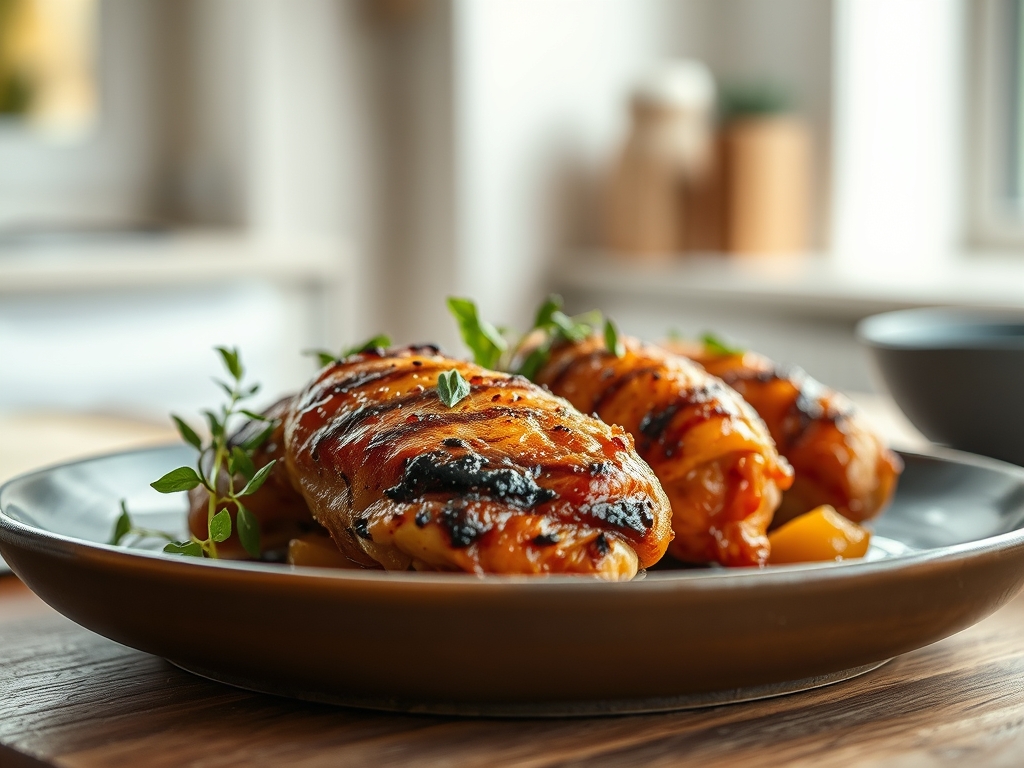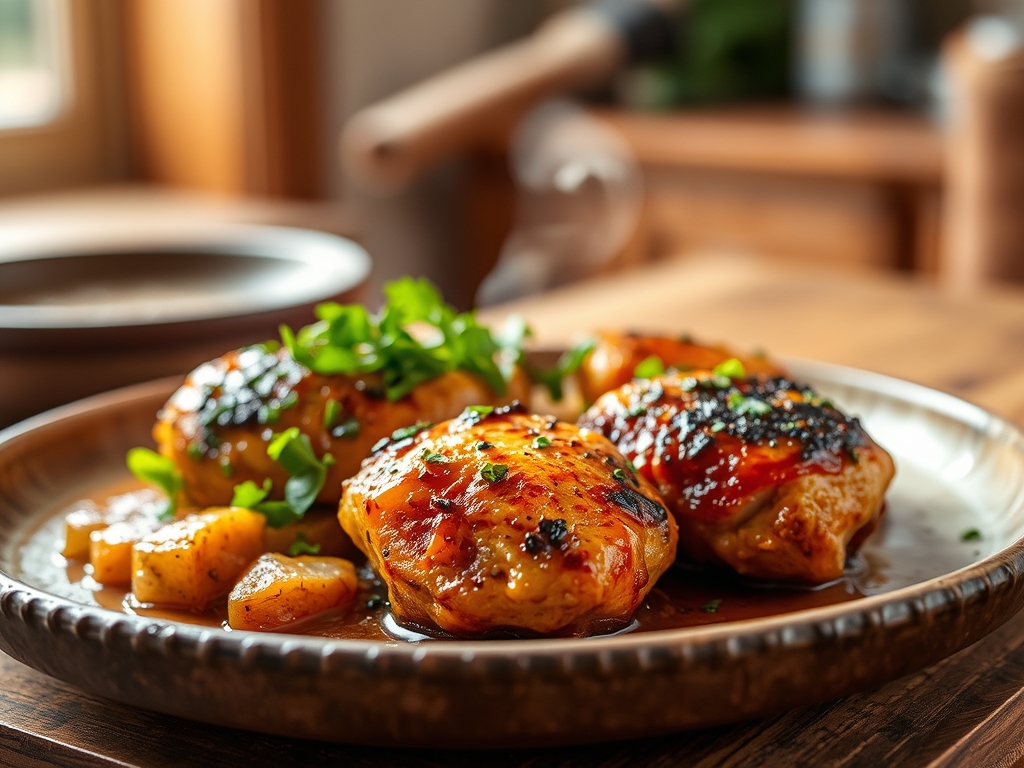
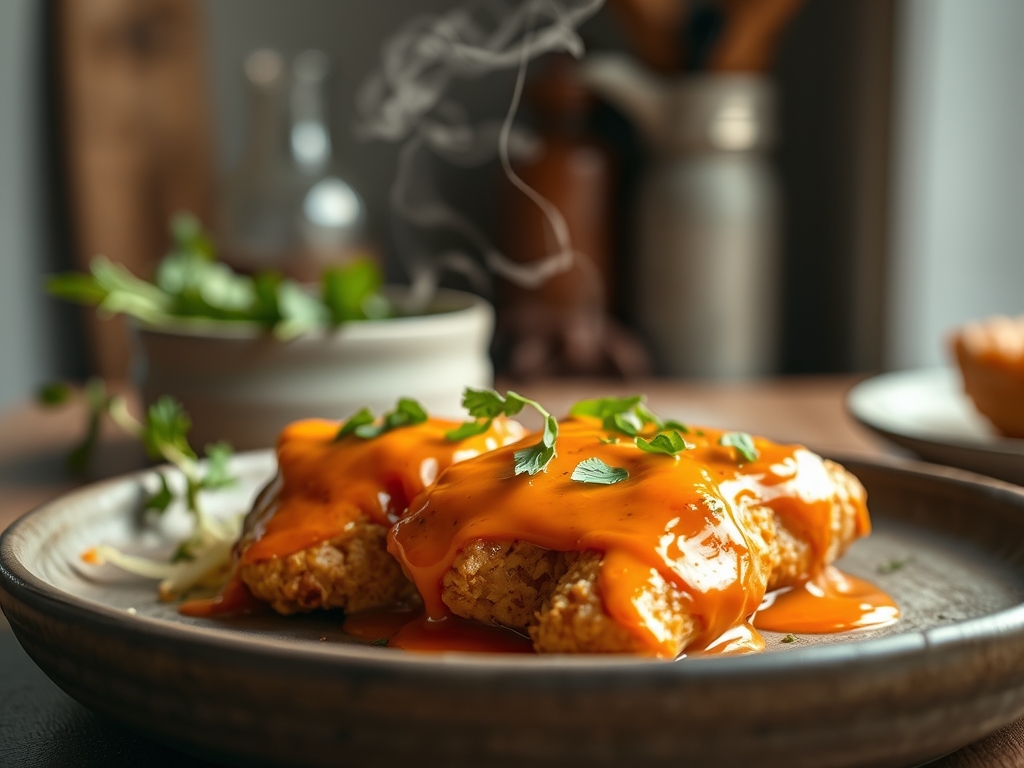
Imagine the sharp, piquant scent of cayenne pepper hitting a hot, heavy-bottomed skillet; it is a sensory wake-up call that promises heat, acid, and pure comfort. We have all been there, craving that signature tang but wanting to skip the heavy, butter-laden guilt that usually follows a basket of wings. The secret to mastering buffalo chicken recipes healthy enough for your daily rotation lies in the chemistry of the sauce and the precision of the cook. We are moving beyond deep fryers and embracing techniques that lock in moisture while maximizing that addictive, vinegar-forward punch. Whether you are prepping for a busy week or hosting a game night, these seven variations will transform your kitchen into a high-end bistro. We are talking about succulent shredded breasts, charred thighs, and crispy air-fried bites that satisfy every craving without the inflammatory oils. It is time to redefine what "healthy" tastes like by using bold spices and smart techniques to create a meal that feels like a total indulgence.
The Gathers:
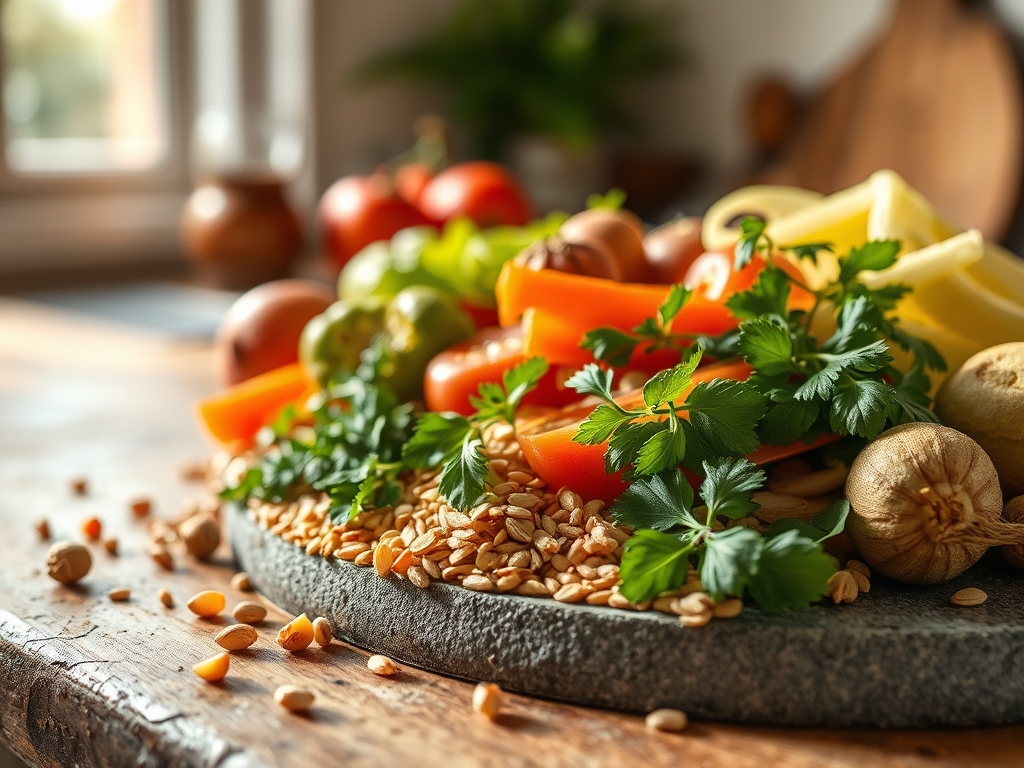
To execute these buffalo chicken recipes healthy and flawlessly, your mise-en-place must be tight. Start with high-quality protein; lean chicken breasts or boneless, skinless thighs work best. You will need a viscous hot sauce, preferably one where aged cayenne is the primary ingredient. Instead of the traditional half-pound of butter, we are utilizing emulsification to create a creamy mouthfeel. Grab your microplane to zest fresh lemons and grate garlic into a fine paste; this increases the surface area, allowing the aromatic oils to infuse the sauce more deeply.
Smart Substitutions are your best friend here. Swap ranch dressing for a Greek yogurt base aerated with fresh dill and chives to provide a probiotic boost. Replace breadcrumbs with almond flour or crushed pork rinds for a keto-friendly crunch that offers a superior Maillard reaction without the refined carbs. You will also need a high-smoke-point oil like avocado oil to render any fat and achieve a golden crust. Ensure your digital scale is ready; precision in protein weight ensures your macros stay on track while your seasoning ratios remain balanced.
The Clock
Efficiency in the kitchen is all about the "Chef's Flow." Most of these recipes require a 15-minute prep window and a 20-minute cook time. The flow starts with your "cold prep" (chopping vegetables and mixing the sauce) before moving to "hot prep" (searing or roasting). By the time your chicken is resting, your kitchen should already be half-cleaned. Using a bench scraper to clear your cutting board between tasks keeps your workspace organized and prevents cross-contamination. Total time from fridge to table is typically 35 to 45 minutes, making these perfect for high-octane weeknights.
The Masterclass
1. The Sear and Deglaze
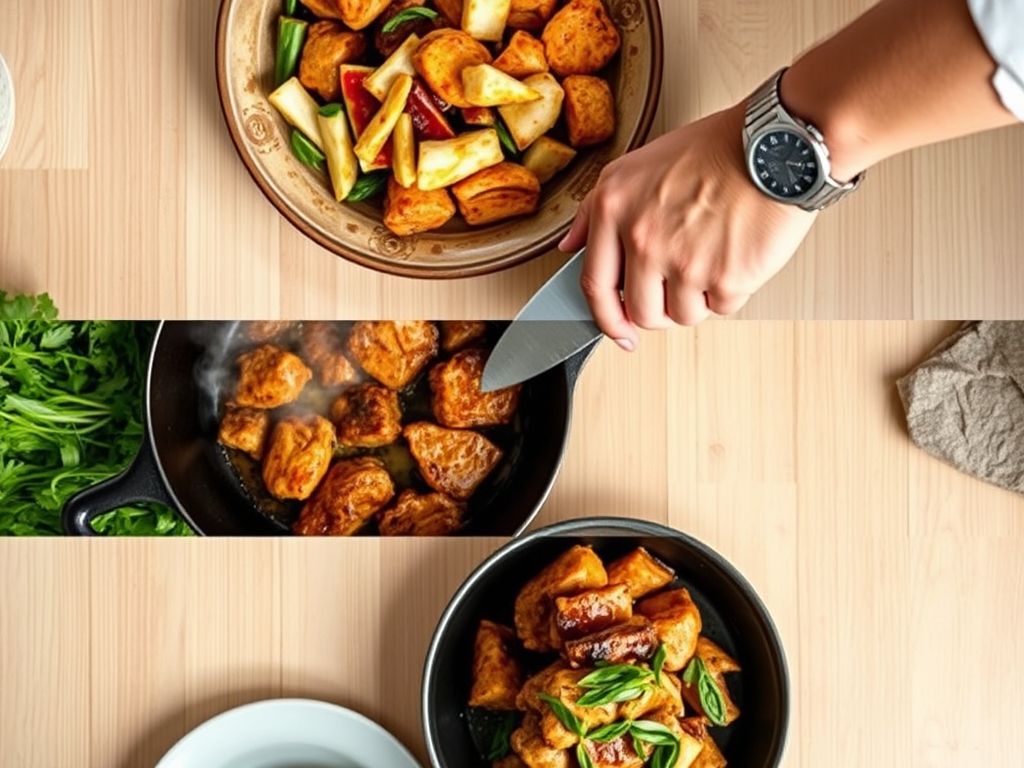
Start by heating your heavy-bottomed skillet over medium-high heat. Season the chicken generously with sea salt and smoked paprika. Once the oil shimmers, lay the chicken away from you to avoid splashes. Let it sit undisturbed for four minutes to develop a deep brown crust.
Pro Tip: This is known as the Maillard reaction, where amino acids and reducing sugars rearrange to create hundreds of flavor compounds. Do not crowd the pan, or you will steam the meat instead of searing it.
2. The Emulsified Buffalo Reduction
While the chicken cooks, whisk your hot sauce with a small amount of ghee or grass-fed butter in a saucier. Add a splash of apple cider vinegar to brighten the acidity. Slowly whisk in a dollop of Greek yogurt over low heat to create a stable emulsion.
Pro Tip: Emulsification is the process of combining two liquids that usually do not mix. Keeping the heat low prevents the yogurt proteins from denaturing and "breaking" the sauce into a grainy mess.
3. The Gentle Shred
If you are making buffalo chicken salad or wraps, move the cooked chicken to a wooden board. Use two forks or a stand mixer with the paddle attachment to shred the meat while it is still warm.
Pro Tip: Shredding while warm utilizes thermal carryover to keep the fibers pliable. If the meat cools completely, the proteins tighten, making it harder to pull apart and less likely to absorb the sauce.
4. The High-Heat Roast
For crispy buffalo bites, toss your seasoned chicken cubes in a light coating of cornstarch or arrowroot powder. Arrange them on a wire rack set over a baking sheet to allow 360-degree airflow.
Pro Tip: The wire rack prevents the bottom of the chicken from sitting in its own juices. This facilitates evaporative cooling on all sides, resulting in a crunchier exterior without the need for deep frying.
5. The Infused Finish
Once the chicken is cooked, toss it in your prepared sauce. Use tongs to ensure every crevice is coated. Let the chicken sit in the sauce for two minutes before serving.
Pro Tip: This resting period allows the sauce to osmose into the outer layers of the meat. It ensures that the flavor is not just on the surface but integrated into the bite.
The Deep Dive
When we look at the macro nutrition, these buffalo chicken recipes healthy profile is impressive. A standard serving provides roughly 35 grams of protein with less than 10 grams of fat, depending on your choice of "creamy" element. For those with dietary restrictions, the swaps are seamless. Vegan enthusiasts can substitute cauliflower florets or oyster mushrooms, using a tahini-based buffalo sauce for that essential richness. Keto followers should lean into the chicken thighs and use avocado oil mayo as the sauce base.
The Fix-It: Technical Pitfalls
- The Sauce is Too Thin: If your sauce is watery, whisk in a tiny pinch of xanthan gum or a cornstarch slurry. This increases the viscosity without changing the flavor profile.
- The Chicken is Dry: You likely bypassed the rest period. Always allow meat to rest for five minutes so the internal juices redistribute.
- The Spice is Overwhelming: Do not add water. Instead, add a teaspoon of honey or maple syrup. The sugar molecules compete with the capsaicin for your taste receptors, dulling the "burn" without losing the flavor.
Meal Prep Science
To maintain "day-one" quality, store the sauce and chicken separately if possible. When reheating, avoid the microwave if you want to keep the texture. Use a toaster oven or a dry skillet to preserve the sear. If you must microwave, add a damp paper towel over the container to create a steam chamber, preventing the proteins from becoming rubbery.
The Wrap-Up
Mastering buffalo chicken recipes healthy enough for your lifestyle is a game-changer for your meal prep routine. By focusing on the science of emulsification and the beauty of a perfect sear, you can enjoy those bold, spicy flavors every single day. Remember to use your tools wisely; that heavy-bottomed skillet and digital scale are the difference between a mediocre meal and a culinary masterpiece. Now, go grab your apron and get that sauce simmering. Your taste buds (and your fitness goals) will thank you.
The Kitchen Table
How do I keep healthy buffalo chicken from getting dry?
Always use a meat thermometer to pull the chicken at 160 degrees Fahrenheit. The thermal carryover will bring it to a safe 165 degrees while it rests, ensuring the internal juices remain trapped within the protein fibers.
What is the best way to thicken a healthy buffalo sauce?
Avoid heavy flours. Instead, use a slow reduction method or whisk in a tablespoon of cold grass-fed butter or Greek yogurt at the very end. This creates a glossy, viscous coating that clings perfectly to the meat.
Can I make these recipes in an air fryer?
Yes. The air fryer excels at mimicking the deep-fryer by using rapid convection. Lightly spray your chicken with avocado oil to facilitate the Maillard reaction, ensuring a crispy, golden-brown exterior without the excess calories of traditional frying.
Is buffalo sauce actually healthy?
Standard vinegar-based hot sauce is very low in calories and contains capsaicin, which can boost metabolism. The "unhealthy" part is usually the added butter. By using Greek yogurt or small amounts of ghee, you keep the flavor profile clean.