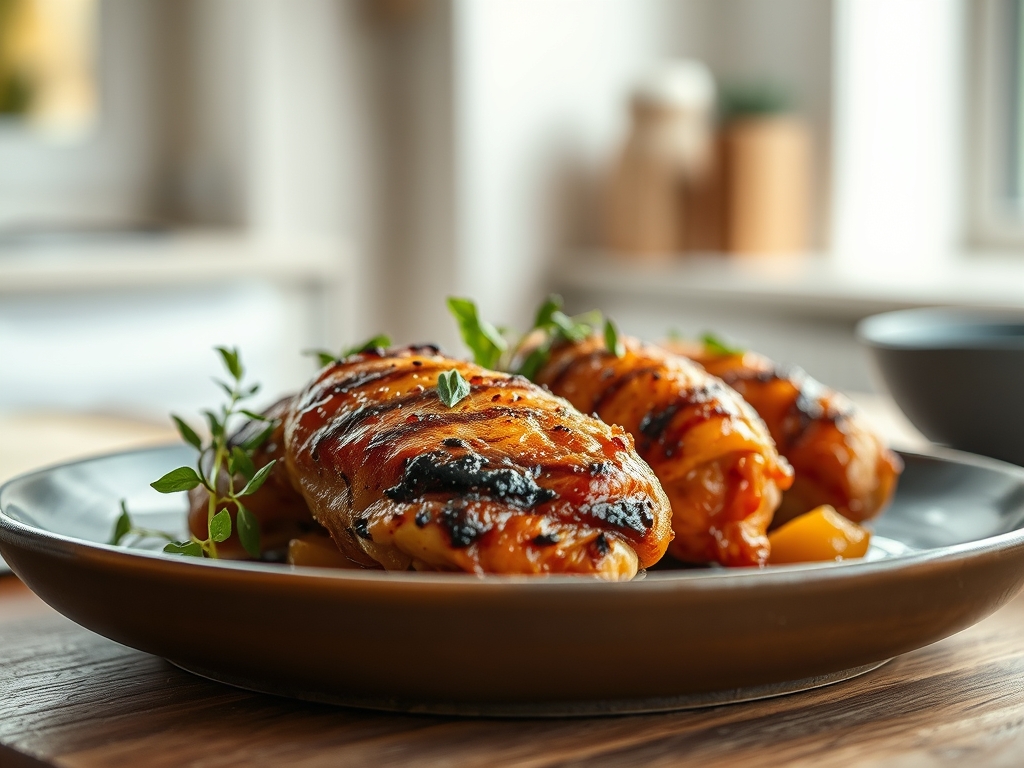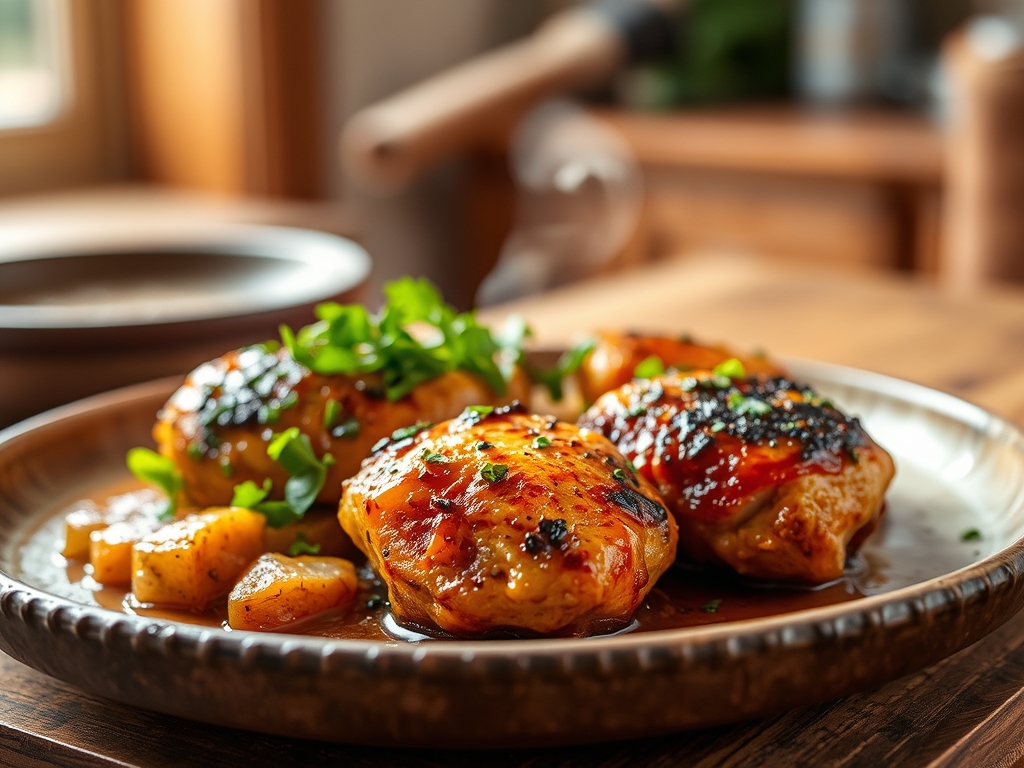
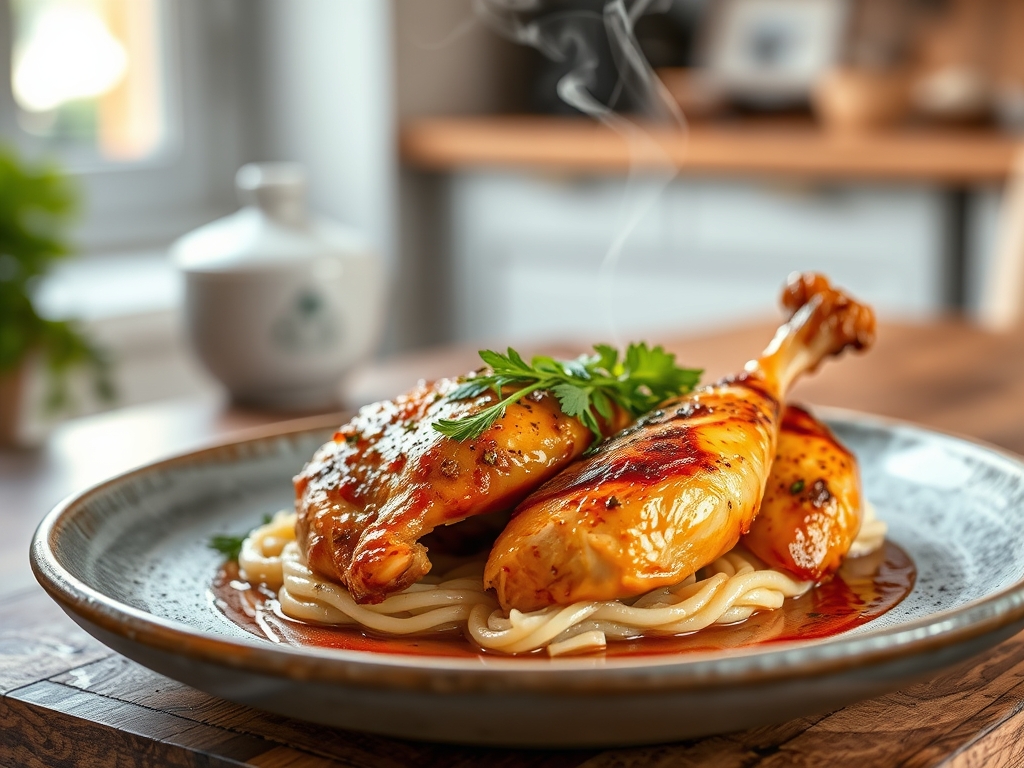
Picture the scene: your doorbell rings and the air in your foyer is thick with the scent of toasted garlic and sizzling poultry fat. We have all been there, scrolling through endless chicken recipes from pinterest while our stomachs growl, looking for that one dish that balances elegance with effortless execution. Hosting is an art form, but feeding people is a science. When you serve a tray of perfectly browned chicken appetizers, you are not just providing a snack; you are orchestrating a sensory experience built on the foundations of heat transfer and salt concentration. Today, we are moving beyond the basic wing and diving into eight sophisticated bites that will make your guests think you have a secret culinary degree. We are talking about crisp textures, piquant glazes, and succulent centers that stay juicy long after the first round of drinks.
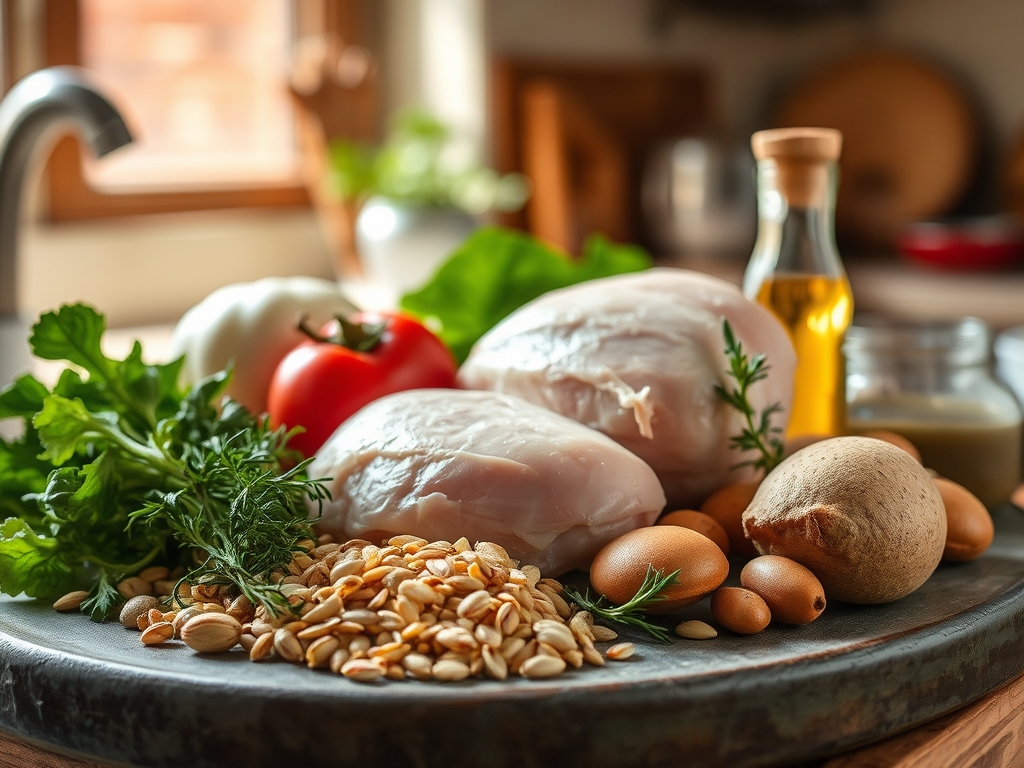
The Gathers:
Before we light a single burner, we must respect the mise-en-place. Our primary protein should be high-quality chicken thigh meat for its superior fat content and resistance to drying out, though breast meat works if we use a brining technique. You will need a digital scale to ensure your portions are uniform, which guarantees even cooking across the tray. Our flavor profile relies on aromatics like ginger and scallions, alongside viscous binders like Greek yogurt or egg whites to help our coatings adhere.
For the "Smart Substitutions," if you find yourself without cornstarch for that signature crunch, potato starch is actually a superior alternative because it has a lower gelatinization temperature. If you need a dairy-free swap for creamy fillings, use a cashew-based cream to maintain the mouthfeel without sacrificing the richness. Always keep a microplane handy to zest citrus directly over the finished plates; those volatile oils provide a bright, high-note finish that cuts through the savory depth of the meat.
The Clock
Efficiency in the kitchen is all about the "Chef's Flow." For these eight appetizers, expect a total prep time of 45 minutes and a staggered cook time of about 20 minutes per batch. The secret to not losing your mind is parallel processing. While your chicken marinates, use a bench scraper to clear your board and prep your garnishes.
The "Chef's Flow" dictates that you should always perform high-moisture tasks last. Do not chop your herbs until the very end to prevent enzymatic browning and loss of color. If you are frying, remember that oil recovery time is the silent killer of texture. Always wait for your heavy-bottomed skillet to return to 350 degrees Fahrenheit between batches, or you will end up with greasy, soggy bites rather than a crisp exterior.
The Masterclass
1. The Brine and Prep
Start by submerging your bite-sized chicken pieces in a 6 percent salt solution. This process, known as osmosis, draws moisture into the muscle fibers, ensuring the meat remains tender even under high heat. Use your tongs to move the meat into the solution without splashing.
Pro Tip: This works because salt denatures the protein strands, creating a matrix that traps water molecules. This prevents the "squeeze-out" effect that happens when proteins contract during cooking.
2. The Sear and Maillard Reaction
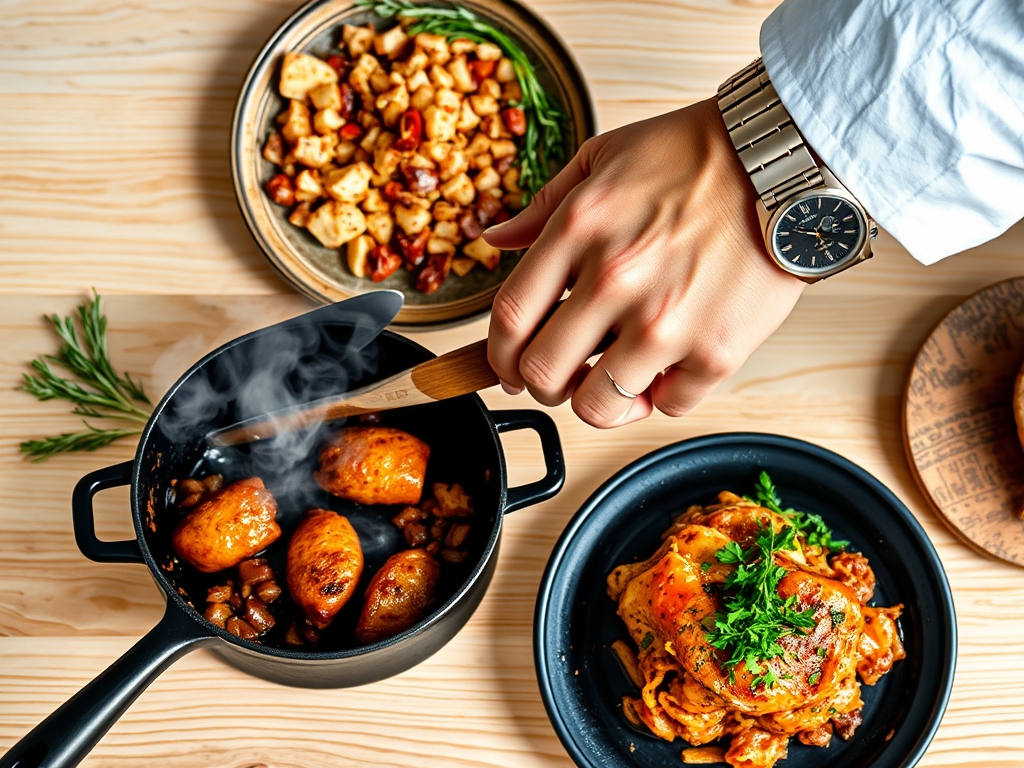
Heat a heavy-bottomed skillet until it is shimmering. Pat your chicken bone-dry with paper towels before adding it to the pan. If the surface is wet, the energy from the pan will go toward evaporating water rather than browning the meat.
Pro Tip: The Maillard reaction occurs between 280 and 330 degrees Fahrenheit. It is a chemical reaction between amino acids and reducing sugars that creates hundreds of different flavor compounds.
3. The Deglaze and Infuse
Once you have a golden crust, remove the chicken and pour off excess fat. Add a splash of white wine or stock to the pan. Use a wooden spoon to scrape up the fond, which are those caramelized bits stuck to the bottom.
Pro Tip: This is called deglazing. The liquid acts as a solvent, lifting the concentrated flavor molecules and incorporating them into a piquant sauce that coats the chicken.
4. The Emulsified Glaze
In a small saucier, whisk together honey, soy sauce, and a cold fat source like butter. Whisk vigorously to create a stable emulsion where the fat is suspended in the liquid.
Pro Tip: Cold butter contains water and milk solids that help stabilize the sauce. If the butter is too hot, the fat will separate, leaving you with an oily mess instead of a velvety glaze.
5. The Aerated Coating
For fried options, whisk your batter until it is light and full of bubbles. Using chilled sparkling water in your batter provides carbon dioxide, which creates tiny air pockets.
Pro Tip: These air pockets expand rapidly when they hit hot oil, creating a light, shatteringly crisp crust. This is the science behind why tempura is so much lighter than standard breading.
6. The Thermal Finish
Transfer your appetizers to a wire rack set over a baking sheet. This allows air to circulate around the entire piece, preventing the bottom from becoming soggy.
Pro Tip: Thermal carryover means the internal temperature will continue to rise by 5 to 10 degrees after you remove the chicken from the heat. Pull the chicken at 160 degrees to reach a perfect 165 degrees on the plate.
7. The Aromatic Garnish
Use your microplane to grate fresh horseradish or lemon zest over the chicken just before serving. The heat from the meat will slightly warm the oils, releasing a fresh scent.
Pro Tip: Volatile organic compounds are responsible for aroma. By adding them at the end, you ensure they reach the guest's nose before they dissipate into the kitchen air.
8. The Plating Balance
Arrange your eight varieties on a warm platter. Use a squeeze bottle to apply precise dots of sauce. This prevents the chicken from sitting in liquid, which would compromise the texture you worked so hard to achieve.
Pro Tip: Texture is a sensory perception. The contrast between a crunchy exterior and a soft, juicy interior triggers a "hedonic response" in the brain, making the food more satisfying.
The Deep Dive
From a macro perspective, these chicken appetizers are protein powerhouses. On average, each bite provides about 6 grams of protein and 4 grams of fat. To make these Keto-friendly, swap the flour in your coatings for almond meal or crushed pork rinds. For a Gluten-Free version, tamari is a perfect substitute for soy sauce, and rice flour provides an even crunchier finish than wheat flour.
"The Fix-It" guide for common pitfalls:
- Rubbery Chicken: This is caused by overcooking. Use a digital thermometer to pull the meat as soon as it hits the safety threshold.
- Soggy Breading: Your oil was likely too cool. Ensure you are using a thermometer to maintain a steady 350 degrees.
- Bland Flavor: You likely forgot to season the flour or batter. Every layer of your dish needs salt to enhance the existing flavors.
For meal prep, reheating is a delicate operation. Do not use a microwave; it vibrates water molecules, which turns crispy coatings into mush. Instead, use an air fryer or a toaster oven at 375 degrees for 4 minutes. This "re-fries" the surface fat, restoring that day-one crunch.
The Wrap-Up
Hosting should be as much fun for you as it is for your guests. By mastering these eight chicken appetizers, you are not just following chicken recipes from pinterest; you are applying culinary logic to create unforgettable bites. Remember that the best kitchen tool you own is your own curiosity. Experiment with different spices, trust your heavy-bottomed skillet, and never underestimate the power of a good brine. Now, go pour yourself a glass of wine and get to cooking; your guests are waiting!
The Kitchen Table
How do I keep chicken appetizers warm for a party?
Place them on a wire rack inside a baking sheet in a 200 degree oven. The rack allows air to circulate, preventing the bottom from getting soggy while maintaining a safe internal temperature without overcooking the meat.
Can I prep these chicken recipes 24 hours in advance?
Yes, you can marinate the meat and prep all sauces a day early. However, do not apply the final breading or fry the chicken until shortly before serving to ensure the texture remains crisp and the crust stays intact.
Why is my fried chicken appetizer greasy?
Greasy chicken usually results from oil that is not hot enough. When the oil temperature drops, the batter absorbs the fat rather than instantly vaporizing the surface moisture to create a protective, crispy steam barrier.
What is the best way to cut chicken for uniform bites?
Partially freeze the chicken for 20 minutes before slicing. This firms up the muscle fibers, allowing you to use a sharp chef knife or bench scraper to create perfectly even cubes that will cook at the same rate.