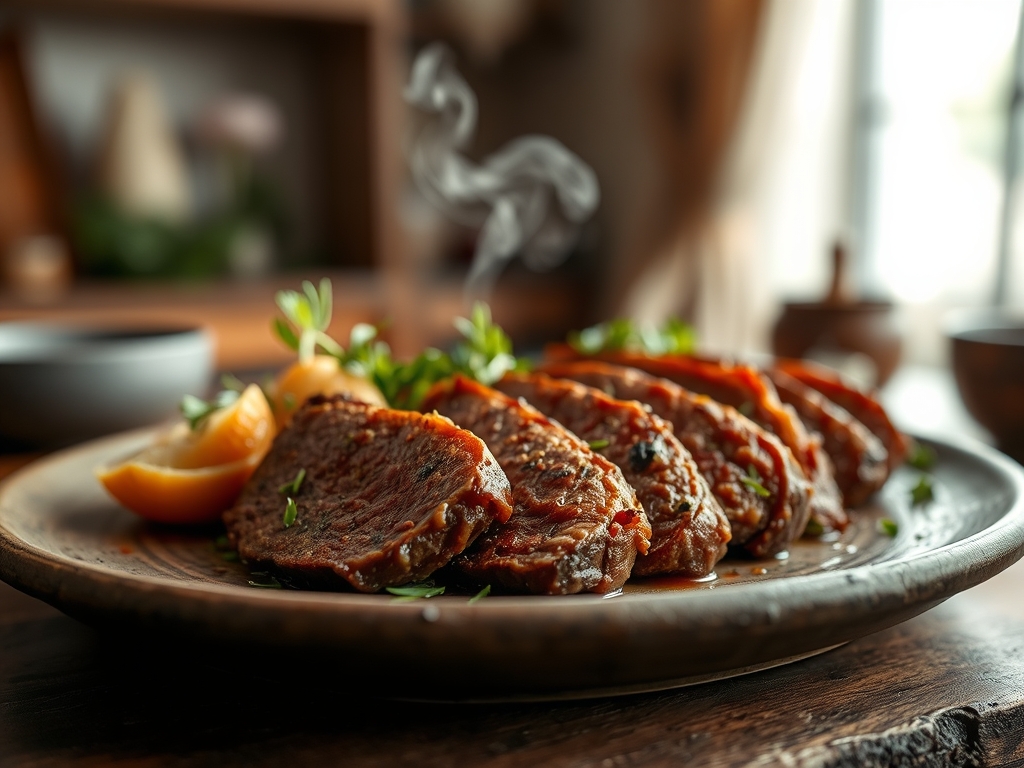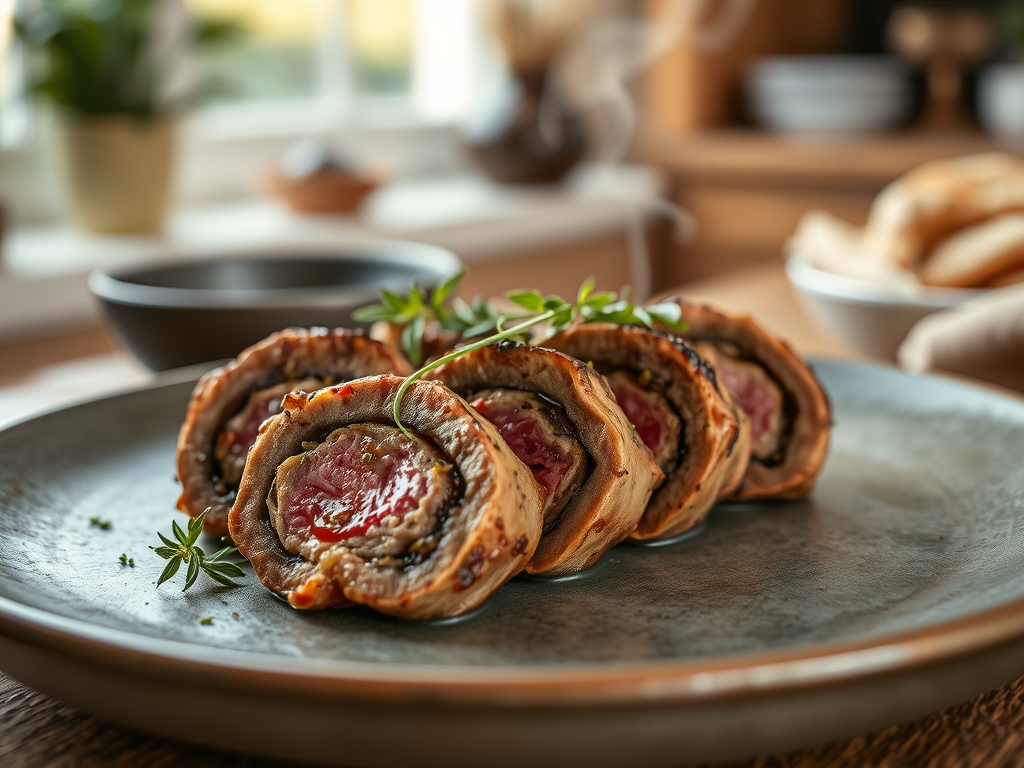
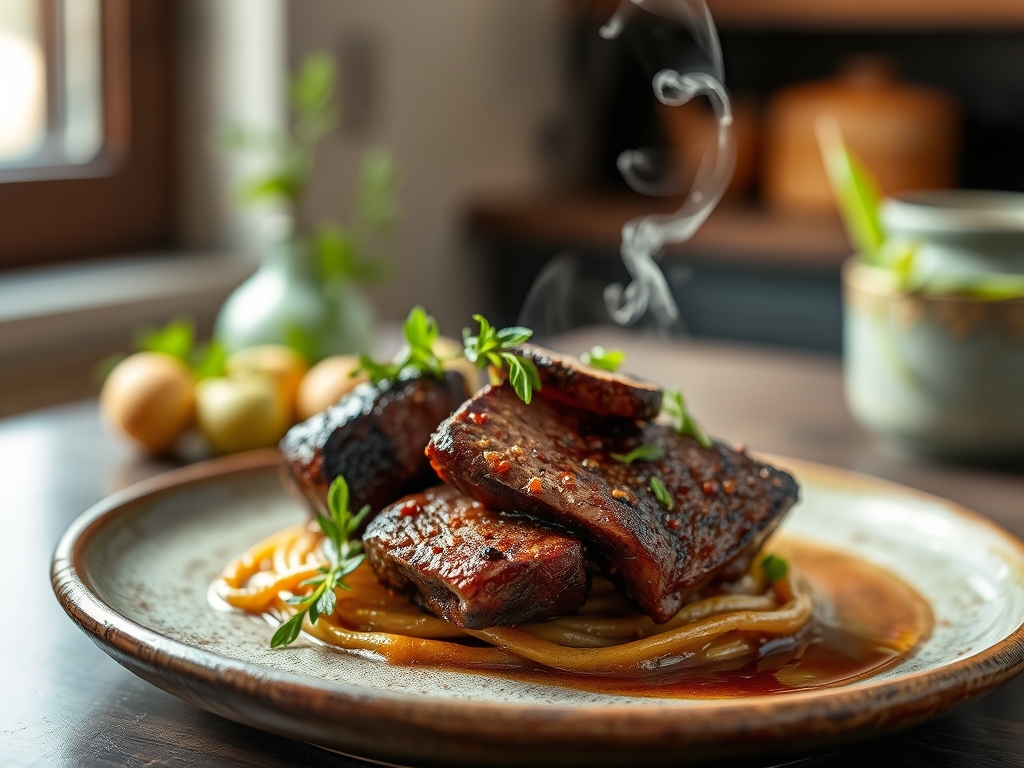
Imagine the sound of a heavy bottomed skillet meeting high heat; it is a rhythmic, aggressive sizzle that signals the start of something spectacular. When you master short plate beef recipes, you are essentially harnessing the power of intramuscular fat and connective tissue to create a dining experience that rivals the finest steakhouses. This cut is the unsung hero of the bovine world.
Located right below the rib, the short plate is a marbled masterpiece. It is the source of your favorite skirt steaks and short ribs, offering a depth of flavor that leaner cuts simply cannot replicate. Because this muscle works hard, it is packed with collagen. When treated with the right thermal application, that collagen transforms into silky gelatin, coating your palate in a rich, savory embrace. We are going to explore eight distinct ways to transform this primal cut into juicy, tender perfection. Whether you are aiming for a flash sear or a low and slow braise, the science remains the same: respect the fat, manage the heat, and always slice against the grain.
The Gathers:
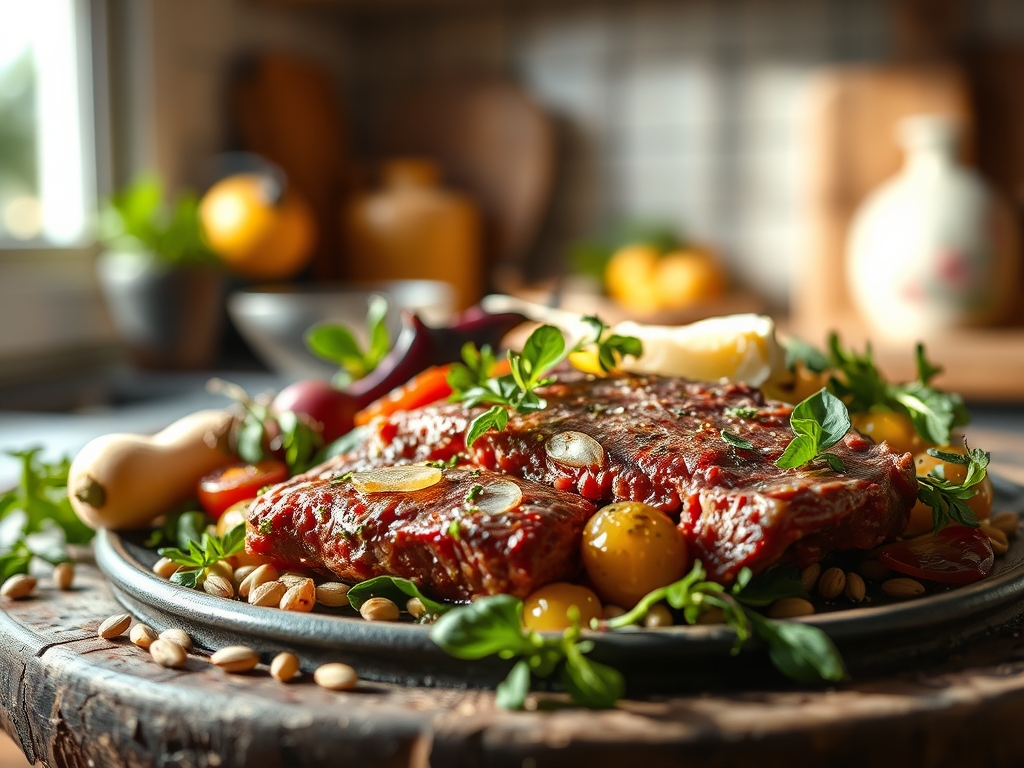
Before we fire up the range, your mise-en-place must be impeccable. Short plate beef is inherently viscous due to its high lipid content, so your supporting ingredients need to provide acidity and brightness to achieve a balanced flavor profile. Start with high quality short plate, ideally sliced to your specific recipe needs. You will need a coarse abrasive like kosher salt to penetrate the dense muscle fibers and a high smoke point oil like avocado or grapeseed oil for searing.
Your aromatic kit should include fresh garlic cloves, sprigs of rosemary, and perhaps some piquant elements like ginger or scallions if you are leaning toward an Asian flavor profile. For deglazing, keep a bottle of dry red wine or a fortified beef bone broth nearby. Professional tools are non-negotiable here: a sharp chef knife for precision, a digital scale to ensure portion consistency, and a microplane for zesting citrus or grating aromatics directly into your pans.
Smart Substitutions: If you cannot find short plate at your local butcher, flank steak or brisket point are your best structural alternatives. For a lighter version, you can substitute the heavy fats with a touch of toasted sesame oil, though you must be careful with the heat to avoid scorching the delicate oils. If you are avoiding alcohol, a splash of verjus or apple cider vinegar provides the necessary acidity to cut through the richness without the wine base.
The Clock:
Efficiency in the kitchen is about understanding the "Chef's Flow." For these short plate beef recipes, your total time will vary wildly based on the technique. A high heat stir fry or "Bulgogi" style sear takes roughly 15 minutes of active cooking, while a traditional braise requires a 3 to 4 hour investment.
Prep time usually clocks in at 20 minutes; this includes trimming silver skin and chilling the meat for easier slicing. The "Flow" dictates that you should prepare your cold sauces and garnishes while the meat is resting. Never skip the rest phase. Resting allows the internal temperature to stabilize and the juices to redistribute, ensuring that the moisture stays in the meat rather than spilling onto your cutting board.
The Masterclass:
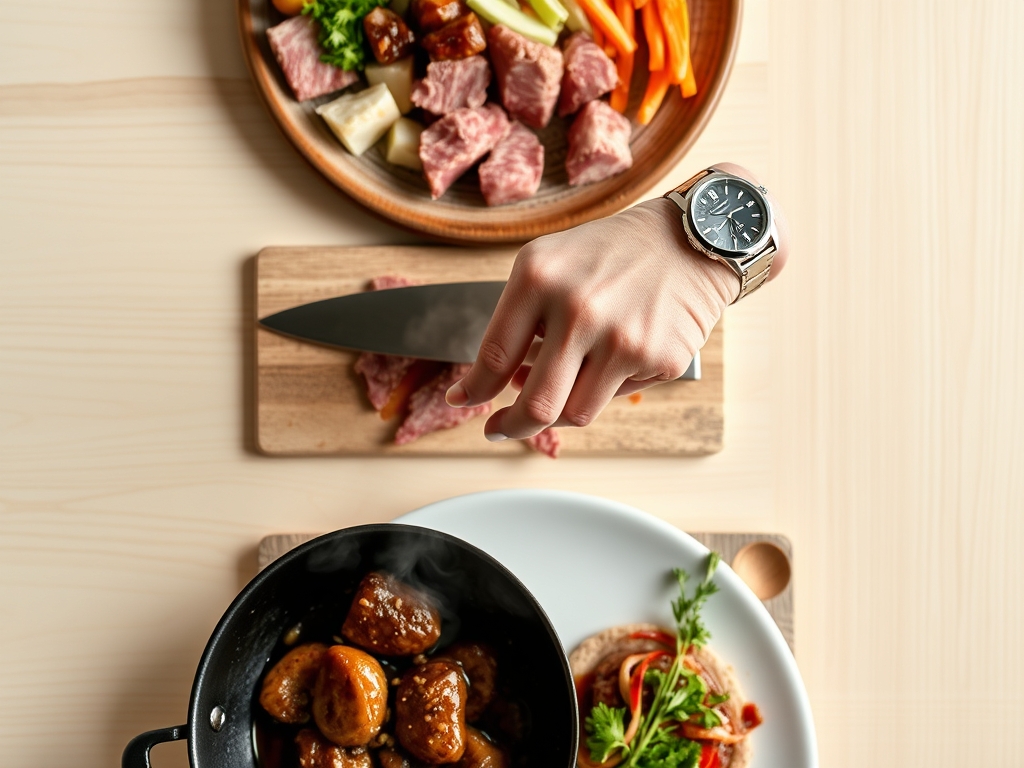
1. The High Heat Flash Sear
Thinly slice the beef across the grain. Heat your heavy bottomed skillet until the oil shimmers. Add the beef in a single layer, ensuring you do not crowd the pan. This prevents steaming and encourages the Maillard reaction. Use your tongs to flip the pieces once a deep mahogany crust forms.
Pro Tip: This technique relies on thermal conductivity. By keeping the pan surface hot and the meat dry, you maximize the browning of amino acids and sugars, creating that signature savory "umami" crust.
2. The Low and Slow Braise
Cube the short plate and sear the exterior. Transfer to a saucier with aromatics and enough liquid to cover the meat halfway. Cover tightly and simmer at a low temperature. The goal is to break down the tough connective tissues without drying out the muscle fibers.
Pro Tip: This process is all about collagen hydrolysis. At approximately 160 degrees Fahrenheit, tough collagen begins to convert into succulent gelatin, which provides the meat with its "juicy" mouthfeel.
3. The Sous Vide Precision
Vacuum seal the beef with aromatics and submerge in a water bath set to 135 degrees Fahrenheit for 24 to 48 hours. This method offers unparalleled control over the texture, resulting in a "steak-like" consistency for a traditionally tough cut.
Pro Tip: Long duration cooking at low temperatures utilizes enzymatic tenderization. Natural enzymes within the meat work over time to soften fibers without the risk of overcooking the proteins.
4. The Classic Stir Fry
Using a wok, toss marinated strips of short plate over extreme heat. The high surface area of the wok allows for rapid evaporation of moisture, concentrating the flavors. Use a bench scraper to keep your workspace clean as you prep vegetables in rapid succession.
Pro Tip: The "Wok Hei" or "breath of the wok" occurs when oil droplets are atomized in the air, creating a subtle smoky flavor through partial combustion and rapid caramelization.
5. The Smoked Short Plate
Rub the beef with a dry spice blend and smoke at 225 degrees Fahrenheit. This is the ultimate test of patience. The smoke must be thin and blue to avoid a bitter creosote flavor.
Pro Tip: The "smoke ring" is a chemical reaction between carbon monoxide and myoglobin. It does not add flavor, but it is a visual hallmark of well executed barbecue science.
6. The Korean BBQ Style (Bulgogi)
Marinate very thin slices in a mixture of pear puree, soy sauce, and sesame oil. The pear contains calpain, an enzyme that helps tenderize the meat. Grill quickly over charcoal for a charred, sweet finish.
Pro Tip: Proteolytic enzymes in the pear break down the meat's structure on a molecular level, making even the toughest fibers incredibly tender in a short amount of time.
7. The Confit Method
Submerge the beef in rendered beef tallow or duck fat and cook at a very low temperature in the oven. This creates an incredibly rich, melt-in-your-mouth texture that is preserved by the fat cap.
Pro Tip: Fat is a poor conductor of heat compared to water. This insulative cooking ensures the meat never reaches a temperature high enough to toughen the proteins.
8. The Pressure Cooker Shortcut
For those in a rush, the pressure cooker uses high atmospheric pressure to raise the boiling point of water, cooking the beef in about 45 minutes. It mimics the results of a long braise in a fraction of the time.
Pro Tip: Increased pressure forces moisture into the fibers, accelerating the breakdown of connective tissue while preventing the liquid from boiling away.
The Deep Dive:
From a nutritional standpoint, short plate beef is a powerhouse of B vitamins, zinc, and iron. However, it is high in saturated fats. If you are following a Keto lifestyle, this cut is your best friend. For those seeking Gluten-Free options, simply swap soy sauce for tamari or coconut aminos in your marinades. Vegan friends can replicate the texture using oyster mushrooms or seitan, though the fat rendering science will differ.
The Fix-It:
- Tough Meat: You likely cut with the grain. Always slice perpendicular to the muscle fibers to shorten them.
- Greasy Sauce: Your emulsion broke. Use a whisk to vigorously incorporate a cold knob of butter or a splash of water to re-emulsify the fats.
- Gray Meat: The pan was too crowded. Sear in smaller batches to maintain high surface tension and heat.
Meal Prep: To reheat short plate beef without losing quality, use a "low and slow" approach. Reheating in a microwave can turn the fat rubbery. Instead, place the beef in a covered skillet with a tablespoon of water or broth over low heat to gently re-hydrate the proteins.
The Wrap-Up:
Mastering short plate beef recipes is like learning a new language; once you understand the grammar of fat and heat, the possibilities are endless. This cut is forgiving, flavorful, and incredibly versatile. Whether you are hosting a backyard BBQ or a sophisticated dinner party, the key is to embrace the science of the sear and the patience of the braise. Now, grab your tongs and get cooking!
The Kitchen Table:
What is the best way to tenderize short plate beef?
The most effective way is through long, slow braising or using an enzymatic marinade like pear or pineapple. Slicing the meat very thinly against the grain also mechanically tenderizes the cut by shortening the muscle fibers.
Can I use short plate beef for burgers?
Absolutely. Because of its high fat-to-lean ratio (often around 70/30), short plate makes incredibly juicy and flavorful burger patties. Grind it fresh and keep the meat cold to prevent the fat from melting before it hits the grill.
Why is my short plate beef chewy?
Chewiness usually results from undercooking the connective tissue or cutting with the grain. Ensure you cook the meat long enough for collagen to turn into gelatin, or slice it very thinly across the muscle fibers for fast-cook methods.
How do I store leftover cooked short plate?
Store in an airtight container with some of its cooking juices for up to four days. The liquid prevents the meat from oxidizing and drying out, maintaining that essential moisture for high-quality reheating later in the week.