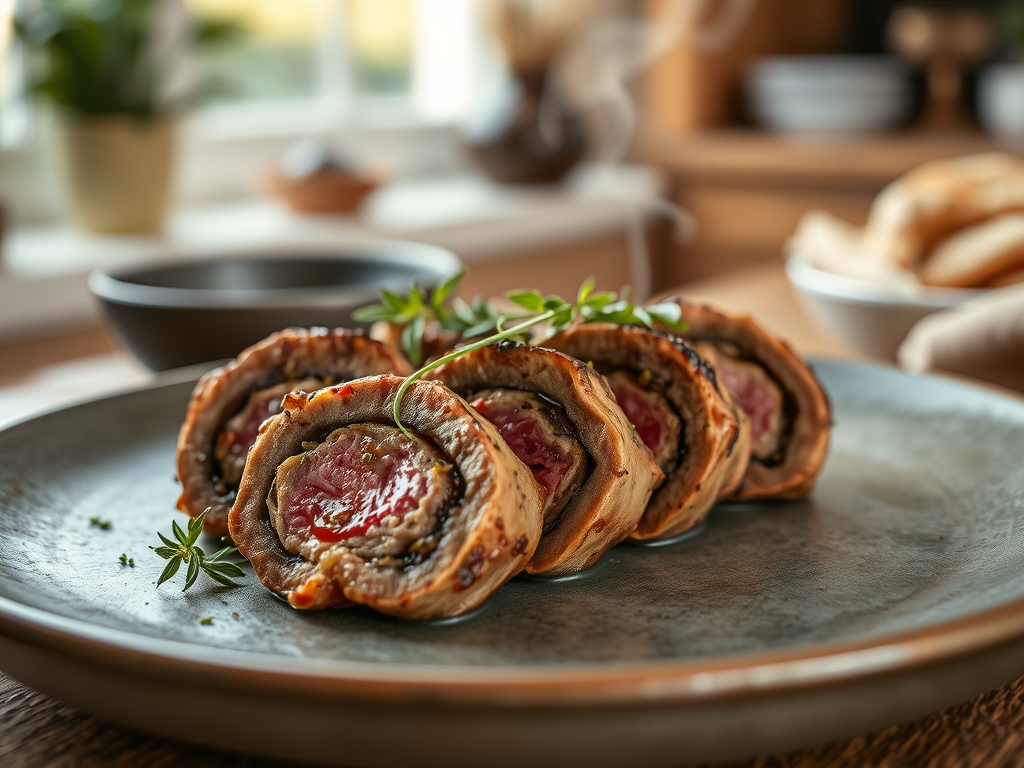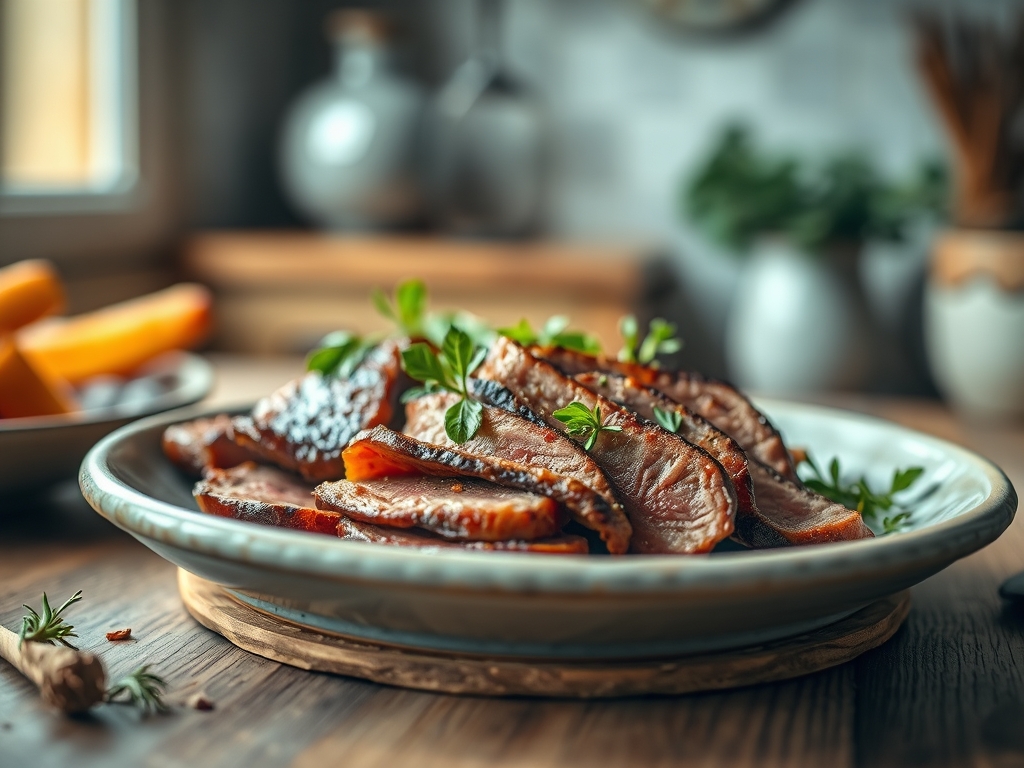
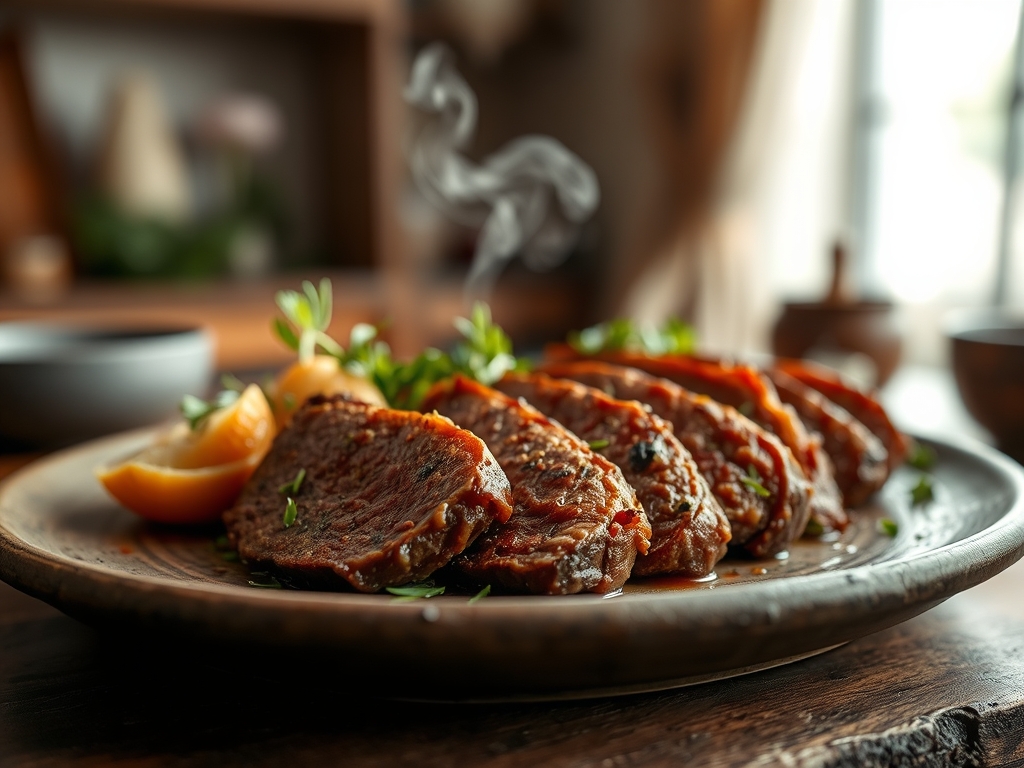
Picture this: a heavy-bottomed skillet screaming with heat as a marbled ribeye hits the surface. The sound is a violent, rhythmic sizzle that immediately fills the room with the intoxicating scent of toasted fat and caramelized proteins. We have all been there; staring at a beautiful piece of meat and praying we do not turn it into expensive leather. Mastering cut beef recipes is not about luck; it is about understanding the molecular dance between heat, moisture, and muscle fiber. Whether you are slicing into a tender stir-fry or carving a slow-roasted brisket, the goal is always a melt-in-your-mouth texture that makes you forget your own name for a second. Today, we are stripping away the mystery and looking at the hard science of the sear. We are going to transform your kitchen into a high-end steakhouse using nine specific hacks that ensure your beef is never anything less than spectacular. From enzymatic breakdowns to the magic of thermal carryover, get ready to level up your culinary game.
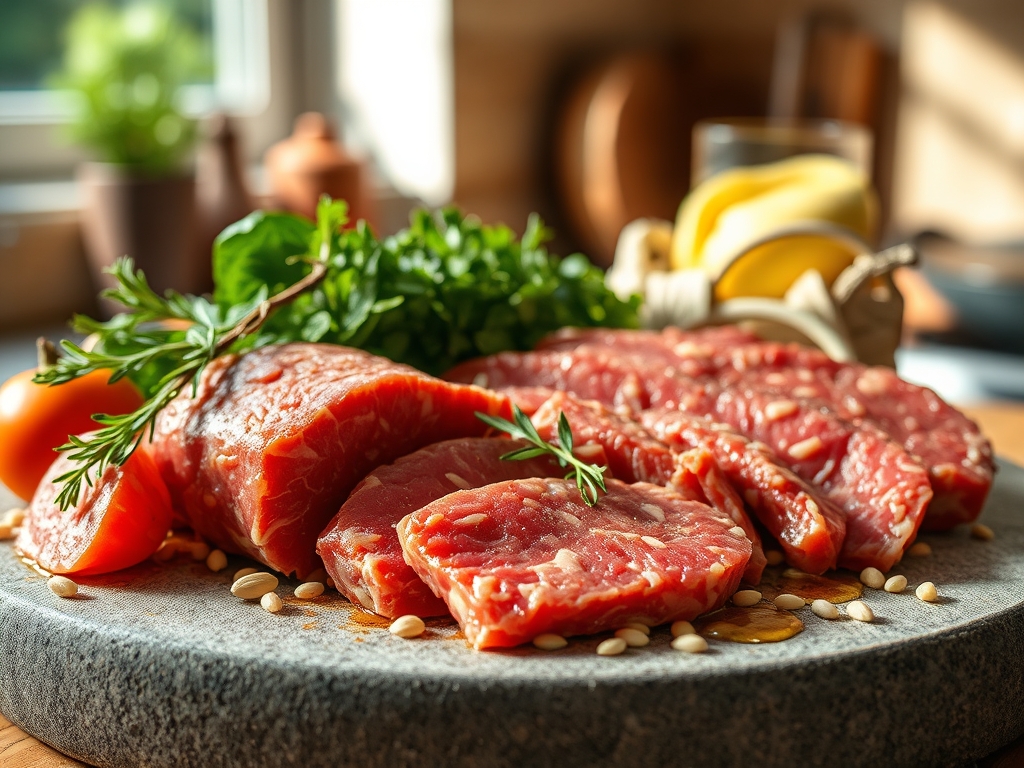
The Gathers:
Before we ignite the burners, we must assemble our toolkit and ingredients with the precision of a chemist. Your mise-en-place is the foundation of flavor. You will need high-quality cuts of beef; think flank, skirt, or ribeye depending on the specific application. The viscous nature of a good marinade requires a balance of fats and acids. Gather cold-pressed oils, aged balsamic or citrus, and aromatics like smashed garlic and woody herbs. For tools, reach for your heavy-bottomed skillet (cast iron is king here), a digital scale for precise portioning, and a pair of sturdy tongs to manipulate the meat without piercing the fibers.
Smart Substitutions: If you lack a traditional acid like lemon juice, a splash of piquant rice vinegar or even a dry white wine can provide the necessary pH drop to begin denaturing the proteins. If you are out of fresh garlic, use a microplane to grate a small amount of shallot into your oil; it provides a similar sulfurous depth with a more delicate finish. For those avoiding soy, coconut aminos offer a rich, umami-heavy profile that mimics the savory depth of traditional fermented sauces without the gluten or soy allergens.
The Clock
Efficiency in the kitchen is what separates a stressed cook from a culinary artist. I call this the "Chef's Flow." For most cut beef recipes, your active prep time will hover around 20 minutes; this includes slicing against the grain and whisking your marinades. However, the "passive" time is where the magic happens. Allow at least 30 minutes for the meat to come to room temperature; this ensures even heat distribution during the sear.
Cooking times vary wildly: a high-heat stir-fry takes a mere 3 to 5 minutes, while a braised cut might need 3 hours of low-intensity heat. The most critical part of the clock is the resting period. You must factor in 10 minutes of rest after cooking. This allows the internal pressure to stabilize, ensuring the juices stay within the meat rather than flooding your cutting board.
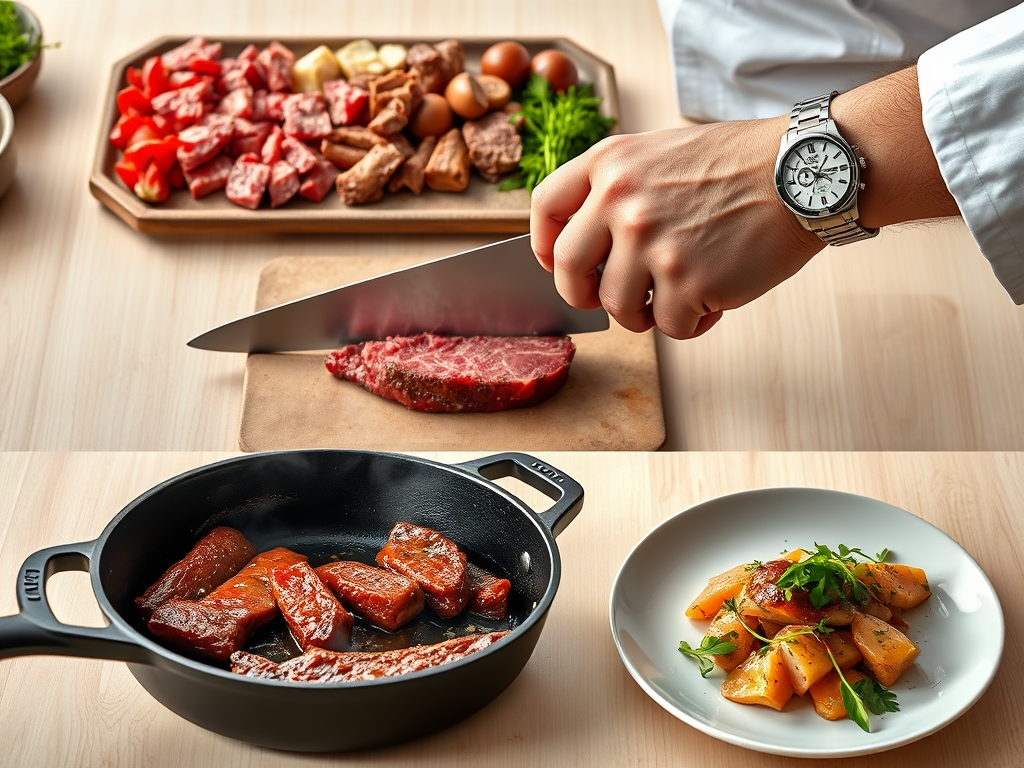
The Masterclass
1. The Room Temp Rule
Never pull beef straight from the fridge and drop it into a hot pan. This creates a massive temperature gradient that results in a grey, overcooked exterior and a cold, raw center. Let your cuts sit on the counter for at least thirty minutes.
Pro Tip: This practice facilitates a more efficient Maillard reaction. When the surface temperature of the meat is closer to the pan temperature, the proteins brown faster, creating that savory crust without overcooking the delicate interior.
2. The Blotting Technique
Moisture is the enemy of the sear. Use a paper towel to aggressively pat the surface of the beef dry before it touches the oil. If the surface is wet, the heat of the pan will be spent evaporating water rather than browning the meat.
Pro Tip: This is basic thermodynamics; water boils at 212 degrees Fahrenheit, but the Maillard reaction requires temperatures above 300 degrees. Drying the meat allows you to bypass the steaming phase entirely.
3. Slicing Against the Grain
Look for the long muscle fibers running through the meat. Always position your knife perpendicular to these lines. By cutting across the "grain," you are mechanically shortening the fibers, making the beef significantly easier to chew.
Pro Tip: This hack is essential for tougher cuts like flank or skirt steak. By reducing the fiber length, you are doing the work your teeth would otherwise have to do, creating a "falsely" tender mouthfeel.
4. The Velvet Treatment
For stir-fry cut beef recipes, use a technique called "velveting." Coat the raw slices in a mixture of cornstarch, oil, and a splash of egg white or baking soda before a quick flash-fry.
Pro Tip: This creates a protective alkaline barrier that prevents the proteins from tightening up and squeezing out their moisture. The result is a silky, tender texture typical of high-end Chinese cuisine.
5. Managing the Saucier
When deglazing your pan to make a pan sauce, use a saucier or a whisk to scrape up the "fond" (the brown bits stuck to the bottom). This is concentrated flavor gold. Use a cold knob of butter at the end to emulsify the sauce.
Pro Tip: Adding cold fat to a hot liquid while whisking creates a stable emulsion. The milk solids in the butter coat the fat droplets, resulting in a glossy, thick sauce that clings to the meat.
6. The Salt Timing
Salt your beef either forty minutes before cooking or immediately before it hits the pan. Salting ten minutes before is a disaster; the salt draws out moisture but does not have enough time to be reabsorbed, leaving the surface wet.
Pro Tip: Given enough time, the salt dissolves the muscle proteins (specifically myosin), allowing the meat to hold onto more moisture during the stressful cooking process.
7. Temperature over Time
Ignore the clock and trust your digital thermometer. For a perfect medium-rare, pull the beef when the internal temperature hits 130 degrees Fahrenheit.
Pro Tip: This accounts for thermal carryover. Even after the meat is removed from the heat, the residual energy continues to cook the center, raising the final temperature by about 5 degrees.
8. Acidic Intervention
Incorporate an acid like lime juice or vinegar into your marinades for tougher cuts. The acid works to break down the connective tissues (collagen) before the meat even touches the heat.
Pro Tip: This is an enzymatic breakdown. The low pH environment begins to denature the tightly wound protein coils, softening the structure and allowing flavors to penetrate deeper into the muscle.
9. The Bench Scraper Finish
When working with chopped or minced beef, use a bench scraper to move the meat around the cutting board and into the pan. This prevents you from bruising the meat with your hands and keeps the fat from melting prematurely from your body heat.
Pro Tip: Maintaining the integrity of the fat particles ensures that they render slowly during cooking, providing a more consistent flavor profile and a better "snap" to the finished product.
The Deep Dive
Macro Nutrition: Beef is a powerhouse of bioavailable protein, iron, and B12. A standard 4-ounce serving of lean cut beef provides roughly 25-30 grams of protein. To keep it lean, opt for "round" or "loin" cuts which have less intramuscular fat.
Dietary Swaps:
- Keto: Focus on high-fat cuts like ribeye and use ghee or tallow for searing. Avoid sugar-based marinades.
- Vegan: While not "beef," you can apply the sear and deglaze techniques to king oyster mushrooms or seitan for a similar savory experience.
- Gluten-Free: Always swap soy sauce for tamari or coconut aminos and use arrowroot powder instead of flour for thickening.
The Fix-It:
- Tough Meat: If your beef is chewy, you likely cut with the grain or overcooked it. Fix it by slicing it thinner and tossing it in a quick acidic sauce to provide artificial moisture.
- No Crust: Your pan wasn't hot enough. Next time, wait until the oil just begins to smoke (the "smoke point") before adding the meat.
- Burnt Garlic: If your aromatics burn, they turn bitter. Add garlic and herbs in the last 60 seconds of cooking rather than at the start.
Meal Prep: To reheat cut beef without it turning into rubber, use the "low and slow" method. A splash of beef broth in a covered dish at 300 degrees Fahrenheit will gently infuse the meat with moisture, preventing the proteins from seizing up in the microwave.
The Wrap-Up
Mastering cut beef recipes is an empowering culinary milestone. It is the transition from simply "making food" to understanding the chemical reactions that happen on the plate. By respecting the grain of the meat, managing your temperatures with scientific precision, and utilizing tools like the heavy-bottomed skillet and digital thermometer, you are no longer at the mercy of the stove. You are the conductor of a high-heat orchestra. Go forth, sear with confidence, and remember that the best ingredient you can add to any dish is a little bit of scientific curiosity.
The Kitchen Table
How do I make cheap beef cuts taste expensive?
Marinate the beef in an acidic base like pineapple juice or vinegar for two hours. This breaks down tough collagen. Always slice against the grain into thin strips to maximize tenderness and use high heat for a quick, savory sear.
What is the best oil for searing beef?
Use oils with a high smoke point, such as avocado oil, grapeseed oil, or clarified butter (ghee). These fats can withstand the 400-degree temperatures required for the Maillard reaction without breaking down or producing bitter, scorched flavors in your pan.
Why is my beef grey instead of brown?
Grey meat occurs when the pan is overcrowded or the meat is too wet. This causes the beef to steam in its own juices rather than sear. Cook in small batches and pat the meat dry with paper towels first.
How long should I rest my beef after cooking?
Rest small cuts for 5 minutes and larger roasts for 10 to 15 minutes. This allows the muscle fibers to relax and reabsorb the juices. Slicing too early causes the moisture to escape, resulting in dry, flavorless meat.