Picture this: a Tuesday night where the air smells of piquant lemon zest and sizzling butter. You stand before your freezer, staring at that massive blue bag of Kirkland Signature Atlantic Salmon. It is the ultimate weeknight savior, but let us be honest; it can easily turn into a dry, rubbery disappointment if you do not treat it with scientific respect. Mastering costco frozen salmon recipes is about more than just heat. It is about managing moisture migration and protein coagulation to achieve that buttery, melt in your mouth texture we crave. We are going to transform those icy fillets into flaky masterpieces using high density culinary techniques that will make your kitchen feel like a high end bistro.
Whether you are air frying, pan searing, or slow roasting, the secret lies in the cellular structure of the fish. Salmon is rich in long chain omega 3 fatty acids and delicate proteins that denature rapidly under high heat. By understanding the thermal dynamics of a frozen fillet, we can bypass the soggy center and achieve a perfect crust every single time. Grab your apron and your favorite heavy bottomed skillet; we are about to elevate your frozen fish game from basic meal prep to a five star dining experience.
The Gathers:
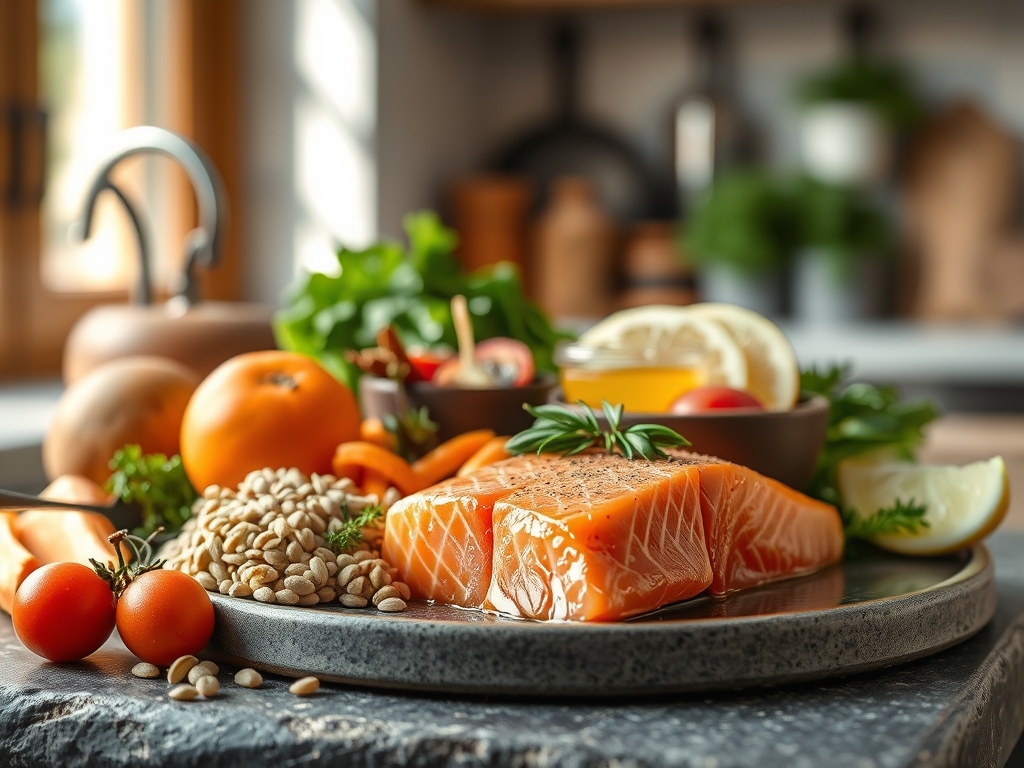
To execute these costco frozen salmon recipes with precision, your mise en place must be impeccable. Start with your salmon fillets, ensuring they are still individually vacuum sealed if you are using the quick thaw method. You will need a high smoke point fat like avocado oil or clarified butter to facilitate the Maillard reaction without scorching. Fresh aromatics are non negotiable; think woody thyme, pungent garlic cloves, and bright citrus.
For the "Smart Substitutions," if you lack fresh lemons, a splash of white wine vinegar or verjuice provides the necessary acidity to cut through the viscous fats of the fish. If you are avoiding dairy, a dollop of miso paste mixed with warm water creates a savory umami glaze that mimics the richness of butter. Always have a bowl of flaky sea salt and a pepper mill ready. The coarse texture of sea salt provides a rhythmic crunch that fine table salt simply cannot replicate.
The Clock:
The "Chef's Flow" is the secret to a stress free kitchen. For these costco frozen salmon recipes, expect a total time of 25 minutes. This includes a 10 minute rapid thaw in a bowl of cool water followed by a 12 to 15 minute cook time depending on your chosen method. The key is to utilize the "dead time" while the salmon thaws to prep your sides and emulsify your sauces.
Start by setting your oven or air fryer to preheat immediately. While the heating elements reach their target temperature, use a microplane to zest your citrus and a sharp chef's knife to mince your aromatics. This synchronized workflow ensures that the moment your salmon is patted dry, your pan is screaming hot and ready for action. Efficiency is the difference between a soggy dinner and a crisp, golden crust.
The Masterclass:
1. The Critical Dry Down
Remove your salmon from the packaging and use a heavy duty paper towel to press every ounce of moisture from the surface. A damp fillet will steam rather than sear, leading to a grey, unappealing texture.
Pro Tip: This prevents the formation of a steam barrier. If the surface is dry, the heat can immediately begin the Maillard reaction, which is the chemical reaction between amino acids and reducing sugars that gives browned food its distinctive flavor.
2. The Cold Start Pan Sear
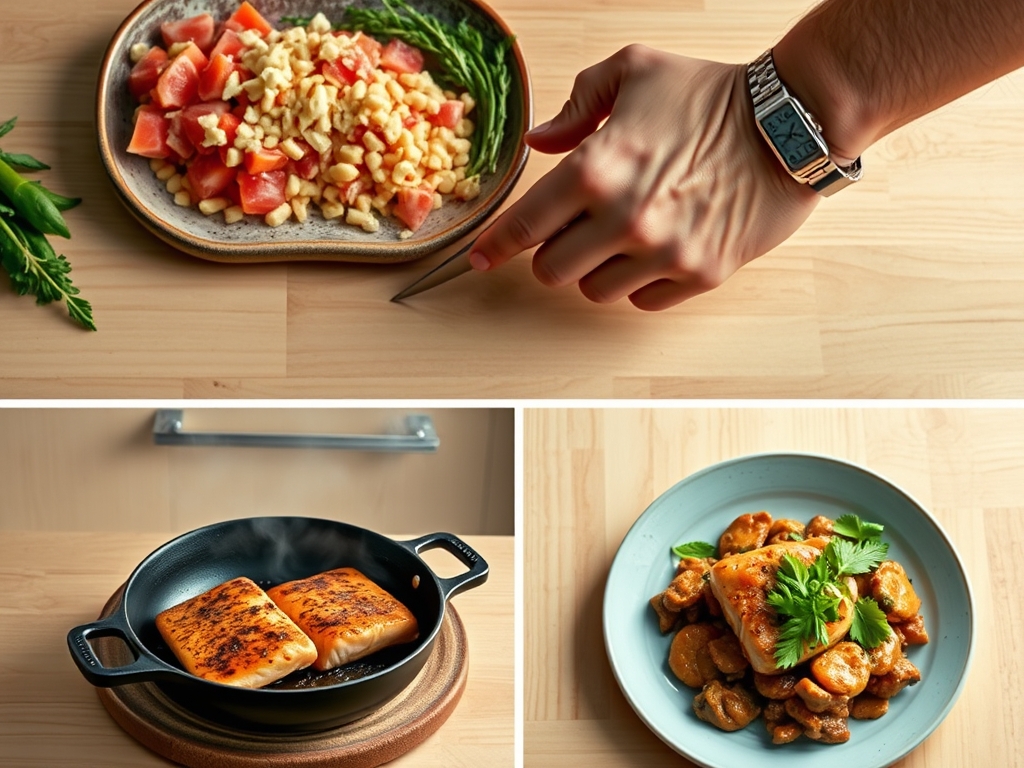
Place your seasoned fillets skin side down in a cold, heavy bottomed skillet with a tablespoon of oil. Turn the heat to medium high. As the pan heats, the fat under the skin begins to render slowly, resulting in a glass like crispness.
Pro Tip: This gradual heat increase prevents protein contraction. If you drop cold fish into a white hot pan, the muscle fibers tighten instantly, squeezing out moisture and leaving the fish tough.
3. The Butter Baste Infusion
Once you flip the salmon, drop a knob of butter, crushed garlic, and thyme into the pan. Use a large spoon to continuously pour the foaming butter over the cooked side of the fish.
Pro Tip: This is known as Arrosage. The hot butter acts as a thermal conductor, finishing the cook gently while the milk solids in the butter undergo enzymatic browning to create a nutty aroma.
4. The Air Fryer Flash
For the ultimate convenience, coat the frozen fillets in a thin layer of mayonnaise before air frying at 400 degrees Fahrenheit. The egg and oil in the mayo create a protective shield that locks in juices.
Pro Tip: Mayonnaise is an emulsion that provides a stable fat source. It prevents the exterior from dehydrating before the interior reaches the safe internal temperature of 145 degrees Fahrenheit.
5. The Parchment Paper Pouch
Known as "En Papillote," folding your salmon into a parchment heart with thinly sliced vegetables allows the fish to cook in its own juices.
Pro Tip: This method uses convection and steam. The sealed environment creates a high pressure chamber that cooks the fish evenly without the need for added fats, preserving the delicate omega 3 chains.
6. The Honey Mustard Glaze
Whisk together Dijon mustard and honey in a small saucier. Apply this during the last three minutes of cooking to prevent the sugars from burning.
Pro Tip: Sugars undergo caramelization at 320 degrees Fahrenheit. By adding the glaze late, you achieve a sticky, piquant coating without the bitter notes of carbonized sugar.
7. The Cedar Plank Shortcut
If you have a grill, use a soaked cedar plank to impart a smoky, resinous depth to your Costco salmon.
Pro Tip: The wood releases guaiacol, a compound created when lignin breaks down. This provides that classic "outdoor" flavor profile that pairs perfectly with the fatty acids in the salmon.
8. The Miso Ginger Crust
Spread a thin layer of white miso and grated ginger over the top of the fillet before broiling.
Pro Tip: Miso is a fermented paste rich in enzymes. When exposed to the intense infrared heat of a broiler, it creates a savory crust through rapid dehydration and sugar browning.
9. The Carryover Rest
Remove the salmon from the heat when it reaches 135 degrees Fahrenheit. Place it on a warm plate and tent it loosely with foil for five minutes.
Pro Tip: This accounts for thermal carryover. The internal temperature will continue to rise by 5 to 10 degrees while the muscle fibers relax, allowing the juices to redistribute rather than spilling out on the first cut.
The Deep Dive:
When analyzing the macro nutrition of costco frozen salmon recipes, you are looking at a powerhouse of fuel. A standard 6 ounce fillet provides roughly 34 grams of high quality protein and 15 grams of healthy fats, with zero carbohydrates. For those following a Keto lifestyle, this is a gold mine. If you are Vegan, you can apply these searing techniques to thick cut "steaks" of cauliflower or watermelon, though the protein profile will differ significantly. For a Gluten Free version, ensure your miso or mustard glazes do not contain hidden barley malt or thickeners.
The Fix-It:
- The White Gunk: If you see white streaks (albumin) leaking out, you are cooking too fast or too hot. Lower the heat immediately.
- Stuck Skin: If the skin sticks to the pan, do not force it. It will naturally release once the proteins have fully caramelized and formed a crust.
- Fishy Smell: This usually indicates oxidation. A quick soak in milk for ten minutes before cooking can neutralize the trimethylamine oxide responsible for the odor.
Meal Prep Science: To reheat salmon without turning it into a hockey puck, avoid the microwave. Instead, use a "low and slow" approach in a toaster oven at 275 degrees with a splash of water to create a mini steam sauna. This restores the interstitial moisture without overcooking the delicate proteins.
The Wrap-Up:
You are now officially armed with the technical prowess to turn a bag of frozen fish into a culinary event. These costco frozen salmon recipes are not just about feeding yourself; they are about understanding the beautiful chemistry of heat, fat, and salt. From the rhythmic basting of butter to the precise timing of the Maillard reaction, you have the tools to impress even the toughest critics. Go forth, grab those tongs, and turn your kitchen into the bistro of your dreams!
The Kitchen Table:
Can I cook Costco salmon directly from frozen?
Yes, you can cook it frozen using an air fryer or oven. Increase the cook time by 50 percent and use a digital thermometer to ensure the center reaches 145 degrees Fahrenheit for safety and texture.
How do I prevent the salmon from smelling fishy?
Ensure you pat the fish completely dry and remove it from the vacuum seal immediately after thawing. A quick rinse with cold water followed by a splash of lemon juice will neutralize odor causing compounds effectively.
What is the best way to get crispy skin?
Start the salmon in a cold, heavy bottomed skillet with a high smoke point oil. Gradually increasing the heat allows the subcutaneous fat to render out, creating a thin, cracker like texture that is incredibly flavorful.
Is the grey part of the salmon safe to eat?
Absolutely. That grey layer is called the "fatty strip" and is rich in omega 3 fatty acids. It has a stronger flavor than the pink flesh but is packed with the most nutrients in the fish.