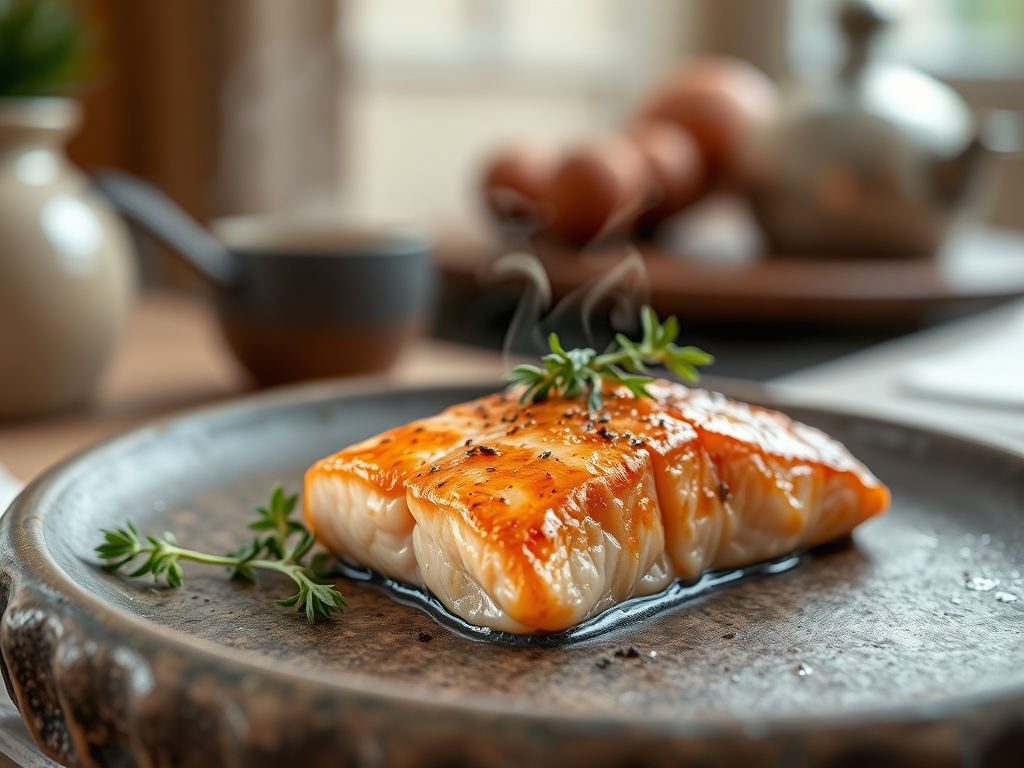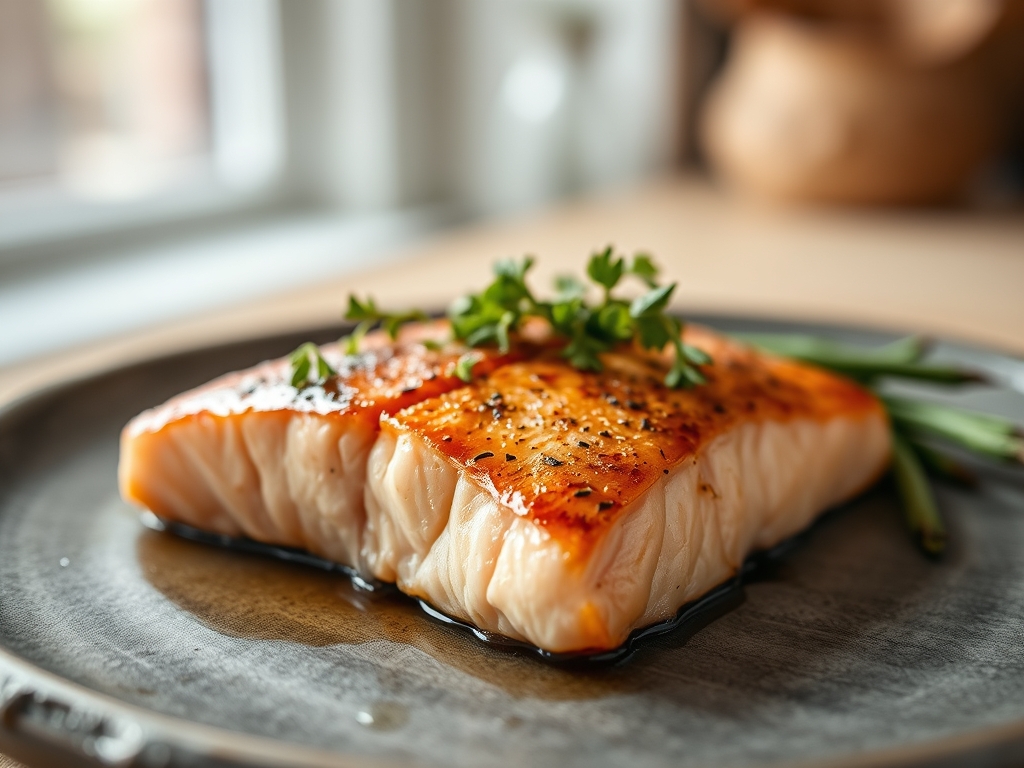
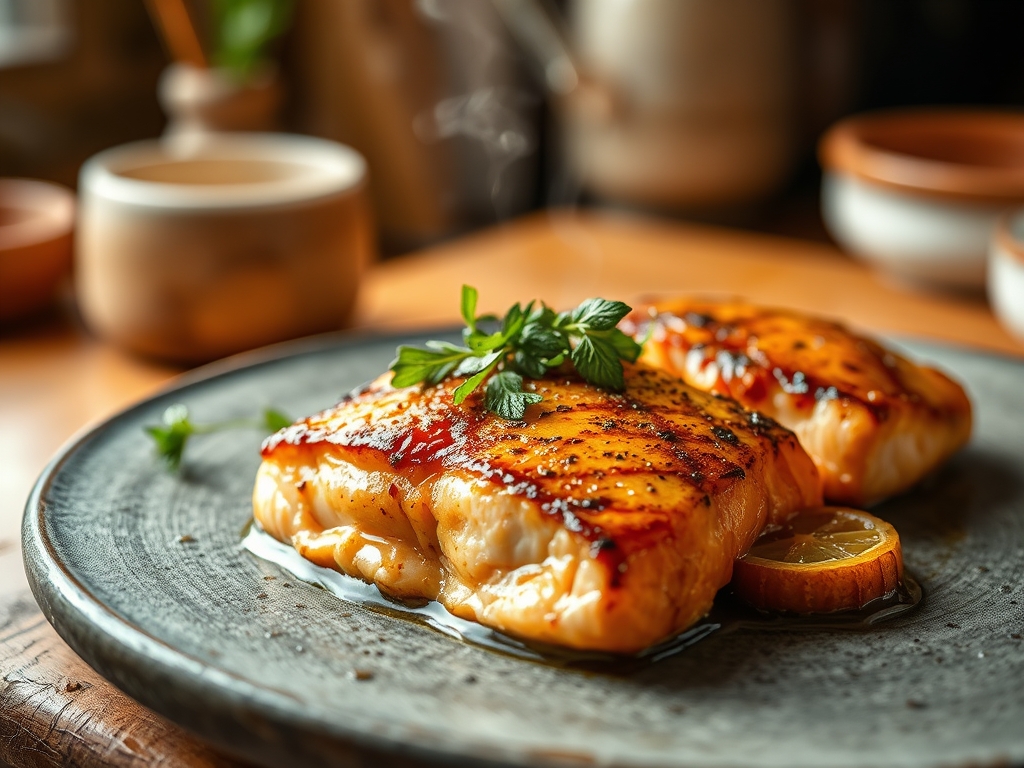
Imagine a fork sliding through a fillet with zero resistance; it is the culinary equivalent of velvet meeting a warm breeze. While traditional searing often results in a chalky, over-tightened mess, mastering slow cooked salmon recipes transforms this fatty cold-water fish into a buttery masterpiece that practically dissolves on your tongue. We are moving away from the aggressive, high-heat panic of the past and embracing a gentle, thermal embrace that preserves every drop of precious omega-3 oil.
This is not just dinner; it is a lesson in thermodynamics disguised as a luxury meal. When we cook salmon slowly, we prevent the rapid contraction of muscle fibers that forces out that unsightly white protein known as albumin. Instead, we are aiming for a translucent, coral-colored center that glows with moisture. By the time we finish this session, you will understand exactly why temperature control is the ultimate seasoning. We are going to treat this fish with the reverence it deserves, using precise techniques to ensure that every bite is as decadent as a spoonful of custard. Grab your apron and clear your counter; we are about to redefine what a perfect fillet looks like.
The Gathers:
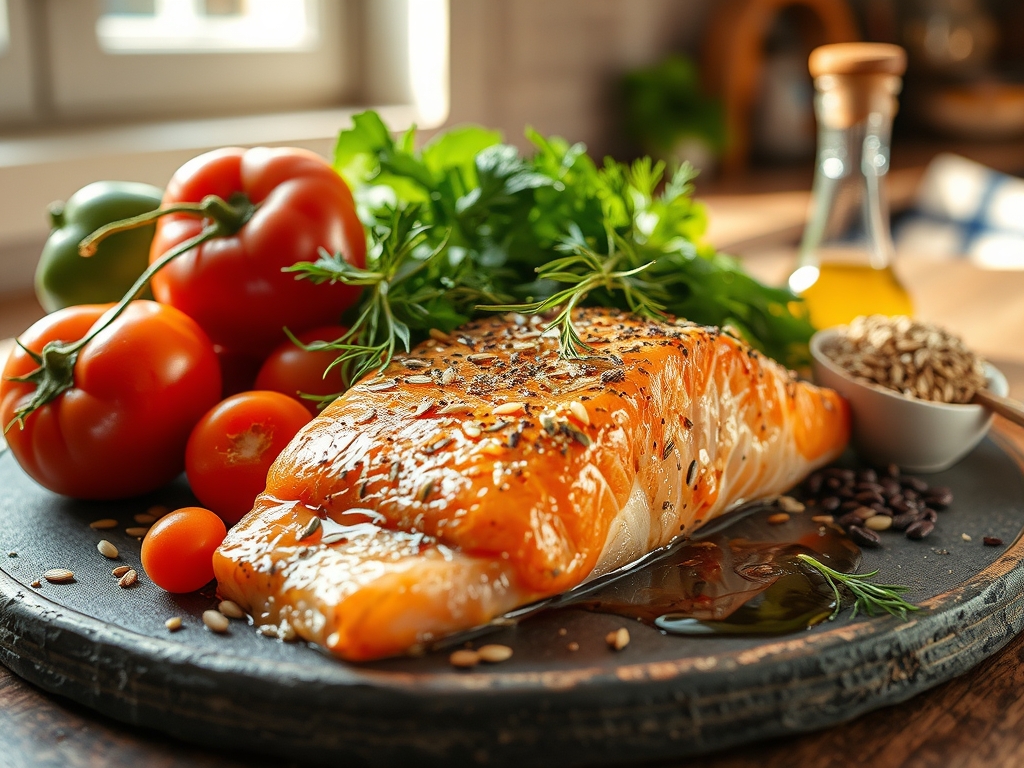
To achieve the ultimate texture, your mise-en-place must be intentional. We start with center-cut Atlantic or King salmon fillets, ideally one and a half inches thick. You will need a high-quality extra virgin olive oil to act as a viscous heat conductor, along with aromatics like paper-thin lemon slices, fresh dill, and crushed peppercorns. A microplane is essential here for zesting citrus without hitting the bitter white pith. I also recommend a heavy-bottomed skillet or a ceramic baking dish to ensure even heat distribution across the base of the fish.
Smart Substitutions: If you are looking for a more piquant profile, swap the olive oil for a clarified butter or ghee; the higher smoke point is not needed here, but the nutty solids add incredible depth. For those avoiding citrus, a splash of dry white wine or verjus provides the necessary acidity to cut through the fat without the sharp bite of lemon. If fresh dill is unavailable, fennel fronds offer a similar herbaceous quality with a subtle licorice finish. Always use a digital scale to weigh your portions; uniformity is the secret to a synchronized finish time for every guest at the table.
The Clock
Preparation for this dish is remarkably swift, requiring only about ten minutes of active labor. You will spend five minutes patting the fish dry and another five arranging your aromatics. However, the cooking phase is where we practice patience. Depending on the thickness of your fillets, expect a total cook time of twenty-five to thirty-five minutes at a low oven temperature. This is the "Chef's Flow": while the salmon undergoes its slow transformation, you have ample time to whisk a delicate emulsion in a saucier or prep a crisp green salad. There is no frantic flipping or splashing oil; the process is meditative and controlled.
The Masterclass
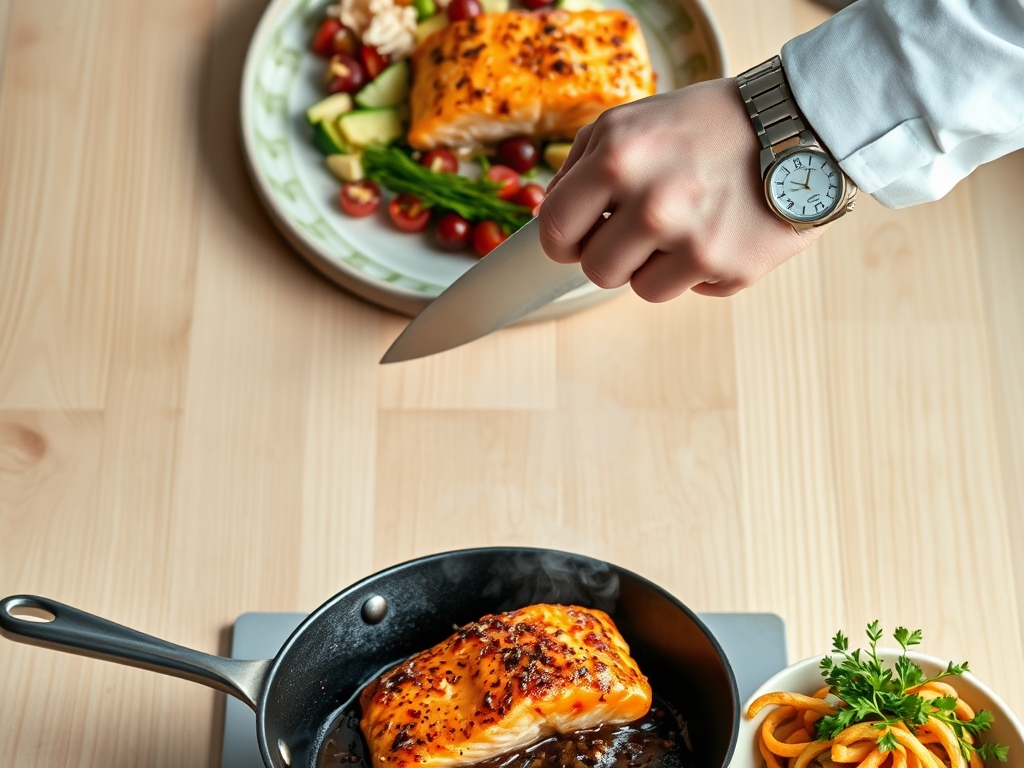
1. Tempering the Protein
Remove your salmon from the refrigerator at least twenty minutes before cooking. Use a bench scraper to clear your workspace and allow the fish to reach room temperature. This ensures that the heat penetrates the center as efficiently as the exterior.
Pro Tip: This stage prevents thermal shock. If cold fish hits a warm environment, the outer layers overcook and toughen before the center can even begin to soften.
2. The Moisture Barrier
Pat the skin and flesh completely dry with paper towels. Rub a generous amount of oil over the entire surface. This creates a hydrophobic barrier that locks internal moisture inside the muscle fibers while preventing the fish from sticking to the pan.
Pro Tip: Oil is a better heat conductor than air. By coating the fish, you create an even thermal bridge that distributes heat across the irregular surface of the fillet.
3. Aromatic Layering
Place your lemon slices and herbs both under and on top of the salmon. This "sandwiching" technique allows the oils from the aromatics to infuse directly into the flesh as the temperature rises.
Pro Tip: This is a form of low-temperature infusion. Essential oils in herbs are volatile; slow cooking preserves these delicate flavors that would otherwise evaporate at high heat.
4. Low and Slow Roasting
Set your oven to 275 degrees Fahrenheit. Slide the tray into the center rack. We are looking for the fat to just begin to render without the protein strands tightening.
Pro Tip: Cooking at low temperatures prevents the denaturation of proteins from happening too quickly. This keeps the collagen soft and the texture succulent.
5. The Internal Check
Use a digital thermometer to check the thickest part of the fillet. You are aiming for an internal temperature of 120 degrees Fahrenheit for medium-rare or 125 degrees for medium.
Pro Tip: Remember thermal carryover. The internal temperature will continue to rise by about five degrees after you remove the fish from the oven.
6. The Rest
Once out of the oven, tent the fish loosely with foil and let it sit for five minutes. This allows the juices to redistribute throughout the fillet.
Pro Tip: Resting allows the viscosity of the internal fats to stabilize, ensuring that the moisture stays in the fish rather than spilling out onto the plate.
7. The Acid Finish
Just before serving, use your microplane to add a fresh dusting of zest and a squeeze of cold lemon juice. This brightens the heavy fats.
Pro Tip: Acid acts as a chemical contrast to fat. It stimulates salivation, which actually makes the flavors of the salmon feel more intense on the palate.
8. The Gentle Plating
Use wide tongs or a fish spatula to move the fillets. Because the fish is so tender, it can easily flake apart if handled roughly.
Pro Tip: At this stage, the intermuscular fat has softened significantly. The structure is fragile, so minimal handling preserves the visual integrity of the dish.
The Deep Dive
From a nutritional standpoint, slow cooked salmon recipes are a powerhouse. A six-ounce portion delivers roughly 34 grams of high-quality protein and is packed with Vitamin B12 and Potassium. Because we are using low heat, the delicate Omega-3 fatty acids remain intact rather than oxidizing. For dietary swaps, vegans can apply this slow-roasting technique to thick slabs of cauliflower or "steaks" of king oyster mushrooms, though the cook time will increase. Keto followers will appreciate the high fat-to-protein ratio, and the dish is naturally gluten-free.
If you encounter a pitfall, do not panic. If the fish looks "white" on top, you have cooked it too fast; next time, drop the oven temp by 25 degrees. If the skin is soggy, remember that slow cooking will never produce crispy skin; simply remove the skin before serving or give it a 30-second flash-sear in a heavy-bottomed skillet at the very end. If the fish feels "tight," it is overdone; serve it with a fatty sauce like hollandaise to compensate. For meal prep, reheat the salmon in a 300-degree oven with a tablespoon of water covered in foil. This creates a mini-steam chamber that prevents the fish from drying out.
The Wrap-Up
You are now equipped with the technical prowess to turn a simple piece of fish into a gourmet experience. Slow cooking is more than a method; it is a philosophy of respect for the ingredient. By controlling the heat and understanding the science of protein structure, you have elevated your kitchen game to a professional level. Go ahead, flake into that salmon and enjoy the literal fruits of your labor.
The Kitchen Table
Can I use frozen salmon for this?
Yes, but it must be fully thawed and patted dry. Frozen fish often has more moisture, so the "drying" step is even more critical to prevent steaming.
Why is my salmon oozing white stuff?
That white substance is albumin. It appears when the heat is too high, causing the muscle fibers to contract and squeeze out the protein. Lower your temperature.
Do I have to leave the skin on?
Leaving the skin on during cooking provides a protective layer against the heat. You can easily peel it off after cooking if you prefer not to eat it.
How long does leftover salmon stay fresh?
Store it in an airtight container for up to two days. To maintain quality, avoid the microwave and reheat gently in a low-temperature oven or toaster oven.