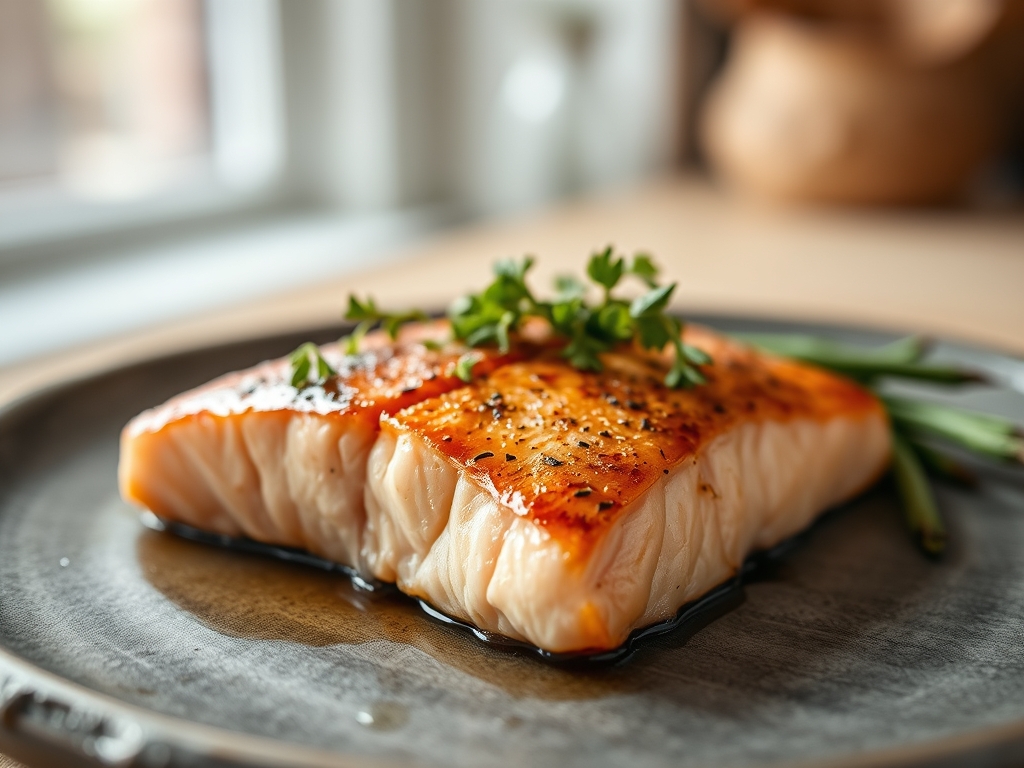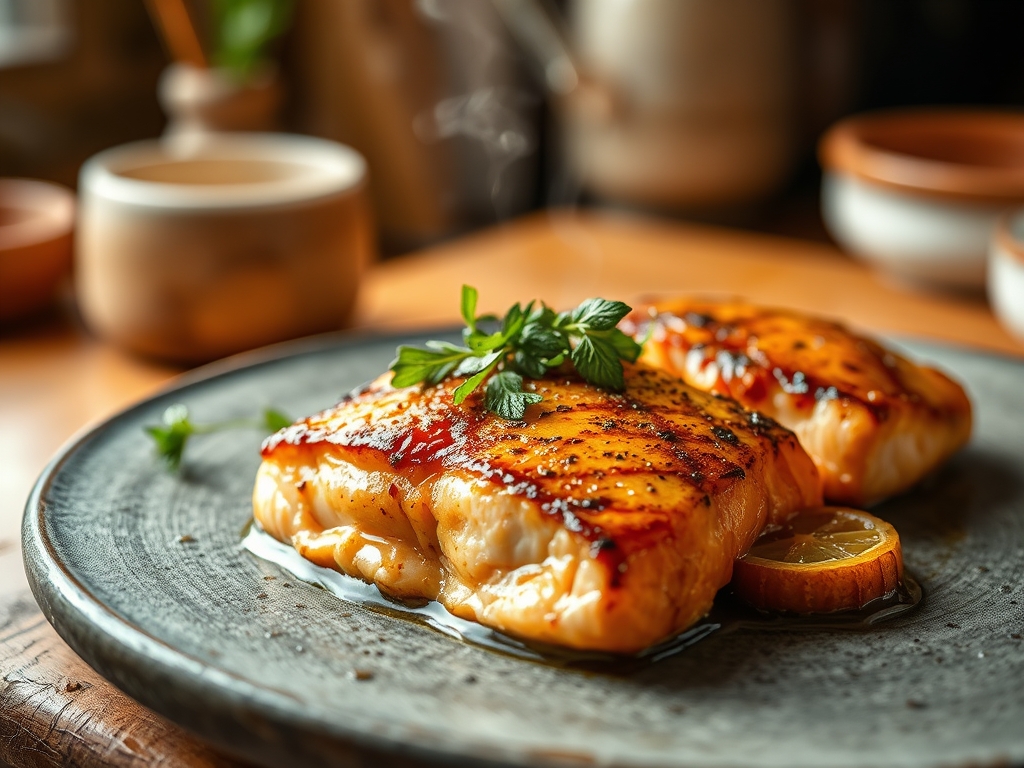
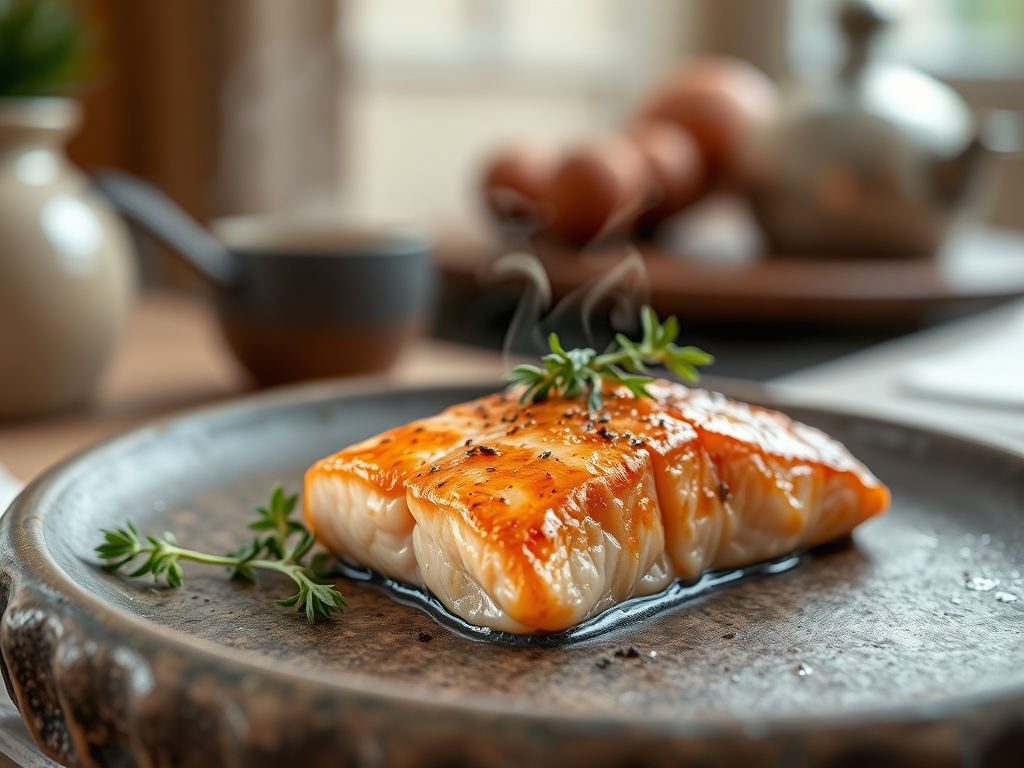
Imagine the sound of a cold, pink fillet hitting a heavy-bottomed skillet. That sharp hiss is the sound of moisture rapidly evaporating, giving way to the golden, crispy skin that defines the best home chef salmon recipes. It is a sensory ritual: the scent of citrus zest hitting hot fat and the sight of translucent flesh turning opaque.
The beauty of salmon lies in its versatility. It is the chameleon of the sea, capable of carrying bold, piquant glazes or sitting quietly under a cloud of herbaceous butter. Whether you are aiming for a quick Tuesday night win or a dinner party showstopper, mastering these home chef salmon recipes elevates your kitchen game from basic sustenance to a high-end culinary experience. We are not just cooking fish; we are managing proteins, fats, and heat to create something extraordinary.
You do not need a culinary degree to achieve restaurant-quality results. You simply need to understand the relationship between the heat of your pan and the delicate structure of the fish. By the end of this guide, you will be navigating these seven variations with the confidence of a seasoned line cook.
The Gathers:
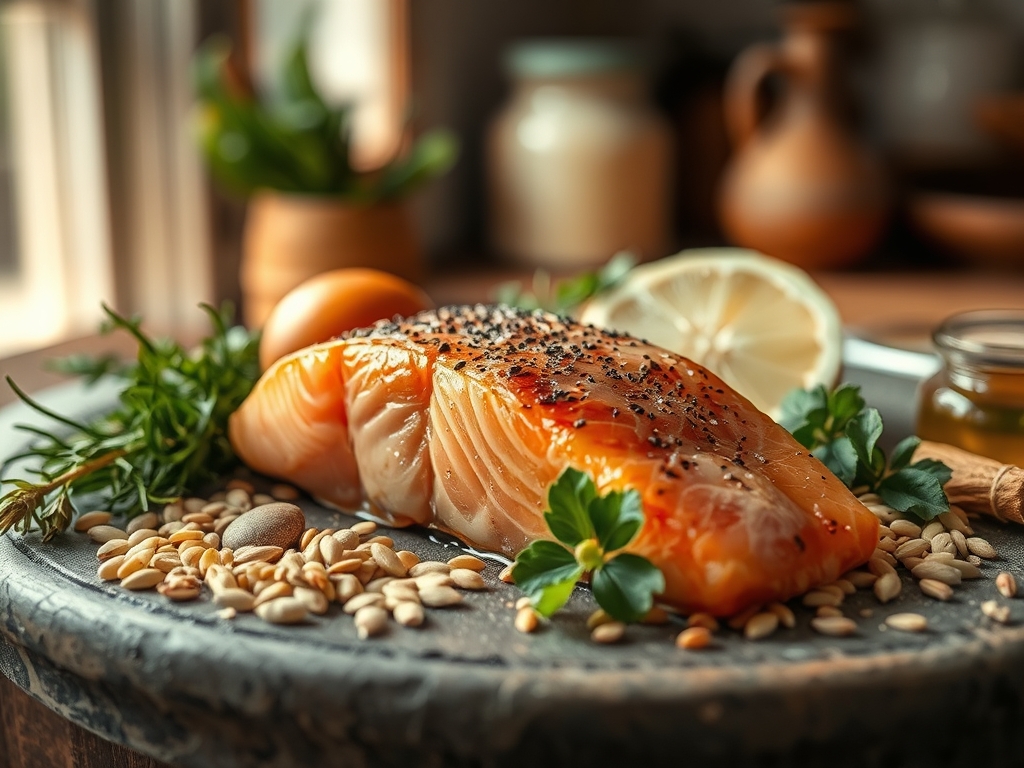
To execute these home chef salmon recipes, your mise-en-place must be precise. Start with high-quality, center-cut fillets. Look for vibrant color and a firm texture; if the flesh feels mushy, the cellular structure has already begun to break down. You will need a high-smoke-point oil, such as avocado or grapeseed oil, to facilitate the Maillard reaction without scorching.
Your aromatics are equally vital. Gather fresh dill, flat-leaf parsley, and chives to provide a bright, verdant contrast to the rich lipids in the fish. Use a microplane to harvest the zest of organic lemons; this tool ensures you only get the essential oils from the flavedo without the bitter white pith. For the glazes, have honey, Dijon mustard, and tamari ready. These liquids are viscous and sugar-heavy, designed to caramelize and cling to the protein fibers.
Smart Substitutions: If you are out of fresh herbs, a pinch of dried tarragon can mimic that anise-like sweetness. If you find yourself without a heavy-bottomed skillet, a well-seasoned cast iron pan is the gold standard for heat retention. For those avoiding honey, maple syrup offers a similar viscosity with a deeper, woodsy profile.
The Clock
Efficiency in the kitchen is about "Chef's Flow," which is the art of overlapping tasks to minimize downtime. For these home chef salmon recipes, the active prep time is roughly 10 minutes, with a cook time of 8 to 12 minutes depending on the thickness of the fillet.
The "Flow" begins by pulling your salmon from the refrigerator 15 minutes before cooking. Cold fish hitting a hot pan causes the muscle fibers to contract violently, pushing out moisture and resulting in a dry texture. While the fish tempers, use your bench scraper to clear your workspace and prep your aromatics. By the time your skillet is shimmering, your ingredients are ready to be deployed in sequence. Total time from counter to table? Under 25 minutes.
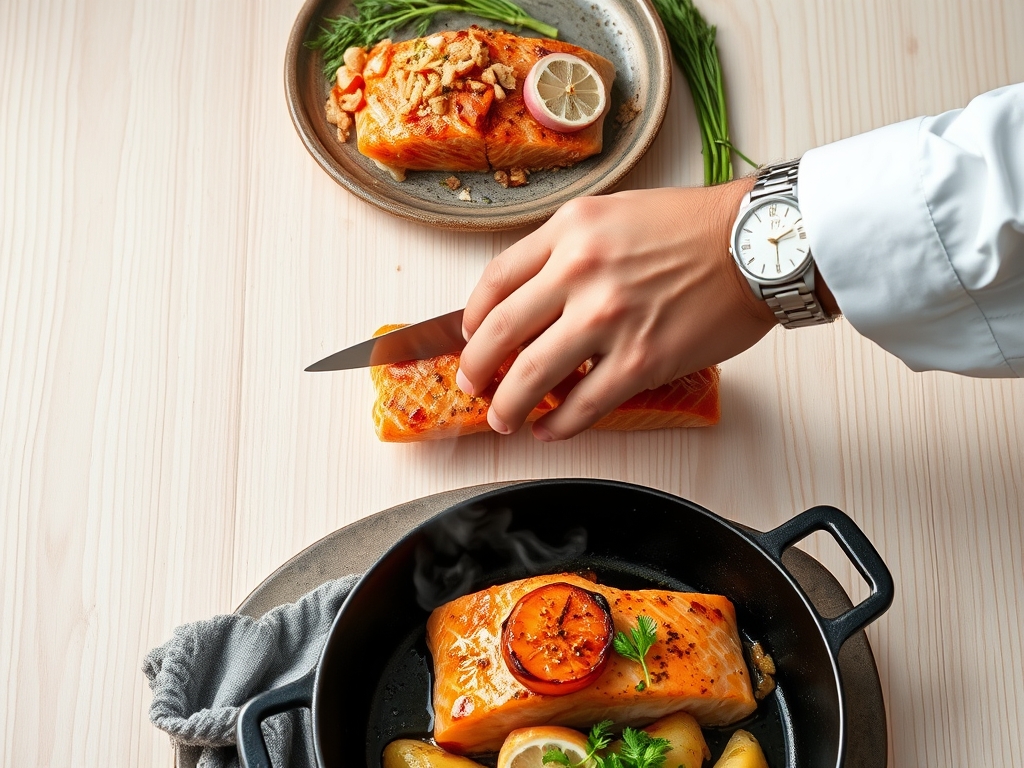
The Masterclass
1. The Sear and Render
Place your salmon skin-side down into a preheated skillet. Use your tongs to press the fillet down firmly for the first 30 seconds. This prevents the skin from curling as the collagen fibers shrink under heat.
Pro Tip: This technique facilitates thermal conduction, ensuring the skin reaches the temperature necessary to render the subcutaneous fat. This fat acts as a natural insulator, protecting the delicate flesh above from overcooking.
2. The Deglaze and Infuse
Once the skin is crisp, flip the fish and add a knob of cold butter and crushed garlic to the pan. As the butter foams, use a spoon to continuously baste the fish.
Pro Tip: This is known as aromatic infusion. The milk solids in the butter undergo enzymatic browning, creating a nutty flavor profile that penetrates the outer layers of the salmon without drying out the center.
3. The Glaze Application
Brush your chosen glaze (like honey-mustard or soy-ginger) onto the salmon during the last two minutes of cooking. Avoid adding sugar-based glazes too early, or they will carbonize and turn bitter.
Pro Tip: This creates a gastrique-style reduction directly on the heat. The heat evaporates the water in the glaze, concentrating the sugars and acids into a thick, flavor-dense coating.
4. The Rest and Carryover
Remove the salmon from the heat when it is slightly under your desired doneness. Transfer it to a warm plate and let it rest for three minutes.
Pro Tip: This accounts for thermal carryover. The internal temperature will continue to rise by 5 to 10 degrees after removal from the heat. Resting also allows the juices to redistribute, ensuring a moist flake.
The Deep Dive
When we look at the macro nutrition of these home chef salmon recipes, we are dealing with a powerhouse of Omega-3 fatty acids and high-quality protein. A standard 6-ounce serving provides roughly 34 grams of protein and 20 grams of healthy fats. It is naturally low in carbohydrates, making it a staple for many modern diets.
Dietary Swaps: For a Keto version, swap the honey in glazes for a monk fruit erythritol blend. If you are cooking for a Vegan guest, this same flavor profile works beautifully on thick "steaks" of cauliflower or firm tofu, though the cooking times will vary. For Gluten-Free needs, always ensure your soy sauce is replaced with tamari or liquid aminos.
The Fix-It:
- White Stuff Oozing Out: This is albumin, a protein that escapes when fish is cooked too fast. Fix: Lower your heat and temper the fish before cooking.
- Soggy Skin: This happens when there is too much moisture. Fix: Pat the skin bone-dry with paper towels before it touches the oil.
- Stuck Fillet: You tried to flip it too soon. Fix: Wait for the protein to naturally release from the pan through the process of searing.
Meal Prep Science: To reheat salmon without it becoming "fishy" or dry, avoid the microwave. Use a low-temperature oven (275 degrees Fahrenheit) with a splash of water or broth covered in foil. This creates a gentle steam environment that rehydrates the proteins rather than vibrating the water molecules into oblivion.
The Wrap-Up
Mastering home chef salmon recipes is about more than just following a list of ingredients; it is about respecting the chemistry of the kitchen. When you understand why we pat the skin dry or why we let the butter foam, you stop being a recipe follower and start being a chef. These seven meals are designed to be your foundation. Once you have the sear, the glaze, and the rest perfected, the variations are infinite. Now, grab your heavy-bottomed skillet and let that salmon sizzle.
The Kitchen Table
How do I know when salmon is perfectly cooked?
Use a digital thermometer to check for an internal temperature of 125 to 130 degrees Fahrenheit for medium-rare. The flesh should be opaque and flake easily when pressed gently with a fork or your tongs.
Why does my salmon always stick to the pan?
Sticking occurs if the pan is not hot enough or the fish is too wet. Ensure the oil is shimmering and pat the salmon dry. Let the fish sear undisturbed until it naturally releases from the surface.
Can I use frozen salmon for these recipes?
Yes, but you must thaw it completely in the refrigerator. Pat it extremely dry to remove excess moisture from the freezing process. This ensures you still achieve a crisp sear and avoid steaming the fish in its own juices.
What is the best way to store leftover salmon?
Store cooked salmon in an airtight container in the refrigerator for up to three days. To maintain the best texture, avoid freezing cooked fillets, as the ice crystals will damage the delicate protein structure during the thawing process.