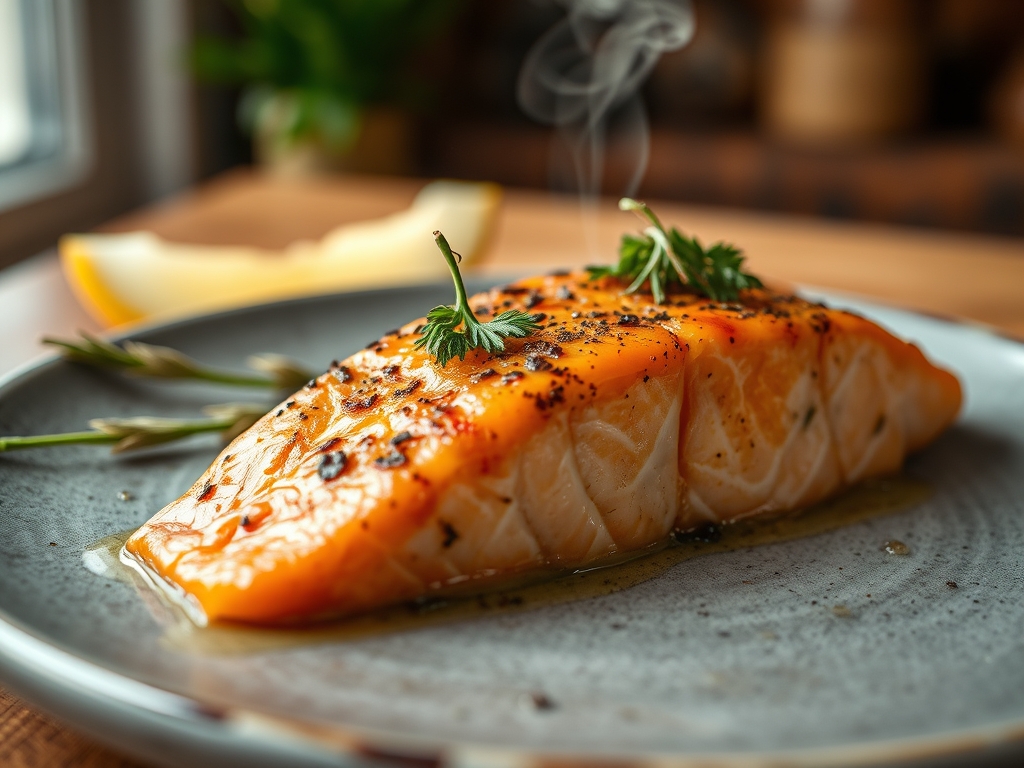
Imagine the sound of a pressurized seal popping open; it is the starting gun for a gourmet meal that defies the humble reputation of the pantry shelf. When you master salmon recipes using canned salmon, you are not just opening a tin; you are accessing high-quality protein preserved at the peak of freshness. The aroma is briny and clean, reminiscent of the cold North Pacific.
Forget the dry, chalky patties of your childhood. We are elevating this shelf-stable powerhouse into six distinct culinary experiences that range from crispy, golden-brown croquettes to silken, citrus-infused pastas. The secret lies in treating the canned variety with the same respect as a fresh fillet. By understanding the molecular structure of the fish, specifically how the canning process softens the calcium-rich bones into a source of texture and nutrition, we can manipulate moisture levels to create restaurant-quality results in under twenty minutes. Whether you are craving a piquant salad or a savory melt, these salmon recipes using canned salmon will become your weeknight repertoire anchors.
The Gathers:
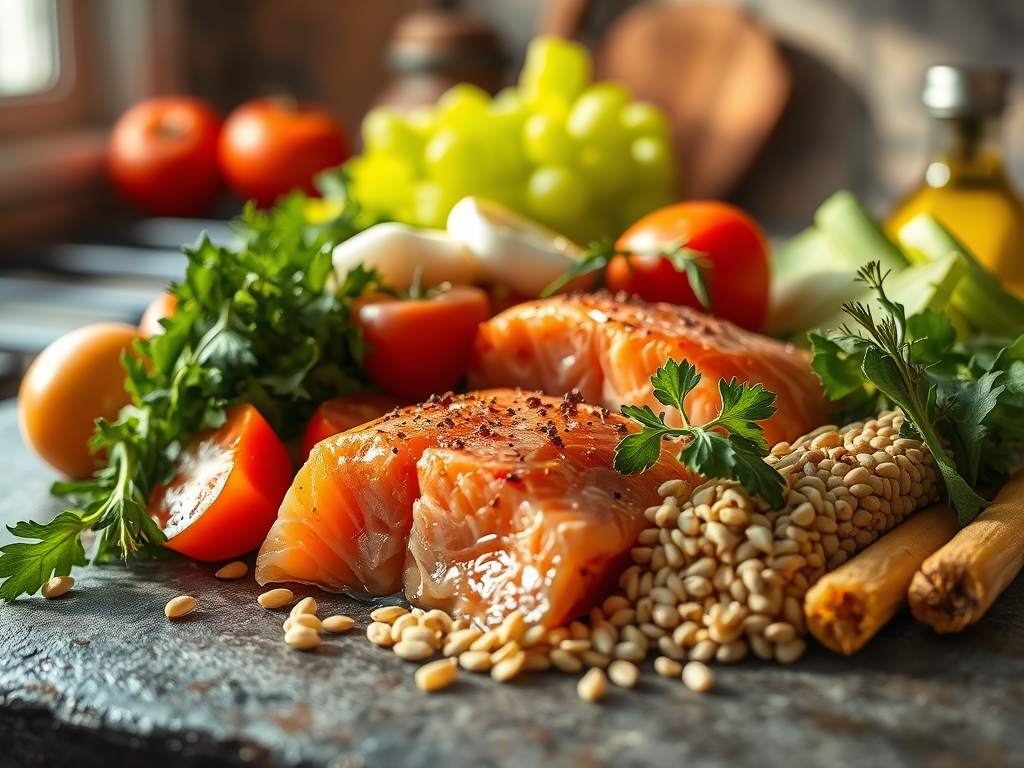
To achieve a professional finish, your mise-en-place must be precise. Start with high-quality pink or red sockeye salmon; red offers a firmer texture and higher fat content, while pink is milder and more versatile for blending. You will need a heavy-bottomed skillet for heat retention and a microplane to zest lemons, which provides the essential acidity to cut through the fatty acids of the fish.
Gather your aromatics: finely diced shallots, capers for a burst of salinity, and fresh dill to provide a chlorophyll-rich brightness. For binding, use panko breadcrumbs or crushed saltines. The viscous quality of a high-quality mayonnaise or a Greek yogurt sub acts as an emulsifier, ensuring your salmon does not fragment during the sear.
Smart Substitutions: If you are out of fresh lemons, a teaspoon of white wine vinegar provides the necessary pH balance. For those avoiding grains, almond flour serves as an excellent binder that adds a subtle nuttiness. If you prefer a more piquant profile, swap the black pepper for white pepper or a pinch of cayenne to stimulate the palate without overwhelming the delicate fish oils.
The Clock
Efficiency in the kitchen is about "Chef's Flow," the art of overlapping tasks to minimize downtime. For these six fixes, your total active time will rarely exceed fifteen minutes, with a cook time of five to eight minutes.
The flow begins with the "Drain and Dry" phase. You must aggressively remove excess liquid from the tin using a fine-mesh strainer; moisture is the enemy of the Maillard reaction. While the salmon air-dries, use your bench scraper to prep all vegetables. By the time your heavy-bottomed skillet has reached the shimmering point of your oil, your salmon mixture should be chilled and set. This sequence ensures that the exterior of your salmon crisping occurs simultaneously with the internal heating, preventing the fish from becoming rubbery through over-exposure to thermal energy.
The Masterclass
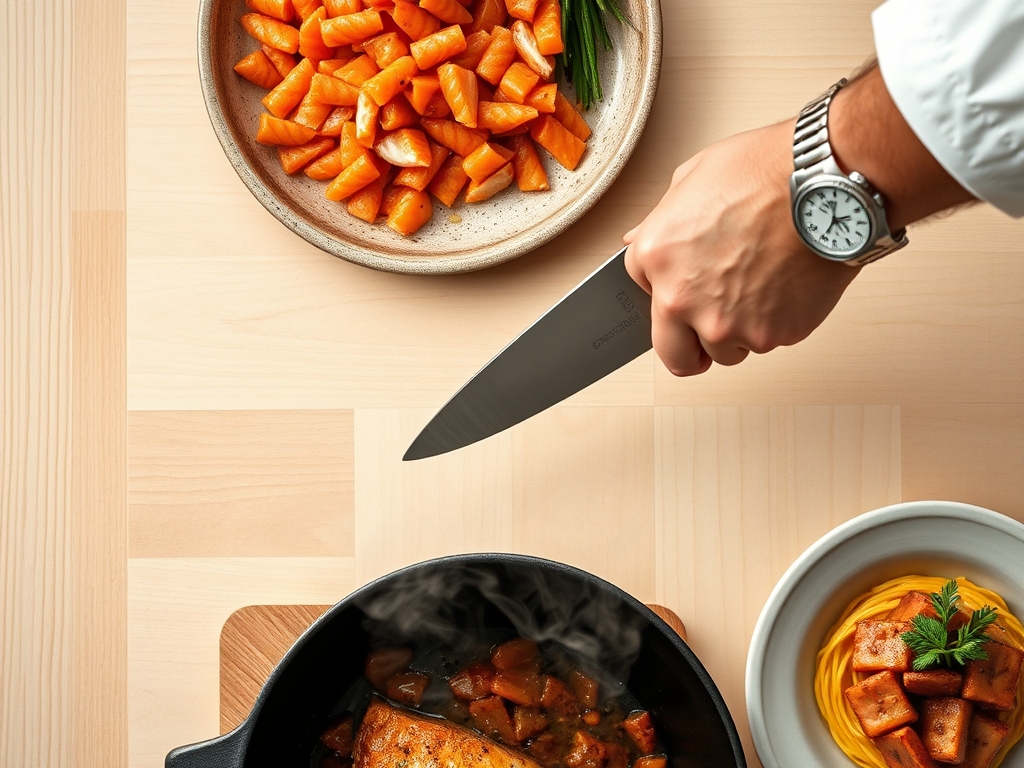
1. The Aerated Fold
Empty the salmon into a wide glass bowl. Use a fork to gently flake the meat rather than mashing it. You want to preserve the muscle fibers to maintain a "steak-like" mouthfeel. Add your binders and aromatics, folding them in with a silicone spatula.
Pro Tip: This step is about aeration. By folding rather than stirring, you trap small pockets of air within the mixture. When heated, these pockets expand, resulting in a lighter, fluffier texture rather than a dense, leaden patty.
2. The Precision Portion
Use a digital scale or a spring-loaded scoop to ensure every portion is identical. This is not just for aesthetics; uniform size ensures that every piece cooks at the exact same rate, preventing the outer edges of smaller cakes from scorching while larger ones remain cold.
Pro Tip: Uniformity aids in thermal equilibrium. When all pieces are the same mass, the heat transfer from the pan is predictable, allowing you to time the flip perfectly based on visual cues.
3. The High-Heat Sear
Heat your skillet until the oil moves like water. Place your salmon portions into the pan, leaving ample space between them. Do not crowd the pan, as this lowers the surface temperature and causes the fish to steam in its own juices rather than sear.
Pro Tip: This triggers the Maillard reaction, a chemical reaction between amino acids and reducing sugars that gives browned food its distinctive flavor. Without sufficient heat, you miss out on hundreds of complex flavor compounds.
4. The Deglaze and Infuse
Once the salmon is removed, the pan will have "fond," or caramelized bits, stuck to the bottom. Add a splash of dry white wine or vegetable stock to deglaze the pan. Use a whisk to scrape up those bits, then add a knob of cold butter to create a glossy pan sauce.
Pro Tip: This is an emulsification process. The cold butter fat binds with the liquid to create a stable, velvety sauce that coats the salmon, adding a layer of professional luxury to a pantry meal.
5. The Rest and Carryover
Transfer the cooked salmon to a wire rack rather than a paper towel. A wire rack allows air to circulate, preventing the bottom from becoming soggy. Let the salmon rest for two minutes before serving.
Pro Tip: This accounts for thermal carryover. The internal temperature will continue to rise by about five degrees after removal from the heat. Resting allows the proteins to relax and reabsorb juices, ensuring a moist interior.
6. The Zest and Garnish
Just before serving, use your microplane to shower the dish with fresh lemon zest and a flurry of herbs. The volatile oils in the zest are highly aromatic and provide an immediate sensory lift that signals freshness.
Pro Tip: Aromatics are most potent when freshly cut. By garnishing at the very last second, you maximize the olfactory impact, which significantly enhances the perceived flavor of the dish.
The Deep Dive
Canned salmon is a nutritional powerhouse, boasting high levels of Omega-3 fatty acids, Vitamin D, and bioavailable calcium. A standard 3.5-ounce serving provides roughly 20 grams of protein with minimal saturated fat. For those on specific diets, the transitions are seamless. Keto followers can swap breadcrumbs for crushed pork rinds to maintain a zero-carb profile. Vegan "salmon" can be mimicked using marinated carrots, though for this specific guide, the focus remains on the authentic fish.
The Fix-It:
- Patties Falling Apart: This usually means the mixture is too wet. Add more dry binder or chill the formed patties in the freezer for ten minutes to solidify the fats before frying.
- Metallic Aftertaste: This occurs with lower-quality tins. To fix, rinse the salmon briefly in cold water and increase the amount of lemon juice or capers to mask the tinny notes.
- Burnt Exterior/Cold Interior: Your heat is too high. Lower the flame and use a digital thermometer to ensure an internal temperature of 145 degrees Fahrenheit.
Meal Prep: To reheat, avoid the microwave, which turns fish rubbery. Instead, use an air fryer at 350 degrees for three minutes. This utilizes convection heat to recrisp the exterior while gently warming the center.
The Wrap-Up
Mastering salmon recipes using canned salmon is a total game changer for the modern, busy kitchen. It bridges the gap between convenience and gourmet execution by utilizing basic chemical principles like the Maillard reaction and proper emulsification. With your heavy-bottomed skillet and a few bright aromatics, you can transform a shelf-stable staple into a sophisticated meal that impresses guests and nourishes your body. Go ahead and pop that lid; your next culinary masterpiece is only fifteen minutes away.
The Kitchen Table
How do I stop canned salmon from smelling "fishy"?
Drain the liquid thoroughly and remove any dark skin or large vertebrae. Incorporate high-acid ingredients like lemon juice, zest, or minced capers. These acidic elements neutralize the trimethylamine (TMA) molecules responsible for that characteristic pungent odor.
Can I use canned salmon for sushi or raw preparations?
Canned salmon is fully cooked during the canning process, so it cannot be used for raw sushi. However, it is excellent for "spicy salmon rolls" where the cooked fish is flaked and mixed with sriracha mayo and sesame oil.
Is the skin and bone in canned salmon safe to eat?
Yes, they are completely edible and highly nutritious. The canning process uses high heat and pressure to soften the bones until they are easily mashed with a fork, providing a massive boost of bioavailable calcium and collagen.
What is the best way to store leftover canned salmon?
Once opened, transfer the salmon to an airtight glass container. It will remain fresh in the refrigerator for up to three days. For the best texture, do not freeze the salmon after it has been cooked into patties or salads.