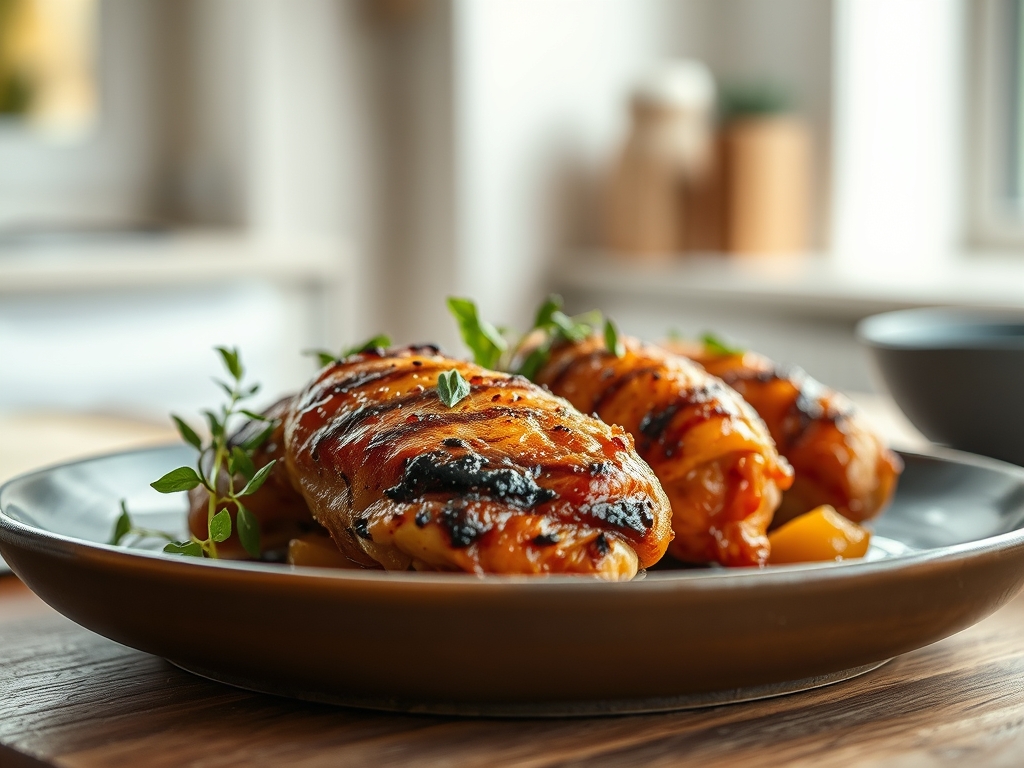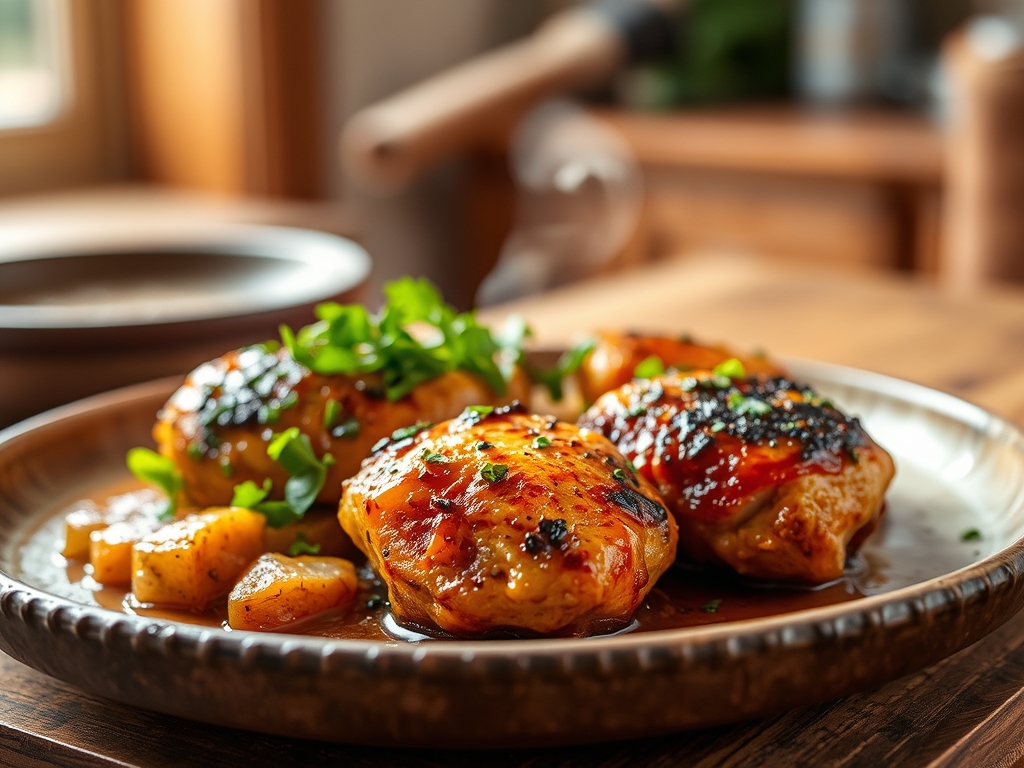
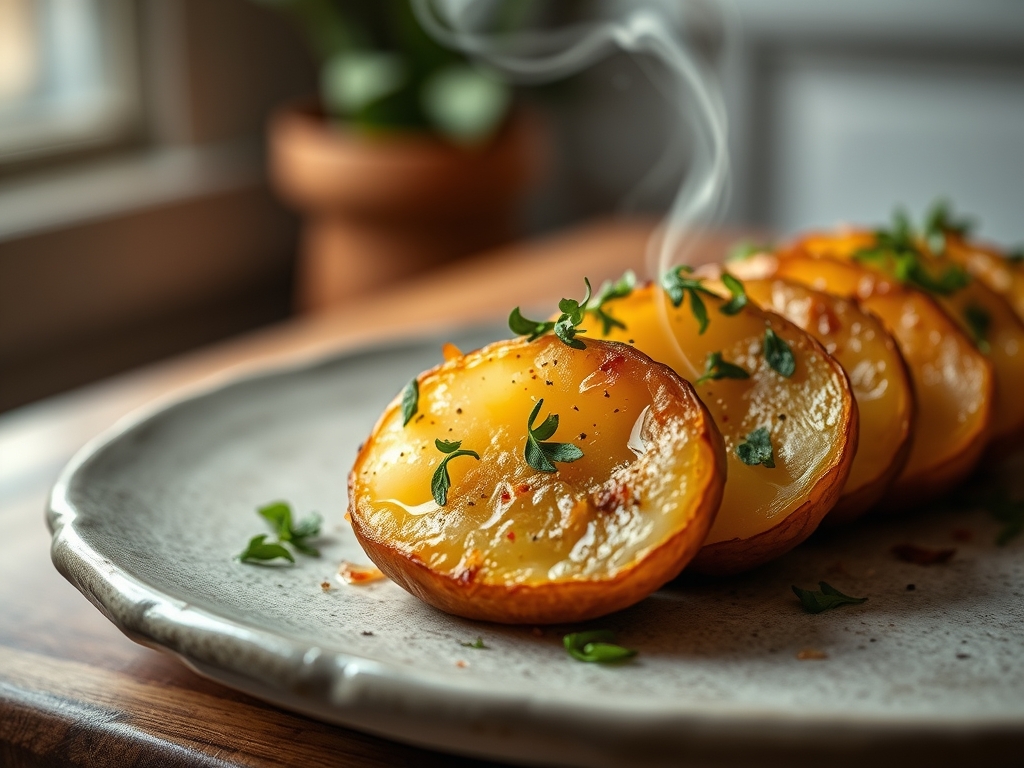
Imagine the scent of golden, rendered fat hitting a hot surface; the sound is a rhythmic sizzle that promises a crunch so tectonic it echoes. We are moving beyond the basic boil. When you master easy to make potato recipes, you are actually mastering the art of starch gelatinization and the Maillard reaction to create comfort in minutes.
The humble tuber is a biological marvel of energy storage. It is the ultimate culinary canvas, waiting for a touch of heat and a sprinkle of science to transform from a dense root into a cloud of buttery bliss or a jagged shard of golden glass. You do not need a culinary degree to turn a pantry staple into a gourmet side dish. You just need to understand how heat interacts with amylose and amylopectin. We are stripping away the fluff and focusing on high-impact, low-effort techniques that maximize flavor through chemical precision. Get your heavy-bottomed skillet ready; we are about to elevate your weeknight dinner game with seven hacks that feel like magic but are grounded in pure kitchen physics.
The Gathers:
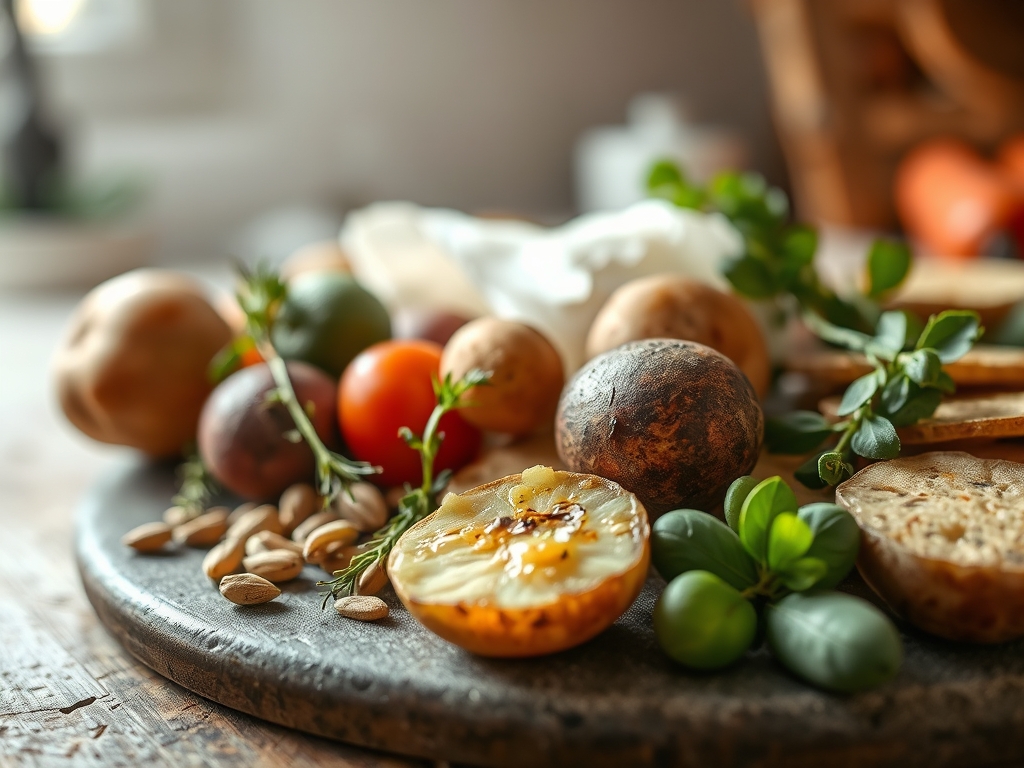
To execute these easy to make potato recipes with professional speed, your mise-en-place must be tight. Start with high-starch Russets for fluffiness or waxy Yukon Golds for a creamy, viscous mouthfeel. You will need a high-smoke-point fat like clarified butter or avocado oil to ensure you can reach the temperatures required for browning without scorching the lipids.
Your toolkit is your secret weapon. Grab a microplane for fine zest and garlic paste; a bench scraper for moving bulk quantities of chopped tubers; and a digital scale to ensure your salt ratios are precise. Salt is not just a seasoning here; it is an osmotic agent that draws out moisture to help create that coveted crust.
Smart Substitutions: If you are out of fresh garlic, use a dash of garlic oil to avoid the bitter notes of burnt solids. No heavy cream for your mash? Use the starchy pasta water method by reserving a cup of the potato boiling liquid to emulsify with cold butter for a glossy, dairy-light finish.
The Clock:
Efficiency in the kitchen is about "Chef's Flow." This means overlapping tasks so there is zero dead air. Most of these hacks require only 5 to 10 minutes of active prep time. The cooking duration varies from a 6-minute microwave "par-steam" to a 20-minute high-heat roast.
The secret to speed is surface area. By using a mandoline to create paper-thin slices or a box grater for shreds, you increase the contact point with the heat source. This reduces the time needed for the thermal center to reach 210 degrees Fahrenheit, the sweet spot where starch granules fully swell and soften. By the time you have set the table and poured a glass of wine, the chemistry has done the heavy lifting.
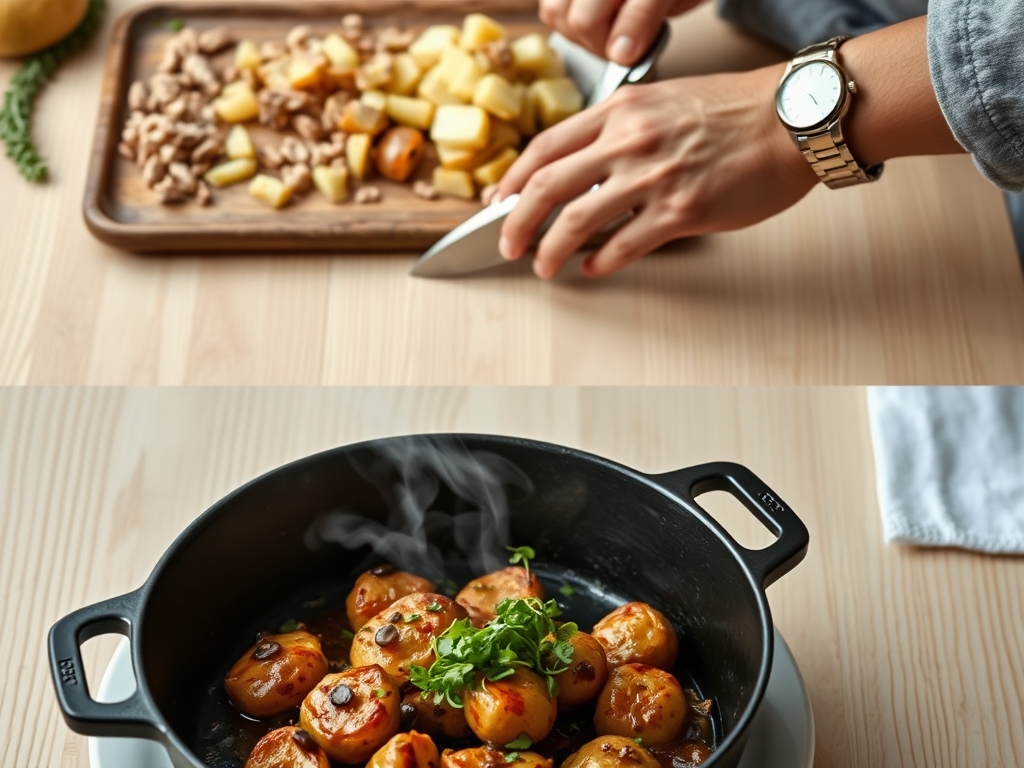
The Masterclass:
1. The 10-Minute Crispy Smash
Boil small potatoes until fork-tender, then use a heavy jar to flatten them directly on a baking sheet. Drizzle with oil and blast at high heat.
Pro Tip: This utilizes thermal carryover. By smashing the potato, you increase the surface area for the Maillard reaction (the chemical reaction between amino acids and reducing sugars) to occur, creating a complex, savory crust that a whole potato lacks.
2. The Micro-Steam Hack
Place cubed potatoes in a bowl with a tablespoon of water, cover tightly with plastic wrap, and microwave for 6 minutes.
Pro Tip: This is a high-speed version of hydrothermal processing. The steam quickly breaks down the pectin cell walls without leaching out all the flavor into a large pot of boiling water.
3. The Cold-Start Fry
Place potato wedges in a heavy-bottomed skillet, cover with cold oil, and then turn on the heat.
Pro Tip: Starting in cold oil prevents the outside from overcooking before the inside is soft. As the oil heats, it slowly dehydrates the surface, creating a thick, crunchy "shell" through retrogradation.
4. The Microplane Infusion
While your potatoes are hot, grate fresh garlic and parmesan directly over them using a microplane.
Pro Tip: The residual heat causes the volatile oils in the garlic to infuse into the fat on the potato surface, while the cheese undergoes a quick melt-and-bind phase, creating an instant umami glaze.
5. The Vinegar Soak
Soak sliced potatoes in cold water with a splash of white vinegar for 5 minutes before air-frying.
Pro Tip: Vinegar lowers the pH, which slows down the breakdown of pectin. This allows the potato to hold its shape perfectly while the starch on the surface undergoes gelatinization, resulting in a crispier exterior.
6. The Compound Butter Finish
Whip room-temperature butter with herbs and a squeeze of lemon, then dollop it onto hot roasted potatoes.
Pro Tip: This creates an emulsion as the butter melts into the hot starch. The acid in the lemon cuts through the lipid density, brightening the overall flavor profile through "palate cleansing" chemistry.
7. The Hasselback Shortcut
Place a potato between two wooden spoons and slice downward. The spoons act as a stop, preventing you from cutting all the way through.
Pro Tip: This creates "fins" that increase the surface area for heat penetration. It allows for evaporative cooling on the edges, which makes them extra crispy while the base stays steamy and soft.
The Deep Dive:
Potatoes are a nutritional powerhouse, offering more potassium than a banana and a significant hit of Vitamin C. One medium potato contains about 110 calories and zero fat, making it a "clean" carbohydrate source.
Dietary Swaps:
- Vegan: Swap butter for nutritional yeast and extra virgin olive oil to maintain that savory, "cheesy" profile.
- Keto: While potatoes are high-carb, you can use these same techniques on radishes or cauliflower for a similar textural experience.
- GF: Potatoes are naturally gluten-free, but always check your spice blends for hidden thickening agents.
The Fix-It:
- Soggy Potatoes: Usually caused by overcrowding the pan. The trapped steam prevents browning. Fix: Use two pans or a larger sheet tray.
- Burnt Garlic: Added too early. Fix: Add aromatics in the last 2 minutes of cooking to prevent the bitter carbonization of sugars.
- Gluey Mash: Caused by over-working the starch. Fix: Use a ricer instead of a blender to keep starch granules intact.
Meal Prep: To reheat and maintain "day-one" quality, avoid the microwave. Use a toaster oven or a dry skillet. This re-activates the fats and recrisps the exterior without making the interior rubbery through moisture loss.
The Wrap-Up:
There you have it; seven ways to turn a pantry basic into a culinary masterpiece. By understanding the "why" behind the sizzle, you are no longer just following a recipe; you are commanding the kitchen. These easy to make potato recipes prove that great food does not require hours of labor; it just requires a little bit of smart science and the right tools. Now go forth, grab your tongs, and make something delicious.
The Kitchen Table:
Which potato is best for crispy fries?
Russets are the gold standard. Their high starch content and low moisture levels ensure a dry, fluffy interior and a rigid, crunchy exterior when subjected to high-heat frying or roasting.
How do I stop potatoes from turning brown?
Submerge peeled or cut potatoes in cold water immediately. This prevents enzymatic browning, a process where oxygen reacts with polyphenol oxidase enzymes in the potato tissue to create dark pigments.
Can I freeze cooked potatoes?
Yes, but texture changes occur. Freezing causes water inside the cells to expand and rupture cell walls. Roasted potatoes freeze better than mashed ones; simply reheat in a high-heat oven to restore the crispness.
Why are my mashed potatoes gummy?
You likely over-mixed them, shearing the starch granules and releasing amylose. This creates a sticky, glue-like consistency. For the best results, use a ricer or food mill and fold in fat gently.