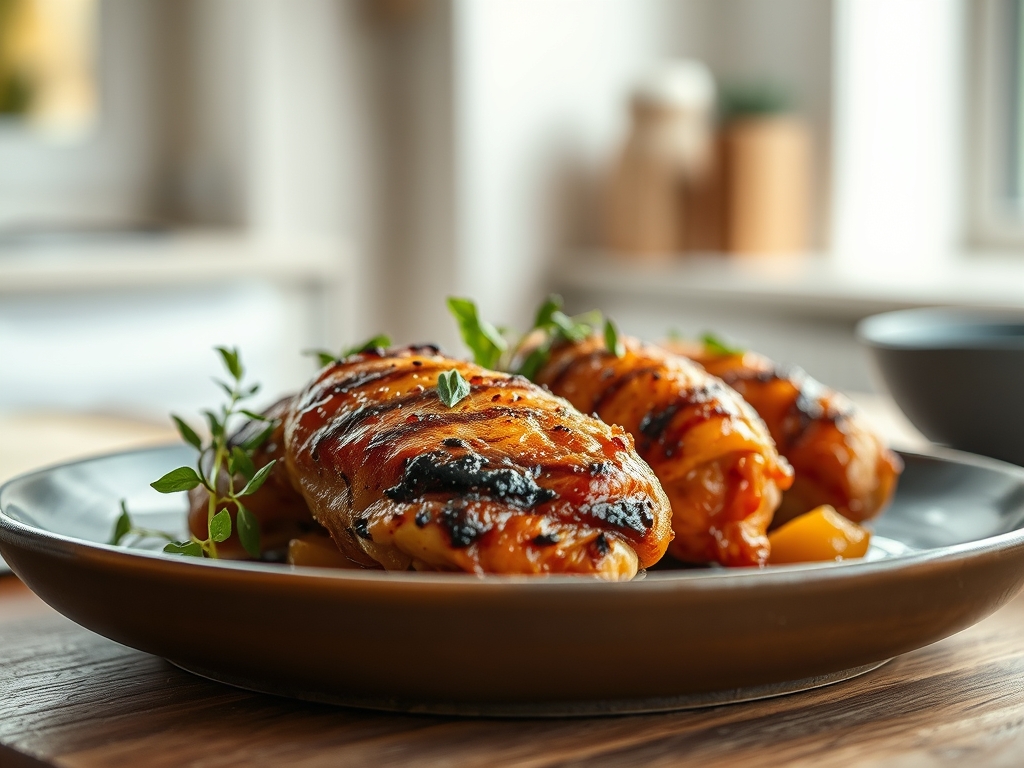
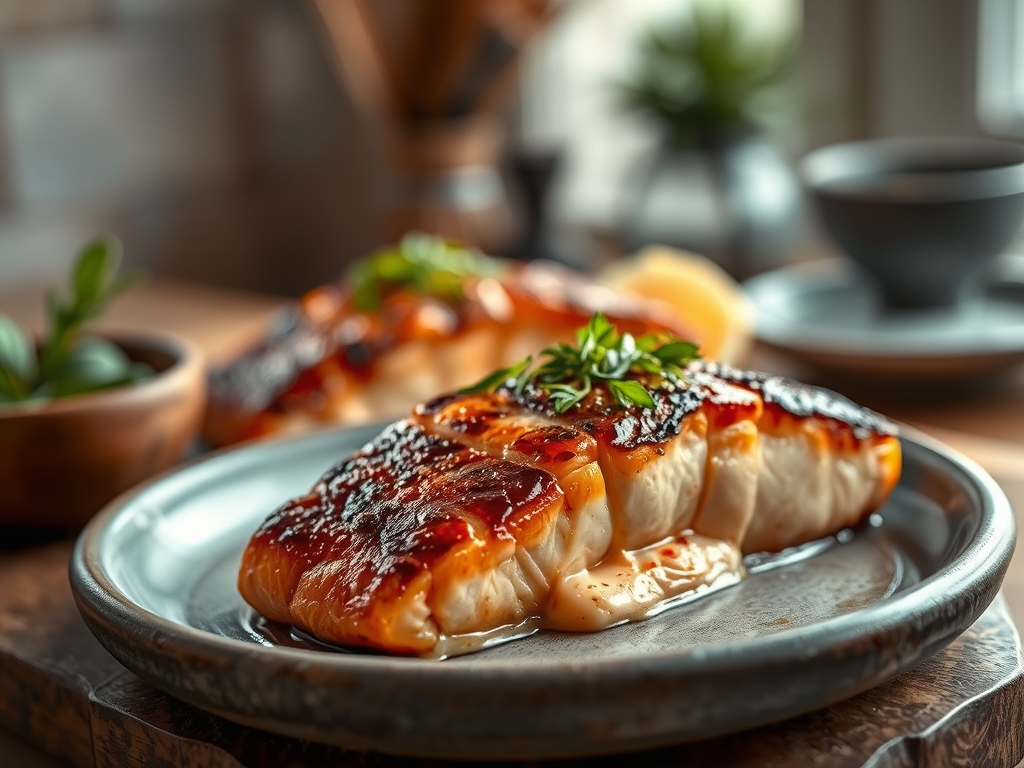
Picture this: a cool morning where the air is crisp and the scent of alder wood begins to curl around your patio. You are standing there with a cup of coffee, watching the thin blue smoke dance from your vent, knowing that inside, a transformation is occurring. We are not just cooking; we are practicing the ancient art of curing and convection. When it comes to mastering bradley smoker salmon recipes, the secret lies in the delicate balance between salt-driven moisture retention and the gentle kiss of low-temperature smoke. Most people treat salmon like a piece of steak, but we are going to treat it like silk. We want that translucent, buttery center paired with a tacky, lacquered exterior known as the pellicle. This is the ultimate culinary flex. Whether you are aiming for a classic hot-smoke or a nuanced maple-glaze, the Bradley Smoker provides the atmospheric stability needed to prevent the dreaded "white albumin" bleed. By the time we are finished, you will have a side of fish that looks like a sunset and tastes like a five-star lodge specialty.
The Gathers:
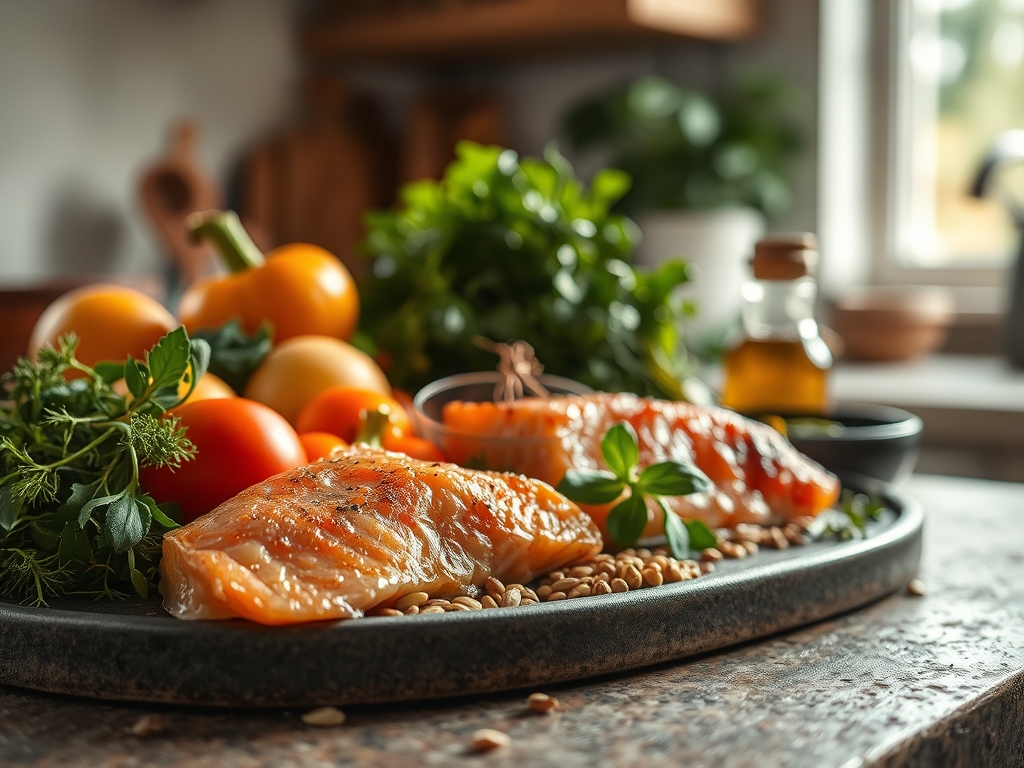
To achieve a professional-grade result, your mise-en-place must be precise. Start with a side of King or Atlantic salmon, weighing approximately three pounds. You will need a digital scale to measure your dry brine; precision here prevents the fish from becoming a salt lick. The base of our flavor profile involves a 2:1 ratio of dark brown sugar to coarse kosher salt. The sugar acts as a humectant, while the salt denatures the proteins to lock in juices.
You will also need a microplane to zest two lemons, adding a piquant citrus note that cuts through the fatty acids. Grab your saucier to melt a glaze of maple syrup, bourbon, and a hint of soy sauce. For the "Smart Substitutions," if you are avoiding refined sugar, coconut aminos and monk fruit sweetener offer a similar viscous quality without the glycemic spike. If alder wood is unavailable, fruitwoods like apple or cherry provide a subtle, sweet smoke profile that won't overwhelm the delicate Omega-3 oils. Always have a pair of offset tongs and a bench scraper nearby to handle the fillets without tearing the fragile muscle fibers.
The Clock
Efficiency in the kitchen is all about "Chef's Flow." Total active preparation time is roughly 30 minutes, but the passive time is where the magic happens. You must account for a 4 to 6-hour dry brine period. This is non-negotiable; it is the time required for the salt to penetrate the cellular structure. Following the brine, a 2-hour air-dry period in the refrigerator is essential to develop the pellicle.
The actual smoking process takes between 2.5 and 4 hours, depending on the thickness of your fillets and your desired level of firmness. We aim for an internal temperature of 145 degrees Fahrenheit, though many connoisseurs pull the fish at 135 degrees to allow for thermal carryover. Total turnaround time from fridge to table is approximately 10 to 12 hours. Plan to start the night before for a lunch service, or early morning for a dinner feast.
The Masterclass
1. The Precision Brine
Lay your salmon on a parchment-lined baking sheet. Mix your salt, sugar, and zest in a bowl, then coat the flesh side evenly. Use your fingers to massage the mixture into the thickest parts of the loin. Wrap tightly in plastic wrap to ensure maximum contact.
Pro Tip: This process uses osmotic pressure to draw moisture out of the fish, which then dissolves the salt and sugar into a concentrated brine that is reabsorbed. This seasons the fish to the core rather than just the surface.
2. The Pellicle Development
After brining, rinse the fish under cold water to remove excess salt. Pat it bone-dry with lint-free towels. Place the salmon on a wire rack over a sheet pan and set it in the fridge, uncovered, for at least two hours.
Pro Tip: Airflow is the catalyst for a tacky pellicle. This sticky surface layer is a protein film that acts as a "smoke magnet," allowing the wood particulates to adhere better for a deeper flavor profile.
3. Loading the Bradley
Preheat your smoker to 120 degrees Fahrenheit. This low starting temperature prevents the protein fibers from contracting too quickly. Place the salmon skin-side down on the racks, ensuring no pieces are touching to allow for even smoke circulation.
Pro Tip: Gradual temperature ramping prevents the denaturation of proteins from happening too violently, which is what causes the unsightly white albumin to squeeze out of the muscle fibers.
4. The Smoke Infusion
Insert your alder or maple bisquettes. Maintain a steady temperature of 120 degrees for the first hour, then increase to 140 degrees for the second hour. This "step-cooking" method ensures the interior remains succulent while the exterior firms up.
Pro Tip: Smoke absorption is most effective when the meat is cool and moist. By starting low, you maximize the infusion of aromatic compounds like syringol and guaiacol before the surface seals shut.
5. The Glaze Application
In the final hour of cooking, use a silicone pastry brush to apply your maple-bourbon reduction. The heat of the smoker will cause the sugars to render and concentrate, creating a glossy, professional finish.
Pro Tip: This is a form of enzymatic browning and caramelization. The reduction in moisture on the surface allows the sugars to bond with the smoke, creating a complex, savory-sweet crust.
6. The Temperature Check
Use a high-quality digital probe thermometer to check the thickest part of the fillet. You are looking for a "flake" texture. Once you hit 135-140 degrees, remove the racks from the smoker.
Pro Tip: Thermal carryover will continue to raise the internal temperature by 3 to 5 degrees after the fish is removed. Pulling early ensures the fats remain liquid and the texture stays buttery.
7. The Resting Phase
Transfer the salmon to a wooden board and tent loosely with foil. Let it rest for at least 15 minutes. This allows the internal juices to redistribute, ensuring every bite is equally moist.
Pro Tip: Resting allows the viscous fats to thicken slightly, which improves the mouthfeel and makes the fish easier to slice into clean, beautiful portions.
8. The Final Garnish
Before serving, hit the salmon with a final sprinkle of flaky sea salt and fresh dill. Use a bench scraper to lift the fillets cleanly off the skin if you prefer a skinless presentation.
Pro Tip: Adding fresh salt at the end provides a structural contrast to the deeply permeated salt from the brine, hitting the palate with an immediate "pop" of flavor.
The Deep Dive
From a nutritional standpoint, smoked salmon is a powerhouse. It is exceptionally high in Vitamin B12 and Vitamin D, alongside those famous Omega-3 fatty acids that support heart health. A 3-ounce serving typically contains about 18 grams of protein and 150 calories, making it a high-density, low-carb option.
For dietary swaps, Vegan friends can apply this exact brining and smoking technique to thick slabs of watermelon or carrots, though the timing will be significantly shorter. For Keto devotees, simply swap the brown sugar for an erythritol-based sweetener.
The Fix-It:
- Fish is too salty: You likely brined it too long or didn't rinse thoroughly. Fix it by flaking the fish into a cream-based pasta or dip to dilute the salinity.
- White gunk (Albumin) everywhere: The heat was too high too fast. Next time, start at a lower temp and use a water pan to buffer the heat.
- Dry texture: You overshot the internal temperature. To save it, brush the fish with a mixture of melted butter and lemon juice to reintroduce lipids.
Meal Prep: To maintain "day-one" quality, store leftovers in vacuum-sealed bags. When reheating, do not use a microwave; instead, use a heavy-bottomed skillet on low heat with a teaspoon of water, covered, to gently steam the fish back to life without overcooking.
The Wrap-Up
Mastering the nuances of the Bradley Smoker is a journey of patience and precision. By focusing on the science of the brine and the architecture of the pellicle, you elevate a simple piece of seafood into a masterpiece of texture and taste. These bradley smoker salmon recipes are more than just instructions; they are a blueprint for culinary confidence. Now, go grab your wood bisquettes, fire up the racks, and prepare to be the hero of your next brunch or dinner party. Your kitchen is now a high-end smokehouse!
The Kitchen Table
How do I prevent salmon from sticking to smoker racks?
Lightly coat your racks with a high-smoke-point oil like grapeseed oil. Alternatively, place the salmon on a piece of parchment paper cut slightly smaller than the fillet to allow smoke to circulate while preventing protein sticking.
What is the best wood for smoking salmon?
Alder is the gold standard for Pacific Northwest style salmon because it offers a light, sweet flavor. Fruitwoods like apple or cherry are excellent alternatives for a subtler, sweeter finish that does not mask the natural oils.
Why is my smoked salmon tough or rubbery?
Toughness usually results from skipping the brining process or overcooking the fish. Ensure you use a digital thermometer to pull the salmon at 135-140 degrees Fahrenheit to maintain a delicate, flaky, and moist internal structure.
Can I smoke frozen salmon successfully?
Yes, but it must be completely thawed in the refrigerator first. Frozen fish often has more broken cell walls, so a firm dry brine is even more critical to help rebuild the texture before it hits the smoker.