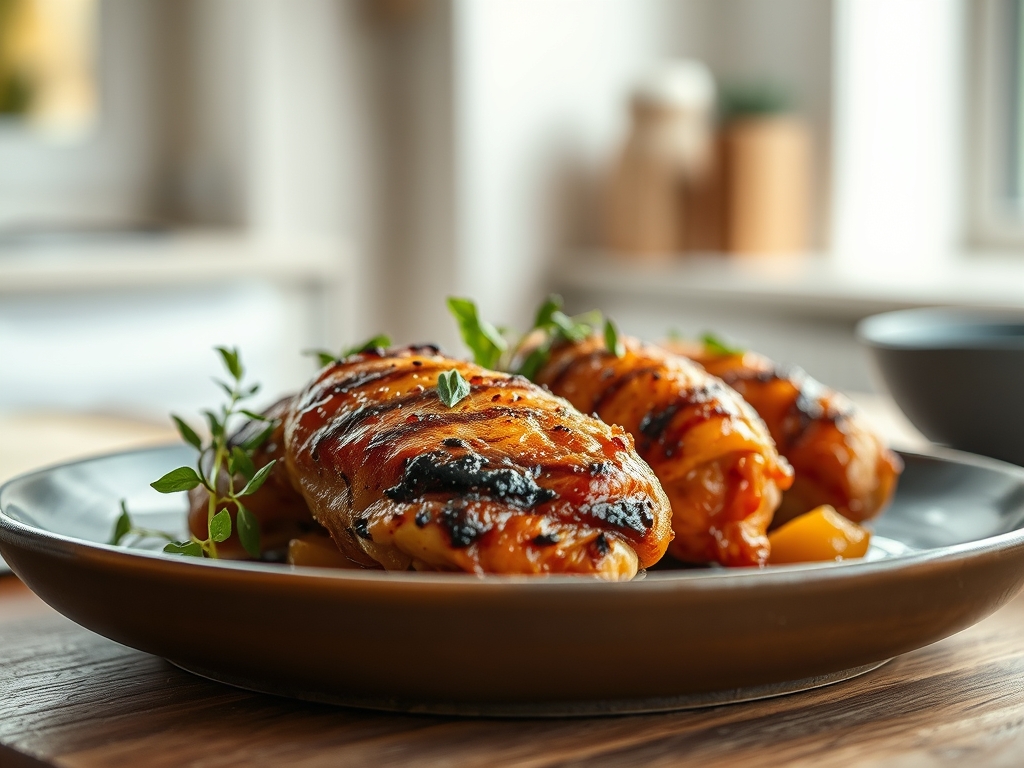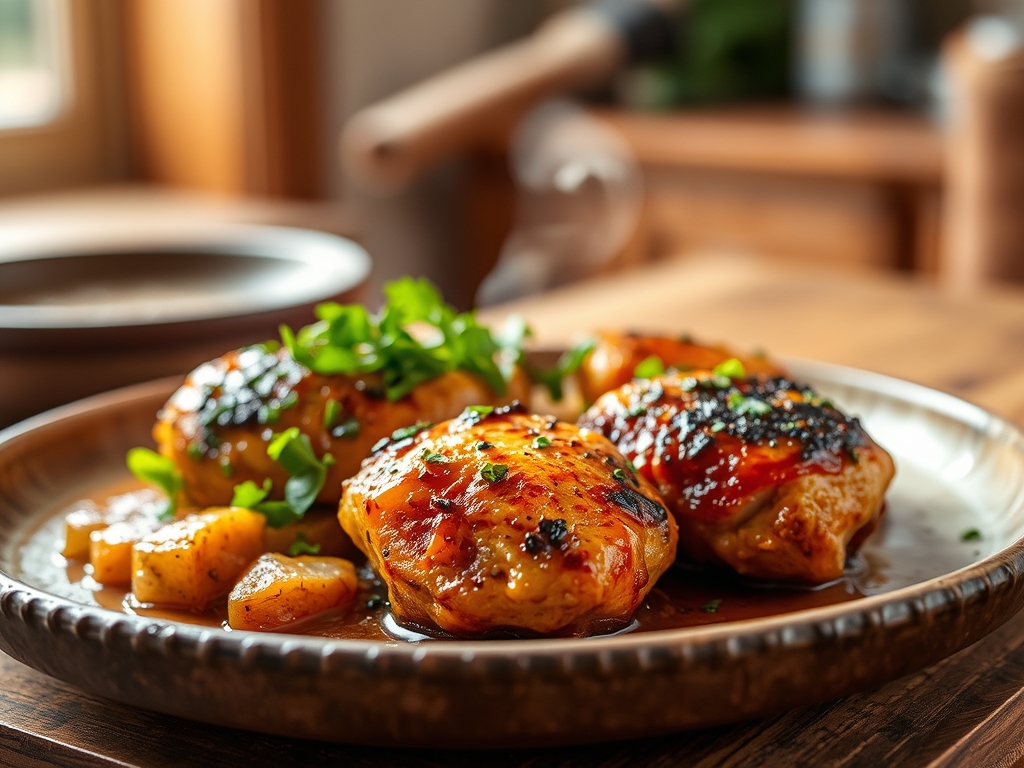
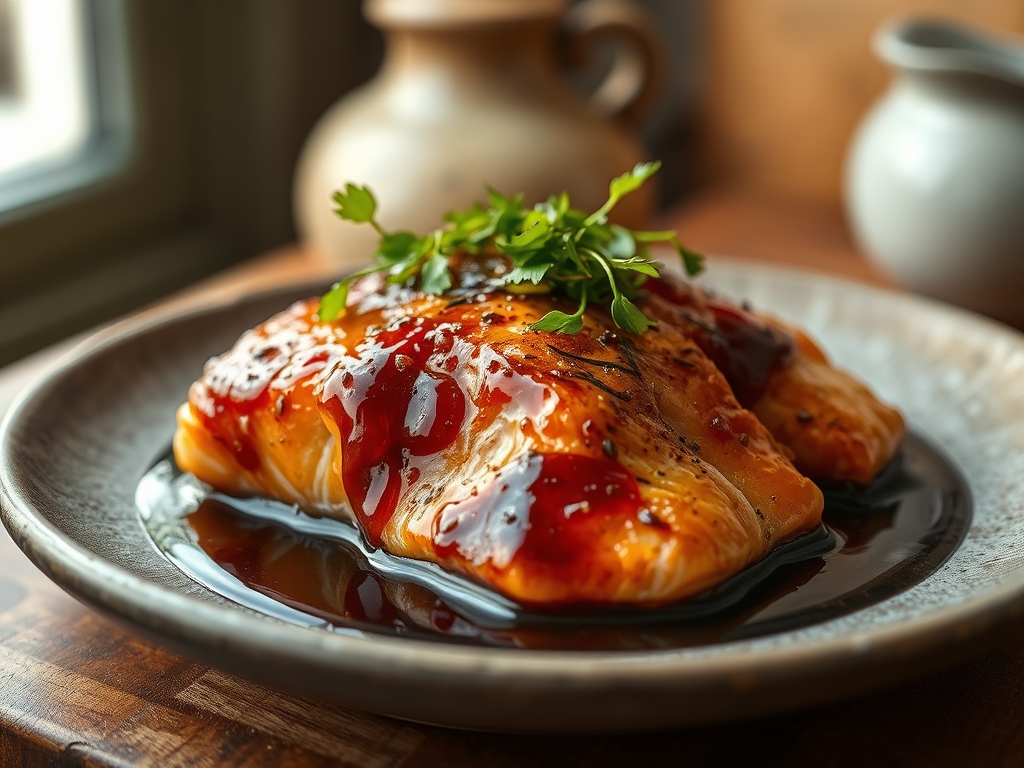
Picture this: you are pulling a heavy sheet pan out of the oven, and the air in your kitchen is thick with the scent of toasted molasses and salty umami. That shimmering, mahogany crust on the fillet is not just luck; it is chemistry. When you master baked salmon recipes brown sugar soy sauce becomes your secret weapon for a weeknight dinner that feels like a five-star event. The sugar caramelizes against the fatty acids of the fish, creating a lacquered finish that shatters under your fork to reveal buttery, translucent flakes. It is the ultimate balance of sweet and savory, and once you understand the science of the sear, you will never settle for a dry, lackluster fillet again. We are going beyond the basic drizzle to explore seven high-impact variations that will transform your culinary repertoire.
The Gathers:
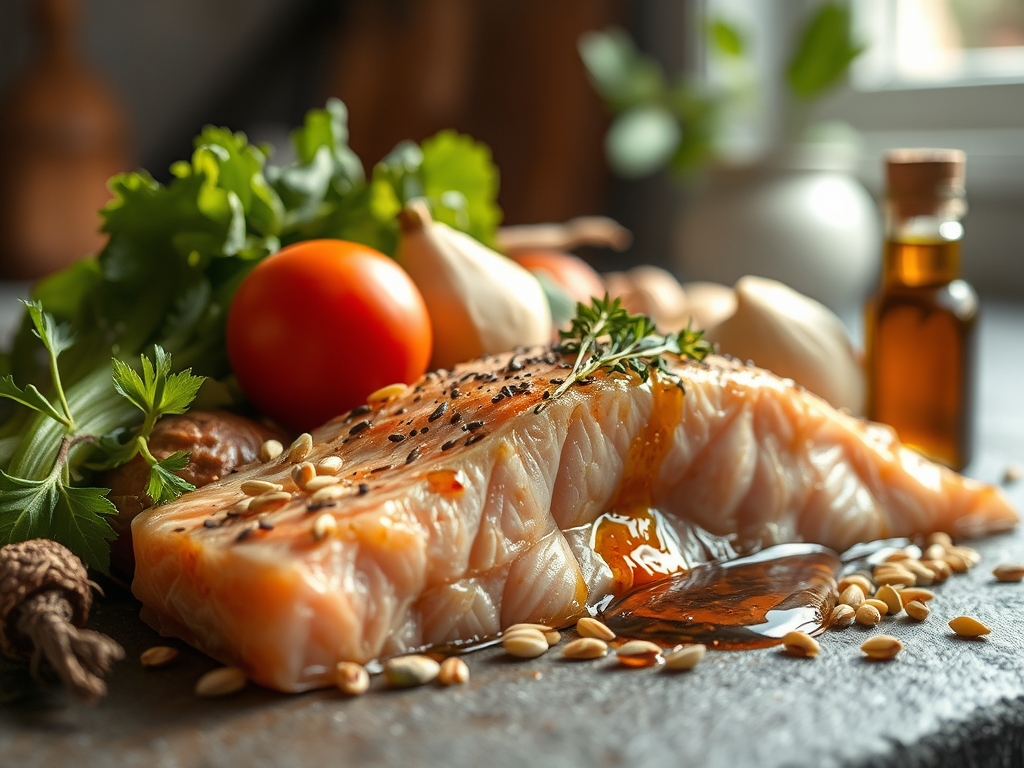
Before we touch the heat, we must respect the mise-en-place. Your workstation should feature a heavy-bottomed skillet or a rimmed baking sheet lined with parchment to prevent the sugars from scorching. The foundation of our glaze starts with dark brown sugar; its high molasses content provides the viscous texture needed to cling to the protein. Pair this with a high-quality, naturally brewed soy sauce to introduce complex salt notes and amino acids.
You will also need aromatics. Reach for your microplane to grate fresh ginger and garlic into a fine paste. This increases the surface area, allowing the essential oils to infuse the glaze more rapidly. For the fat component, use toasted sesame oil or melted unsalted butter to create a stable emulsion.
Smart Substitutions:
If you are out of brown sugar, coconut sugar offers a similar depth with a lower glycemic index. For those avoiding soy, liquid aminos or coconut aminos provide that essential saltiness without the gluten. If you want to brighten the profile, a splash of rice vinegar or lime juice will provide a piquant counterpoint to the richness of the fish. Always use a digital scale for your dry ingredients to ensure consistent results every time you hit the kitchen.
The Clock
Efficiency in the kitchen is about "Chef's Flow." You are looking at a total active prep time of 10 minutes, with a cook time ranging from 12 to 15 minutes depending on the thickness of your fillets. The goal is to reach an internal temperature of 125 degrees Fahrenheit for a medium-rare finish, allowing for thermal carryover to bring it to the perfect 135 degrees. While the oven preheats to 400 degrees, you should be whisking your glaze in a small saucier over low heat. This brief reduction ensures the sugar is fully dissolved and the flavors are concentrated before they ever touch the salmon.
The Masterclass
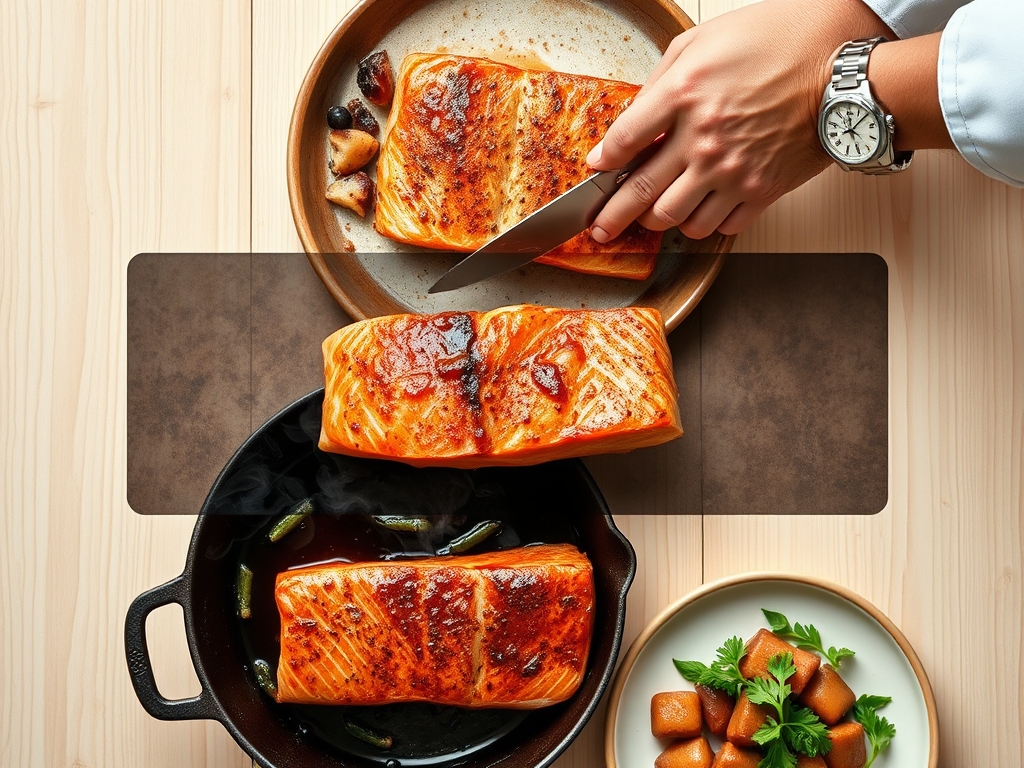
1. Temper the Protein
Take your salmon out of the refrigerator 20 minutes before cooking. Cold protein hitting a hot pan causes the muscle fibers to contract violently, squeezing out moisture.
Pro Tip: This practice ensures even heat distribution. If the center is icy while the exterior is hot, you risk a rubbery outer layer and a raw core.
2. The Desiccating Pat
Use a paper towel to bone-dry the surface of the fish. Moisture is the enemy of the Maillard reaction.
Pro Tip: Evaporating surface water requires immense energy. By removing it manually, the heat can immediately begin browning the sugars and proteins rather than wasting time steaming the fish.
3. Construct the Emulsion
In your saucier, combine the soy, sugar, and aromatics. Whisk vigorously to aerate the mixture slightly and ensure the oil and water-based liquids are unified.
Pro Tip: A stable emulsion prevents the glaze from breaking in the oven, which would result in a greasy film rather than a glossy coating.
4. The Initial Roast
Place the salmon skin-side down on your prepared tray. Brush a thin layer of glaze over the top. Bake for 8 minutes to set the structure of the fish.
Pro Tip: Applying all the glaze at once can lead to burning. Layering the sauce allows for a more complex, built-up lacquer.
5. The Final Glaze and Broil
Remove the tray and apply a second, thicker layer of glaze. Switch your oven to the broil setting for the final 2 to 3 minutes.
Pro Tip: This intense overhead heat triggers enzymatic browning and caramelization, creating that signature crust without overcooking the delicate interior.
6. The Rest
Transfer the fillets to a warm plate using a wide fish spatula. Let them rest for at least 5 minutes.
Pro Tip: Resting allows the internal juices to redistribute. If you cut in too early, the moisture will leak out, leaving the salmon dry.
The Deep Dive
From a macro perspective, this dish is a powerhouse. You are getting high-quality omega-3 fatty acids and roughly 25 grams of protein per 4-ounce serving. To keep it keto-friendly, swap the brown sugar for a monk fruit erythritol blend. For a vegan "salmon" alternative, this glaze works beautifully on thick slabs of roasted cauliflower or firm tofu that has been pressed to remove excess water.
The Fix-It: Common Pitfalls
- The Glaze is Too Runny: If your sauce slides off the fish, you likely did not reduce it enough. Simmer it in the saucier for an extra three minutes until it coats the back of a spoon.
- The Sugar is Burning: If you see black smoke, your rack is too high. Move the tray to the middle position and tent the fish with foil.
- Albumin Bleed: Those white spots on the salmon are just coagulated protein. It happens when the fish cooks too fast. To fix it, lower your oven temp by 25 degrees next time and use a digital thermometer to monitor progress.
Meal Prep and Reheating:
To maintain "day-one" quality, do not microwave your leftovers on high. Instead, place the salmon in a covered pan with a tablespoon of water over low heat. This creates a gentle steam environment that rehydrates the proteins without toughening them.
The Wrap-Up
Mastering baked salmon recipes brown sugar soy sauce is a rite of passage for any home cook looking to bridge the gap between simple and sophisticated. It is all about the tension between the salt of the soy and the deep, earthy sweetness of the sugar. By utilizing professional tools like a microplane and a fish spatula, and respecting the science of the Maillard reaction, you turn a basic fillet into a culinary masterpiece. Now, go grab your heavy-bottomed skillet and get glowing!
The Kitchen Table
How do I prevent the salmon skin from sticking?
Always start with a cold-pressed oil with a high smoke point on your parchment paper. Ensure the skin is completely dry before placing it down. A thin layer of fat acts as a barrier, allowing for a clean release with a bench scraper.
Can I make the glaze in advance?
Yes, you can whisk the ingredients in a saucier and store it in an airtight jar for up to a week. The flavors will actually infuse and deepen over time, making the garlic and ginger notes more pronounced and complex.
What is the best way to tell if salmon is done?
Use a digital thermometer to check the thickest part of the fillet. You are aiming for 130 to 135 degrees Fahrenheit. Alternatively, the fish should flake easily with a fork and appear opaque rather than translucent in the center.
Why is my brown sugar glaze grainy?
Graininess occurs when the sugar crystals haven't fully dissolved. Heat your soy sauce and sugar mixture gently in a saucier before applying it to the fish. This ensures a smooth, viscous liquid that will caramelize evenly in the oven.