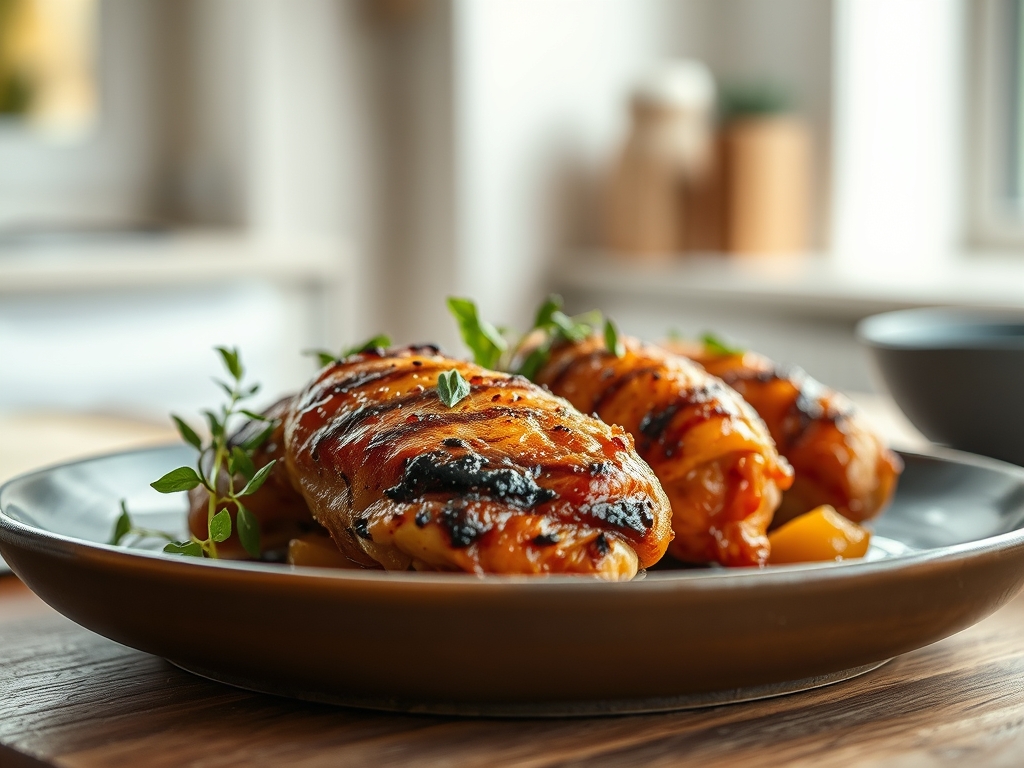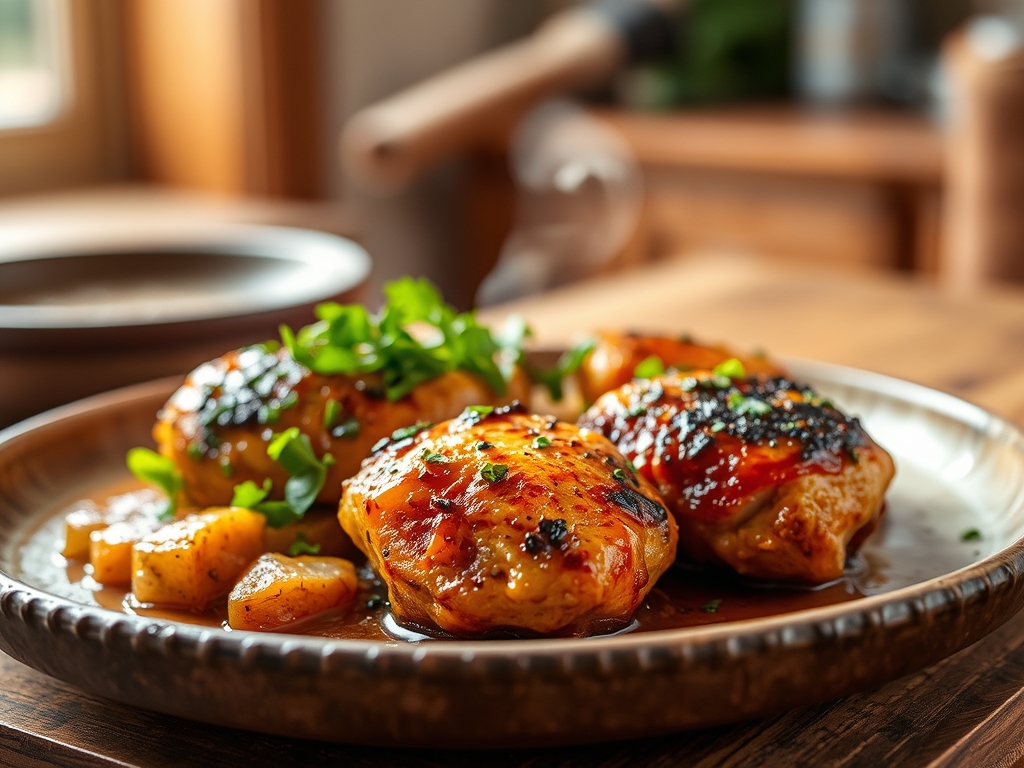
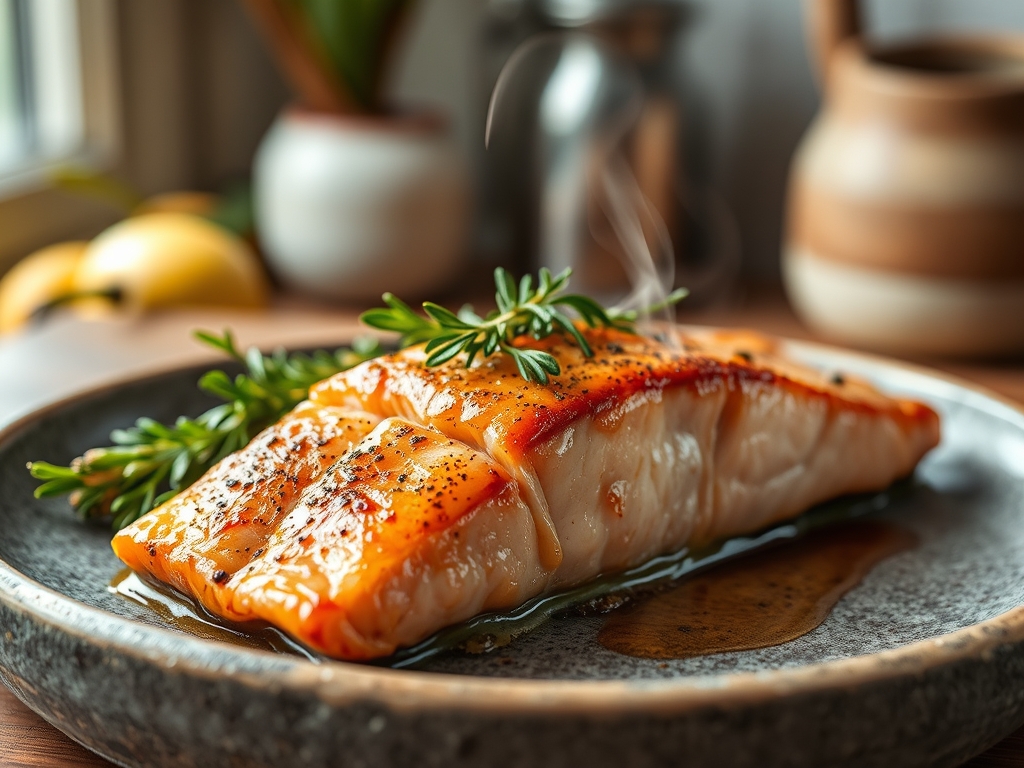
Picture this: a heavy-bottomed skillet sizzling on the stovetop, the aroma of rendered omega-3 fats mingling with piquant lemon zest and toasted garlic. There is a specific kind of magic that happens when a cold fillet of Atlantic salmon hits a searing hot surface. The immediate hiss is the sound of moisture evaporating, paving the way for the glorious Maillard reaction that transforms pale pink flesh into a crust of golden, savory perfection. Finding reliable salmon recipes for meal prep can feel like a gamble because nobody wants a dry, chalky lunch on a Tuesday afternoon. However, when you master the interplay of heat, acidity, and timing, salmon becomes the ultimate powerhouse for your weekly rotation. It is sleek, sophisticated, and packed with the kind of brain-fueling nutrients that keep you sharp during a three o'clock meeting. We are moving past the days of sad, soggy fish. We are entering the era of the "smart prep," where every flake is succulent and every bite feels like it was just plated in a high-end bistro.
The Gathers:
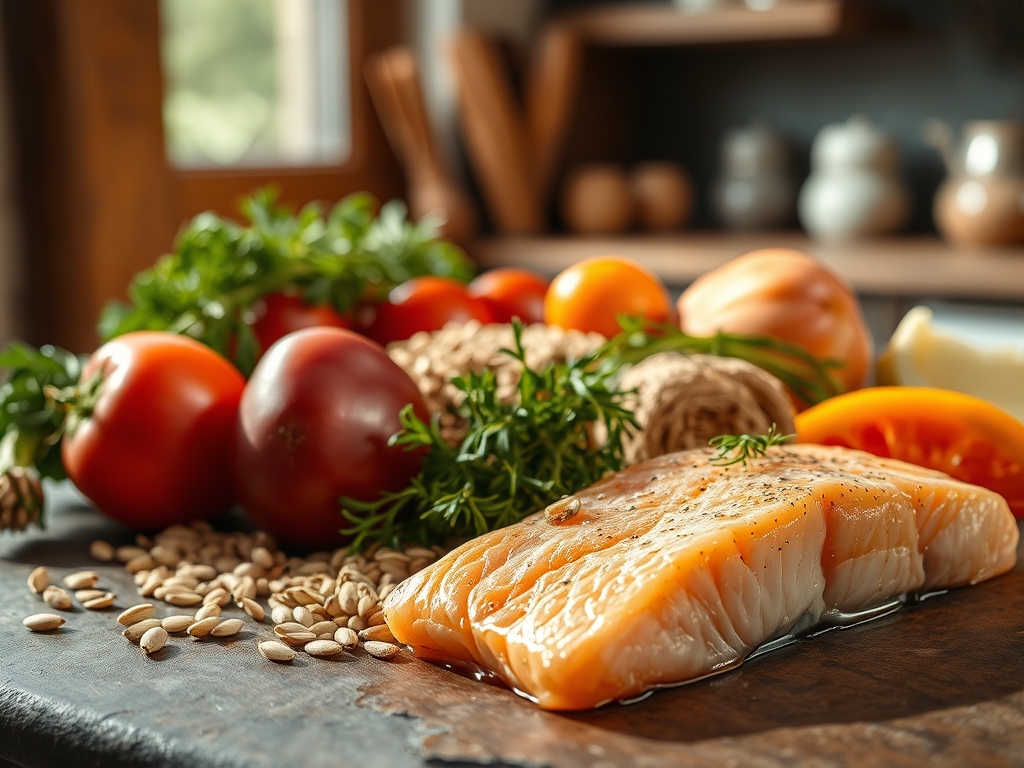
To execute these salmon recipes for meal prep with precision, your mise-en-place must be immaculate. Start with high-quality, center-cut fillets; these offer a uniform thickness that ensures even thermal distribution. You will need a viscous marinade base, such as high-smoke-point avocado oil or toasted sesame oil, to protect the delicate proteins. Gather your aromatics: fresh ginger for heat, microplaned garlic for an infused punch, and bright herbs like dill or cilantro to provide a herbaceous lift.
For the "Smart Substitutions," consider using liquid aminos instead of soy sauce if you are monitoring sodium, or swap honey for maple syrup to achieve a more complex, earthy sweetness during caramelization. If you find yourself without fresh citrus, a splash of rice vinegar provides that essential acid to cut through the fatty richness of the fish. Always keep a bowl of flaky sea salt and a pepper mill nearby; seasoning from a height ensures an even distribution of crystals across the entire surface area of the fillet.
The Clock:
Efficiency in the kitchen is all about the "Chef's Flow." For seven days of meals, expect a total active prep time of 25 minutes and a cook time of roughly 15 minutes. The secret is parallel processing. While your oven preheats to a steady 400 degrees Fahrenheit, you should be utilizing your bench scraper to clear your cutting board and your saucier to whisk together dressings.
The "Flow" dictates that you start with the items that require the longest thermal exposure, such as roasted root vegetables or hearty grains like farro. By the time your base components are simmering, your salmon is ready for its quick sear or bake. This synchronized approach prevents the fish from sitting out at room temperature for too long, maintaining its structural integrity and food safety.
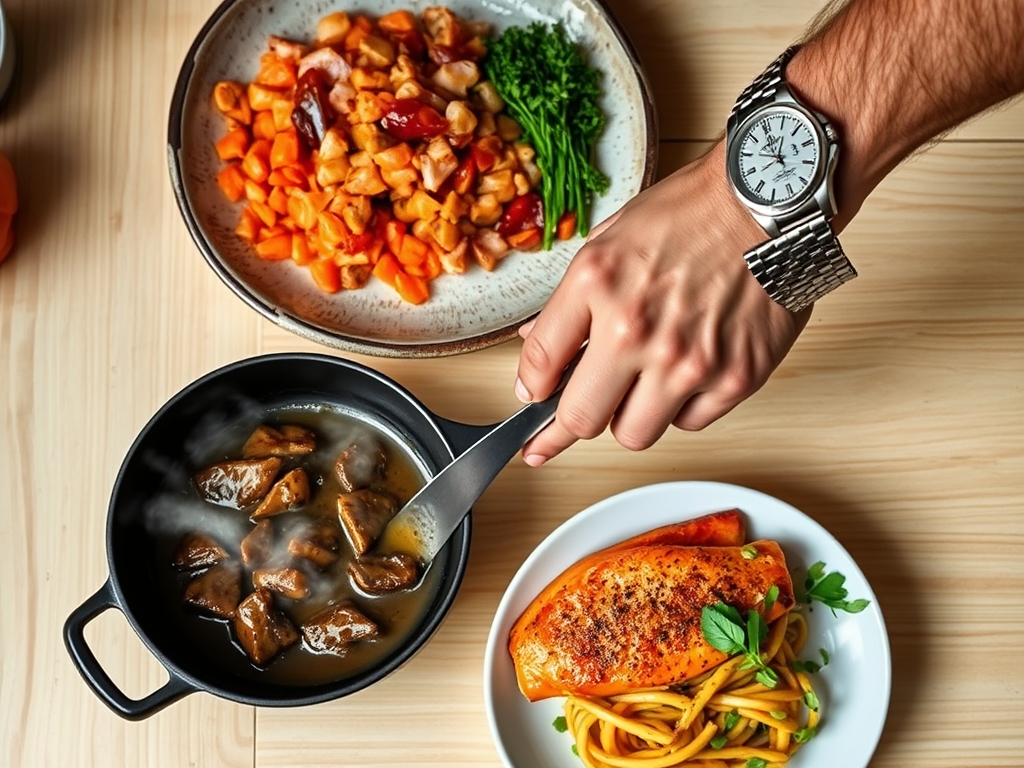
The Masterclass:
1. The Precision Sear
Pat each fillet bone-dry with a paper towel. Moisture is the enemy of a crisp crust; any residual water will create steam, leading to a rubbery texture. Place your heavy-bottomed skillet over medium-high heat until the oil shimmers. Lay the salmon skin-side down, pressing gently with a flexible spatula to ensure maximum surface contact.
Pro Tip: This technique utilizes thermal conduction. By keeping the skin in contact with the pan for 80 percent of the cooking time, you create a heat shield that protects the delicate flesh from overcooking while rendering the subcutaneous fat into a crispy delight.
2. The Emulsified Glaze
While the salmon sears, whisk together your glaze components: miso paste, honey, and a splash of mirin. Use a microplane to grate fresh ginger directly into the bowl. This creates a stable emulsion that will cling to the fish rather than sliding off into the pan.
Pro Tip: This step relies on enzymatic browning. The sugars in the honey and the amino acids in the miso undergo a rapid Maillard reaction when basted over the fish in the final minutes, creating a deep, savory umami profile.
3. The Gentle Finish
Flip the fillets using tongs and cook for a mere 60 to 90 seconds on the flesh side. Remove the pan from the heat source immediately. Use a digital scale to portion your grains into containers while the fish rests.
Pro Tip: Understand thermal carryover. Salmon will continue to rise in temperature by 5 to 10 degrees after being removed from the heat. Pulling it at 135 degrees Fahrenheit ensures it reaches the perfect, flaky 145-degree mark by the time you sit down to eat.
The Deep Dive:
When we look at the macro nutrition of these salmon recipes for meal prep, we are targeting a profile high in monounsaturated fats and lean protein. A standard 6-ounce serving provides roughly 34 grams of protein and 18 grams of healthy fats. For those following a Keto protocol, pair your salmon with roasted asparagus and a lemon-butter sauce. Vegan friends can swap the salmon for firm tofu pressed and seared using the same glazing technique. If you are Gluten-Free, ensure your tamari or liquid aminos are certified.
The Fix-It:
- The White Gunk: If you see white substance (albumin) pushing out of the fish, your heat is too high. Fix: Lower the temperature and use a slower cooking method next time.
- The Stick: If the fish clings to the pan, do not force it. Fix: The fish will naturally release once the proteins have sufficiently denatured and formed a crust.
- The Soggy Skin: If your meal prep skin turns soft, it was likely trapped in steam. Fix: Store the salmon skin-side up in the container and leave the lid slightly ajar until it cools completely.
Reheating Science:
To maintain "day-one" quality, avoid the microwave if possible. The high-intensity waves cause the water molecules to vibrate violently, toughening the protein fibers. Instead, use a toaster oven at 300 degrees Fahrenheit with a splash of water or broth in the tray to create a gentle steam. This rehydrates the exterior without turning the interior into leather.
The Wrap-Up:
Mastering salmon recipes for meal prep is the ultimate gift to your future self. It is the intersection of high-level culinary science and practical lifestyle management. By respecting the thermal properties of the fish and utilizing professional tools like the heavy-bottomed skillet and digital scale, you elevate a simple lunch into a gourmet experience. You now have the technical prowess to ensure every fillet is a masterpiece of texture and flavor. Go forth, deglaze those pans, and enjoy the most sophisticated meal prep of your life!
The Kitchen Table:
How do I prevent my meal prep salmon from smelling fishy?
Always start with extremely fresh, cold fillets. Rinse them gently and pat them completely dry. The "fishy" odor comes from trimethylamine (TMA) which develops as fish ages. Adding an acid like lemon juice or vinegar during reheating can also neutralize these odors.
What is the best way to store cooked salmon?
Place the cooled salmon in airtight glass containers to prevent flavor transfer. Store it in the coldest part of your refrigerator for up to three days. For the best texture, keep sauces or dressings in separate small containers until you are ready to serve.
Can I freeze cooked salmon for meal prep?
Yes, though the texture may change slightly. Wrap individual portions tightly in parchment paper and then place them in a freezer-safe silicone bag. Thaw overnight in the refrigerator before gently reheating. This prevents ice crystals from damaging the delicate protein structures.
How do I know if my salmon is perfectly cooked?
Use a digital thermometer to check for an internal temperature of 145 degrees Fahrenheit. Alternatively, use a fork to gently press the thickest part of the fillet; if it flakes easily along the white fat lines, it is ready to eat.