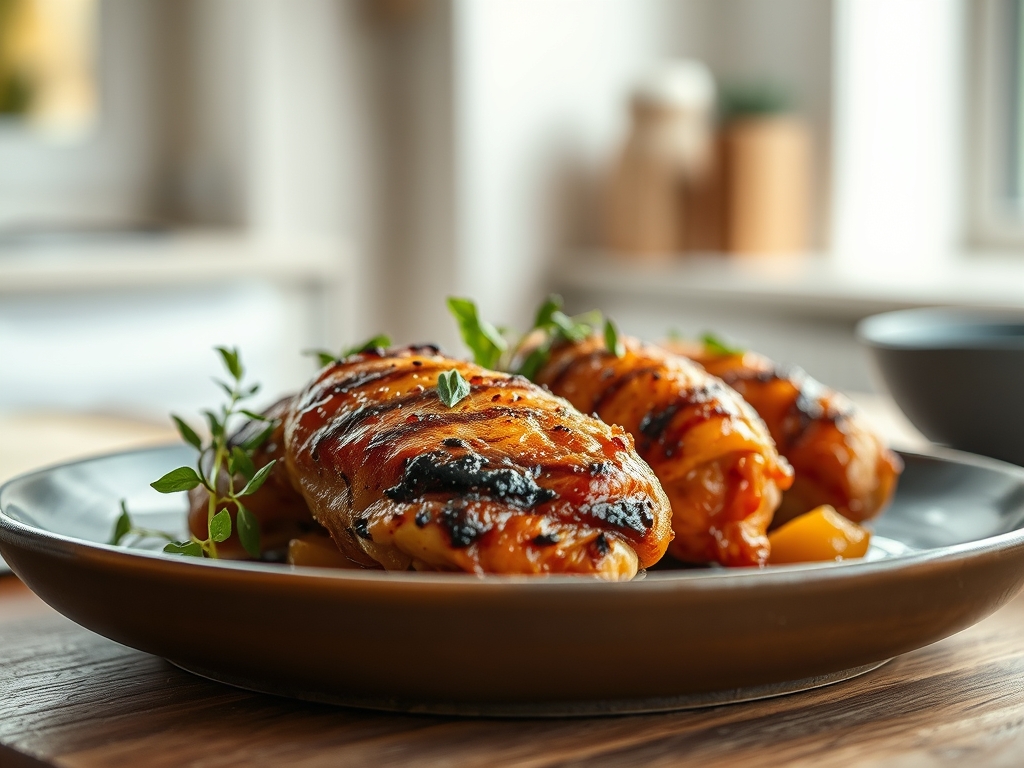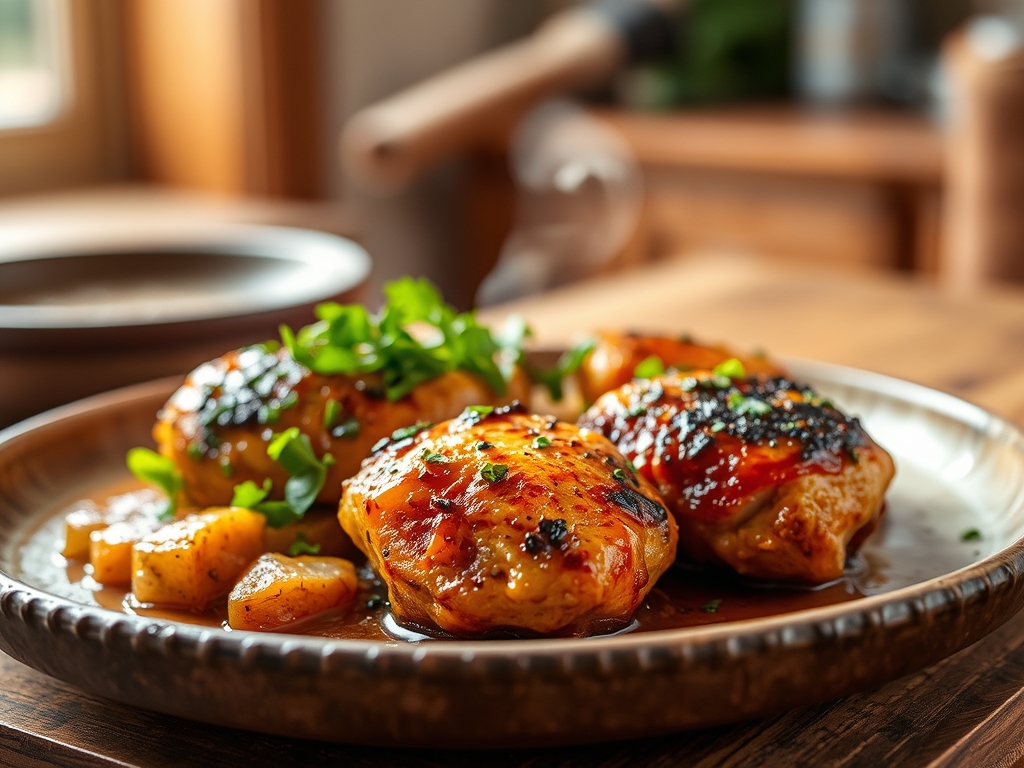
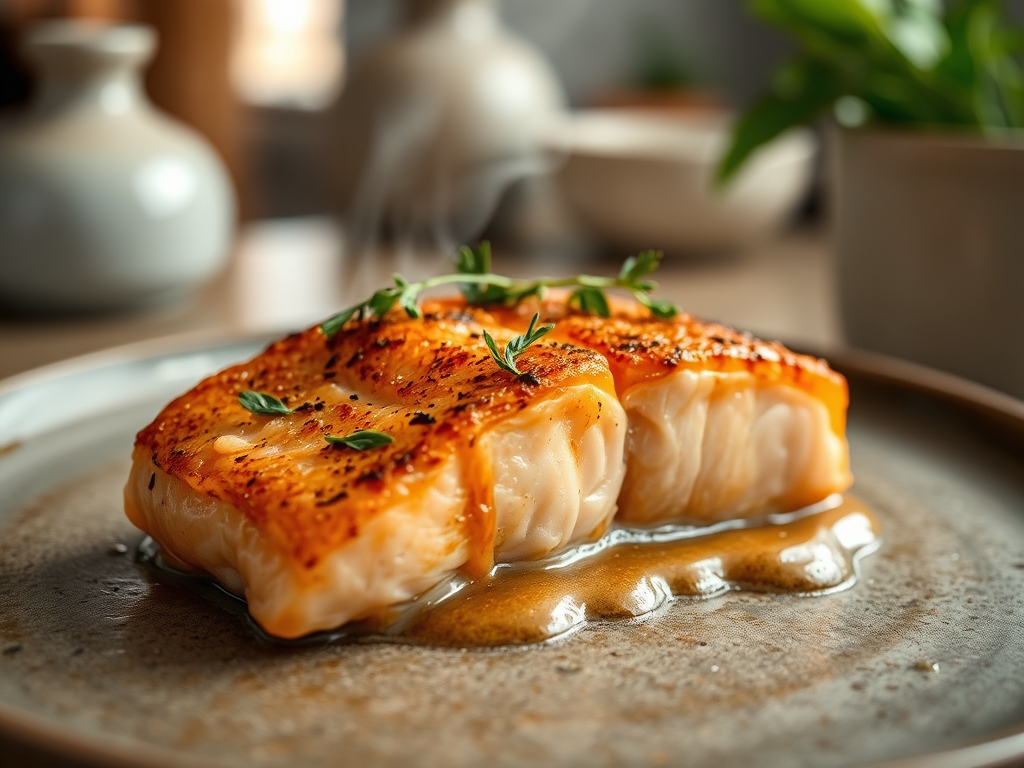
Picture the scene: a heavy-bottomed skillet rests on the burner, the surface shimmering with a thin veil of oil just beginning to reach its smoke point. You drop a cold, salt-cured fillet into the pan and the sound is instantaneous; a violent, rhythmic hiss that signals the start of the Maillard reaction. This is the sensory peak of the kitchen. When you are hunting for easy to make salmon recipes, you are not just looking for speed. You are looking for that perfect intersection of a glass-like, crispy skin and a translucent, buttery center that flakes at the mere suggestion of a fork. We have all been there, staring at a dry, chalky piece of fish and wondering where the magic went. The secret is not in a complicated 20-step process. It is in the physics of heat transfer and the chemistry of protein denaturation. Today, we are stripping away the fluff to master the ten essential secrets that turn a basic weeknight meal into a five-star culinary event.
The Gathers:
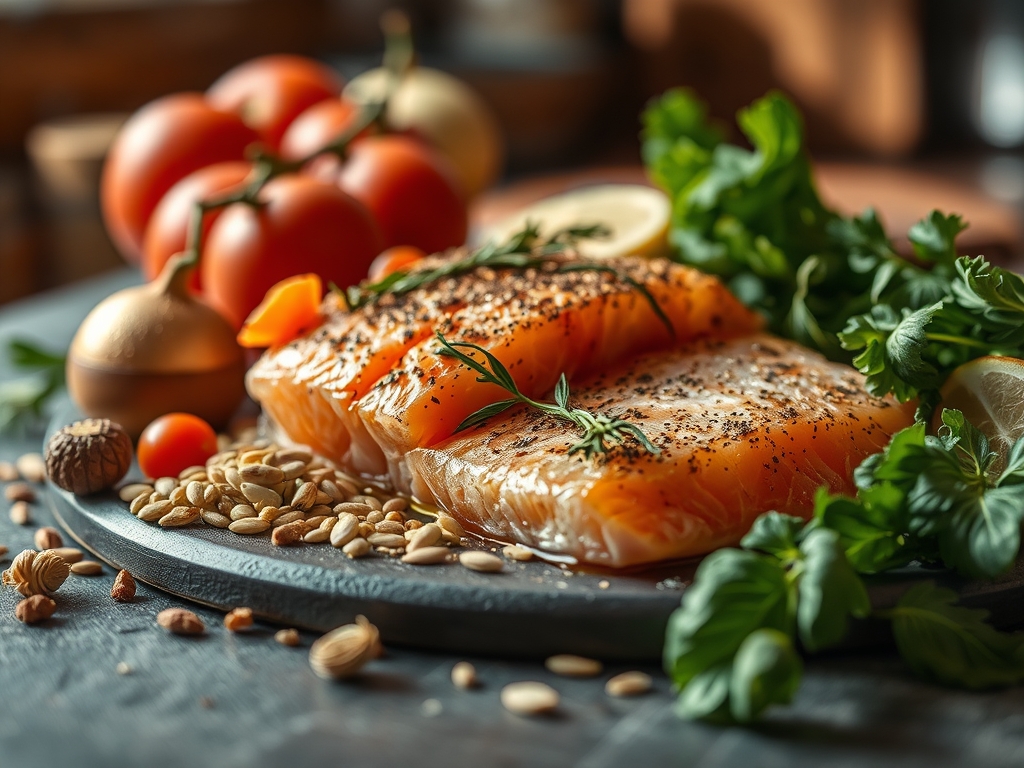
To execute these easy to make salmon recipes with precision, your mise-en-place must be intentional. Start with the centerpiece: high-quality Atlantic or King salmon. Look for flesh that is firm to the touch with no "gapping," which indicates the connective tissue is still intact. You will need a high-smoke-point fat like avocado oil or clarified butter; extra virgin olive oil will oxidize and turn bitter under high heat. Grab your microplane for zesting citrus and grating fresh ginger to create a piquant aromatic base. A digital scale is your best friend here to ensure your fillets are uniform in weight, which guarantees they cook at the same rate.
Smart Substitutions: If you are out of fresh lemons, a splash of rice vinegar provides that necessary acidity to cut through the fatty acids of the fish. No honey for your glaze? Maple syrup offers a more complex, woody sweetness that caramelizes beautifully. If you find yourself without a heavy-bottomed skillet, a cast iron pan is the gold standard for heat retention, ensuring the pan temperature does not drop the moment the cold fish hits the surface.
The Clock
The beauty of these methods lies in the "Chef's Flow." This is the art of overlapping tasks so that no second is wasted. Your total active prep time should never exceed ten minutes. While your salmon sits on the counter to lose its refrigerator chill (a process that prevents the muscle fibers from seizing up), you should be whisking your glaze or prepping your greens.
The cooking phase is a sprint. Most fillets require exactly six to eight minutes of total heat exposure. We follow the 70/30 rule: cook the fish 70 percent of the way on the skin side to render the subcutaneous fat and create a structural crust, then flip for the final 30 percent to gently finish the interior. Including a five-minute rest period is non-negotiable. This allows the internal juices to redistribute, ensuring every bite is succulent rather than leaking onto the plate.
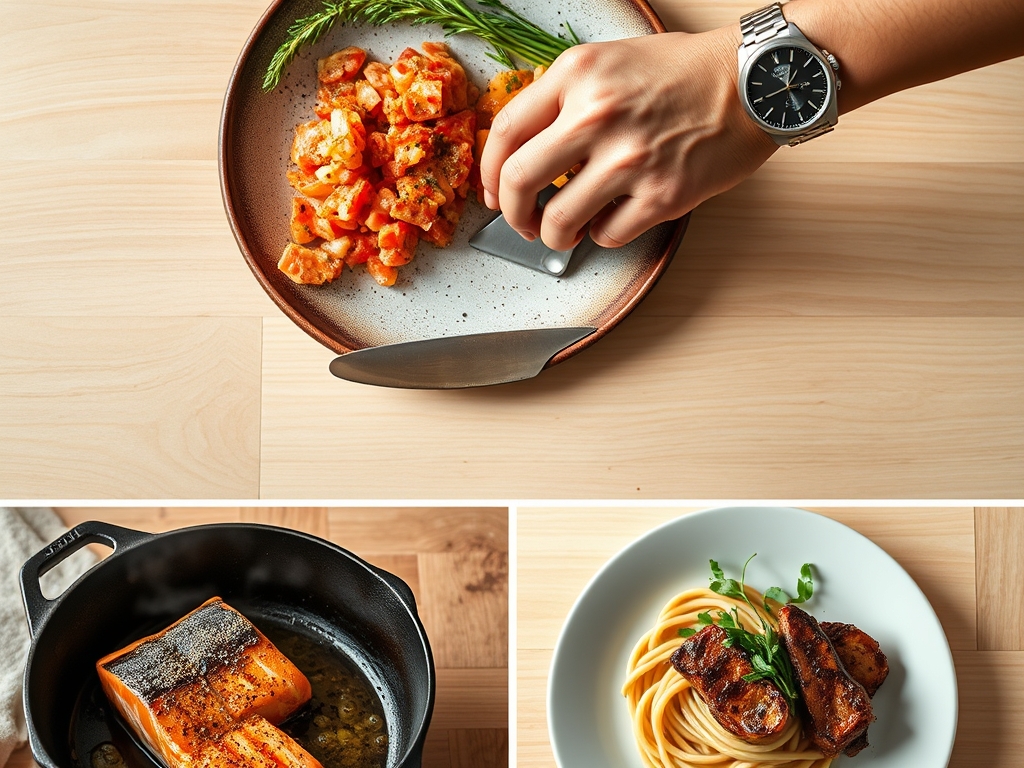
The Masterclass
1. The Surface Prep
Before the fish ever touches the pan, use a paper towel to pat the skin bone-dry. Moisture is the enemy of crispiness because it creates a layer of steam between the heat and the protein.
Pro Tip: This prevents the "Leidenfrost effect" where a layer of vapor keeps the fish from making direct contact with the pan, ensuring a faster and more even sear.
2. The Salt Cure
Season your salmon with kosher salt at least fifteen minutes before cooking. This allows the salt to penetrate the surface and break down the protein structure, which helps the fish retain its natural moisture during the heating process.
Pro Tip: This is known as denaturation. By pre-salting, you create a more tightly knit protein matrix that traps water molecules inside the cells.
3. The Cold Pan Start
For ultra-crispy skin without overcooking the flesh, start your salmon in a cold, non-stick pan and then turn the heat to medium-high. This allows the fat under the skin to render slowly as the pan heats up.
Pro Tip: Gradual heat prevents the albumin (the white protein) from being squeezed out of the muscle fibers too quickly, keeping the fillet clean and aesthetic.
4. The Weight Technique
Use a bench scraper or a heavy spatula to press down on the fillet for the first thirty seconds of searing. Salmon tends to curl as the skin contracts under heat.
Pro Tip: Maintaining flat contact with the pan ensures an even distribution of thermal energy, preventing hot spots and uneven browning.
5. The Butter Baste
In the final two minutes of cooking, drop a knob of cold butter and a crushed garlic clove into the pan. Use a saucier spoon to continuously bathe the fish in the foaming fat.
Pro Tip: This process, known as arrosage, adds a rich mouthfeel and uses the milk solids in the butter to accelerate the Maillard reaction on the flesh side.
6. The Acid Balance
Always finish your salmon with a bright acid. Whether it is a squeeze of charred lime or a dash of verjuice, the acidity acts as a chemical foil to the rich, viscous fats of the fish.
Pro Tip: Acid triggers salivation, which enhances your perception of the subtle flavors in the salmon's fat.
7. The Carryover Control
Remove the salmon from the heat when the internal temperature hits 125 degrees Fahrenheit. It will continue to rise to a perfect 130-135 degrees as it rests.
Pro Tip: This is thermal carryover. If you wait until it looks "done" in the pan, the residual heat will push it into the "overcooked and dry" zone within minutes.
8. The Glaze Infusion
If using a sugar-based glaze, apply it only in the last sixty seconds. High sugar content burns rapidly, turning a sweet sauce into a bitter, charred mess.
Pro Tip: This creates a gastrique effect, where the sugars emulsify with the rendered fish fats to create a sticky, glossy coating.
9. The Gentle Flip
Use tongs with a delicate touch or a fish spatula to turn the fillet. You want to avoid piercing the flesh, which would allow the internal juices to escape.
Pro Tip: Preserving the integrity of the surface tension keeps the interior steaming in its own moisture.
10. The Rest Period
Transfer the fish to a warm plate and let it sit for five minutes. Do not tent it with foil, as the trapped steam will soften the crispy skin you worked so hard to achieve.
Pro Tip: Resting allows the muscle fibers to relax and reabsorb the moisture that was pushed toward the center during cooking.
The Deep Dive
From a nutritional standpoint, salmon is a powerhouse of Omega-3 fatty acids, specifically EPA and DHA, which are essential for cognitive function. A standard six-ounce fillet provides roughly 34 grams of high-quality protein and is naturally low in carbohydrates, making it a staple for Keto and Paleo lifestyles.
Dietary Swaps: For a vegan alternative, "salmon" can be mimicked using marinated, steamed carrots or pressed tofu seasoned with liquid smoke and dulse flakes for that oceanic salinity. If you are Gluten-Free, ensure your soy-based glazes use Tamari or coconut aminos to avoid hidden wheat thickeners.
The Fix-It:
- The White Gunk: If you see white "clouds" (albumin) leaking out, your heat is too high. Fix it by immediately lowering the flame and basting with room-temperature oil to cool the surface.
- Sticking Skin: If the fish won't budge, do not force it. The protein will naturally release from the pan once the crust has fully formed.
- Soggy Bottoms: If your skin is soft, it likely sat in a pool of its own moisture. Next time, use a wire rack for resting to allow air to circulate around the entire fillet.
Meal Prep: To reheat salmon without ruining the texture, avoid the microwave. Instead, place it in a 275-degree oven with a tablespoon of water and cover tightly with foil for ten minutes. This creates a gentle steaming environment that restores the "day-one" flake.
The Wrap-Up
Mastering easy to make salmon recipes is about respecting the chemistry of the ingredients. By focusing on moisture control, temperature management, and the power of the rest, you transform a simple piece of protein into a masterpiece of texture and flavor. Don't be afraid of the high heat; embrace the sizzle, trust your tools, and remember that the best meals are the ones where science and soul meet on the plate. Now, get that skillet screaming and show that salmon who is boss.
The Kitchen Table
How do I know when salmon is perfectly cooked?
The most reliable method is using an instant-read thermometer to hit 125-130 degrees Fahrenheit. Visually, the flesh should be opaque on the outside but still slightly translucent and "flaky" in the very center when pressed with a fork.
Can I cook salmon directly from the freezer?
It is not recommended for pan-searing as the exterior will overcook before the center thaws. For the best results, thaw it overnight in the refrigerator or under cold running water in a sealed bag to maintain the protein's structural integrity.
Why is my salmon skin always soggy?
Soggy skin is usually caused by residual surface moisture or insufficient pan heat. Always pat the skin bone-dry with paper towels and ensure your oil is shimmering-hot before the fish makes contact to trigger an immediate sear.
What is the best oil for frying salmon?
Use oils with a high smoke point such as avocado, grapeseed, or canola oil. These fats can withstand the high temperatures required for a crispy skin without breaking down, oxidizing, or imparting a bitter, burnt flavor to the fish.