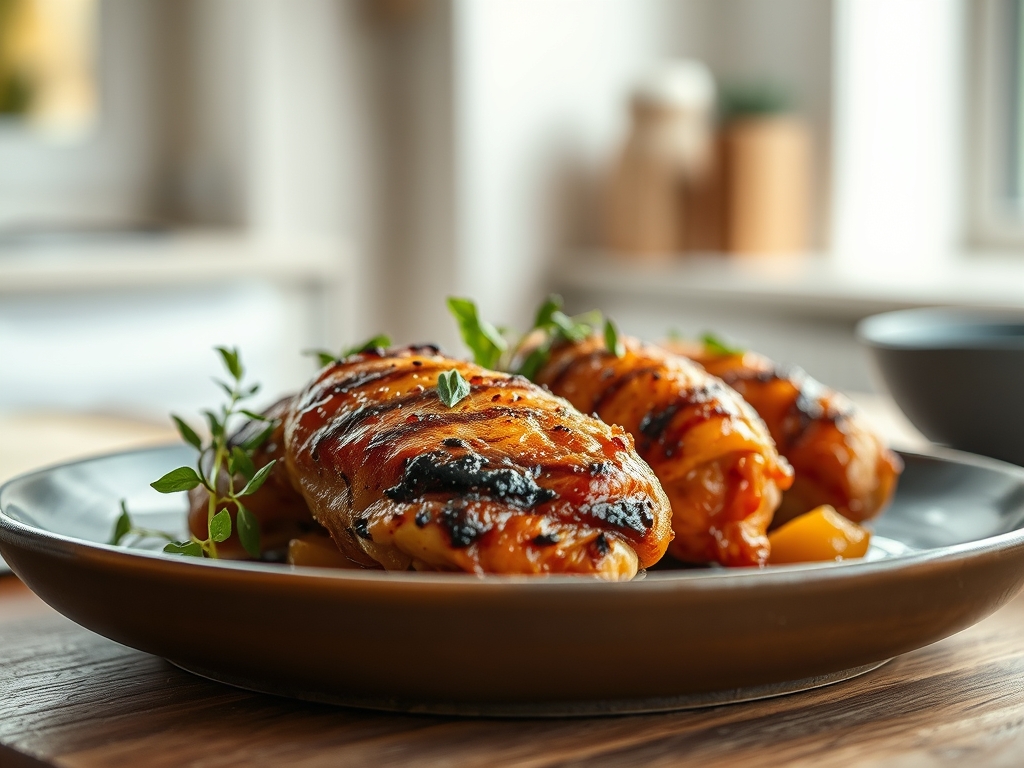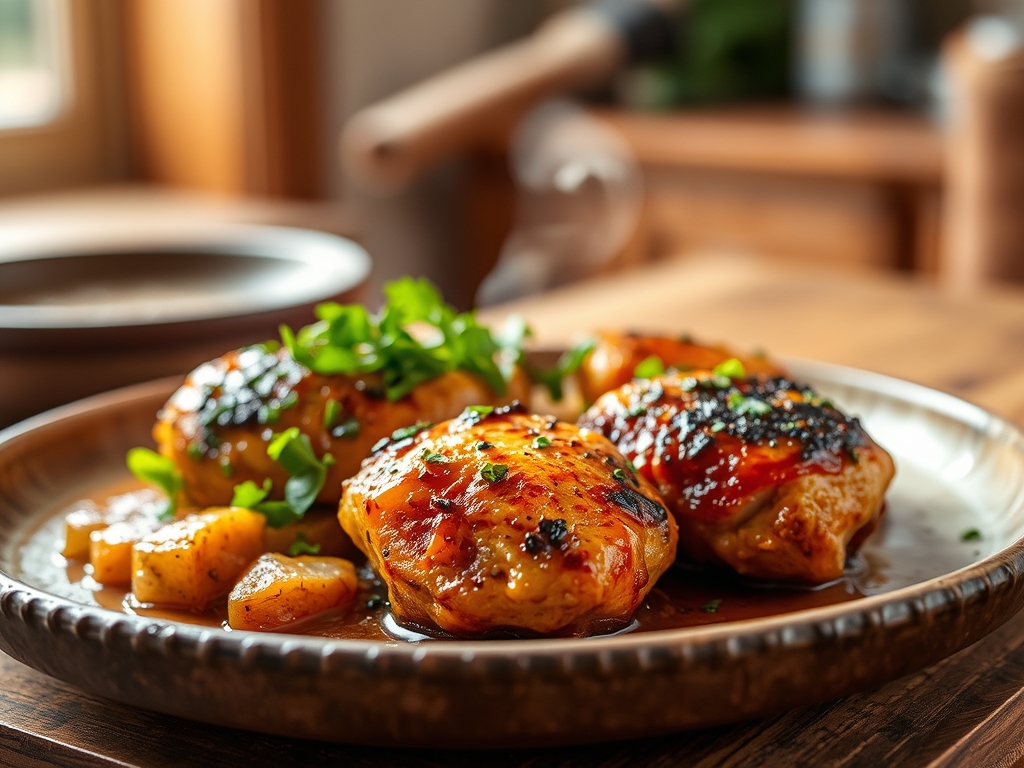
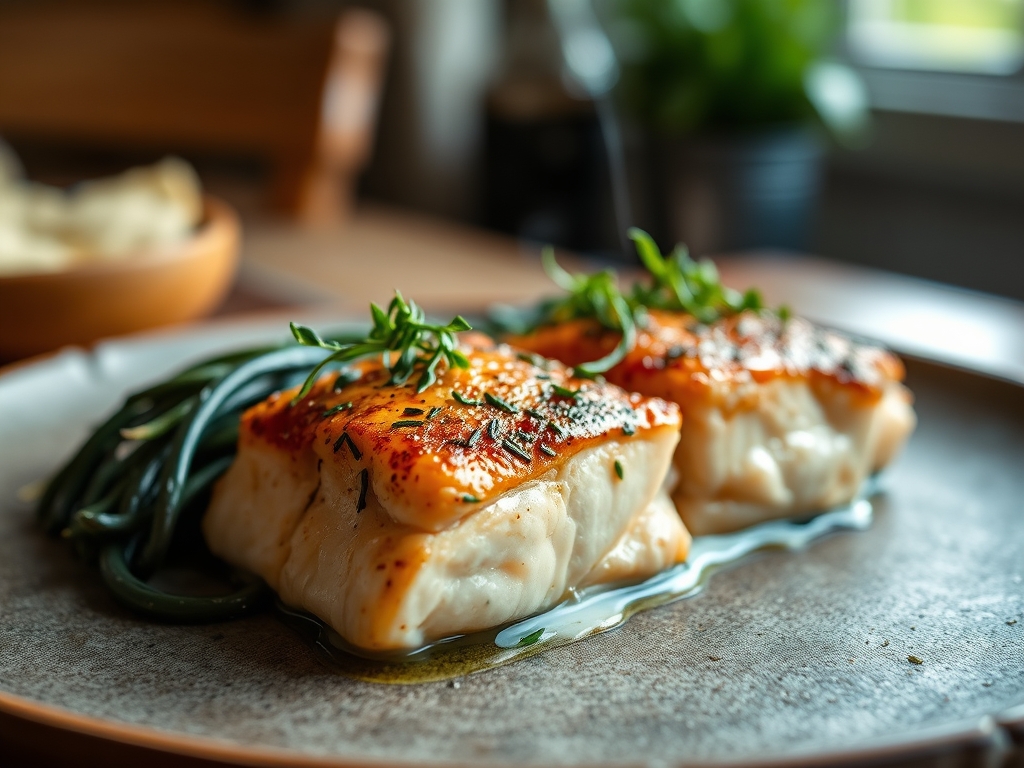
Imagine the scent of fresh cilantro and scorched citrus hitting a screaming hot cast iron pan. That sharp, herbal aroma mingles with the fatty, buttery richness of a wild caught fillet. We are not just making dinner; we are building a bridge between Caribbean soul and modern culinary precision. Finding authentic dominican salmon recipes requires more than just a bottle of adobo. It demands an understanding of how acids interact with proteins and how high heat transforms simple aromatics into a complex, mahogany crust.
Salmon is not a traditional Caribbean staple, but the island palate has a way of colonizing ingredients. We take the cold water richness of the fish and marry it to the aggressive, bright profiles of the Antilles. Think of the salmon as a blank canvas for high octane flavor. We are looking for that perfect intersection of crispy skin and a translucent, succulent center. It is a balancing act of heat management and timing. If you have ever struggled with dry, chalky fish, throw those memories away. We are going to treat this protein with the respect it deserves while dousing it in the vibrant, punchy energy of Santo Domingo.
The Gathers:
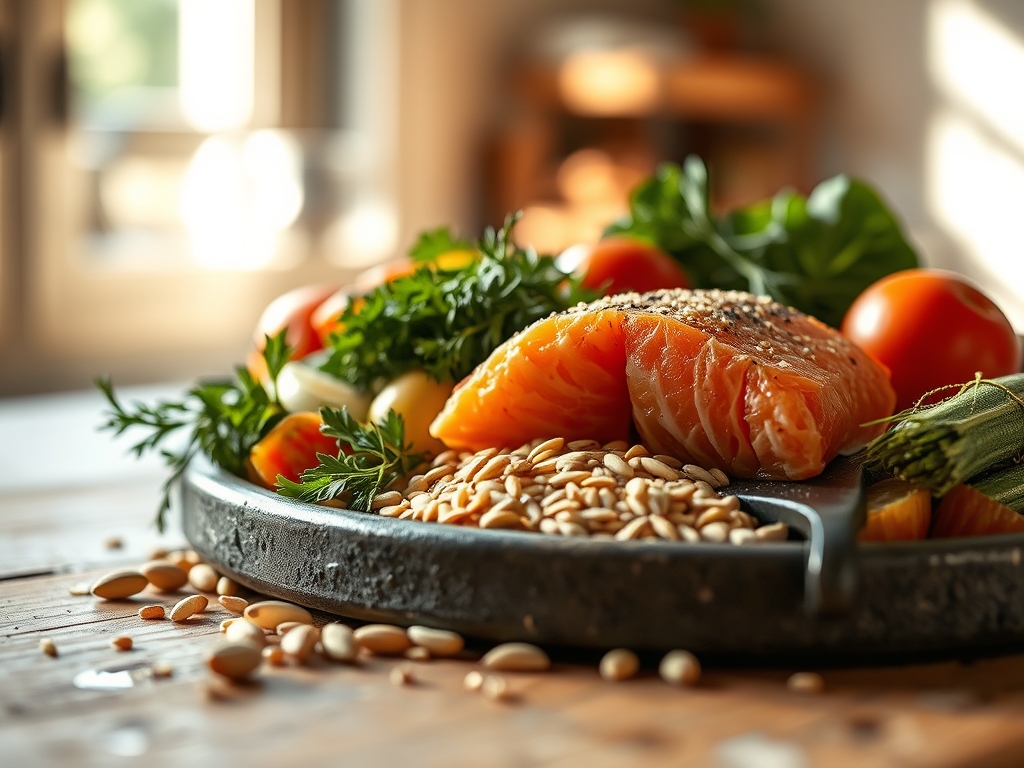
The success of these dominican salmon recipes lives and dies by your mise-en-place. You need a heavy-bottomed skillet, preferably stainless steel or seasoned cast iron, to ensure even heat distribution. Grab your microplane for the citrus and garlic; we want a paste, not chunks. You will need fresh cilantro, culantro (if you can find it), lime juice, bitter orange (naranja agria), and a high smoke point oil like avocado or grapeseed oil.
For the aromatics, gather red onions for pickling and a bulb of garlic. The "Smart Substitutions" are vital here. If you cannot find fresh bitter orange, whisk two parts lime juice with one part orange juice and a splash of grapefruit juice to mimic that specific acidity. If you are watching your sodium, replace traditional adobo with a blend of toasted cumin, dried oregano, and turmeric. Always use a digital scale to weigh your fillets. Uniformity is the secret to a stress-free kitchen. You want 6-ounce portions to ensure they cook at the same rate.
The Clock:
Mastering the "Chef's Flow" means working in parallel, not in series. Your total prep time should hover around 15 minutes, with a cook time of approximately 8 to 10 minutes. The total investment is under 30 minutes.
Start by pickling your onions first. This allows the acetic acid to soften the cellular structure of the onion, turning them vibrant pink and mellow. While the onions macerate, prepare the salmon. The fish must sit at room temperature for at least 10 minutes before hitting the pan. This prevents "thermal shock," which causes the muscle fibers to seize and push out moisture (that unsightly white albumin). While the pan preheats, you chop. By the time the oil reaches its shimmering point, your prep is done, and you can focus entirely on the sear.
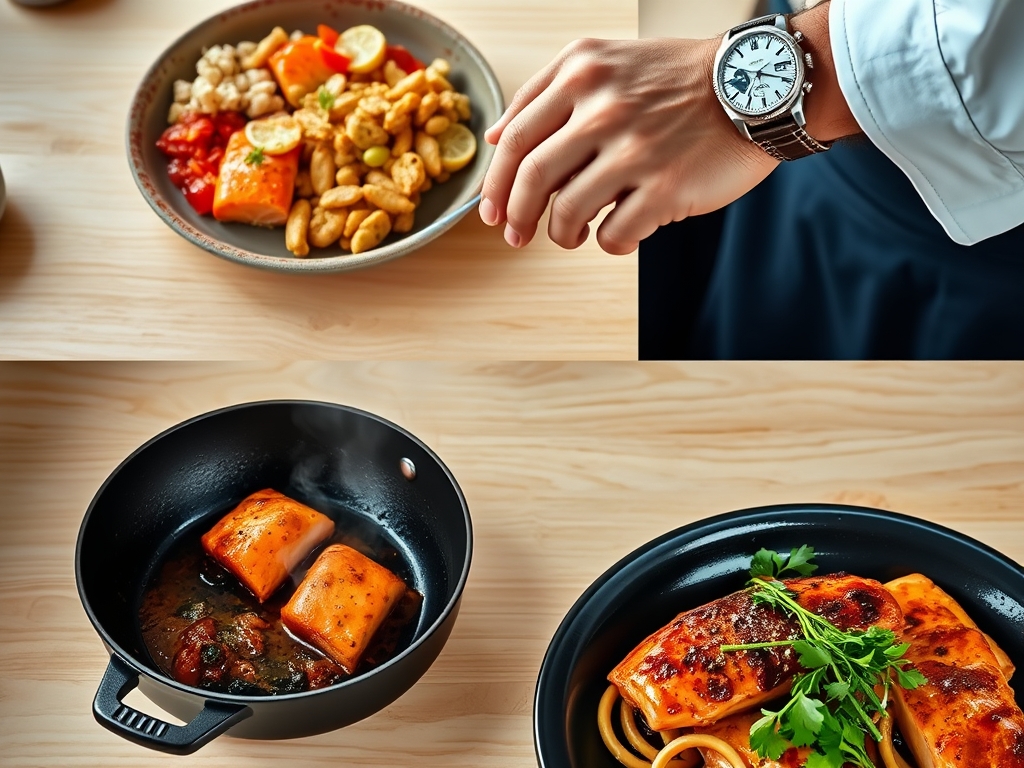
The Masterclass:
1. The Desiccation Ritual
Pat the salmon skin bone-dry with paper towels. Any residual moisture will turn to steam, preventing the Maillard reaction and leaving you with rubbery skin. Use a sharp knife to score the skin slightly if the fillet is thick.
Pro Tip: This is about latent heat. Moisture is the enemy of a sear because water boils at 212 degrees Fahrenheit, while the Maillard reaction requires temperatures above 300 degrees. If the surface is wet, the energy goes into evaporating water rather than browning the protein.
2. The Seasoning Bond
Rub the flesh side with your Dominican spice blend. Press it in firmly. Do not season the skin until the very last second to keep it as dry as possible. Use a microplane to grate garlic directly into a small bowl of oil to create a flavored lipid barrier.
Pro Tip: Salt acts as a denaturant. It begins to break down the proteins on the surface, creating a "tacky" texture that helps the spices adhere. However, if you salt too early, it draws internal moisture to the surface via osmosis. Season just before the sear.
3. The High Heat Initiation
Heat your skillet until the oil is shimmering but not smoking. Lay the salmon skin-side down, pressing firmly with a fish spatula for 30 seconds. This prevents the skin from curling as the collagen fibers contract.
Pro Tip: This initial pressure ensures maximum surface contact. Without it, the fish bows, and you only get a sear on the edges. The weight of the spatula ensures the entire skin surface undergoes even conductive heat transfer.
4. The Render and Crisp
Lower the heat to medium-high. Let the fish cook 80 percent of the way on the skin side. You will see the color change from the bottom up. The skin will naturally release from the pan when the proteins have sufficiently dehydrated and crisped.
Pro Tip: This is called "rendering." Salmon skin is high in fat. By cooking it slowly on the skin side, you melt that subcutaneous fat, essentially frying the skin in its own oil. This creates a shatteringly crisp texture.
5. The Arromatic Deglaze
Flip the fish using tongs or your spatula. Toss in a knob of butter, smashed garlic cloves, and a sprig of cilantro. Use a large spoon to baste the hot, flavored fat over the skin.
Pro Tip: Basting is a form of convection. The hot fat carries the fat-soluble compounds from the garlic and herbs into the crevices of the fish, adding a final layer of flavor while gently finishing the interior.
6. The Acid Finish
Remove the pan from the heat and squeeze fresh lime juice or naranja agria directly into the pan drippings. This creates a quick emulsion with the butter and fish fats.
Pro Tip: The acid cuts through the heavy lipids of the salmon. Scientifically, the acidity brightens the flavor profile by stimulating the salivary glands, which helps you perceive the complex spices more clearly.
The Deep Dive:
From a macro perspective, these dominican salmon recipes are nutritional powerhouses. A standard 6-ounce serving provides roughly 34 grams of high quality protein and 22 grams of heart-healthy fats, specifically Omega-3 fatty acids.
For Dietary Swaps, this recipe is naturally Gluten-Free. To make it Keto, ensure your "side" is a mash of cauliflower rather than the traditional mangu (plantains). For a Vegan alternative, use the same Dominican marinade on thick "steaks" of roasted cauliflower or firm tofu, though the cooking times will vary significantly.
The Fix-It: Common Pitfalls
- The Skin Sticks: You tried to flip it too early. The protein hasn't finished bonding. Wait for the "self-release."
- White Gunk (Albumin) Appears: The heat was too high, or the fish was too cold. Lower the temperature and let the fish rest longer before cooking.
- Muddied Flavors: You used dried herbs in the finish. Always use fresh cilantro at the end; the volatile oils in fresh herbs provide the necessary "piquant" top notes.
Meal Prep Science: To reheat without turning your salmon into a hockey puck, avoid the microwave. Use a low oven (275 degrees) with a splash of water in the dish, covered tightly with foil. This creates a gentle steam environment that rehydrates the fibers without over-coagulating the proteins.
The Wrap-Up:
Bringing the bold, citrusy heat of the Dominican Republic to a fillet of salmon is the ultimate kitchen power move. It is about more than just a recipe; it is about mastering the physics of the sear and the chemistry of the marinade. When you pull that perfectly flaked, vibrant fish out of the pan, you are serving a dish that is as smart as it is delicious. Now, grab your skillet and let those aromatics fly.
The Kitchen Table:
How do I get the skin extra crispy?
Ensure the skin is completely dry before hitting the pan. Use a fish spatula to press the fillet down for the first thirty seconds. This maximizes contact with the heat, allowing the fat to render and the skin to dehydrate into a crisp.
Can I use frozen salmon for these recipes?
Yes, but you must thaw it completely in the refrigerator. Once thawed, pat it excessively dry. Frozen fish often retains more surface moisture, which can interfere with the Maillard reaction, so extra desiccation is required for a good sear.
What is the best side dish for Dominican salmon?
Traditional mangu (mashed green plantains) with pickled red onions is the gold standard. The starchy, savory plantains provide a neutral base that soaks up the acidic, garlicky pan sauce, creating a perfectly balanced bite of Caribbean comfort.
How do I know when the salmon is done?
Use a digital thermometer to check for an internal temperature of 125 degrees Fahrenheit for medium-rare. The fish will continue to cook slightly after being removed from the heat due to thermal carryover, reaching a perfect 130 to 135 degrees.