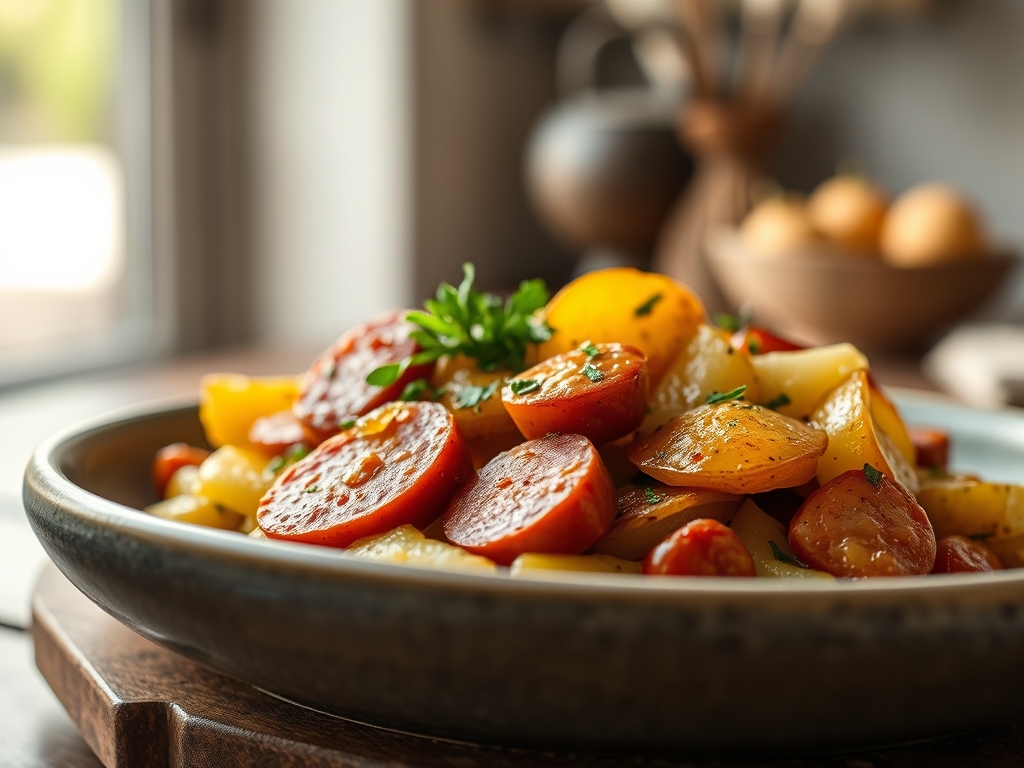
Imagine the scent of hardwood smoke mingling with the buttery, earthy aroma of roasting starch. That is the siren song of these kielbasa and potato recipes casserole variations. It is a dish that bridges the gap between rustic comfort and culinary precision; a symphony of texture where the snap of natural casing meets the pillowy interior of a Yukon Gold. We are moving beyond basic oven bakes into the realm of high-density flavor engineering.
The magic happens when the fat from the sausage begins to render, infiltrating the cellular structure of the potatoes. This is not just dinner; it is a lesson in lipid-starch interaction. We are looking for that perfect Maillard reaction on the meat while maintaining a creamy, cohesive sauce that binds every forkful together. Whether you are hosting a frantic weeknight dinner or a slow Sunday brunch, these nine variations provide the blueprint for the ultimate one-pan masterpiece. We will balance salt, fat, and acid to ensure every bite is as vibrant as it is filling. Grab your favorite heavy-bottomed skillet and let us get to work.
The Gathers:
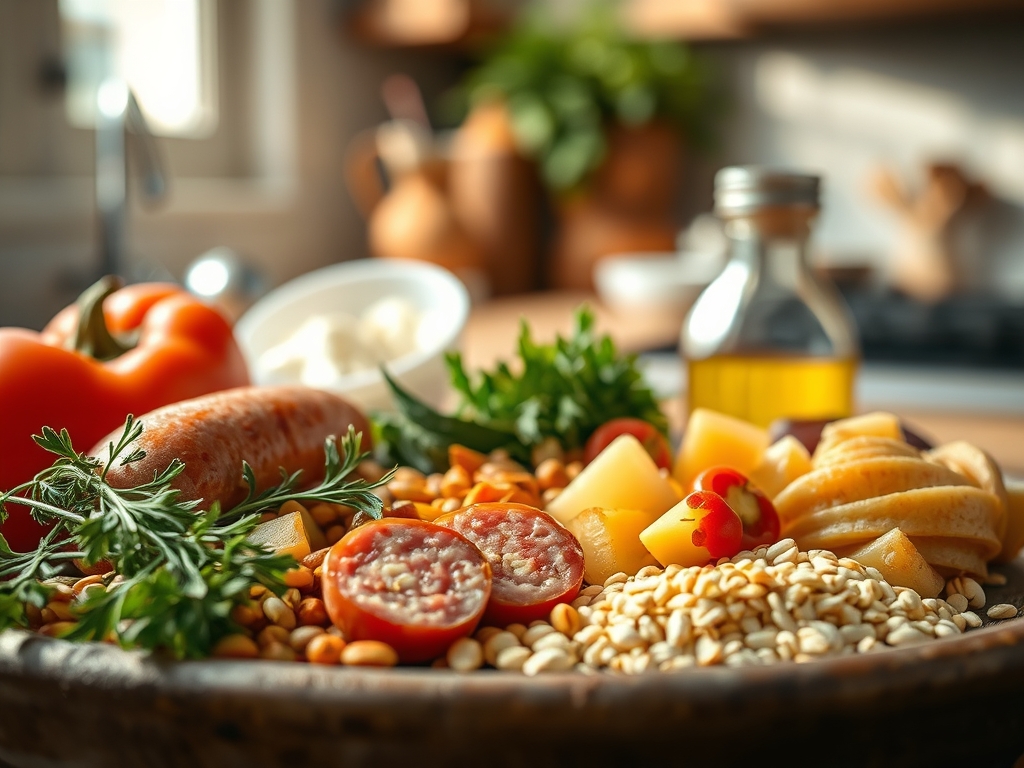
To achieve a professional-grade result, your mise-en-place must be impeccable. Start with the protein: look for a high-quality U-shaped kielbasa with a firm snap. The potatoes are your structural foundation. I recommend Yukon Golds for their medium starch content; they hold their shape better than Russets but offer a creamier mouthfeel than red skins. Use a digital scale to ensure a perfect 1:1 ratio of meat to veg.
You will also need a viscous binding agent. A blend of heavy cream and sharp cheddar creates a stable emulsion that wont break under high heat. For the aromatics, reach for yellow onions and fresh garlic. Use a microplane to grate your garlic into a fine paste; this ensures the pungent oils are evenly distributed throughout the sauce rather than leaving you with bitter, burnt chunks.
Smart Substitutions: If you want to lighten the profile, swap the heavy cream for a Greek yogurt and chicken stock slurry. For a piquant kick, incorporate a tablespoon of stone-ground mustard. If you are out of kielbasa, a smoked andouille or a garlic-heavy bratwurst serves as a fantastic structural surrogate.
The Clock:
Efficiency in the kitchen is about managing the "Chef's Flow." Total active preparation time should clock in at exactly 20 minutes, provided your knife skills are sharp. The baking phase requires 45 to 55 minutes of passive time.
The flow begins with the potato par-boil. By starting your potatoes in cold salted water while you slice the sausage, you synchronize the cooking curves. The goal is to have the potatoes reach a state of partial gelatinization just as your oven hits 400 degrees Fahrenheit. This overlap ensures that the final bake is focused on browning and flavor infusion rather than raw starch conversion.
The Masterclass:
1. The Precision Slice
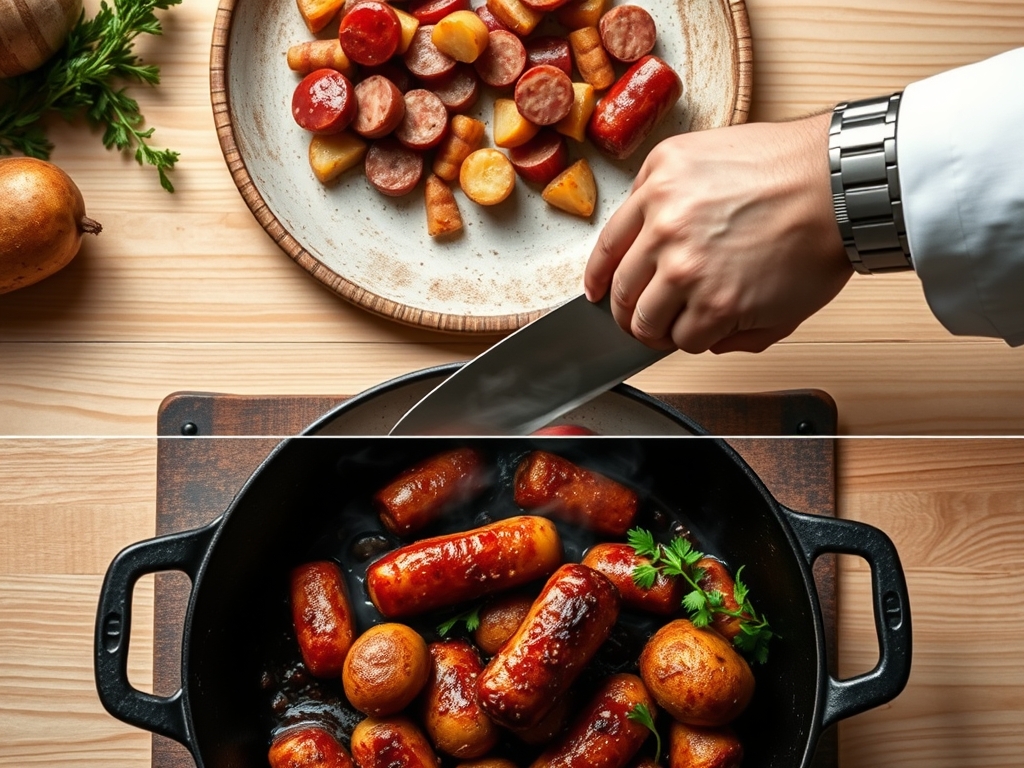
Use a sharp chef's knife or a bench scraper to organize your work surface. Slice the kielbasa into uniform 1/2-inch coins and dice the potatoes into consistent 1-inch cubes. Uniformity is not just about aesthetics; it is about ensuring every piece reaches the same internal temperature simultaneously.
Pro Tip: This prevents enzymatic browning. By keeping your cut potatoes submerged in cold water until the moment they hit the heat, you prevent the phenols from reacting with oxygen, keeping the flesh bright and appetizing.
2. The Rendering Phase
Heat a heavy-bottomed skillet over medium-high heat. Add the kielbasa coins in a single layer. Use tongs to flip them once they develop a deep, caramelized crust. You are looking to render out the saturated fats which will act as the primary flavoring agent for the vegetables.
Pro Tip: This is the Maillard reaction in action. The amino acids and reducing sugars in the meat are rearranging to create hundreds of different flavor compounds. Do not crowd the pan, or the meat will steam instead of sear.
3. The Saucier Build
In a small saucier, whisk together your cream, spices, and aromatics over low heat. We are looking to infuse the liquid with the garlic and herbs without boiling it. A gentle simmer allows the fat-soluble compounds in the dried herbs to bloom fully.
Pro Tip: This step prevents sauce separation. By pre-warming your dairy, you reduce the thermal shock when it hits the hot casserole dish, ensuring a silky, non-grainy texture.
4. The Assembly and Bake
Layer the par-cooked potatoes and seared kielbasa into a ceramic baking dish. Pour the infused cream mixture over the top, ensuring it penetrates the crevices. Top with a generous layer of grated cheese.
Pro Tip: Cover the dish with foil for the first 20 minutes to utilize steam. This ensures the potatoes finish softening. Removing the foil for the final 15 minutes allows for moisture evaporation and the formation of a crispy cheese "frico" on top.
The Deep Dive:
Macro Nutrition: A standard serving provides a robust balance of 22g of protein, 35g of carbohydrates, and 28g of fats. It is a high-energy meal designed for recovery or cold-weather sustenance.
Dietary Swaps:
- Keto: Replace potatoes with roasted cauliflower florets and use a heavy cream-based cheese sauce.
- Vegan: Use a plant-based smoked sausage and a cashew-cream "cheese" sauce with nutritional yeast for umami.
- GF: This dish is naturally gluten-free, provided your kielbasa does not use grain-based fillers.
The Fix-It:
- Greasy Sauce: If the fat separates, stir in a teaspoon of cornstarch slurry and return to the oven for five minutes to re-emulsify.
- Crunchy Potatoes: This happens if the starch was not par-cooked. Add a splash of broth, cover tightly with foil, and bake for an extra 15 minutes.
- Bland Profile: Deglaze your sausage pan with a splash of white wine or apple cider vinegar before adding the liquid to the casserole to brighten the flavors.
Meal Prep Science: To maintain "day-one" quality, reheat portions in the air fryer or oven at 350 degrees. Microwaving can cause the fats to separate and the potatoes to become gummy. The dry heat of an oven re-crisps the sausage casing and maintains the structural integrity of the starch.
The Wrap-Up:
There you have it: a masterclass in the kielbasa and potato recipes casserole. We have tackled the chemistry of the sear, the physics of the emulsion, and the logistics of the perfect prep. This dish is a testament to how simple ingredients, when treated with technical respect, can transform into something truly extraordinary. It is bold, it is savory, and it is guaranteed to become a permanent fixture in your culinary rotation. Now, go forth and conquer that kitchen!
The Kitchen Table:
Which potato is best for kielbasa casserole?
Yukon Gold potatoes are the superior choice. Their medium starch content allows them to hold a defined shape while providing a creamy, buttery texture that absorbs the smoky fats from the kielbasa without falling apart during the long bake.
How do I prevent my casserole from being watery?
Always par-cook your potatoes and drain them thoroughly. Excess moisture in the vegetables dilutes the sauce. Additionally, ensuring your cream sauce is slightly thickened before adding it to the dish helps maintain a viscous, clingy consistency.
Can I make this dish ahead of time?
Yes. Assemble the casserole entirely, but do not bake it. Cover tightly and refrigerate for up to 24 hours. When ready to eat, add 10 minutes to the covered baking time to account for the cold starting temperature.
What is the best way to reheat leftovers?
Use an oven or air fryer at 350 degrees Fahrenheit. This dry heat method preserves the snap of the kielbasa and prevents the potatoes from becoming mushy. Avoid the microwave, which can cause the cheese sauce to break and become oily.