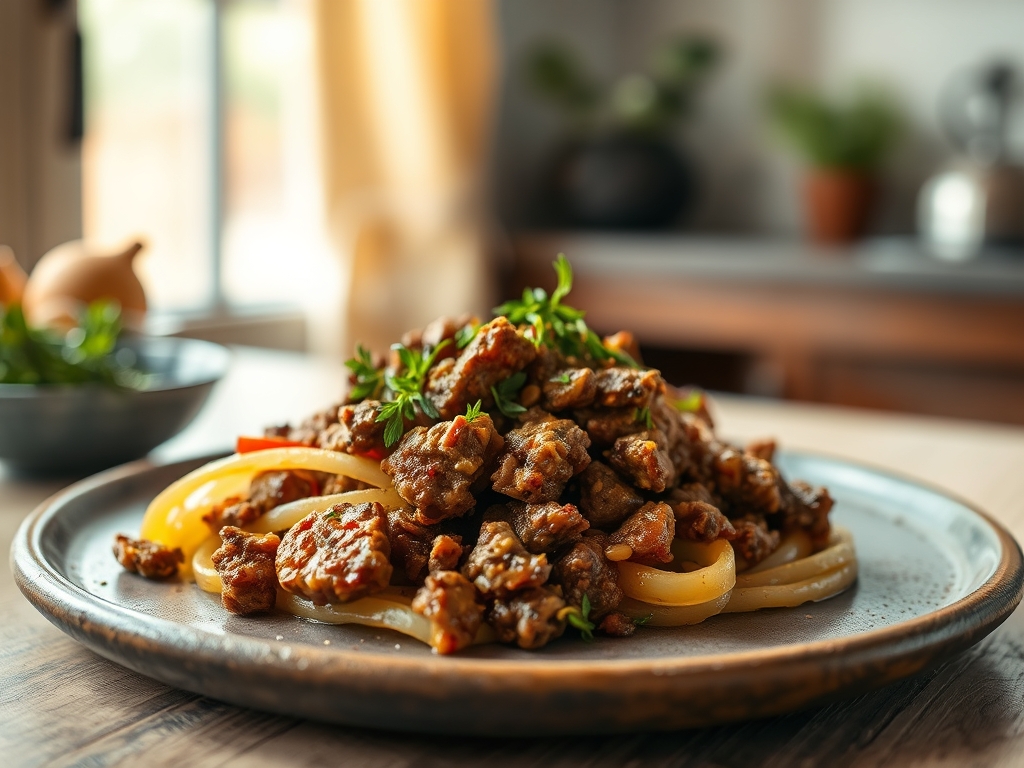
Imagine the sound of a heavy bottomed cast iron skillet meeting a gas flame; it is the rhythmic percussion of a kitchen finding its groove. Within minutes, the air transforms as fat begins to render and the earthy scent of russet potatoes hits the heat. Mastering healthy ground beef and potato recipes is not just about convenience; it is about the intersection of high quality protein and complex carbohydrates that fuel a busy life without the heavy caloric drag of deep frying. We are moving beyond the greasy hashes of the past.
By focusing on lean ratios and precision searing, you can create a meal that feels like a decadent cheat day but functions like a high performance fuel source. The secret lies in the Maillard reaction, that beautiful chemical transformation where amino acids and reducing sugars create a savory crust. When you execute these six variations, from smoky southwestern to herbed garlic butter, you are practicing foundational culinary physics. We are going to treat these humble ingredients with the respect of a five star bistro, ensuring every bite is balanced, piquant, and perfectly textured.
The Gathers:
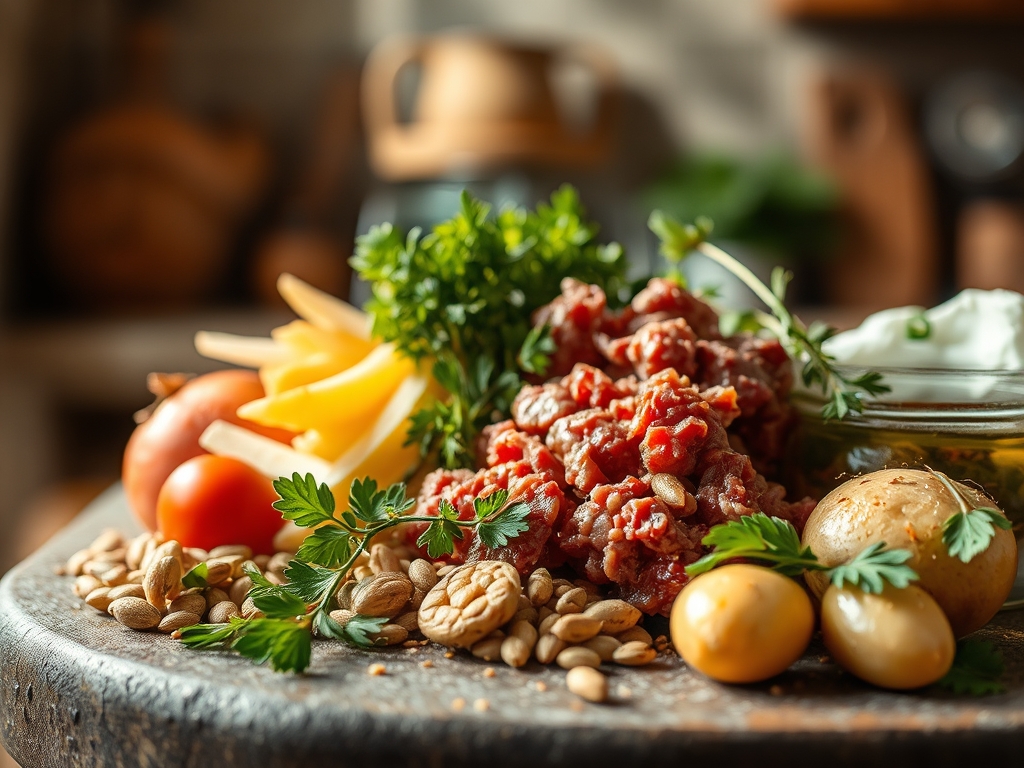
To achieve the perfect skillet, your mise-en-place must be intentional. Start with your protein; aim for a 93/7 or 90/10 lean to fat ratio. This ensures you have enough fat to infuse the vegetables without creating a viscous pool of grease at the bottom of the pan. For the starch, choose Yukon Gold potatoes for their naturally buttery texture and high moisture content, or Russets if you prefer a fluffier, more absorbent interior.
Your toolkit is just as vital as your ingredients. You will need a heavy-bottomed skillet (cast iron or carbon steel is best for heat retention), a bench scraper to move your diced aromatics, and a microplane for grating fresh garlic or ginger directly into the pan to maximize volatile oils.
Smart Substitutions:
If you are watching your glycemic index, swap half of the potatoes for diced celery root or radishes; they mimic the texture of a potato once roasted but offer a sharper, more complex flavor profile. For the beef, you can substitute bison for an even leaner, more iron rich profile. Always keep a bottle of dry white wine or a splash of beef bone broth nearby to deglaze the pan; this lifts the fond (those flavorful brown bits) and incorporates them back into the sauce.
The Clock:
Efficiency in the kitchen is about "Chef's Flow," which is the art of overlapping tasks to minimize downtime. Total active preparation should take no more than 15 minutes, with a total cook time of 25 minutes.
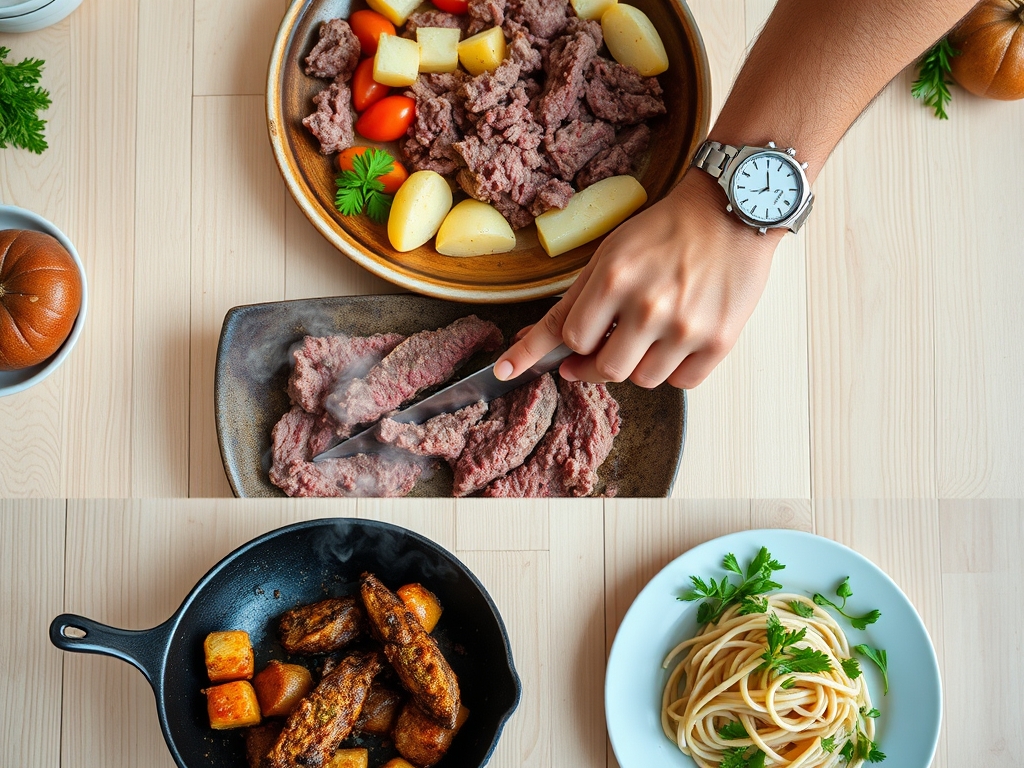
The flow begins with the potatoes. Because they have a higher density than the beef, they require a head start. While your skillet preheats, use your bench scraper to organize your diced onions and peppers. By the time the potatoes have achieved their initial golden crust, your beef is ready to be crumbled in. This staggered approach ensures that the beef does not overcook and become rubbery while waiting for the potatoes to soften. Using a digital scale to portion your ingredients beforehand ensures consistent cooking times and macro accuracy every single time.
The Masterclass:
1. The Initial Sear and Starch Gelatinization
Begin by heating your skillet over medium-high heat until a drop of water flicked onto the surface dances and evaporates instantly. Add a high smoke point oil like avocado oil, then toss in your cubed potatoes. Do not crowd the pan; overcrowding leads to steaming rather than searing.
Pro Tip: This stage relies on starch gelatinization. By hitting the potatoes with high heat initially, you create a dehydrated exterior shell that prevents the interior from becoming mushy as it cooks through.
2. Rendering and Browning the Beef
Push the potatoes to the perimeter of the skillet and add your ground beef to the center. Use a stiff spatula to break the meat into small, uniform crumbles. This increases the surface area, allowing for a more even Maillard reaction.
Pro Tip: Avoid moving the meat for the first three minutes. This allows the proteins to bond and brown properly. Constant stirring results in gray, boiled-looking meat because it prevents the surface temperature from rising high enough to trigger browning.
3. Incorporating Aromatics and Deglazing
Once the beef is mostly browned, add your onions, garlic, and spices. As the onions release their moisture, they will begin to loosen the caramelized bits stuck to the bottom of the pan. If the pan looks dry, add two tablespoons of bone broth to deglaze.
Pro Tip: This is known as extraction. The liquid captures the concentrated flavors in the fond and redistributes them, coating every cube of potato in a savory, umami-rich glaze.
4. The Steam Finish and Thermal Carryover
Reduce the heat to low and cover the skillet with a tight-fitting lid for the final four minutes. This creates a small convection environment that ensures the centers of the potatoes are fork-tender without burning the exteriors.
Pro Tip: Respect thermal carryover. Remove the skillet from the heat when the potatoes are just barely tender. The residual heat trapped in the heavy pan will continue to cook the ingredients for several minutes after the flame is off.
The Deep Dive:
When we look at the macro nutrition of these healthy ground beef and potato recipes, we see a powerhouse of satiety. A standard serving provides roughly 35g of protein, 30g of complex carbohydrates, and 12g of healthy fats. It is a balanced ratio that prevents insulin spikes while providing sustained energy.
Dietary Swaps:
For a Keto version, replace the potatoes entirely with cauliflower florets or turnips. For Vegan guests, high-quality soy crumbles or lentils can be treated with the same searing techniques, though you may need to add a teaspoon of smoked paprika to mimic the depth of beef.
The Fix-It:
- Soggy Potatoes: This happens if you add salt too early. Salt draws out moisture. Fix it by increasing the heat at the very end and tossing the mixture frequently to evaporate excess liquid.
- Burnt Garlic: Garlic has a high sugar content and burns quickly. Always add it during the last two minutes of the aromatic phase.
- Tough Beef: You likely used a "lean" beef but cooked it too long. Next time, pull the meat when it still has a hint of pink; the carryover heat will finish it perfectly.
Meal Prep Science:
To maintain "day-one" quality, store your skillet leftovers in airtight glass containers. When reheating, avoid the microwave if possible. A quick toss in a hot pan with a teaspoon of water will re-aerate the potatoes and prevent the beef from becoming "warmed-over" in flavor (a result of lipid oxidation).
The Wrap-Up:
There is something incredibly empowering about mastering a one-pan wonder that balances science and soul. These healthy ground beef and potato recipes prove that you do not need a culinary degree to produce a meal that is technically perfect and deeply comforting. Grab your favorite heavy skillet, trust the sear, and remember that the best flavor comes from the patience you show your ingredients. Your kitchen is your laboratory; now go make something delicious.
The Kitchen Table:
How do I make the potatoes crispy without deep frying?
Par-boil the potato cubes for three minutes in salted water before adding them to the skillet. This creates a starchy slurry on the surface that crisps up instantly when it hits the hot oil and beef fat.
What is the best ground beef for health-conscious recipes?
Select 93% lean ground beef or grass-fed varieties. Grass-fed beef contains higher levels of Omega-3 fatty acids and CLA, which are beneficial for heart health, while the lean ratio prevents excess saturated fat buildup in the pan.
Can I freeze these ground beef and potato skillets?
Yes, though the texture of the potatoes may change slightly. For best results, undercook the potatoes slightly before freezing. Reheat in a skillet rather than a microwave to restore the structural integrity of the starch and the sear on the beef.
Why does my ground beef release so much water?
This usually occurs when the pan is not hot enough or is overcrowded. The meat steams in its own juices instead of searing. Ensure your skillet is shimmering hot and cook the beef in batches if necessary to maintain temperature.