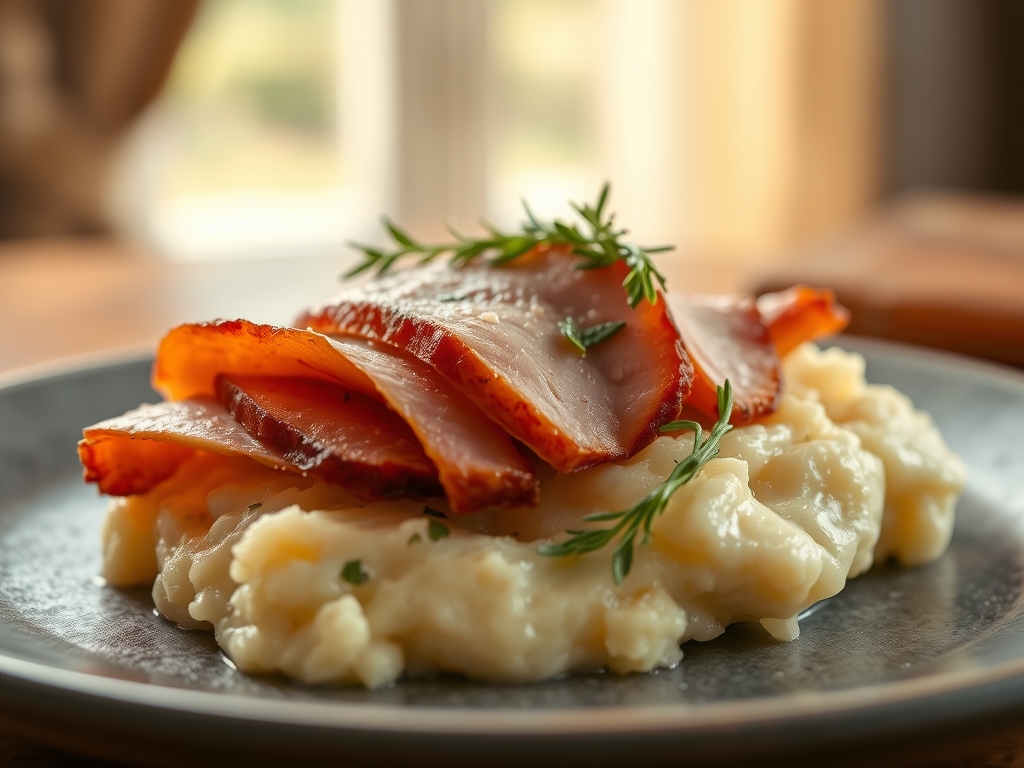
Imagine the heavy, rhythmic thud of the refrigerator door closing as you survey the aftermath of a holiday feast. You are staring at a mountain of starch and salt; specifically, those dense containers of smoky pork and creamy spuds. Finding the best leftover ham and mashed potato recipes is not just about clearing space; it is about reclaiming your culinary dignity through science.
The air in your kitchen still carries the ghost of cloves and rosemary, but the texture of yesterday's meal has changed. Cold mashed potatoes have undergone starch retrogradation, turning from fluffy clouds into firm, workable clay. The ham has tightened, its fats congealing into a rich, savory lacquer. This is not a burden; it is a strategic advantage. We are going to take these chilled ingredients and transform them into crispy croquettes, savory waffles, and golden griddle cakes. By understanding the molecular structure of these leftovers, we can manipulate heat and moisture to create textures that were impossible during the first serving. Let us stop viewing these as scraps and start seeing them as the pre-pped foundation for a five star brunch.
The Gathers:
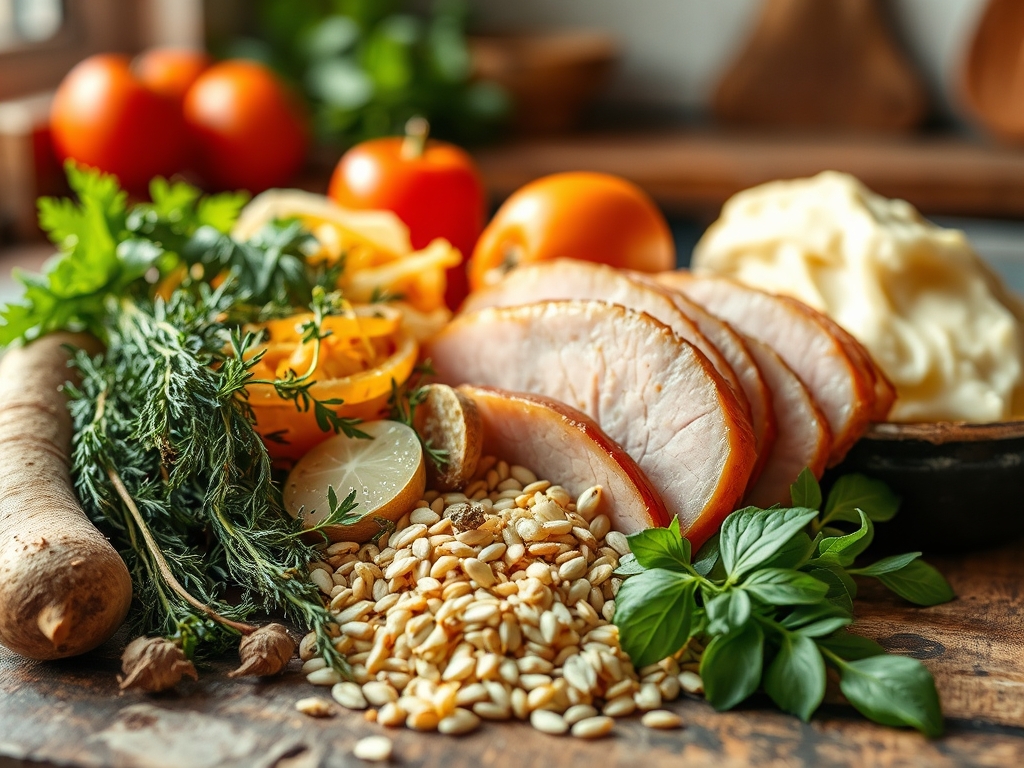
To begin our transformation, we need to assemble our mise-en-place with the precision of a laboratory technician. Your primary medium is the leftover ham, which should be diced into uniform 1/4 inch cubes using a sharp chef knife to ensure even heat distribution. The mashed potatoes must be cold; this is non-negotiable for structural integrity.
You will also need high-quality binders and aromatics. Reach for large eggs to act as your protein glue and panko breadcrumbs for a high-surface-area crunch. Grab your microplane to zest a bit of lemon or grate fresh parmesan; this adds a high-frequency acidic note to cut through the heavy lipids.
Smart Substitutions:
If you find your potatoes are too viscous or gummy, fold in a tablespoon of cornstarch to absorb excess moisture. For a dairy-free pivot, swap the traditional butter-heavy mash for a cauliflower puree thickened with almond flour. If the ham is particularly salty, balance the palate with a piquant addition like Dijon mustard or pickled shallots. Always use a digital scale to measure your dry ingredients; precision is the difference between a soggy patty and a crisp masterpiece.
The Clock:
Efficiency in the kitchen relies on "Chef's Flow," the art of overlapping tasks to minimize downtime.
Prep Time: 15 minutes. This involves the dicing of the ham, the whisking of the egg wash, and the organization of your dredging station.
Cook Time: 20 minutes. We will work in batches to avoid crowding the pan, which drops the oil temperature and leads to grease absorption.
Total Time: 35 minutes.
The "Flow" dictates that you should preheat your heavy-bottomed skillet while you are shaping your potato cakes. By the time the last patty is formed, the oil should be shimmering at exactly 350 degrees Fahrenheit. If you are using an oven for a final crisp, start the convection fan now to ensure rapid air circulation.
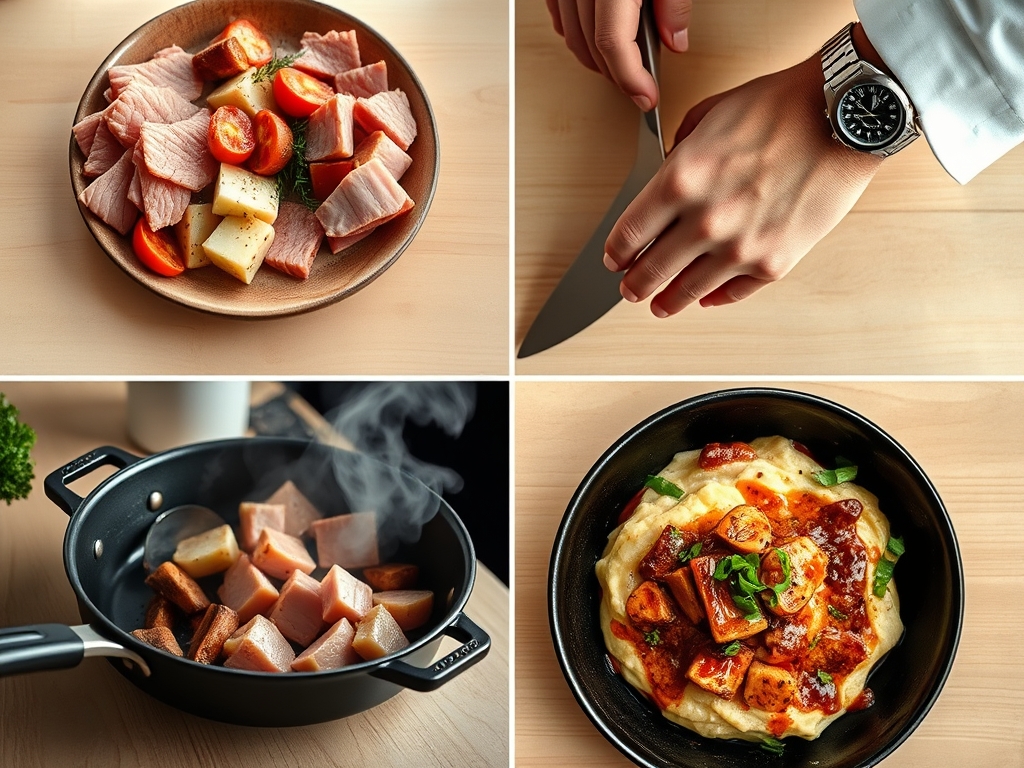
The Masterclass:
1. The Texture Tempering
Begin by folding your diced ham into the cold mashed potatoes using a bench scraper or a stiff spatula. Do not overwork the mixture. If you agitate the potato starch too much, you will break the cell walls and release amylopectin, resulting in a gluey texture.
Pro Tip: This stage relies on starch retrogradation. As potatoes cool, the starch molecules realign into a crystalline structure, making them firmer and easier to shape without adding excessive flour.
2. The Flavor Infusion
Incorporate your aromatics. Add finely minced chives, a pinch of smoked paprika, and that microplaned parmesan. Use a saucier to melt a small knob of butter if the mixture feels too dry, but be cautious; moisture is the enemy of a crisp exterior.
Pro Tip: Use the principle of fat-soluble flavor extraction. The fats in the ham and butter carry the aromatic compounds of the herbs across your palate more effectively than water-based liquids.
3. The Structural Shaping
Scoop the mixture into balls using a leveled measuring cup for uniformity. Flatten them into discs about 1 inch thick. Ensure the edges are smooth; any cracks will act as fault lines where the patty might break during the flip.
Pro Tip: This is about thermal mass. Uniformly sized cakes ensure that the center reaches the safe temperature of 165 degrees Fahrenheit at the exact moment the exterior achieves a golden hue.
4. The Dredging Protocol
Pass each cake through a shallow bowl of flour, then beaten egg, and finally your seasoned breadcrumbs. Press the crumbs firmly into the surface. This creates a sacrificial barrier that protects the delicate interior from the direct heat of the pan.
Pro Tip: This triple-coat method utilizes protein coagulation. The egg proteins set instantly upon hitting the heat, locking the breadcrumbs into a rigid, crunchy lattice.
5. The Searing Phase
Heat a thin layer of neutral oil in your skillet. Place the cakes in the pan, working away from your body to avoid oil splatters. Listen for a consistent sizzle; if the sound dies down, your pan is too crowded.
Pro Tip: You are looking for the Maillard Reaction. This chemical reaction between amino acids and reducing sugars occurs at temperatures above 285 degrees Fahrenheit, creating the complex, savory flavors and brown crust we crave.
6. The Rendering and Deglazing
Once the cakes are flipped, the fat from the ham bits will begin to render out, further seasoning the crust. If you are making a side sauce, use a splash of white wine to deglaze the brown bits (fond) from the bottom of the pan.
Pro Tip: Capillary action pulls a small amount of the cooking fat into the crust, which is why the second side often browns faster and more evenly than the first.
7. The Resting Period
Transfer the golden cakes to a wire cooling rack rather than a paper towel. This allows air to circulate around the entire cake, preventing steam from softening the bottom crust.
Pro Tip: This prevents evaporative cooling from trapping moisture against the bottom of the food, which would otherwise turn your crisp crust into a soggy mess within minutes.
8. The Final Garnish
Finish with a sprinkle of flaky sea salt and a squeeze of fresh lemon juice. The acid provides a bright contrast to the heavy, savory notes of the potato and pork.
Pro Tip: This is the "Brightness Factor." Acid lowers the perceived pH of the dish, which triggers salivation and makes the savory umami flavors of the ham feel more intense and balanced.
The Deep Dive:
Macro Nutrition:
A standard serving of these ham and potato cakes provides roughly 320 calories, 15g of protein, and 28g of carbohydrates. The ham offers a significant dose of selenium and zinc, while the potatoes provide potassium and Vitamin C. To lighten the load, opt for an air-fryer preparation to reduce lipid intake.
Dietary Swaps:
For a Keto version, replace the mashed potatoes with mashed cauliflower thickened with egg yolk and use crushed pork rinds for the breading. For a Vegan adaptation, use a flax-egg binder and smoked sun-dried tomatoes or "facon" in place of the ham.
The Fix-It:
- The Fall-Apart: If cakes crumble in the pan, your mixture is too warm. Chill the shaped patties for 20 minutes before frying to reset the starches.
- The Soggy Center: This happens when the exterior browns too fast. Lower the heat and use a heavy-bottomed skillet for more even heat distribution.
- The Bland Bite: You likely undersalted the interior. Since the potatoes were already seasoned, the addition of egg and flour diluted the salt. Add a pinch of MSG or more parmesan to the mix.
Meal Prep & Reheating:
To maintain "day-one" quality, reheat these in a 375 degree oven or a toaster oven. Avoid the microwave at all costs; it excites water molecules, causing the starch to turn rubbery and the crust to become damp.
The Wrap-Up:
Transforming leftover ham and mashed potato recipes into a gourmet experience is the ultimate kitchen flex. It proves that with a little bit of chemistry and the right tools, you can turn a fridge full of containers into a sophisticated, textural masterpiece. Whether you are hosting a "fridge-clearing" brunch or just treating yourself on a Tuesday, these techniques ensure every bite is as crisp, savory, and satisfying as a fresh meal. Now, grab that skillet and show those leftovers who is boss!
The Kitchen Table:
Can I freeze these ham and potato cakes?
Yes. Flash freeze them on a parchment-lined tray before bagging. This prevents the cakes from sticking together. When ready to eat, cook them directly from frozen in a skillet or air fryer, adding three minutes to the total cooking time.
What is the best oil for frying potato cakes?
Use a neutral oil with a high smoke point, such as grapeseed, avocado, or canola oil. These oils can withstand the 350 degree heat required for the Maillard reaction without breaking down or adding unwanted flavors to your delicate potatoes.
How do I fix gummy mashed potatoes for this recipe?
Gummy potatoes result from over-mixing. To fix this, fold in a tablespoon of flour or fine breadcrumbs to absorb the excess released starch. Chilling the mixture for an hour also helps the starches firm up, making the "glue" less noticeable.
How long does leftover ham stay safe in the fridge?
Cooked ham is generally safe for three to four days when stored in an airtight container at or below 40 degrees Fahrenheit. If you cannot use your leftovers within this window, freeze the diced ham for up to two months.