Picture the sharp hiss of a heavy bottomed skillet meeting cold oil; the scent of toasted starch and brine filling your kitchen. We are moving far beyond the sad desk lunch. When you master canned tuna potato recipes, you are essentially playing with a high protein canvas and a structural carbohydrate masterpiece. It is the ultimate culinary alchemy of pantry staples.
This is where the magic happens. We are talking about the textural contrast between a flaky, oil packed albacore and the creamy, velvet interior of a Yukon Gold. Most people see a tin and a tuber; I see the potential for a crispy latke topped with lemon zest or a rich, deconstructed Nicoise that actually holds its own at a dinner party. We are going to leverage moisture content and thermal conductivity to turn these humble ingredients into something worthy of a white tablecloth. Whether you are aiming for a quick weeknight win or a sophisticated brunch, these ten hacks will redefine your relationship with the back of your pantry. Let us get your mise en place ready and your apron tied tight.
The Gathers:
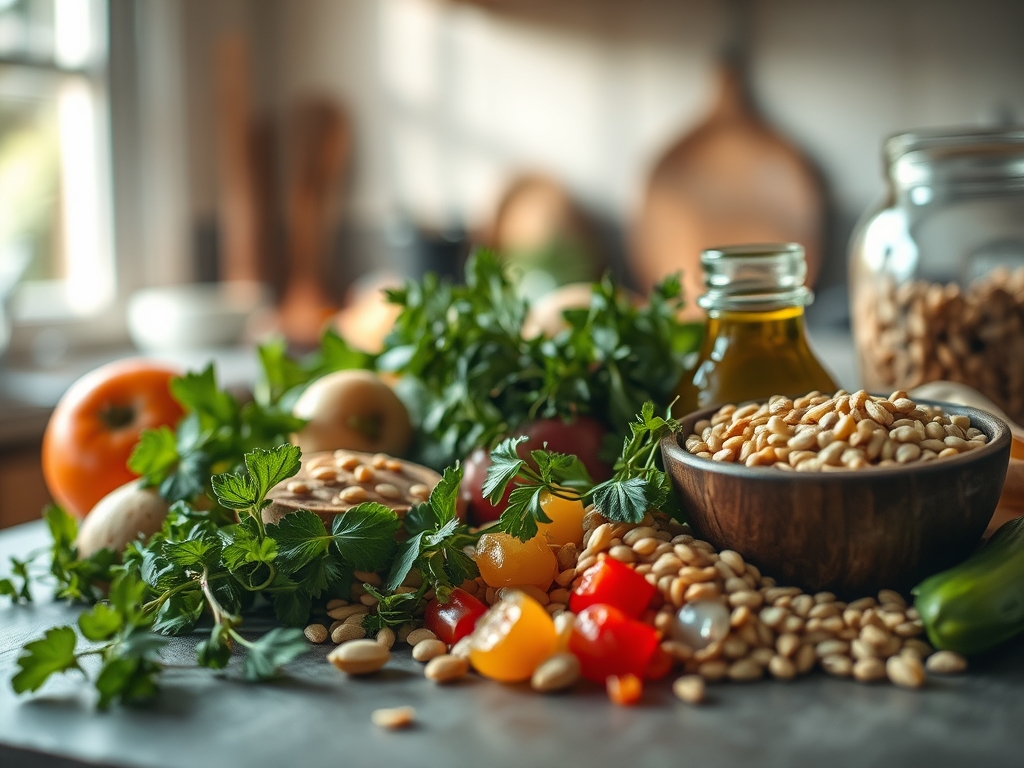
To execute these canned tuna potato recipes with precision, your station must be organized. Start with your potatoes. I recommend Yukon Golds for their high amylopectin content, which provides a naturally buttery mouthfeel, or Russets if you want that fluffy, high starch cellular structure for frying. Your tuna should be high quality; look for "solid white" or "ventresca" cuts packed in olive oil. The oil itself is a goldmine of flavor that we will use to emulsify sauces later.
You will also need piquant aromatics: capers, cornichons, and shallots. For the chemical lift, keep fresh lemons and a high quality Dijon mustard on hand. The mustard acts as a natural stabilizer for your vinaigrettes.
Smart Substitutions:
If you are out of fresh lemons, a splash of champagne vinegar provides the necessary acidity to cut through the fish oils. No Yukon Golds? Red Bliss potatoes work beautifully if you leave the skins on for added fiber and a rustic aesthetic. If you prefer a lighter profile, swap the oil packed tuna for water packed, but be sure to add a teaspoon of extra virgin olive oil to maintain a luxurious, viscous texture.
The Clock:
Efficiency in the kitchen is about "Chef's Flow." This means maximizing your downtime. Total active prep for these hacks averages 15 minutes, while cook times range from 10 to 25 minutes depending on the potato's density.
Start by boiling your water or preheating your oven first. While the potatoes undergo gelatinization in the heat, you can zest your citrus and flake your tuna. By the time the potatoes are fork tender, your flavor base is already developed. This overlapping timeline ensures you are never standing idle, keeping your kitchen energy high and your results consistent.
The Masterclass:
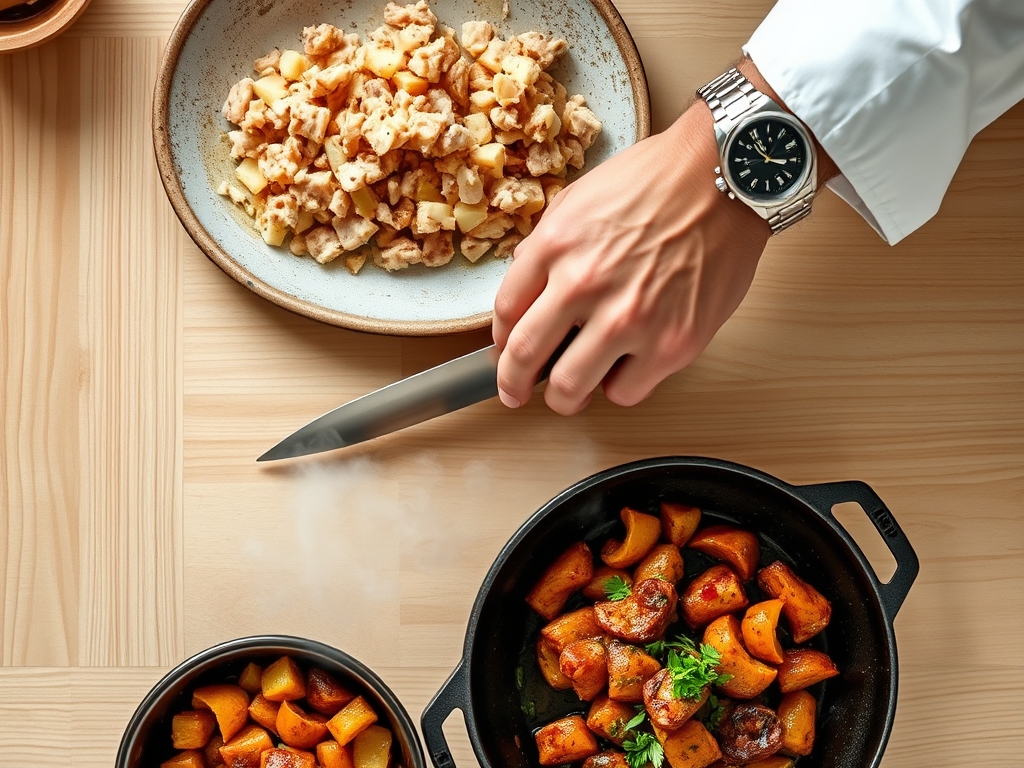
1. The Crispy Smash Technique
Boil baby potatoes until tender, then use a heavy bottomed skillet to crush them flat. Sear in tuna oil until the edges achieve a deep Maillard reaction. Top with flaked tuna and a dollop of creme fraiche.
Pro Tip: This relies on increasing surface area. The more jagged edges you create, the more sites you have for dehydration and browning, resulting in maximum crunch.
2. The Tuna Infused Gratin
Layer thinly sliced potatoes (use a mandoline for 2mm precision) with a mixture of heavy cream, garlic, and shredded tuna. Bake until the cream reduces into a thick, savory sauce.
Pro Tip: The proteins in the tuna will slightly tighten during baking; keep your cream ratio high to prevent the dish from becoming dry through syneresis.
3. The Aerated Potato Mousse
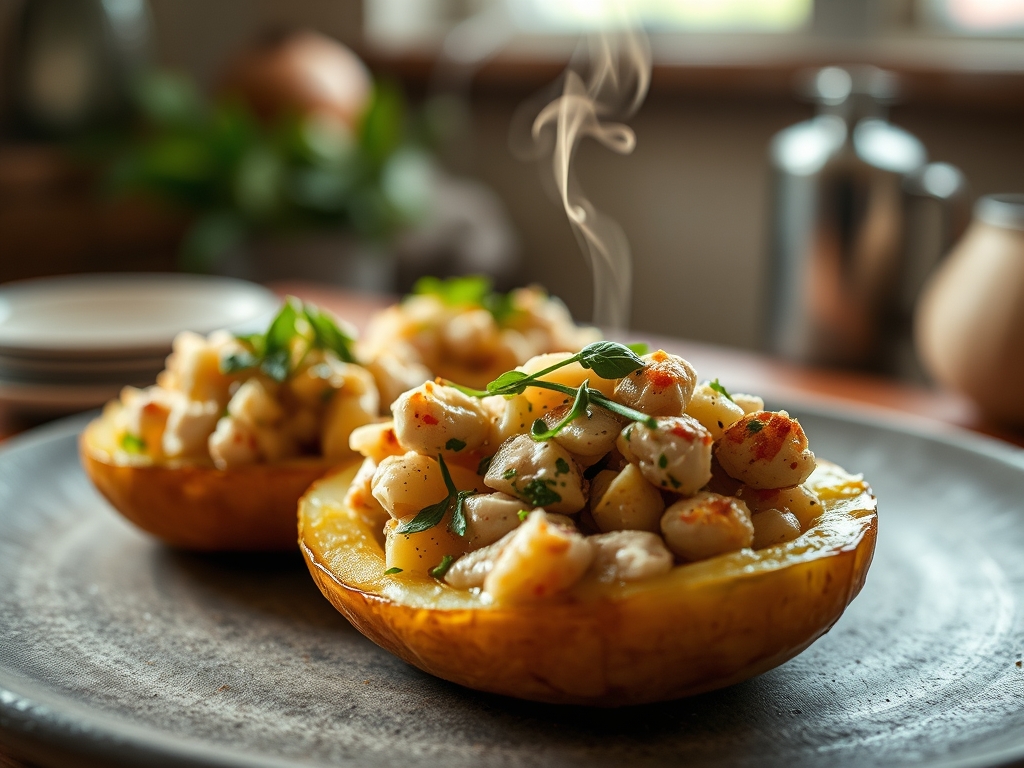
Whip boiled potatoes with a stand mixer or whisk until light. Fold in finely flaked tuna and chives. Use a piping bag to fill potato skins for a "twice baked" upgrade.
Pro Tip: High speed whisking introduces air bubbles into the starch matrix. This aeration creates a lighter mouthfeel that contrasts perfectly with the dense protein of the tuna.
4. The Zesty Tuna Latke
Grate raw potatoes and squeeze out every drop of moisture using a kitchen towel. Mix with tuna, egg, and a tablespoon of flour before pan frying.
Pro Tip: Removing moisture is vital to prevent enzymatic browning and to ensure the starch granules fry rather than steam.
5. The Deconstructed Nicoise Salad
Toss warm, halved fingerling potatoes with tuna, blanched green beans, and a mustard vinaigrette. The heat from the potatoes helps the dressing penetrate the starch.
Pro Tip: This uses thermal infusion. Adding dressing to hot potatoes allows the acetic acid to soak into the center of the tuber rather than just coating the surface.
6. The Tuna Potato Croquette
Mash leftover potatoes with tuna and lemon zest. Roll into balls, dredge in panko, and flash fry until golden.
Pro Tip: Ensure your oil is at exactly 375 degrees Fahrenheit. This creates an immediate steam barrier that prevents oil from soaking into the center, keeping the interior light.
7. The Skillet Hash
Dice potatoes into 1cm cubes for rapid cooking. Saute with onions until soft, then toss in the tuna at the very end just to warm through.
Pro Tip: Add the tuna last to avoid overcooking the delicate fish proteins, which can become "rubbery" if exposed to high heat for too long.
8. The Mediterranean Stuffed Baked Potato
Fluff the interior of a baked Russet and mix with tuna, sun dried tomatoes, and feta.
Pro Tip: Use a fork to fluff the potato to preserve the intercellular spaces, which trap the flavorful oils from the tuna and tomatoes.
9. The Creamy Tuna Chowder
Simmer diced potatoes in a light dashi or vegetable broth until they begin to break down, naturally thickening the soup. Stir in the tuna and a touch of heavy cream.
Pro Tip: This utilizes starch sloughing. As the potato exteriors dissolve, they release amylose, which acts as a natural thickening agent for your broth.
10. The Lemon Herb Potato Pizza
Top a thin potato crust (made from mashed potato and flour) with flaked tuna, capers, and a drizzle of lemon oil.
Pro Tip: Pre bake the potato base until a "skin" forms. This prevents the moisture from the tuna from making the crust soggy.
The Deep Dive:
When we look at the macro profile, canned tuna potato recipes are a powerhouse. You are getting high quality lean protein (omega 3 fatty acids) paired with complex carbohydrates and potassium. It is a balanced fuel source that keeps blood sugar stable.
Dietary Swaps:
For a Vegan twist, swap tuna for mashed chickpeas seasoned with nori flakes for that "sea" flavor. For Keto followers, replace the potato with roasted cauliflower florets, which mimic the texture without the carb load. For Gluten Free needs, ensure your canned tuna is labeled GF and use almond flour as a binder in croquettes.
The Fix-It:
- Soggy Texture: Your potatoes were likely overboiled. Fix this by spreading them on a sheet tray and placing them in a 300 degree oven for five minutes to "steam off" excess water.
- Fishy Aroma: This usually means the tuna is oxidized. A quick hit of citric acid (lemon or lime) will neutralize the amines responsible for the scent.
- Blandness: Potatoes absorb a massive amount of salt. If it tastes flat, add salt in stages; once in the boiling water and once during the final toss.
Meal Prep Science:
When reheating, avoid the microwave if possible. The microwave excites water molecules unevenly, making potatoes gummy. Instead, use an air fryer or a skillet. This re triggers the Maillard reaction on the surface, restoring that day one crispness.
The Wrap-Up:
You are now armed with the technical prowess to turn a simple pantry haul into a series of gourmet experiences. Canned tuna potato recipes are not just about convenience; they are about understanding how heat, acid, and starch interact to create comfort food that is actually smart. Go forth, use your microplane with confidence, and remember that the best meals are often hidden in the back of your cupboard.
The Kitchen Table:
Can I use frozen potatoes for these recipes?
Yes, but ensure you thaw and pat them dry first. Frozen potatoes have already undergone some starch breakdown, so they may cook faster than fresh ones. Adjust your sear time to avoid burning the exteriors.
What is the best way to drain canned tuna?
Use the lid to press firmly against the meat, or better yet, use a fine mesh strainer. For oil packed tuna, save two tablespoons of the oil; it is infused with flavor and perfect for sauteing.
How do I stop my potatoes from turning brown?
Keep peeled potatoes submerged in cold water until you are ready to cook. This prevents oxygen from hitting the surface enzymes, effectively stopping oxidative browning before it starts.
Is it safe to eat cold tuna and potato leftovers?
Absolutely. In fact, cold cooked potatoes develop resistant starch, which is great for gut health. Just ensure they were refrigerated within two hours of cooking to maintain food safety standards.