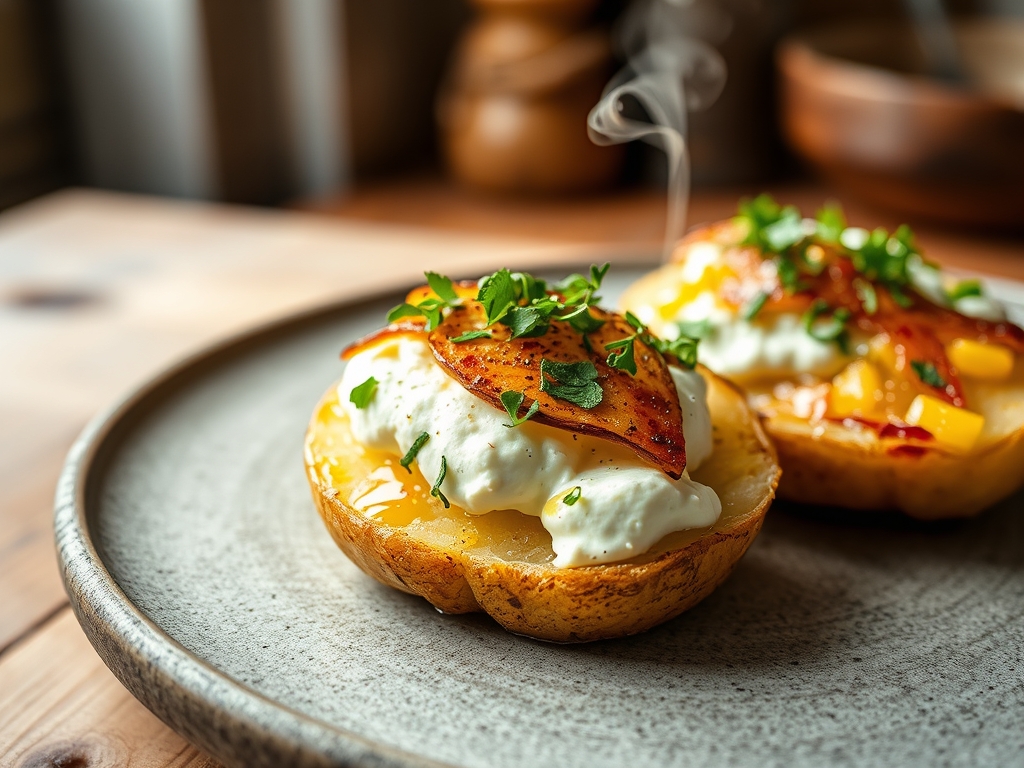
Imagine a world where the humble spud is no longer a side dish but the undisputed star of the show. We have all been there; staring at a pile of bland, starchy tubers and wondering how to elevate them from "filler" to "fine dining." The secret lies in the molecular marriage of starch and silk. When you master philadelphia cream cheese potato recipes, you are not just cooking; you are performing chemistry. We are talking about that specific, tangy lactic acid profile meeting the fluffy cell structure of a Yukon Gold. It is a texture that is simultaneously heavy and airy, coating your palate in a way that butter alone simply cannot achieve. Whether you are craving a sharp, garlic-infused mash or a crispy, twice-baked skin with a molten center, this is where we turn the kitchen into a laboratory of comfort.
The Gathers:
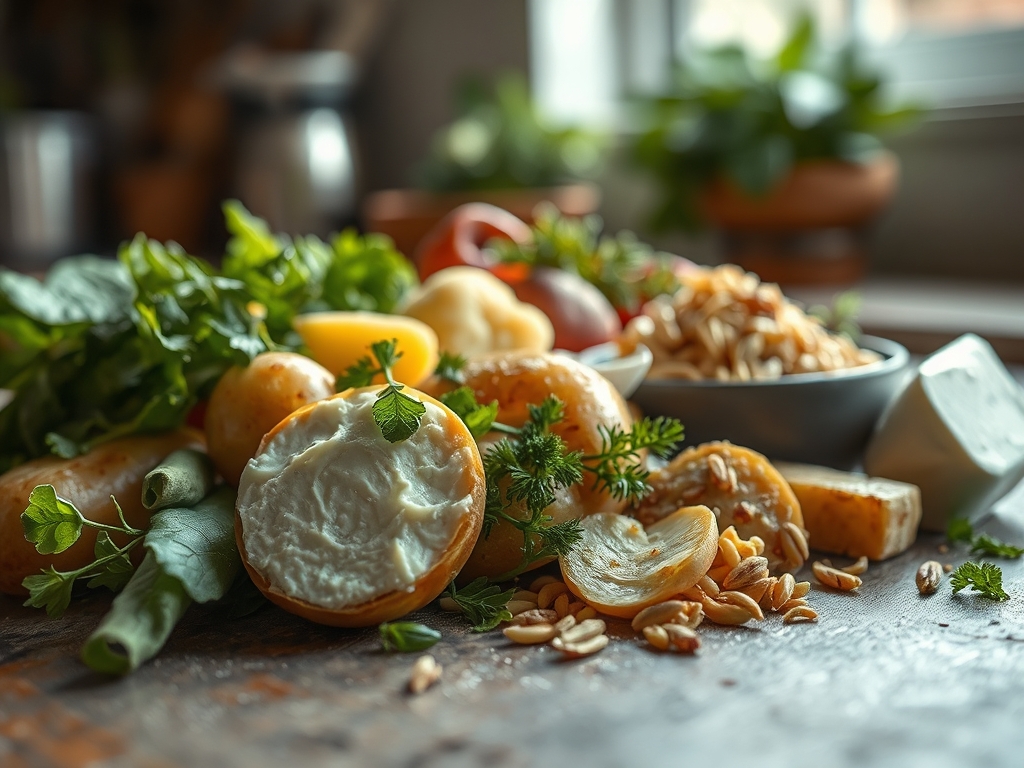
Before we ignite the burners, we must curate our materials with the precision of a chemist. Your mise-en-place is the foundation of success. Start with your potatoes; specifically, high-starch varieties like Russets for fluffiness or waxy yellow varieties for a viscous, buttery mouthfeel. You will need your Philadelphia Cream Cheese brought to room temperature to ensure it incorporates without clumping.
Next, gather your aromatics. Fresh chives, roasted garlic cloves, and perhaps a pinch of smoked paprika for a piquant finish. You will want high-quality fats on hand; unsalted European-style butter and heavy cream are non-negotiable for achieving that professional sheen. For tools, reach for your microplane to zest citrus or grate hard cheeses, and a digital scale to ensure your ratios are exact.
Smart Substitutions: If you are looking to lighten the caloric load without sacrificing the "tang," Greek yogurt can stand in for a portion of the cream cheese, though the fat content of the original provides a superior emulsification. For a vegan twist, cashew-based "cream cheese" offers a similar lactic bite, provided you add a drop of lemon juice to mimic the natural acidity of the dairy.
The Clock
Efficiency in the kitchen is about understanding "Chef's Flow." This is the art of overlapping tasks so that no heat is wasted. Expect a total active prep time of 20 minutes, with a total cook time ranging from 25 to 50 minutes depending on the specific application.
The flow begins with the "Cold Start" method for boiling potatoes, which ensures even cooking from the core to the skin. While the tubers simmer, use that window to render any bacon or infuse your cream with herbs in a small saucier. By the time the potatoes are fork-tender, your flavor base is already concentrated and ready for the final assembly. This synchronized timing prevents the starch from cooling and becoming "gluey," a common pitfall of the distracted cook.
The Masterclass
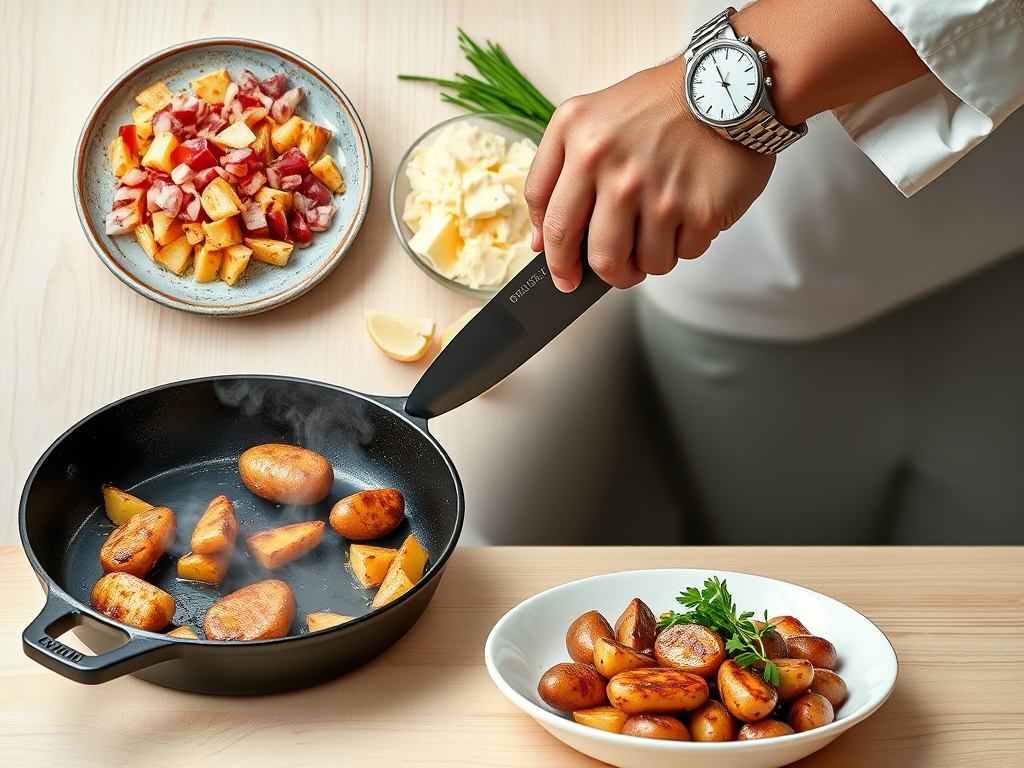
1. The Thermal Foundation
Peel and cube your potatoes into uniform one-inch pieces. Place them in a pot of cold, heavily salted water. Bringing the water to a boil with the potatoes already inside allows the heat to penetrate the starch granules slowly, preventing the outside from disintegrating before the inside is soft.
Pro Tip: This method prevents enzymatic browning and ensures the pectins in the potato cell walls break down at a consistent rate, resulting in a smoother mash.
2. The Steam Release
Once tender, drain the potatoes into a colander and let them sit for exactly two minutes. This is the "steam-off" phase. You want to evacuate as much moisture as possible before adding your fats. If the potatoes are too wet, the cream cheese will slide off the starch rather than bonding with it.
Pro Tip: Use a bench scraper to move the potatoes around in the colander; increasing the surface area exposure speeds up evaporation, leading to a more aerated final texture.
3. The Fat Incorporation
While the potatoes are hot, pass them through a ricer or food mill into a warm bowl. Immediately add your cubed Philadelphia Cream Cheese. The residual heat will begin to melt the cheese, creating a stable emulsion with the potato starch. Fold gently with a silicone spatula rather than whisking aggressively.
Pro Tip: Avoid overworking the potatoes at this stage. Excessive mechanical agitation releases too much starch from the ruptured cells, which can turn your elegant side dish into a gummy, elastic paste.
4. The Liquid Infusion
Slowly drizzle in your warmed heavy cream or whole milk. By warming the liquid first, you avoid "shocking" the fats in the cream cheese, which can cause the mixture to break or look curdled. Continue folding until the mixture reaches a glossy, velvet-like consistency.
Pro Tip: This step utilizes thermal carryover; the heat from the potatoes and the warm cream continues to cook the aromatics, like garlic or chives, just enough to mellow their raw bite.
5. The Flavor Layering
Now is the time for your "Upgrades." Fold in your crispy bacon bits, shredded sharp cheddar, or a tablespoon of prepared horseradish for a kick. Use your microplane to shave a dusting of fresh nutmeg over the top; the spice enhances the dairy notes perfectly.
Pro Tip: Adding salt at the very end allows you to account for the sodium already present in the cream cheese and any added proteins, ensuring a perfectly balanced seasoning profile.
6. The Maillard Finish
For dishes like twice-baked potatoes or a potato gratin, transfer the mixture to a shallow baking dish. Top with extra dollops of cream cheese and a sprinkle of parmesan. Place under a broiler for 3 to 5 minutes until the top is bubbling and golden brown.
Pro Tip: The Maillard reaction occurs between the amino acids and reducing sugars in the dairy, creating a complex, toasted flavor profile that contrasts beautifully with the creamy interior.
7. The Final Rest
Allow the dish to sit for five minutes before serving. This allows the starches to "set" slightly, making the texture more substantial and less runny. It also ensures the flavors have a moment to meld into a cohesive unit.
Pro Tip: Resting prevents the "weeping" effect, where liquid separates from the solids as the temperature drops, ensuring every scoop is as perfect as the first.
The Deep Dive
When we look at the macro nutrition, these recipes are high in potassium and Vitamin C from the potatoes, balanced by the protein and calcium in the dairy. To make this Keto-friendly, swap the potatoes for steamed cauliflower florets; the cream cheese provides the necessary lipids to make the substitution feel indulgent. For a gluten-free guarantee, simply ensure your spices and additives are certified, as potatoes and cream cheese are naturally gluten-free.
The Fix-It:
- Lumpy Texture: If you missed the ricer step, use a hand mixer on low speed for 30 seconds to break up chunks.
- Too Salty: Fold in a spoonful of plain sour cream to dilute the sodium and add moisture.
- Broken Sauce: If the fat is separating, whisk in a tablespoon of hot potato water to re-emulsify the mixture.
Meal Prep: To reheat and maintain "day-one" quality, avoid the microwave. Instead, place the potatoes in a heavy-bottomed skillet over low heat with a splash of milk. Cover with a lid to trap steam, which re-hydrates the starch molecules without drying out the edges.
The Wrap-Up
There you have it; the definitive guide to turning a pantry staple into a culinary masterpiece. By understanding the science of starch and the chemistry of cream cheese, you have unlocked a level of comfort food that most people only find in high-end bistros. Go forth, grab your tongs and your saucier, and show those potatoes who is boss. Your dinner guests will thank you, and your palate will never settle for "basic" mash again.
The Kitchen Table
Can I use low-fat cream cheese for these recipes?
You can, but the lower fat content may result in a less stable emulsion. The final texture will be thinner and lack the signature velvety mouthfeel provided by the full-fat Philadelphia version.
How do I prevent my potatoes from becoming gummy?
Avoid using a food processor or over-mashing. Excessive mechanical force breaks the potato's starch cells, releasing amylose which creates a sticky, glue-like consistency. Stick to a ricer or hand masher for the best results.
What is the best way to store leftovers?
Store in an airtight container in the refrigerator for up to three days. To maintain the best texture, reheat slowly on the stovetop with a splash of liquid rather than using high-heat methods that can break the fats.
Can I make these potato recipes ahead of time?
Yes. You can prepare the mash up to 24 hours in advance. Store it in a baking dish, and when ready to serve, reheat it in the oven covered with foil to preserve moisture and prevent a skin from forming.