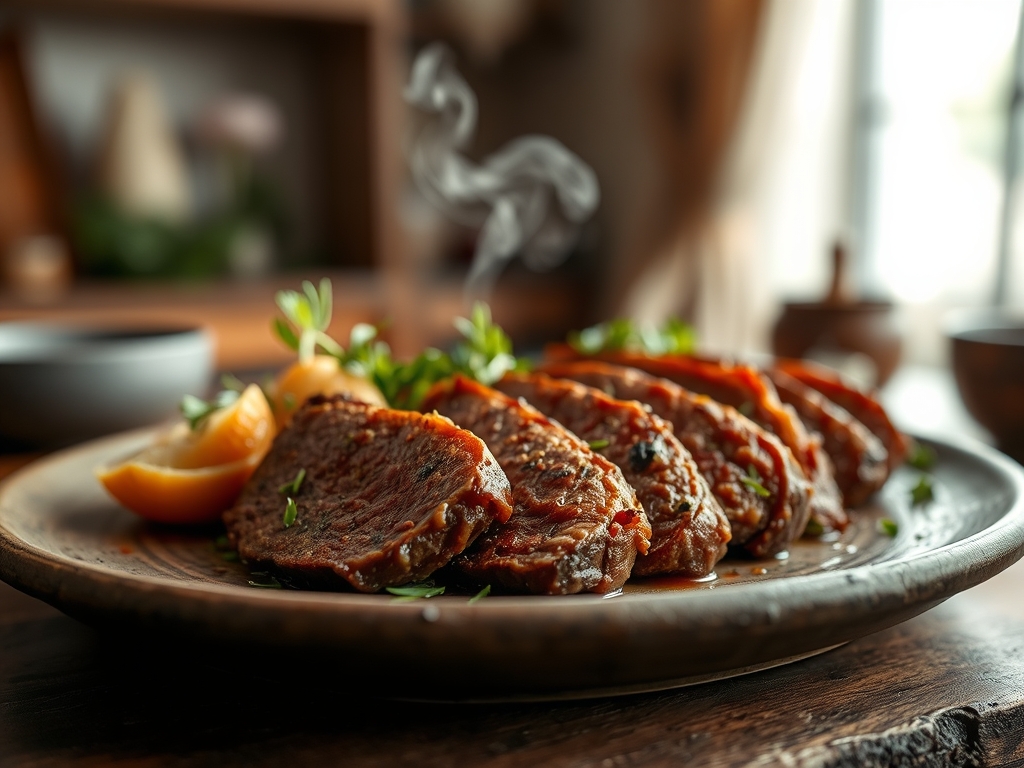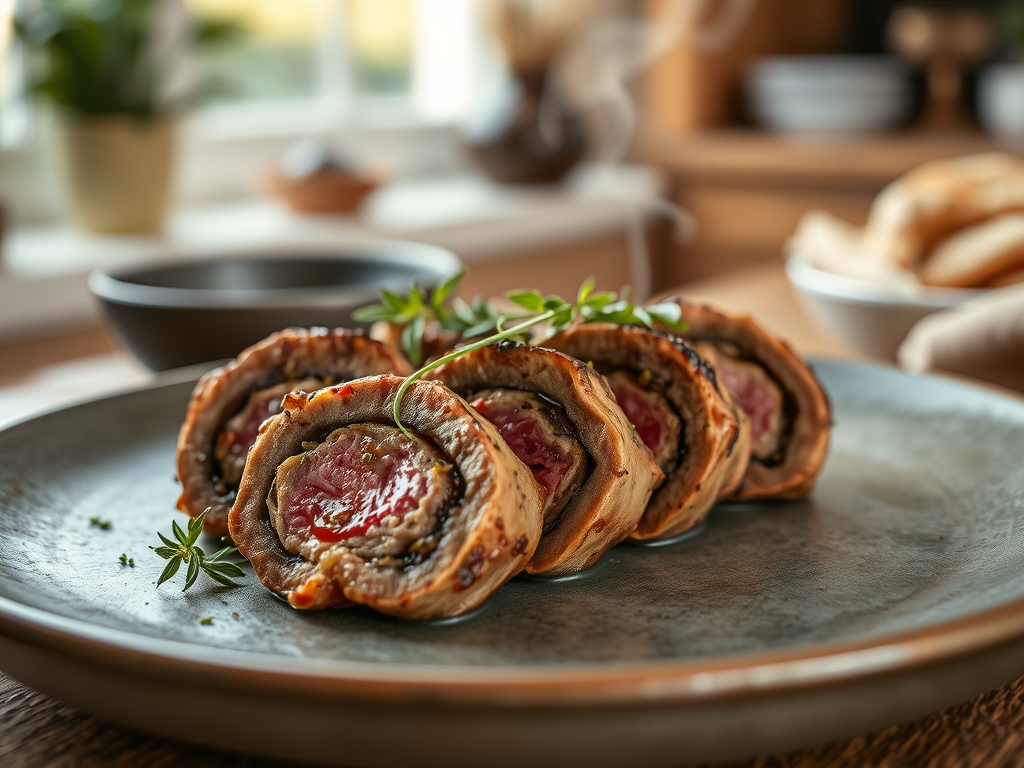
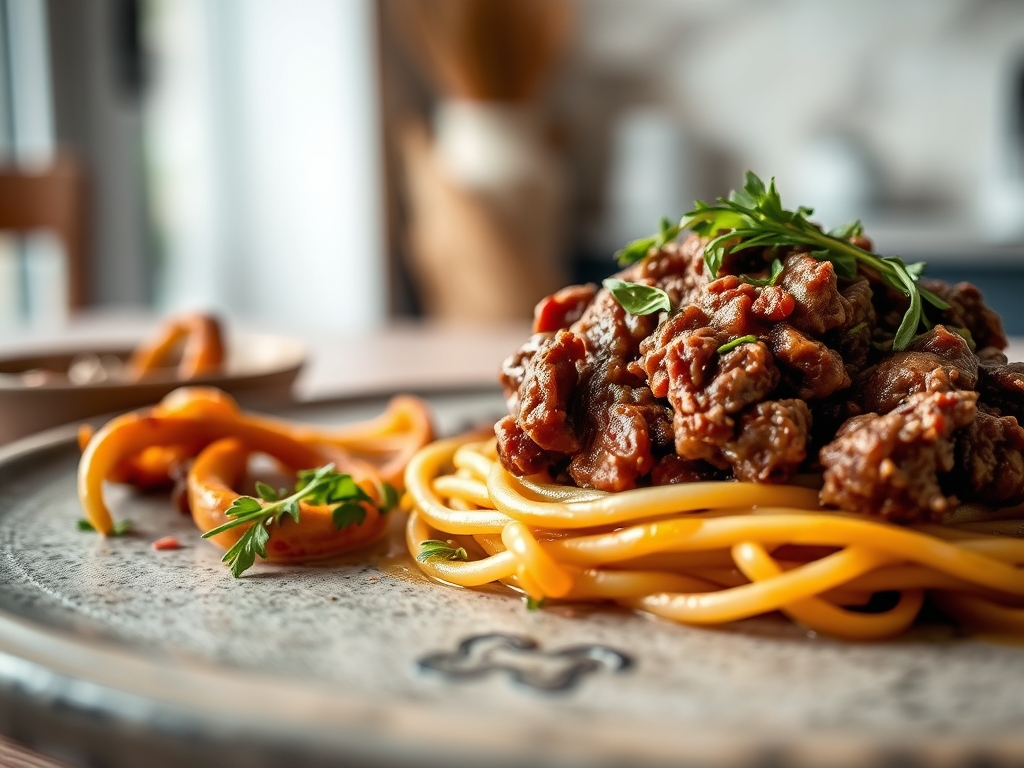
Imagine the sizzle of a heavy-bottomed skillet meeting cold fat; it is the sound of a weekday rescue. When you are staring at a pound of protein in the fridge, you need easy healthy ground beef recipes for dinner that deliver more than just sustenance. We are chasing that perfect Maillard reaction, where amino acids and reducing sugars transform into a savory, umami-rich crust. It is about speed without sacrificing the sophisticated chemistry of a well-balanced meal.
Ground beef is the ultimate culinary chameleon. It is accessible, nutrient-dense, and incredibly forgiving for the home cook. However, the difference between a grey, boiled mess and a restaurant-quality sear lies in your technical execution. We are going to harness the power of high-heat conductivity and moisture management to create ten distinct flavor profiles in thirty minutes or less. From piquant Korean-inspired bowls to zesty Mediterranean wraps, these recipes prove that "healthy" does not mean "bland." We are optimizing for iron, zinc, and B12 while keeping the saturated fats in check through smart pairing and precise rendering techniques.
The Gathers:
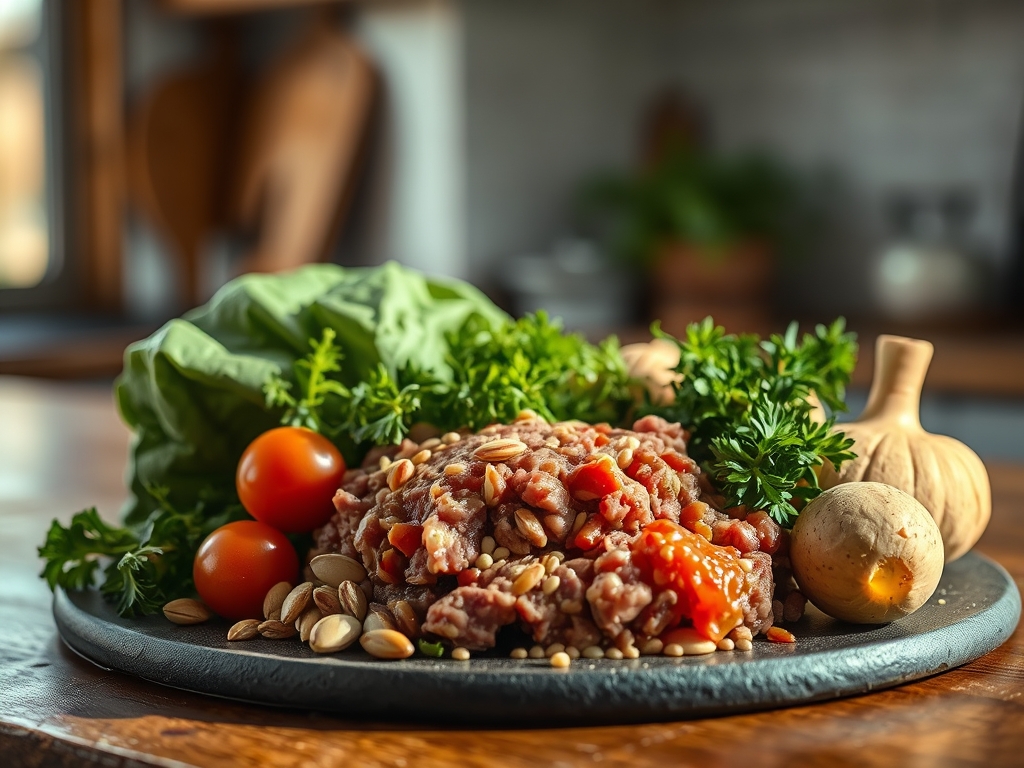
Before we ignite the burner, we must respect the mise-en-place. Your station should be a curated collection of textures and colors. Start with grass-fed ground beef, ideally a 90/10 lean-to-fat ratio. This provides enough lipid content to infuse the meat with flavor without requiring a heavy degreasing step later. You will need a microplane for aromatics; grating garlic and ginger directly into the pan creates a more viscous sauce base than dicing ever could.
Gather your fiber-rich anchors: riced cauliflower, spiralized zucchini, and crisp bell peppers. These provide the structural integrity your plate needs. For the "Smart Substitutions," consider using Greek yogurt as a high-protein alternative to sour cream, or coconut aminos if you are monitoring sodium levels. Always keep a digital scale nearby to ensure your protein portions are consistent; accuracy is the hallmark of a disciplined kitchen. If you are looking for a crunch, toasted sesame seeds or crushed walnuts add a layer of healthy fats and a necessary textural contrast to the tender protein.
The Clock
Efficiency in the kitchen is governed by "Chef's Flow," a concept where tasks are sequenced to eliminate downtime. For these ten dinners, the clock starts at the thirty-minute mark. Spend the first seven minutes on high-impact prep: use a bench scraper to move chopped vegetables swiftly and keep your board clear. The next fifteen minutes are for active cooking, focusing on the render phase where the beef develops its color.
The final eight minutes are reserved for "The Finish." This is when you add delicate leafy greens like spinach or bok choy, which only require residual heat to wilt. By timing your starch (like quinoa or glass noodles) to finish simultaneously, you prevent the dreaded "soggy bottom" syndrome. Remember, thermal energy continues to work even after the flame is off; this is known as carryover cooking, and accounting for it is the secret to juicy, never-rubbery beef.
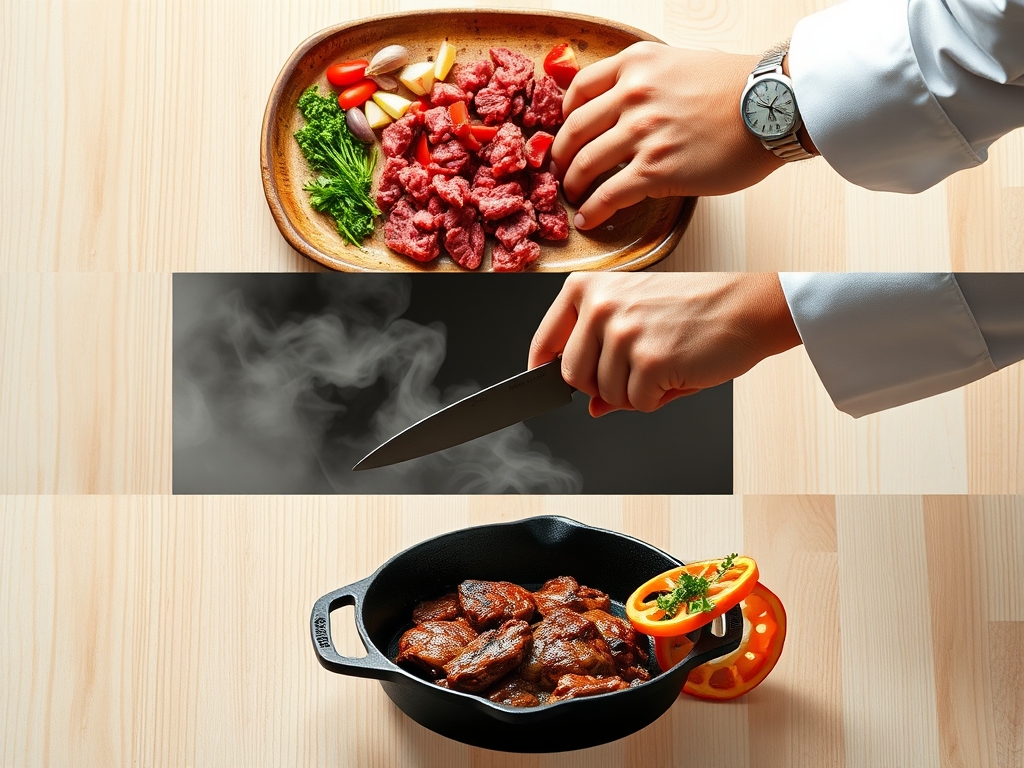
The Masterclass
1. The High-Heat Sear
Place your heavy-bottomed skillet over medium-high heat until it wisps with smoke. Add the beef in a single, flat layer. Do not touch it for at least three minutes.
Pro Tip: This patience allows for enzymatic browning. Moving the meat too early releases steam, which lowers the surface temperature and results in grey, steamed meat instead of a caramelized crust.
2. Deglazing for Depth
Once the beef is browned, push it to the perimeter and add a splash of beef bone broth or dry sherry to the center. Use tongs or a wooden spoon to scrape the brown bits (the fond) off the bottom.
Pro Tip: This process captures the concentrated flavor compounds stuck to the pan, creating a built-in sauce that is naturally low in calories but high in complexity.
3. Aromatics and Infusion
Lower the heat slightly and add your grated aromatics. Stir constantly for sixty seconds until the scent becomes fragrant but not toasted.
Pro Tip: Essential oils in garlic and spices are fat-soluble. By sautéing them in the rendered beef fat, you aerate the flavors and distribute them evenly throughout the entire dish.
4. The Vegetable Fold
Toss in your dense vegetables first (carrots, peppers) followed by the quicker-cooking greens. Use a saucier if you are making a more liquid-based dish to encourage evaporation.
Pro Tip: Cooking vegetables briefly preserves their cellular structure and vitamin content. You want a "tender-crisp" finish that provides a mechanical contrast to the soft beef.
5. Emulsifying the Finish
Turn off the heat and stir in a final hit of acid (lime juice or vinegar) and a touch of cold butter or starch slurry if a thicker consistency is desired.
Pro Tip: This final step creates a temporary emulsification, binding the juices and fats into a glossy coating that clings to the meat rather than pooling at the bottom of the bowl.
The Deep Dive
When we look at the macro nutrition, a standard serving of these easy healthy ground beef recipes for dinner provides roughly 25-30 grams of protein and 15 grams of fat. By swapping traditional pasta for fiber-dense alternatives, we keep the net carbs low, making these meals ideal for metabolic health. If you are looking for dietary swaps, sub in ground turkey for a leaner profile, or use crumbled tempeh for a vegan version; just remember to add a dash of liquid smoke to mimic the beef's natural depth.
"The Fix-It" guide for common pitfalls:
- Too Much Liquid: If your pan looks like a soup, the beef was likely crowded. Fix: Drain the excess liquid into a bowl, turn the heat to high to sear the meat, then whisk a teaspoon of cornstarch into the liquid and add it back to thicken.
- Bland Flavor: You likely forgot the acid. Fix: A squeeze of lemon or a dash of apple cider vinegar brightens the heavy fat notes instantly.
- Tough Texture: This happens from overworking the meat. Fix: Use a meat masher to break up chunks gently rather than stirring aggressively.
For meal prep, the science of reheating is vital. To maintain "day-one" quality, add a teaspoon of water before microwaving or reheating in a skillet. This creates steam that re-hydrates the protein fibers, preventing that "leftover" dry texture.
The Wrap-Up
Mastering easy healthy ground beef recipes for dinner is about reclaiming your evening without sacrificing your wellness goals. By understanding the physics of the sear and the chemistry of the deglaze, you transform humble ingredients into a gourmet experience. These ten variations are your blueprint for a high-energy, high-flavor lifestyle. Now, grab your favorite skillet and let the Maillard reaction work its magic; your future, well-fed self will thank you.
The Kitchen Table
How do I make ground beef taste better for dinner?
Focus on the sear. Let the meat sit undisturbed in a hot skillet to develop a brown crust. Use a microplane to add fresh ginger, garlic, and lime zest at the end to provide a piquant, fresh finish.
Is ground beef healthy for weight loss?
Yes, when you choose lean cuts like 90/10 or 93/7. It is high in satiating protein and essential minerals. Pair it with high-fiber vegetables instead of refined grains to maintain a steady glycemic index and keep you full longer.
How do I drain fat from ground beef properly?
Push the cooked beef to one side of the tilted skillet. Use a spoon to remove excess liquid, or blot the pan with a folded paper towel held by tongs. This reduces total calories while keeping the flavor intact.
Can I freeze cooked ground beef meals?
Absolutely. Allow the dish to cool completely to prevent ice crystal formation. Store in airtight containers for up to three months. Reheat with a splash of broth to maintain the viscous texture of the original sauce.