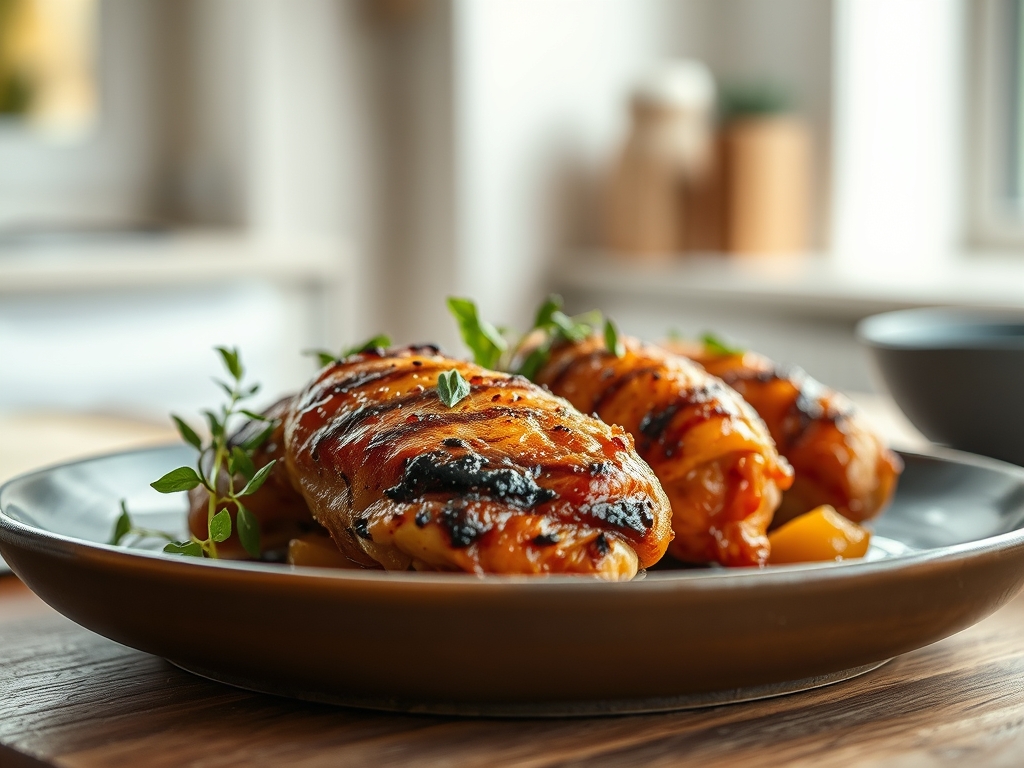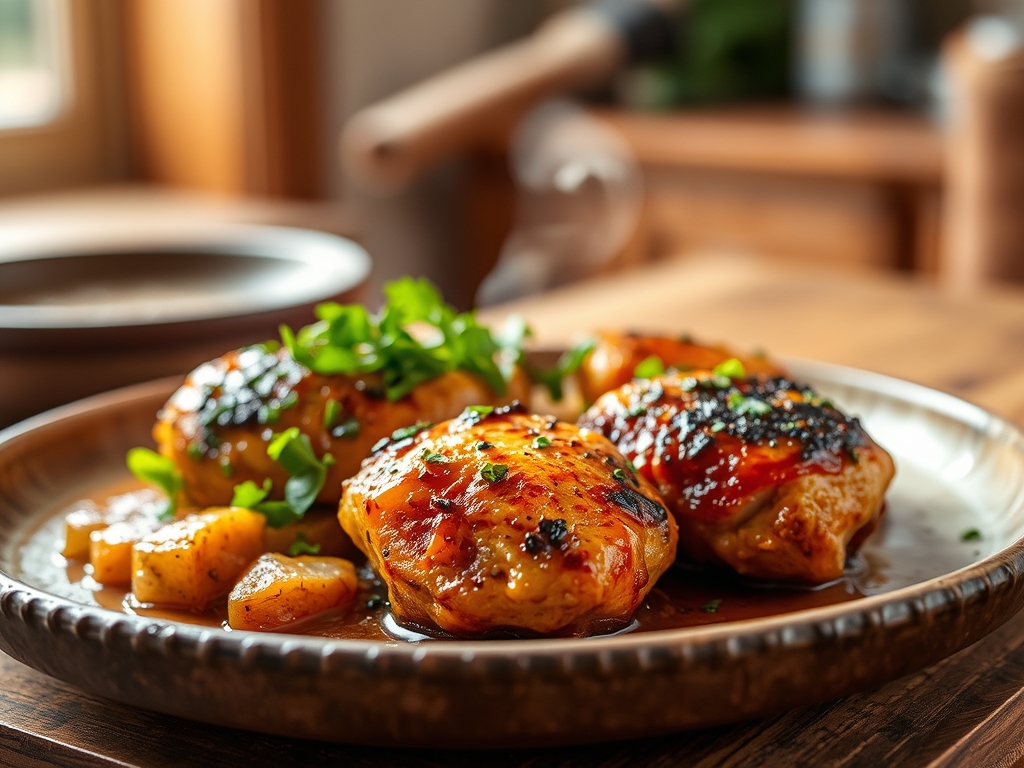
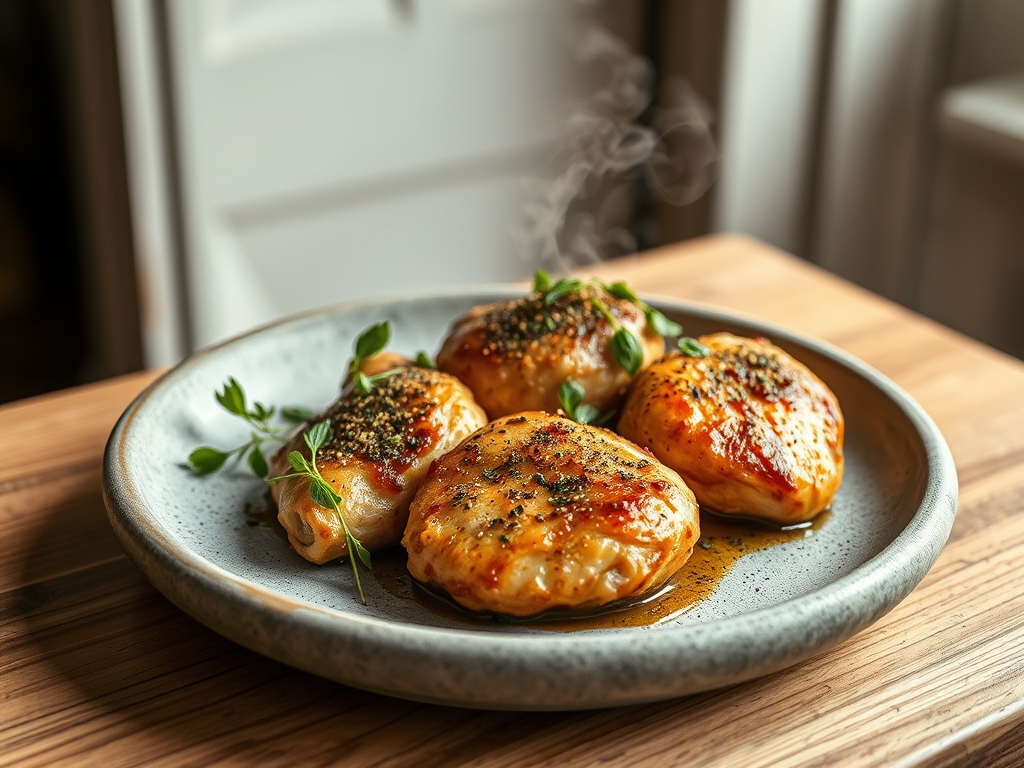
Picture the scent of a bustling Levantine market flooding your kitchen. It is a heady, intoxicating mix of toasted sesame, earthy thyme, and the sharp, citrusy punch of sumac. When you master these za'atar chicken recipes, you are not just cooking dinner; you are conducting a masterclass in ancient spice chemistry. The aroma is visceral, pulling you toward the stovetop before the timer even chirps.
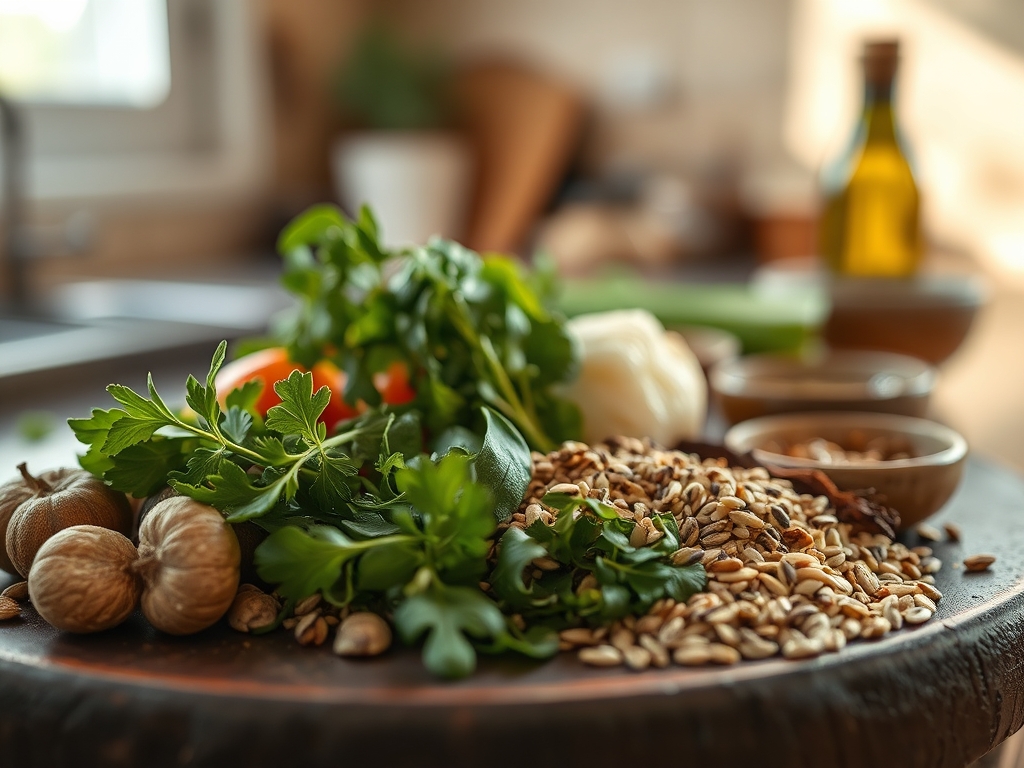
The Gathers:
To execute these za'atar chicken recipes with precision, your mise-en-place must be flawless. Start with your protein; high-quality, air-chilled chicken thighs offer the best fat-to-meat ratio for rendering. You will need a high-quality za'atar blend. Look for one where the hyssop or wild thyme is still green, not dusty brown. Grab your microplane for zesting fresh lemons and a digital scale to ensure your spice ratios are consistent.
The science of the marinade relies on a viscous emulsion. You will need extra virgin olive oil with a high polyphenol count to carry the fat-soluble compounds of the herbs into the muscle fibers. Garlic should be crushed into a paste using the flat side of a chef knife to release allicin, the compound responsible for that sharp, piquant bite.
Smart Substitutions:
If you cannot find sumac, a dusting of citric acid or extra lemon zest provides that necessary acidity. For a nightshade-free version, swap the traditional pinch of Aleppo pepper for toasted black peppercorns crushed in a mortar and pestle. If you are out of fresh thyme, dried oregano works, but reduce the volume by half to avoid an overwhelming medicinal note.
The Clock: Timing and Chef's Flow
Efficiency in the kitchen is about managing thermal momentum. For most za'atar chicken recipes, your active prep time is a tight 20 minutes. This includes trimming the fat and whisking the marinade. However, the "Chef's Flow" dictates a mandatory 30-minute marination period at room temperature. This allows the salt to penetrate the protein via osmosis while taking the chill off the meat, ensuring even heat distribution once it hits the pan.
Cooking times vary by method. A heavy-bottomed skillet on the stovetop requires 12 to 15 minutes of active searing. If you choose the roasting route, expect 25 to 30 minutes at 425 degrees Fahrenheit. Always factor in a 10-minute resting period. During this time, carryover cooking finishes the center without drying out the exterior.
The Masterclass:
1. Prepare the Emulsion
In a small saucier, whisk together your olive oil, lemon juice, crushed garlic, and three tablespoons of za'atar. You want to aerate the mixture slightly to ensure the spices are fully suspended in the oil. This ensures every square inch of the chicken receives an equal distribution of flavor.
Pro Tip: This is the "Bloom Phase." Heating the oil slightly before adding the spices (to about 100 degrees) helps the essential oils in the dried herbs release more effectively. This is known as lipid-solubilization, which intensifies the aromatic profile of your za'atar chicken recipes.
2. The Sear and Render
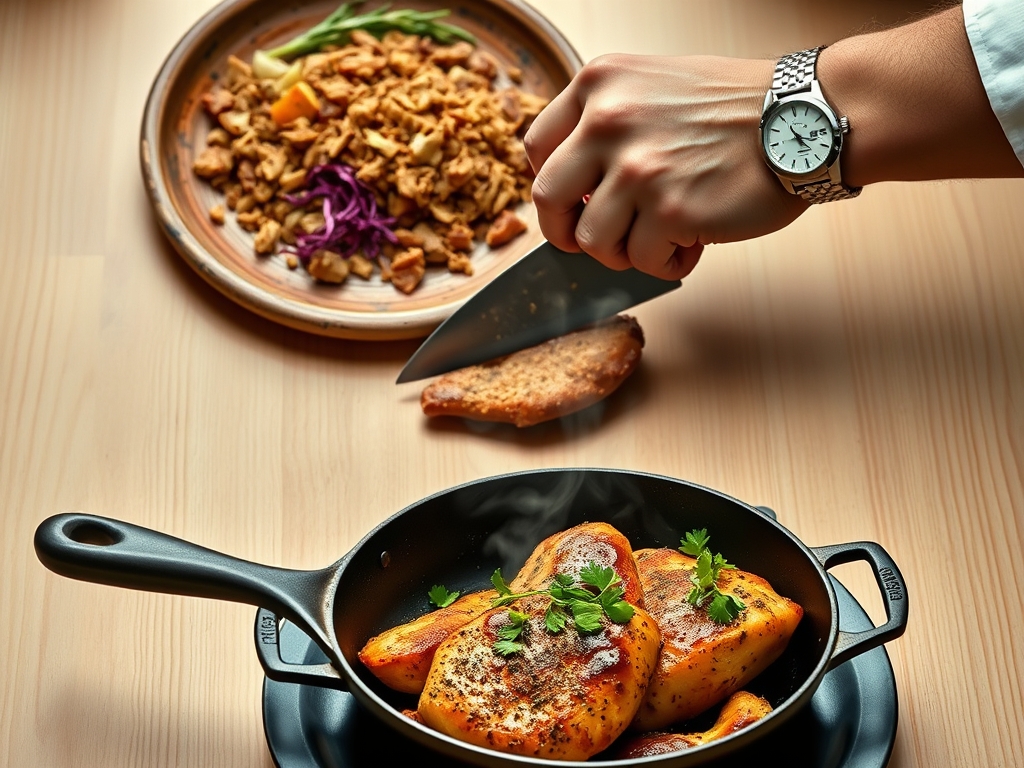
Place your chicken skin-side down in a cold heavy-bottomed skillet and then turn the heat to medium-high. This "cold start" method allows the subcutaneous fat to render slowly, resulting in glass-like, crispy skin rather than rubbery tissue. Use tongs to press the meat down for maximum surface contact.
Pro Tip: This stage triggers the Maillard reaction. This chemical reaction between amino acids and reducing sugars creates hundreds of different flavor compounds. By starting cold, you maximize the time the chicken spends in the "Maillard Zone" without overcooking the interior.
3. Deglaze and Infuse
Once the chicken is golden, flip it. Add a splash of white wine or chicken stock to the pan. Use a bench scraper or wooden spoon to scrape up the brown bits (the fond) from the bottom of the pan. This liquid will become a concentrated glaze that coats the meat.
Pro Tip: Deglazing is a form of solvent extraction. The alcohol or water dissolves the flavor-packed molecules stuck to the pan, creating a complex pan sauce. This prevents the delicate sumac in the za'atar from burning and turning bitter.
4. The Thermal Finish
Transfer the skillet to a preheated oven or cover it with a lid to finish cooking. Use a digital thermometer to pull the chicken when it hits 160 degrees Fahrenheit. The temperature will rise to the food-safe 165 degrees while it rests.
Pro Tip: This utilizes thermal carryover. If you wait until the thermometer hits 165 in the oven, the residual heat will push the internal temperature to 170 or higher, resulting in stringy, dry protein.
5. The Rest and Carve
Move the chicken to a cutting board. Let it sit undisturbed for at least eight minutes. This allows the muscle fibers to relax and reabsorb the juices that were pushed to the center during the cooking process.
Pro Tip: Cutting too early causes "purge," where all the moisture leaks out onto the board. Resting allows the liquid to redistribute through capillary action, ensuring a succulent bite every time.
6. The Final Garnish
Just before serving, hit the dish with a fresh sprinkle of "raw" za'atar and a drizzle of cold-pressed olive oil. This adds a layer of bright, un-toasted flavor that contrasts with the deep, roasted notes of the cooked spices.
Pro Tip: This creates a "dual-layer" flavor profile. The cooked spices provide the bass notes, while the fresh garnish provides the treble. It is a technique used by professional chefs to make flavors "pop" on the palate.
The Deep Dive:
From a nutritional standpoint, these za'atar chicken recipes are a powerhouse. A standard 6-ounce serving of thigh meat provides roughly 35 grams of protein and 15 grams of healthy fats. The sumac is packed with antioxidants, while the sesame seeds provide a boost of calcium and magnesium.
Dietary Swaps:
For a Vegan alternative, use the same marinade on thick slices of cauliflower or firm tofu. The porous nature of tofu makes it an excellent vessel for the viscous oil-based sauce. For Keto followers, this recipe is naturally low-carb; just ensure your za'atar blend does not contain added flour or fillers. For a Gluten-Free guarantee, always check that your spices are processed in a dedicated facility.
The Fix-It:
- Burnt Spices: If your za'atar turns black and bitter, your pan was too hot. Fix this by adding a teaspoon of honey or maple syrup to the pan sauce to balance the acridity.
- Soggy Skin: This happens if you crowd the pan. The moisture creates steam instead of a sear. Fix this by finishing the chicken under a broiler for 90 seconds to crisp the skin.
- Bland Meat: If the flavor is only on the surface, you skipped the marination. Fix this by slicing the meat thin and tossing it directly in the pan juices before serving.
Meal Prep Science:
When reheating, avoid the microwave. The high-frequency waves agitate water molecules, leading to "warmed-over flavor" caused by lipid oxidation. Instead, reheat in a toaster oven at 300 degrees with a splash of water in the pan to create a gentle steam, preserving the "day-one" moisture levels.
The Wrap-Up:
Mastering za'atar chicken recipes is your gateway to effortless, high-flavor cooking that feels like a celebration. By understanding the chemistry of the Maillard reaction and the importance of lipid-solubilization, you have moved beyond following a recipe to truly understanding the "why" behind the "how." Now, grab your skillet and let those aromatics transform your kitchen into a Mediterranean sanctuary.
The Kitchen Table:
Can I use chicken breasts instead of thighs?
Yes, but reduce the cooking time by 20 percent. Breasts lack the fat of thighs, so they dry out faster. Use a digital thermometer to ensure you pull them at exactly 160 degrees for the best results.
What is the best way to store leftover za'atar?
Store your blend in an airtight glass jar in a cool, dark pantry. Oxygen and light are the enemies of essential oils. For maximum freshness, keep it in the freezer to slow down the oxidation of the sesame seeds.
Why does my za'atar taste soapy?
This usually happens if the blend has a high concentration of dried coriander or if the herbs are old. Try adding a squeeze of fresh lemon juice; the acid cuts through the soapy notes and brightens the overall flavor profile.
Is za'atar spicy?
Traditional za'atar is earthy and tangy rather than hot. However, some blends include Aleppo pepper or chili flakes for heat. Always taste a small pinch of your blend before marinating to gauge the capsaicin level.
Can I make my own za'atar?
Absolutely. Toast sesame seeds in a heavy-bottomed skillet, then grind them with dried thyme, oregano, sumac, and sea salt. Using a mortar and pestle allows you to control the texture, keeping some seeds whole for a satisfying crunch.