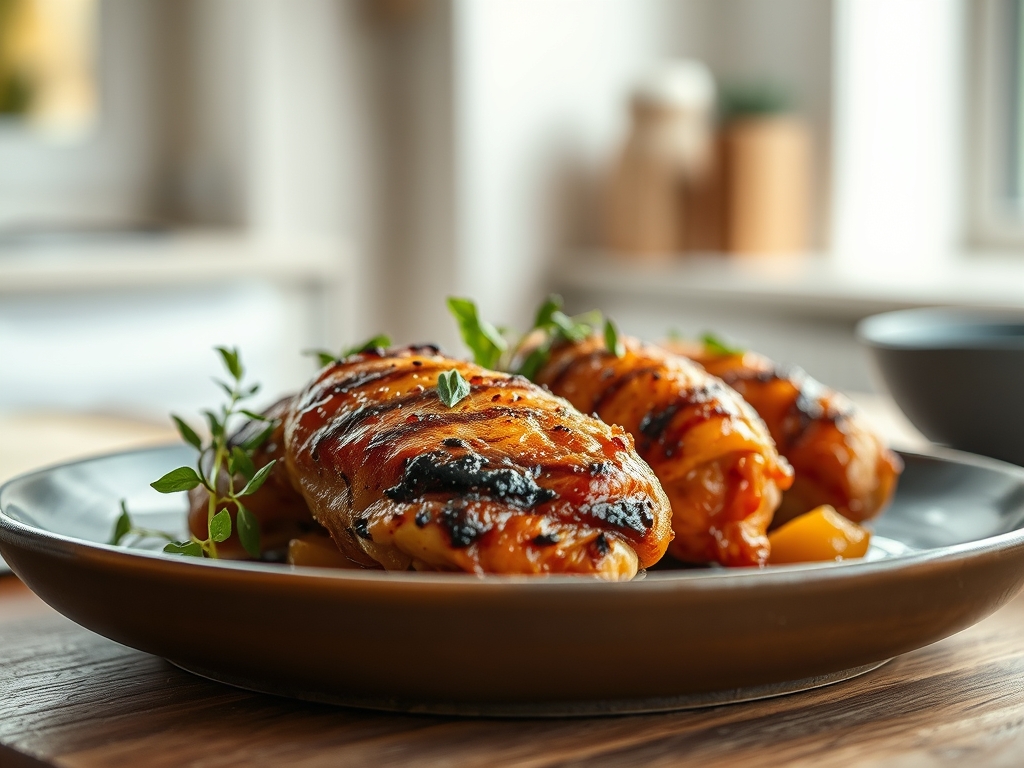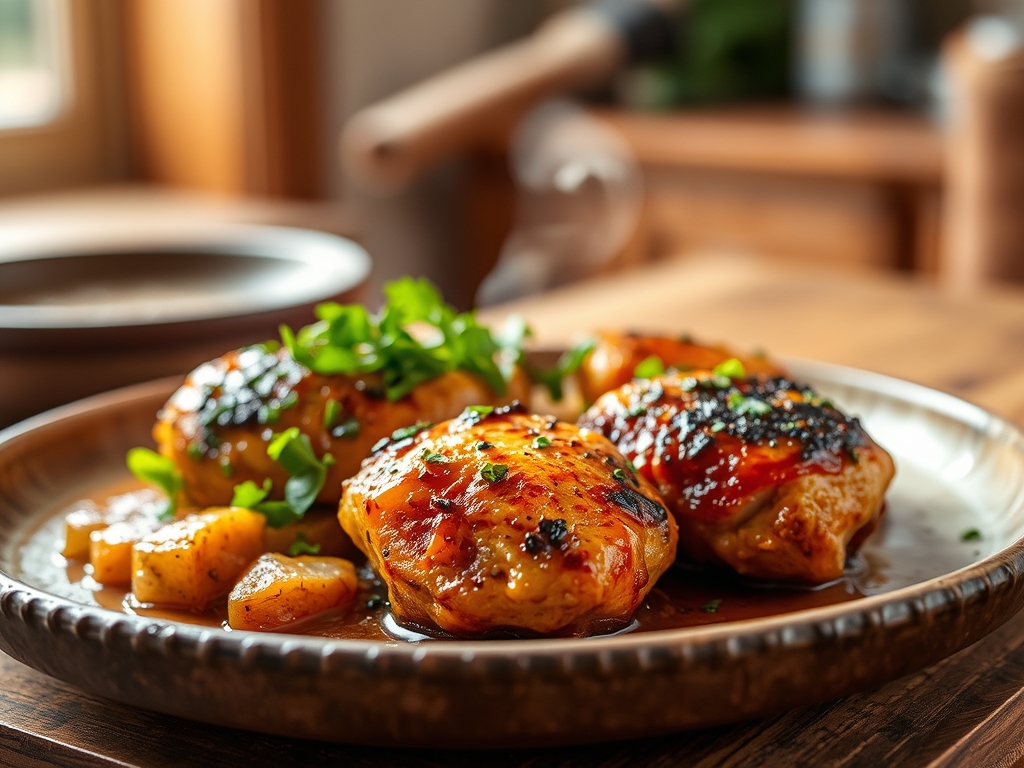
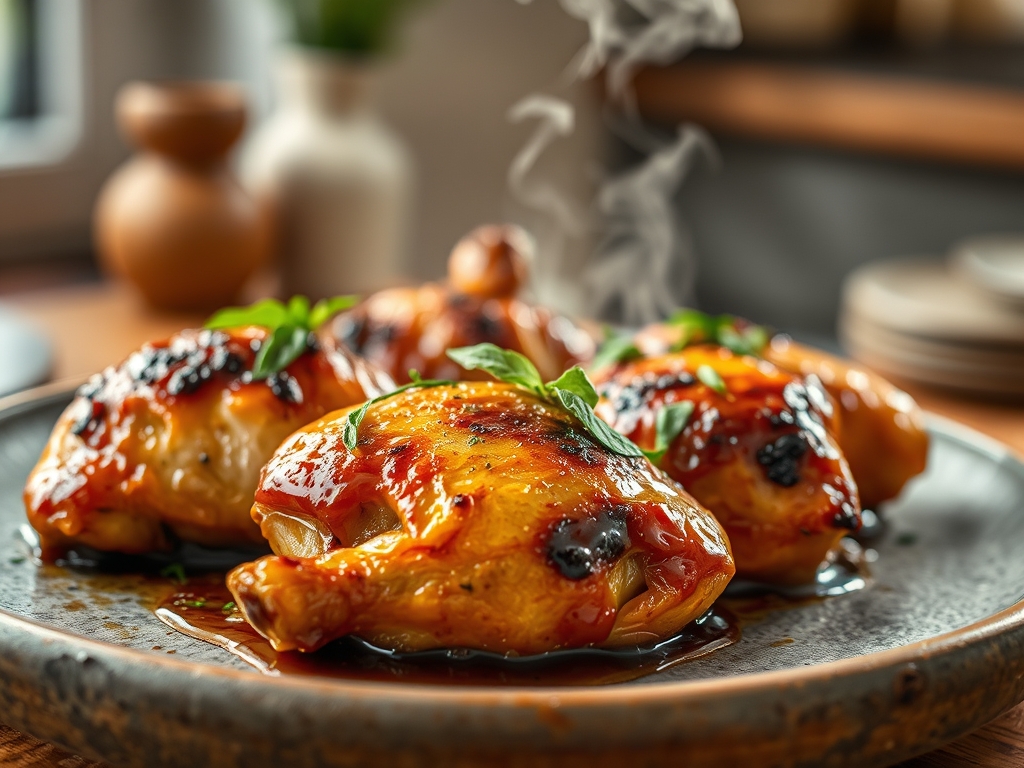
Imagine the scent of golden fat rendering slowly into a pool of amber juices while your kitchen fills with the heady aroma of toasted garlic and woody rosemary. We are moving past the days of dry, stringy poultry and embracing the luxury of patience. Mastering slow baked chicken recipes is less about following a strict set of rules and more about understanding the beautiful, slow dance of thermodynamics and protein denaturation. When you treat the oven like a gentle embrace rather than a blast furnace, the connective tissues within the meat transform into silky gelatin, creating a texture so succulent it practically melts off the bone. This is the ultimate comfort food, elevated by precision and a few clever kitchen hacks that will make you the undisputed hero of Sunday dinner. We are going to dive deep into the molecular magic that turns a humble bird into a masterpiece of culinary art. Grab your favorite apron and a glass of wine; we are about to change the way you look at a roasting pan forever.
The Gathers:
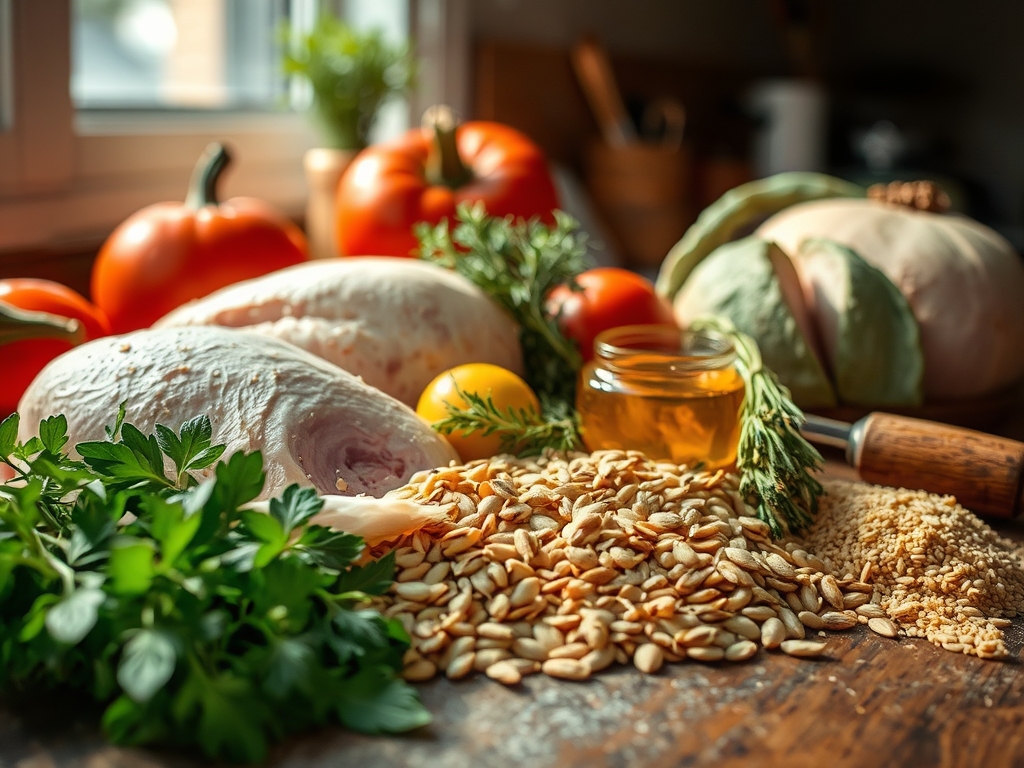
To achieve the perfect result, your mise-en-place must be impeccable. Start with a high-quality, air-chilled bird; this ensures the skin is not water-logged, allowing for superior crisping. You will need high-smoke-point fats like clarified butter or avocado oil to facilitate heat transfer without burning. For the aromatic profile, gather fresh sprigs of thyme, whole cloves of garlic, and perhaps a splash of dry white wine to deglaze the pan later. Use a microplane to zest a lemon directly over the bird to release the volatile oils without the bitterness of the pith.
If you find yourself missing an ingredient, do not panic. Smart Substitutions are the hallmark of a confident cook. If you lack fresh herbs, a high-quality dried poultry seasoning works, provided you bloom it in warm oil first to release the fat-soluble compounds. No white wine? A splash of apple cider vinegar diluted with water provides the necessary acidity to cut through the rich, viscous juices. Always use a digital scale to measure your salt; a ratio of one percent salt to the total weight of the meat ensures perfect seasoning throughout the muscle fiber.
The Clock:
Efficiency in the kitchen is about the Chef's Flow, which is the art of overlapping tasks to maximize flavor while minimizing stress. Your total preparation time should take no more than twenty minutes, but the baking process is where the magic happens over two to three hours. Start by tempering your meat; let the chicken sit at room temperature for forty minutes before it touches the oven. This reduces the thermal shock and ensures even cooking from the core to the surface.
While the bird roasts at a gentle 300 degrees Fahrenheit, use that time to prepare your sides or simply relax. The final twenty minutes are reserved for the high-heat finish to achieve that shatteringly crisp skin. Always account for a mandatory twenty-minute rest period after the chicken leaves the oven. This allows the internal pressure to stabilize and the juices to redistribute, ensuring every bite is moist.
The Masterclass:
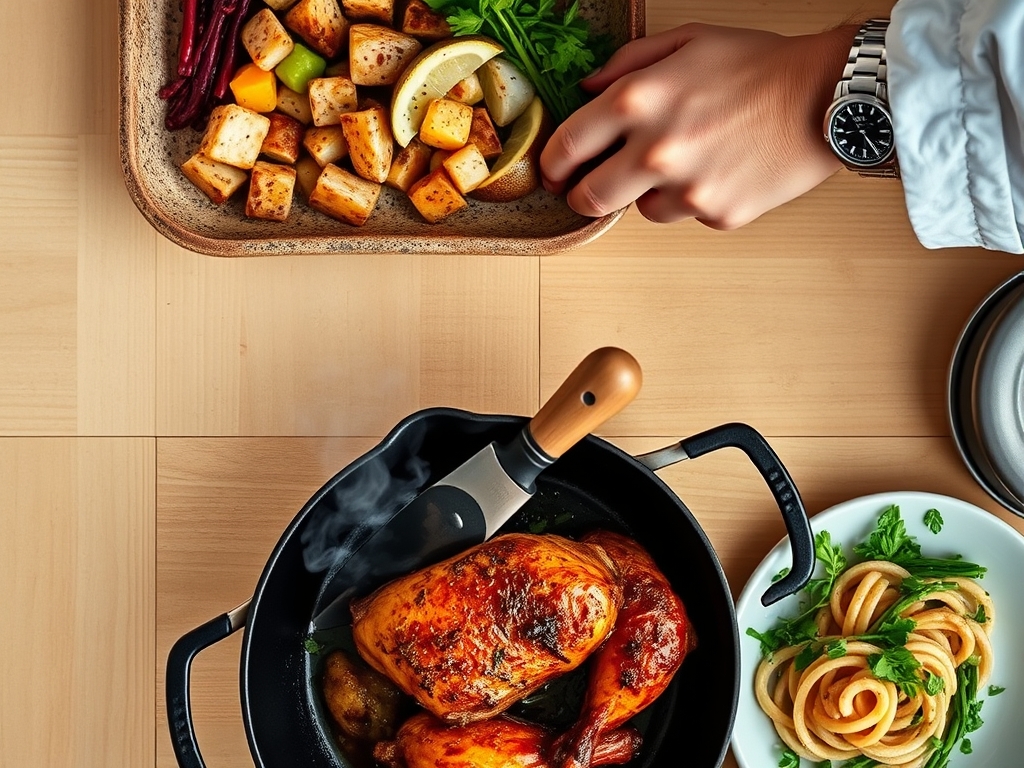
1. The Dry Brine Protocol
Generously coat your chicken in kosher salt and let it sit uncovered in the refrigerator for at least four hours. This process draws moisture out, creates a concentrated brine, and then reabsorbs it into the meat through osmosis.
Pro Tip: This technique utilizes the denaturation of proteins, where the salt breaks down the tightly wound muscle fibers, allowing them to hold onto more moisture during the long cooking process.
2. The Fat Infusion
Rub the skin with a mixture of softened butter and aromatics. Be sure to get the fat under the skin of the breast to act as a thermal barrier. Use tongs to lift the skin gently without tearing it.
Pro Tip: Fat is a superior conductor of heat compared to air. By applying a layer of lipid, you ensure more efficient heat transfer and a more uniform Maillard reaction.
3. The Low and Slow Phase
Place the bird in a heavy-bottomed skillet or roasting pan. Set your oven to a low temperature. This gradual rise in temperature prevents the muscle fibers from contracting too violently and squeezing out their internal moisture.
Pro Tip: Slow cooking maximizes the time the meat spends in the "enzyme zone," where cathepsins break down collagen into gelatin before they are deactivated by high heat.
4. The Aromatics Deglaze
Halfway through the cook, toss in your garlic cloves and lemon halves. The pan juices will begin to infuse with these flavors, creating a base for a spectacular sauce.
Pro Tip: This stage is about lipid-mediated extraction, where the fat from the chicken pulls the essential oils out of the herbs and garlic, creating a complex flavor profile.
5. The High Heat Finish
Crank the oven up to 450 degrees Fahrenheit for the final fifteen minutes. This is the moment where the skin transforms from pale to a deep, mahogany brown.
Pro Tip: This is the Maillard reaction in overdrive. The high heat causes the sugars and amino acids on the skin to react, creating hundreds of new flavor compounds and a crisp texture.
6. The Rest and Recovery
Remove the chicken from the oven and place it on a warm platter. Tent it loosely with foil, but do not seal it, or the steam will soften the skin you worked so hard to crisp.
Pro Tip: This accounts for thermal carryover. The internal temperature will continue to rise by five to ten degrees after removal, reaching the perfect safety threshold without overcooking.
The Deep Dive:
From a nutritional standpoint, slow baked chicken is a powerhouse of lean protein and essential minerals like selenium and phosphorus. By rendering out the excess subcutaneous fat during the slow bake, you are left with a nutrient-dense meal that is naturally low in carbohydrates. For those following a Keto lifestyle, this is a dream dish. If you are cooking for a Vegan guest, try the same slow-roasting technique with a whole head of cauliflower or a large "steak" of celery root; the same rules of caramelization apply.
If things go sideways, remember The Fix-It guide. If the skin is soggy, your oven might have too much humidity; try cracking the door for the last few minutes. if the meat is tough, you likely skipped the resting phase or didn't cook it long enough to break down the collagen. If the pan drippings are burnt, your roasting pan might be too thin; next time, use a heavy-bottomed skillet to distribute heat more evenly. For meal prep, reheat your leftovers in a 300-degree oven with a splash of chicken stock in a saucier to maintain that "day-one" juicy quality.
The Wrap-Up:
You are now armed with the scientific secrets to creating the most incredible slow baked chicken your kitchen has ever seen. It is all about the harmony of temperature, time, and technique. When you treat your ingredients with respect and understand the chemistry happening behind the oven door, you transform a simple meal into a luxury experience. Go forth, use your bench scraper to tidy up, and enjoy the glorious, golden results of your labor. Your friends will be begging for the recipe; it is up to you if you want to share the secret.
The Kitchen Table:
How do I keep the breast meat from drying out?
Apply a thick layer of compound butter under the skin. This acts as an insulator and bastes the meat from the inside out during the slow baking process, ensuring the leanest parts of the bird remain succulent.
Can I use frozen chicken for this recipe?
It is not recommended. For the best texture, always use completely thawed or fresh chicken. Frozen meat often has damaged cell walls from ice crystals, which leads to excessive moisture loss and a grainy mouthfeel when cooked.
What is the best way to get crispy skin?
The secret is a dry surface. Pat the chicken thoroughly with paper towels and leave it uncovered in the fridge for a few hours. This allows the skin to dehydrate slightly, leading to a much faster and more even crisp.
Should I cover the chicken with foil while baking?
Only if you notice the skin browning too quickly during the high-heat finish. For the majority of the slow bake, keep it uncovered to allow moisture to evaporate, which concentrates the flavors and helps the skin render properly.