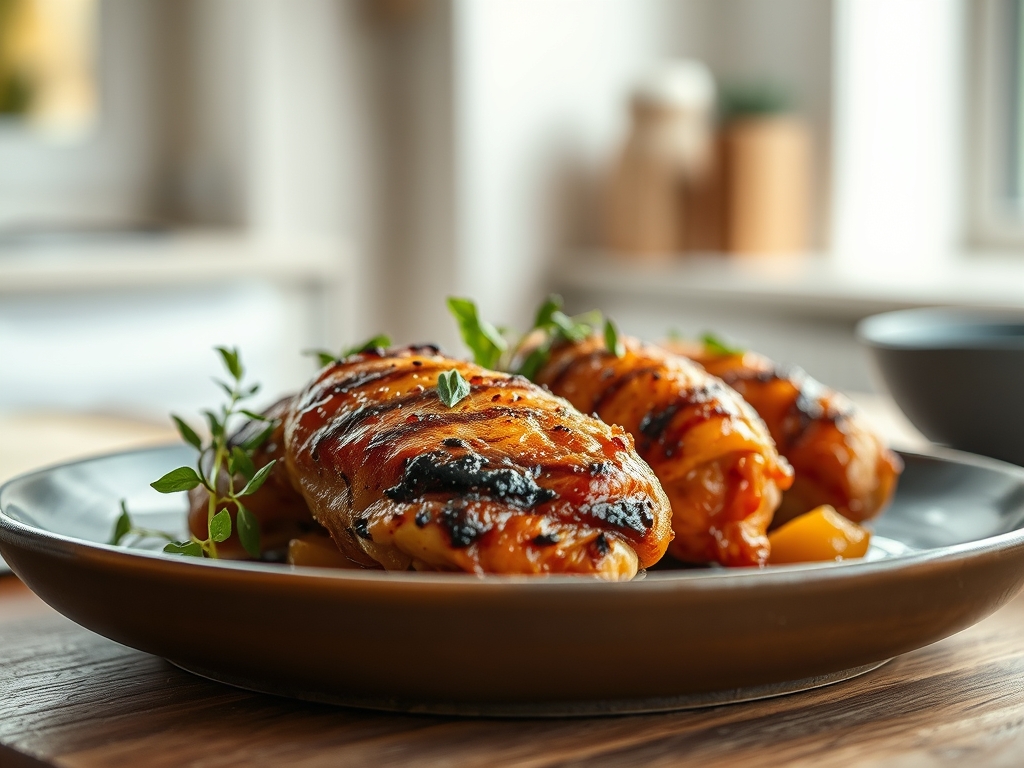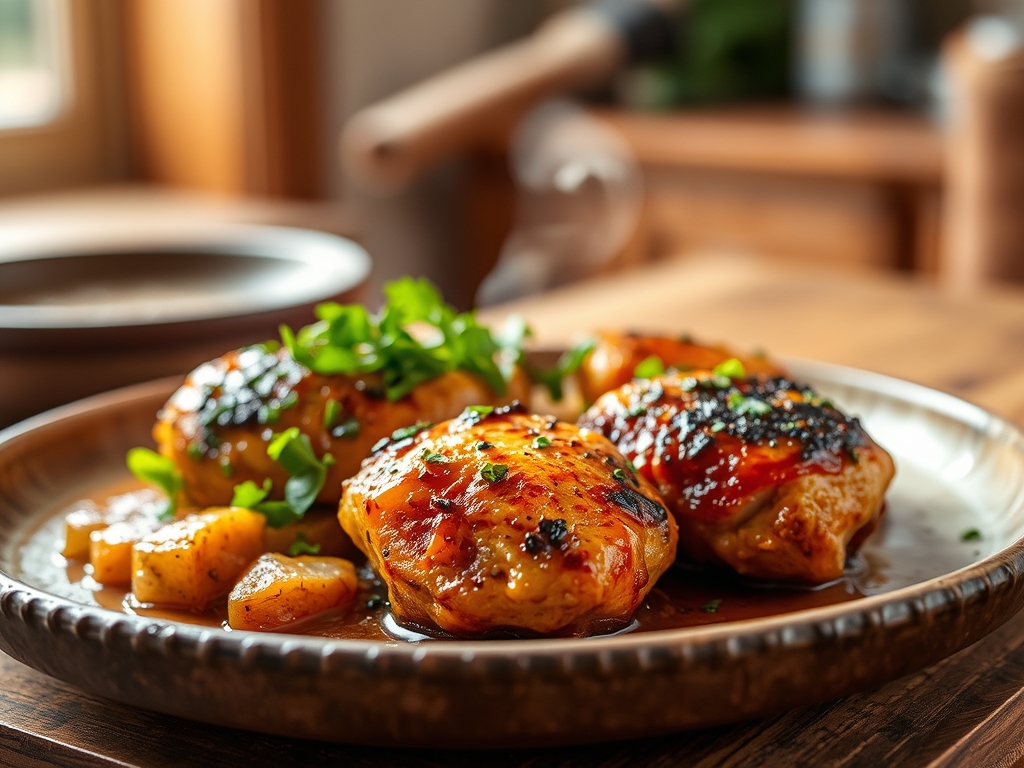
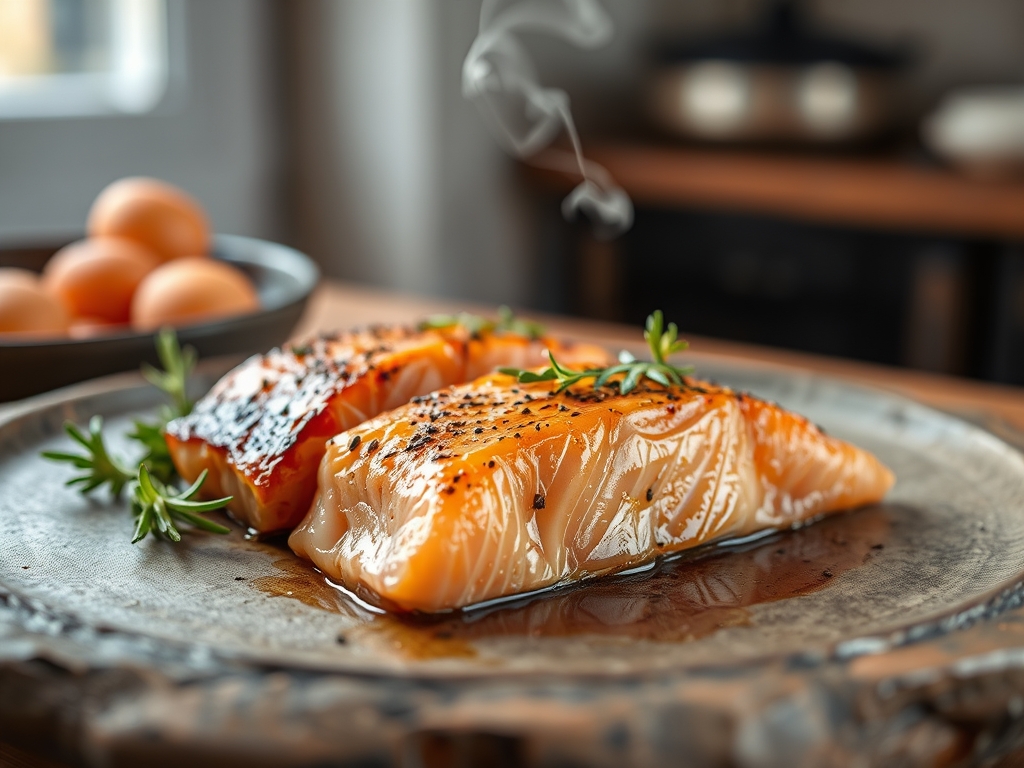
Imagine the scent of alderwood smoke drifting through a kitchen where the air is thick with the aroma of sea salt and citrus. We are moving beyond the basic bagel topper to explore the sophisticated world of smoked pink salmon recipes. This is where delicate texture meets deep, umami-rich flavor profiles. Whether you are curing your own fillets or elevating a store-bought selection, the goal is to achieve that perfect balance of salt, smoke, and silkiness. We are diving into the molecular magic that transforms a humble piece of Pacific fish into a culinary masterpiece that demands a seat at the head of the table.
Pink salmon, often overlooked in favor of its fattier cousin Sockeye, is actually a secret weapon for the home chef. It possesses a leaner profile and a milder flavor that acts as a blank canvas for complex infusions. Because it has less intramuscular fat, it absorbs smoke flavors with incredible efficiency. This makes it the ideal candidate for high-heat searing or delicate cold-smoking techniques. Today, we are going to treat this fish with the scientific respect it deserves, ensuring every bite is moist, piquant, and structurally sound. Get your heavy-bottomed skillet and your sharpest fillet knife ready; we are about to redefine your brunch game.
The Gathers:
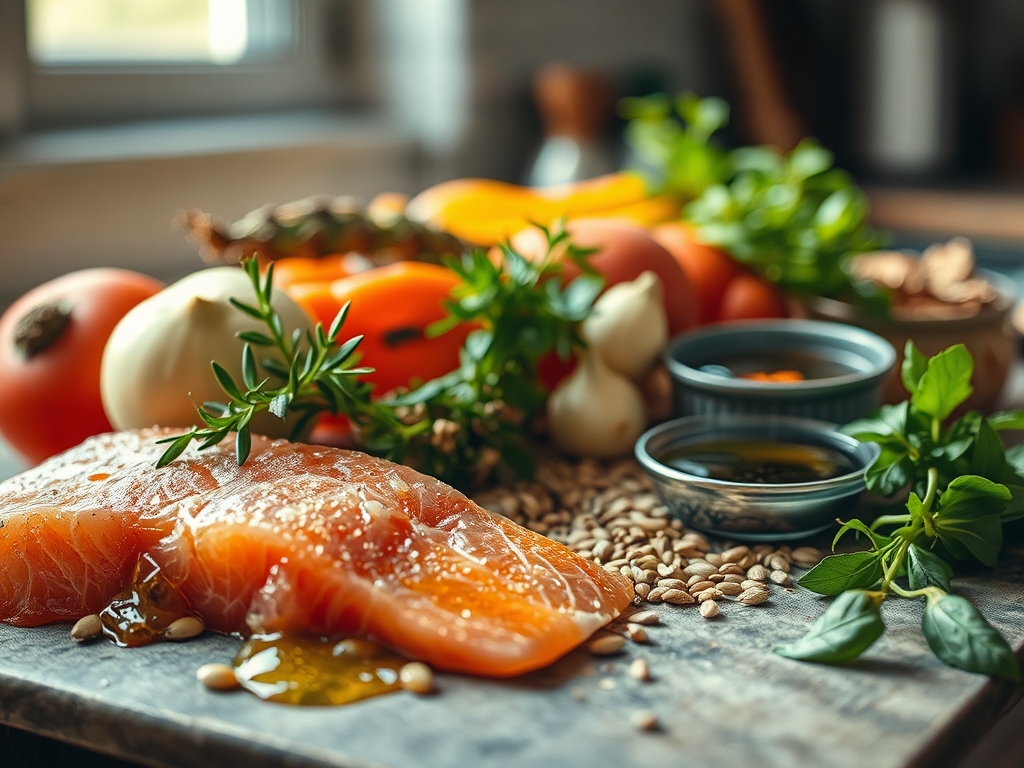
The foundation of any elite dish is the mise-en-place. For our smoked pink salmon recipes, we require ingredients that offer contrasting textures and acidic brightness to cut through the smoke. You will need high-quality pink salmon fillets, preferably skin-on to protect the delicate flesh during the thermal process. Gather your kosher salt, which has a jagged crystal structure that adheres better to proteins than table salt. You will also need granulated sugar to facilitate osmotic pressure, drawing out moisture to firm up the flesh.
For the flavor aromatics, grab a fresh bunch of dill, a jar of nonpareil capers for a salty pop, and lemons for their essential oils. Use a microplane to zest the citrus, ensuring you only capture the zest and not the bitter white pith. If you want a creamy element, reach for high-fat Greek yogurt or creme fraiche to provide a viscous mouthfeel.
Smart Substitutions:
If you cannot find fresh pink salmon, high-quality frozen-thawed fillets work well if you pat them dry to remove excess moisture. Instead of alderwood, try maple chips for a sweeter finish. For a vegan-friendly "smoke" profile in your side dishes, liquid smoke or smoked paprika can mimic the depth of the fish. If you are avoiding dairy, a cashew-based cream aerated with a splash of apple cider vinegar provides the necessary tang.
The Clock: Chef's Flow
Efficiency in the kitchen is about managing the "Chef's Flow." The total active time for these smoked pink salmon recipes is approximately 25 minutes, but the passive time is where the magic happens.
- Prep Time: 15 minutes (slicing, zesting, and organizing your station).
- Curing/Marinating: 30 minutes to 2 hours (essential for protein denaturation).
- Cook Time: 8 to 12 minutes (depending on the thickness of the fillet).
- Resting: 5 minutes (to allow juices to redistribute).
The flow begins with the cure. While the salt works its way into the muscle fibers, you should be prepping your garnishes and whisking your sauces. This ensures that the moment the fish leaves the heat, it can be plated and served at the peak of its sensory appeal.
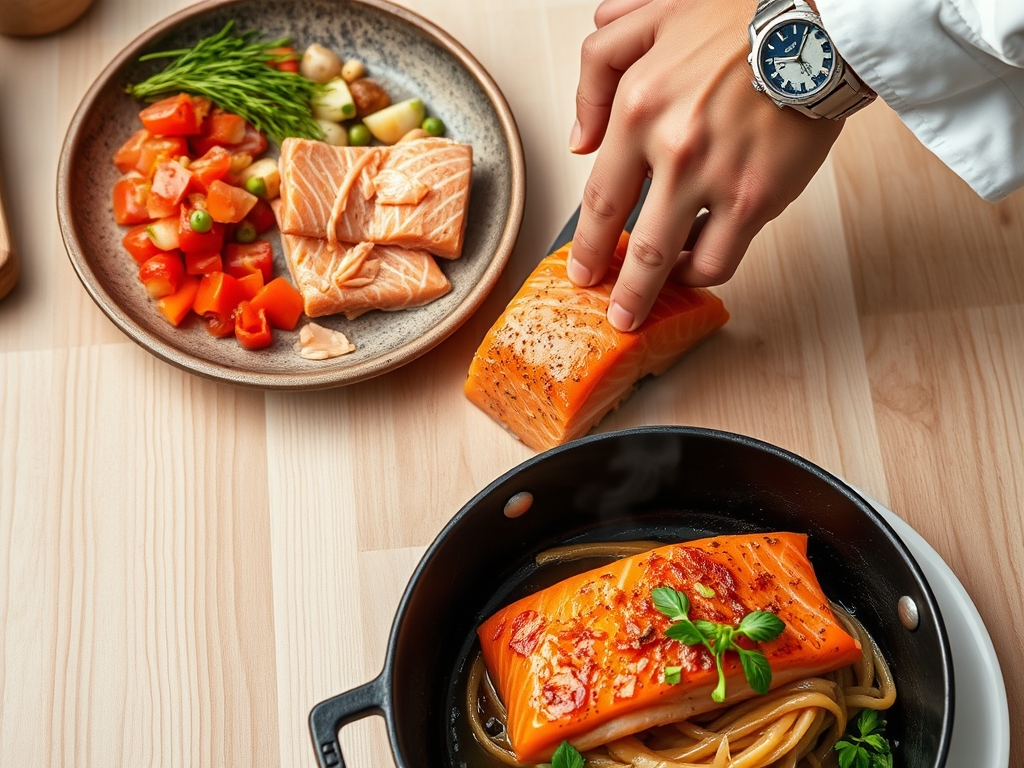
The Masterclass
1. The Surface Preparation
Begin by using a bench scraper or clean paper towels to remove every trace of moisture from the skin. A dry surface is the only way to achieve a crisp texture. If the skin is damp, it will steam rather than sear, resulting in a rubbery consistency.
Pro Tip: This is about evaporative cooling. By removing surface water, you allow the pan's energy to go directly into the Maillard reaction rather than wasting energy turning water into steam.
2. The Precision Cure
Dust the flesh side with a 2:1 ratio of salt to sugar. Let it sit at room temperature for 20 minutes. You will notice the surface becoming shiny and wet; this is the salt pulling moisture out and then reabsorbing it as a concentrated brine.
Pro Tip: This process involves protein denaturation, where the salt unwinds the protein strands, allowing them to trap moisture more effectively during the cooking process.
3. Searing for Structural Integrity
Place a heavy-bottomed skillet over medium-high heat. Add a high-smoke-point oil like avocado oil. Lay the salmon skin-side down using tongs, pressing firmly for the first 30 seconds to prevent the skin from curling.
Pro Tip: Pressing the fish ensures maximum surface contact, which facilitates even thermal conduction and a perfectly gold, shattered-glass skin texture.
4. The Smoke Infusion
If you are not using a dedicated smoker, you can create a smoke pouch using aluminum foil and wood chips at the bottom of a covered pan. Place the seared fish on a small wire rack inside the pan to let the smoke circulate.
Pro Tip: Smoke particles are lipophilic, meaning they bind beautifully to fats. The light fat content in pink salmon makes it a magnet for these aromatic compounds.
5. The Butter Baste
In the final two minutes of cooking, drop a knob of cold butter and a smashed garlic clove into the pan. Use a large spoon to continuously pour the foaming butter over the fish.
Pro Tip: This is known as Arroser. The hot fat carries the garlic and herb flavors into every crevice while providing a final hit of heat to finish the internal cooking.
6. Monitoring Internal Temperature
Use a digital scale or, more importantly, an instant-read thermometer to check the thickest part of the fillet. You are looking for 125 degrees Fahrenheit for a perfect medium-rare.
Pro Tip: Remember thermal carryover. The internal temperature will continue to rise by 5 degrees after you remove it from the heat source.
7. The Resting Phase
Transfer the salmon to a warm plate and let it rest. This is the hardest part because it smells incredible, but it is the most vital for texture.
Pro Tip: Resting allows the viscous juices to thicken and settle back into the protein matrix, ensuring the fish does not "bleed" when you flake it with a fork.
8. The Acidic Finish
Just before serving, hit the fish with a fresh squeeze of lemon juice. The acid acts as a flavor detonator, cutting through the richness of the butter and the depth of the smoke.
Pro Tip: Acid lowers the pH on the surface of the tongue, which actually increases your ability to perceive the subtle sweetness of the pink salmon.
9. The Aerated Garnish
Top with your microplaned zest and fresh dill. If using a sauce, use a saucier to drizzle it in a thin, elegant line rather than a heavy dollop.
Pro Tip: Fresh herbs contain volatile oils that dissipate with heat. Adding them at the very end ensures the maximum aromatic impact.
The Deep Dive
Macro Nutrition:
Pink salmon is a nutritional powerhouse. A 6-ounce portion typically contains about 34 grams of protein and is rich in Omega-3 fatty acids. Because it is leaner than King or Sockeye, it is lower in calories, making it a favorite for those tracking macros without sacrificing flavor.
Dietary Swaps:
- Keto: Replace any sugar in the cure with an erythritol-based sweetener or simply omit it and increase the herbs.
- Gluten-Free: This recipe is naturally GF, but ensure your smoke chips are not treated with any grain-based additives.
- Vegan: Use "Carrot Lox" smoked with liquid smoke and sea salt to mimic the experience.
The Fix-It:
- White Stuff Appearing: This is albumin. It happens when the fish is cooked too fast. Fix it by lowering your heat and using a slower, gentler cooking method.
- Soggy Skin: Your pan wasn't hot enough, or the skin was wet. Fix it by finishing the fish skin-side up under a broiler for 60 seconds.
- Overly Salty: You left the cure on too long. Fix it by rinsing the fillet under cold water and patting it dry before cooking.
Meal Prep & Reheating:
To maintain "day-one" quality, do not microwave your salmon. Reheat it in a 275-degree oven with a splash of water or broth covered in foil. This creates a gentle steam environment that prevents the proteins from tightening and becoming tough.
The Wrap-Up
Mastering smoked pink salmon recipes is about embracing the science of the sear and the patience of the cure. By focusing on moisture control and thermal precision, you transform a simple fillet into a gourmet experience. Remember to use your tools—the microplane, the tongs, and the thermometer—to take the guesswork out of the process. Now, go forth and infuse your kitchen with the glorious scent of woodsmoke and success!
The Kitchen Table
Can I smoke salmon without a smoker?
Yes. Use a heavy-bottomed pot with wood chips in a foil pouch at the bottom. Place the fish on a rack above the chips, cover tightly, and heat on the stove to create a contained smoking chamber.
How do I prevent salmon from sticking to the pan?
Ensure the pan is preheated until the oil shimmers. Use a bench scraper to ensure the skin is bone-dry. Once the fish hits the pan, do not move it until the skin naturally releases from the surface.
Is pink salmon as healthy as Atlantic salmon?
Pink salmon is often wild-caught and lower in contaminants than farmed Atlantic salmon. It is leaner, providing high-quality protein and essential Omega-3s with fewer calories per serving, making it an excellent nutrient-dense choice.
What is the best wood for smoking pink salmon?
Alderwood is the traditional choice because its mild, slightly sweet smoke doesn't overwhelm the delicate flavor of pink salmon. Fruitwoods like apple or cherry also work beautifully for a subtle, sophisticated finish.