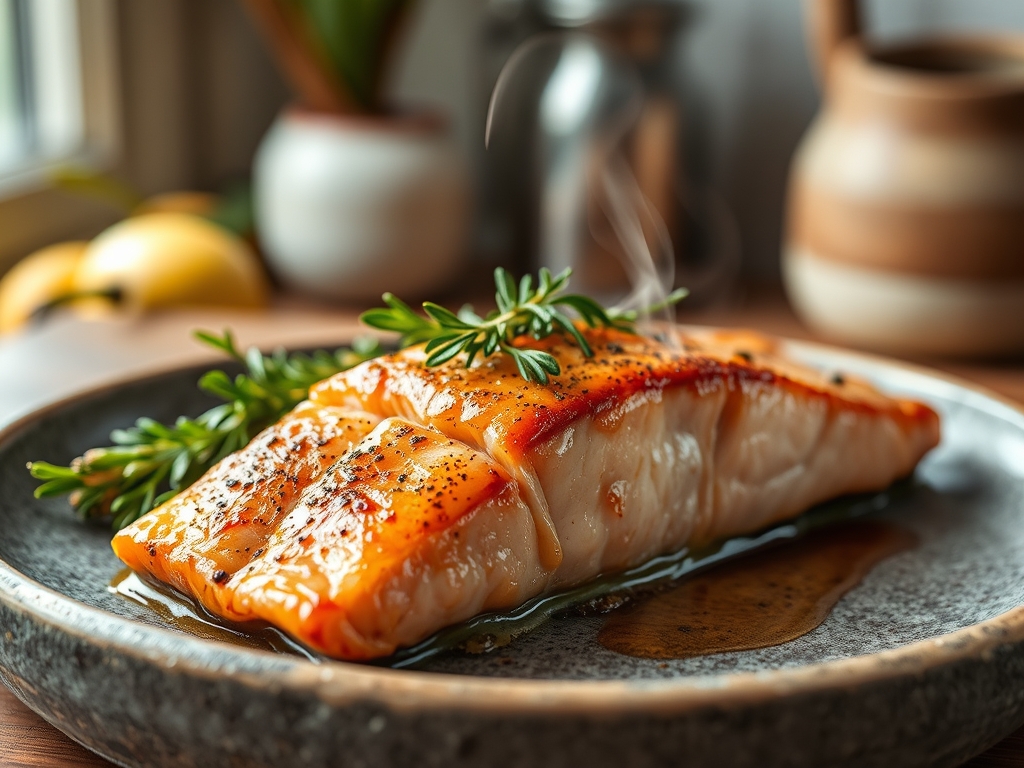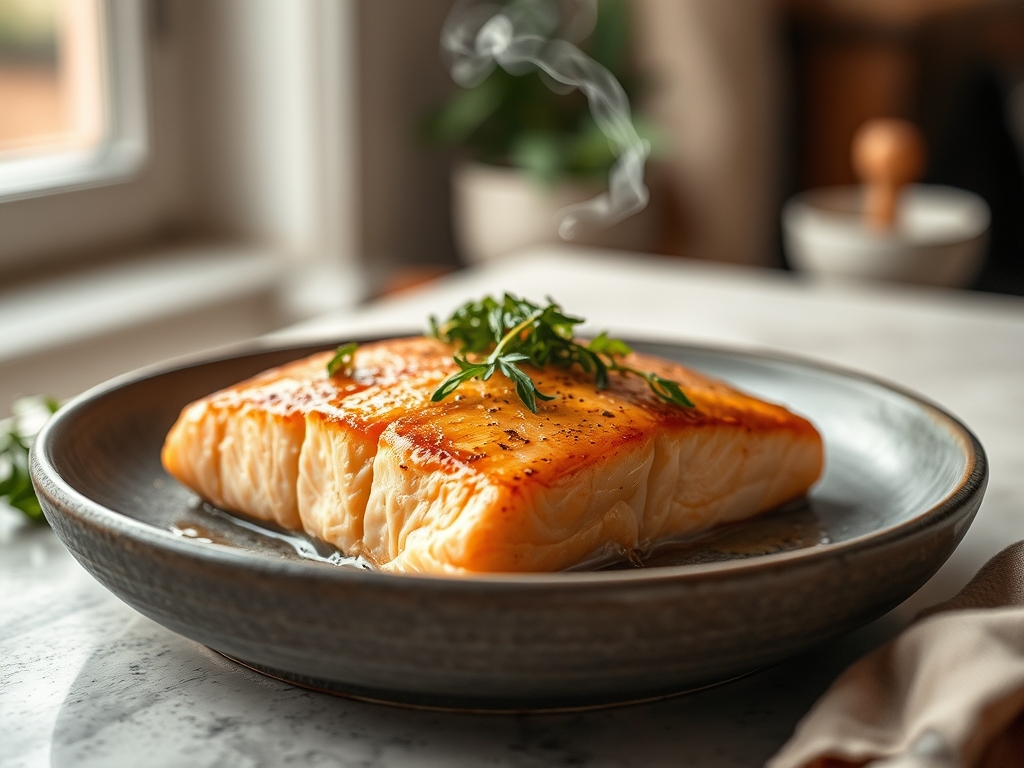
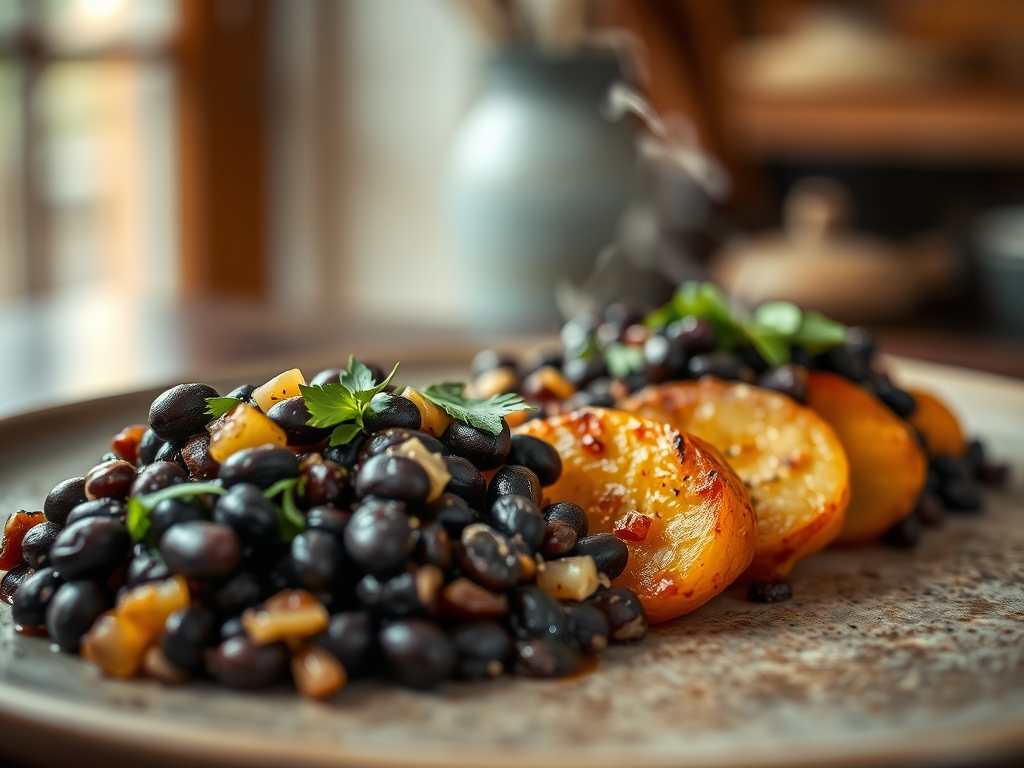
Imagine the scent of a heavy bottomed skillet hitting a high flame; the air fills with the earthy, mineral aroma of starch meeting protein. We are moving beyond the humble side dish to explore the architectural brilliance of black bean and potato recipes. This pairing is a masterclass in texture, blending creamy legume interiors with the crisp, Maillard driven crust of a perfectly seared spud.
The magic lies in the contrast. Potatoes provide the structural canvas, full of complex carbohydrates that crisp up beautifully, while black beans offer a dense, fiber rich punch that grounds the dish. Whether you are folding them into a piquant breakfast hash or layering them into a rustic gratin, these two ingredients are culinary soulmates. They are cheap, shelf stable, and when treated with professional techniques, they transform into a gourmet experience that feels both indulgent and incredibly smart.
In this guide, we are diving deep into the chemistry of these ingredients. We will look at how to maximize surface area for crunch, how to infuse fats with aromatics, and how to ensure your beans never turn to mush. Grab your favorite apron and a sharp chef knife; we are about to elevate your weeknight rotation with nine bold, high density pairings that prove plant based cooking can be just as sophisticated as any steakhouse dinner.
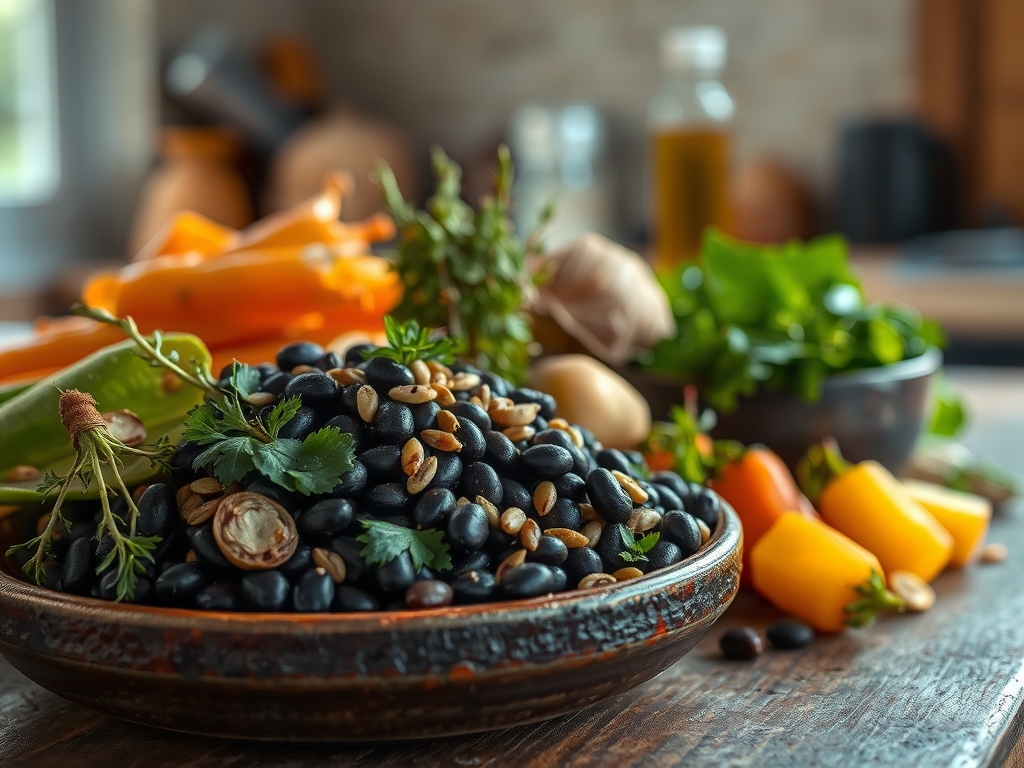
The Gathers:
To execute these black bean and potato recipes with precision, your mise en place must be impeccable. Start with the potatoes. For high heat roasting or frying, reach for Yukon Golds; their medium starch content allows them to hold their shape while achieving a creamy interior. If you want maximum crunch, the Russet is your best friend due to its high amylose content.
For the beans, dry beans soaked with a pinch of baking soda will yield the most viscous, velvety texture. However, high quality canned beans are a fantastic shortcut if you rinse them thoroughly to remove excess metallic sodium. Your aromatics should include fresh garlic, shallots, and perhaps a smoky chipotle in adobo for depth.
Smart Substitutions:
If you are out of Yukon Golds, red potatoes work well for smashed preparations due to their waxy texture. No black beans? Dark red kidney beans offer a similar density and earthy profile. For a nutritional boost, swap half the potatoes for Japanese sweet potatoes; their lower glycemic index and high vitamin A content add a subtle sweetness that plays beautifully against salty black beans. Use a microplane to zest lime or grate fresh ginger over the finished dish to provide a bright, acidic lift that cuts through the starch.
The Clock
Efficiency in the kitchen is all about the Chef's Flow. For most of these pairings, expect a total active time of 15 to 20 minutes, with a passive cooking time of 30 minutes. The secret to speed is parboiling. By pre cooking your potato cubes in salted, boiling water for five minutes before they hit the pan, you slash the roasting time in half and ensure a fluffy interior.
The total "Clock" for a standard roast is 45 minutes. While the potatoes are in the oven, use your bench scraper to clear your station and prepare your bean medley. This overlapping workflow ensures that every component reaches its peak temperature simultaneously, preventing the dreaded "cold bean, hot potato" syndrome.
The Masterclass
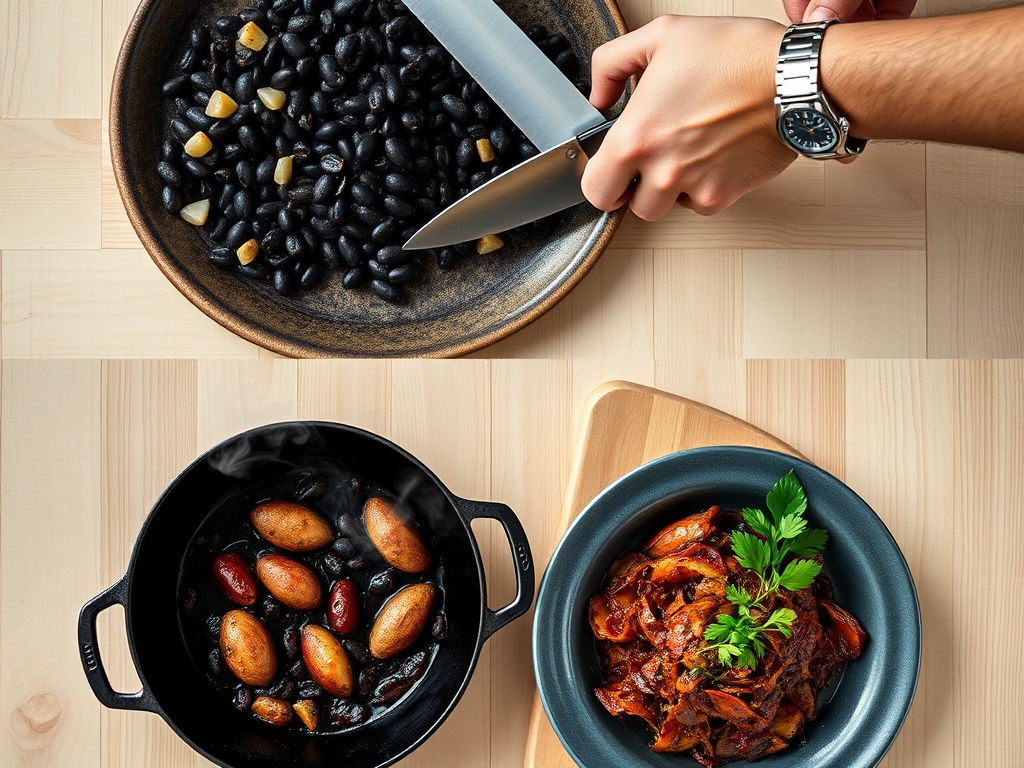
1. The Parboil and Rough Up
Boil your cubed potatoes in alkaline water (add a half teaspoon of baking soda). Drain them and give the pot a vigorous shake.
Pro Tip: The baking soda breaks down the potato's pectin, creating a starchy slurry on the surface. This increases the surface area for the Maillard reaction, resulting in a significantly crunchier exterior once roasted.
2. The Infusion Phase
Heat avocado oil in a saucier or heavy skillet. Add your spices; think cumin, smoked paprika, and coriander; and let them bloom in the fat for 60 seconds.
Pro Tip: This is known as tempering. Fat is a carrier for flavor; heating spices in oil releases fat soluble volatile compounds that would otherwise remain trapped in the dried herbs, deeply infusing the entire dish.
3. The High Heat Roast
Spread your potatoes on a preheated sheet pan. Do not crowd them. Roast at 425 degrees Fahrenheit until they are golden and audible when moved.
Pro Tip: Preheating the pan prevents sticking through immediate protein coagulation and starch gelatinization. If the pan is cold, the potatoes will weep moisture and steam rather than sear.
4. The Bean Integration
Add your rinsed black beans to the pan during the last eight minutes of roasting. Toss them with a set of stainless steel tongs to coat them in the seasoned oil.
Pro Tip: Beans are already cooked; you are simply looking for thermal carryover. Heating them briefly prevents the skins from bursting while allowing them to absorb the residual flavors from the roasting potatoes.
5. The Acidic Finish
Once out of the oven, immediately hit the mixture with a squeeze of fresh lime juice or a splash of apple cider vinegar.
Pro Tip: Acid acts as a flavor enhancer by balancing the heavy starches and fats. It brightens the earthy notes of the black beans and makes the salt "pop" without actually adding more sodium.
The Deep Dive
When we look at the macro nutrition of black bean and potato recipes, we see a powerhouse of sustained energy. You are getting a complete amino acid profile when these are paired with a grain, plus a massive hit of potassium and resistant starch.
Dietary Swaps:
For a Keto friendly version, replace the potatoes with roasted cauliflower florets; they mimic the texture and absorb the bean spices perfectly. For a Vegan approach, ensure your "creamy" element is an avocado lime crema or a cashew based "cheese" sauce. If you are Gluten Free, you are already safe, as these are naturally GF staples.
The Fix-It:
- Mushy Beans: You likely overcooked them or added too much liquid. Fix this by spreading the mixture on a sheet pan and broiling for three minutes to evaporate excess moisture.
- Bland Potatoes: Potatoes require aggressive salting. If they taste flat, toss them with a pinch of Maldon sea salt and a dash of nutritional yeast for umami.
- Sticking to the Pan: You likely moved them too early. Wait for the crust to fully form; the potato will naturally "release" from the metal once the sugars have caramelized.
Meal Prep Science:
To maintain "day one" quality, store your beans and potatoes in airtight glass containers. When reheating, avoid the microwave, which turns starch gummy. Instead, use an air fryer at 350 degrees for five minutes to re activate the fats and crisp the edges.
The Wrap-Up
Mastering black bean and potato recipes is like unlocking a culinary cheat code. You have taken two of the most affordable ingredients on the planet and used thermal physics and flavor layering to create something truly spectacular. Remember, the key is the crunch of the potato against the creamy give of the bean. Don't be afraid of high heat, and always, always finish with acid. You have got the tools, the science, and the flavor profile to turn your kitchen into a high end bistro tonight.
The Kitchen Table
Can I use frozen potatoes for these recipes?
Yes, frozen potatoes are often blanched and flash frozen, which preserves their starch structure. Roast them directly from frozen at high heat in a heavy bottomed skillet to ensure they crisp up rather than becoming soggy.
How do I prevent black beans from staining the potatoes?
Rinse canned beans under cold water until the liquid runs clear. This removes the excess starch and pigment. Fold them in gently at the very end of the cooking process to maintain distinct color separation between ingredients.
What is the best way to store leftovers?
Store in a shallow, airtight glass container to allow for rapid cooling. This prevents bacterial growth and keeps the potatoes from steaming themselves in the fridge. Reheat in an oven or air fryer to restore the original crispy texture.
Are black beans and potatoes a complete protein?
While potatoes contain some amino acids, pairing them with black beans creates a near complete profile. Adding a small amount of rice, corn, or a dollop of Greek yogurt ensures you are getting all nine essential amino acids in one meal.