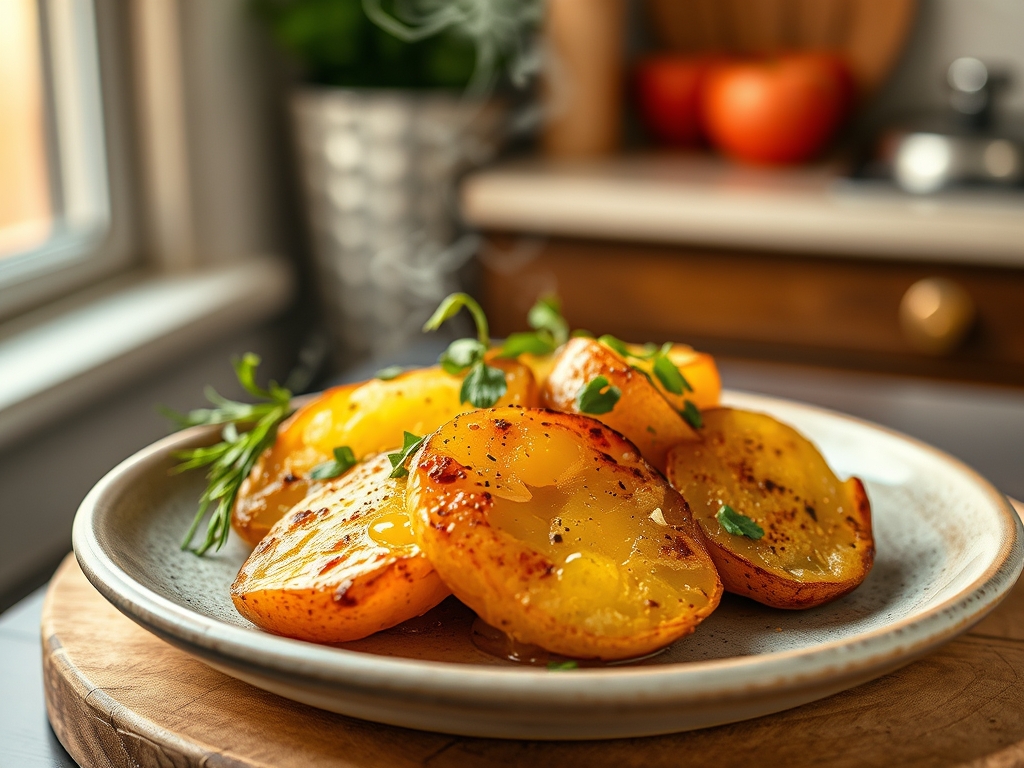
Picture this: the sun is streaming through the kitchen window; the smell of brewing espresso is mingling with the savory, salt-flecked aroma of roasting tubers; and you are actually sitting down with a mimosa instead of hovering over a frantic skillet. This is the magic of mastering make ahead brunch potato recipes. We have all been there, battling a crowded stovetop while guests arrive, but the secret to a flawless morning lies in the chemistry of the humble spud. By leveraging starch retrogradation and par-cooking techniques, you can transform the frantic morning rush into a curated, effortless experience. Whether you crave the shatter-crisp edges of a smashed potato or the velvety luxury of a slow-cooked gratin, these seven hacks ensure your kitchen remains a sanctuary of calm. We are diving deep into the molecular mechanics of the Maillard reaction to ensure every bite is golden, savory, and perfectly timed.
The Gathers:
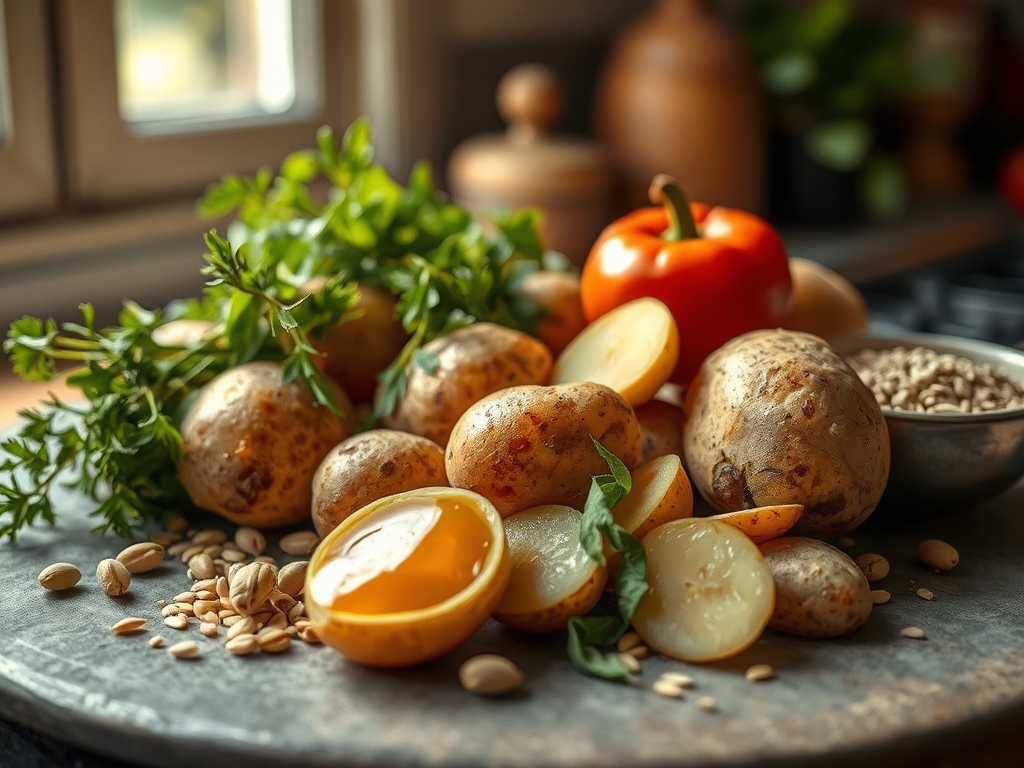
To execute these hacks, your mise-en-place must be precise. Start with high-starch Russets for fluffiness or waxy Yukon Golds for a creamy, viscous interior that holds its shape during reheating. You will need high-quality fats; think grass-fed butter for its rich solids or duck fat for a superior smoke point and piquant depth. Fresh aromatics are non-negotiable. Gather sprigs of woody rosemary, thyme, and a bulb of garlic to infuse your oils.
For smart substitutions, if you are avoiding nightshades, firm Japanese sweet potatoes offer a similar starch profile with a lower glycemic index. If you lack heavy cream for a bake, a blend of full-fat coconut milk and a touch of nutritional yeast provides that same decadent mouthfeel. Grab your digital scale to ensure uniform sizing, as consistency is the bedrock of even heat distribution. A microplane is essential for aerating hard cheeses or zesting citrus to brighten the earthy notes of the potato.
The Clock
Efficiency in the kitchen is about "Chef's Flow," which is the art of overlapping tasks to minimize downtime. For these make ahead brunch potato recipes, your active prep time is roughly 30 minutes, while the passive "set time" in the refrigerator can span from 4 to 24 hours. Cold storage is not just a convenience; it is a structural necessity. When potatoes chill, the starch molecules undergo retrogradation, forming a crystalline structure that prevents them from turning into mush when you hit them with high heat the next morning.
Plan to par-boil and shock your potatoes in an ice bath on Saturday afternoon. This takes about 20 minutes. The final "finish" on Sunday morning, whether roasting or searing in a heavy-bottomed skillet, should take no more than 15 minutes. By front-loading the labor, you bypass the dreaded "potato oxidation" window and move straight to the golden, crispy finale.
The Masterclass
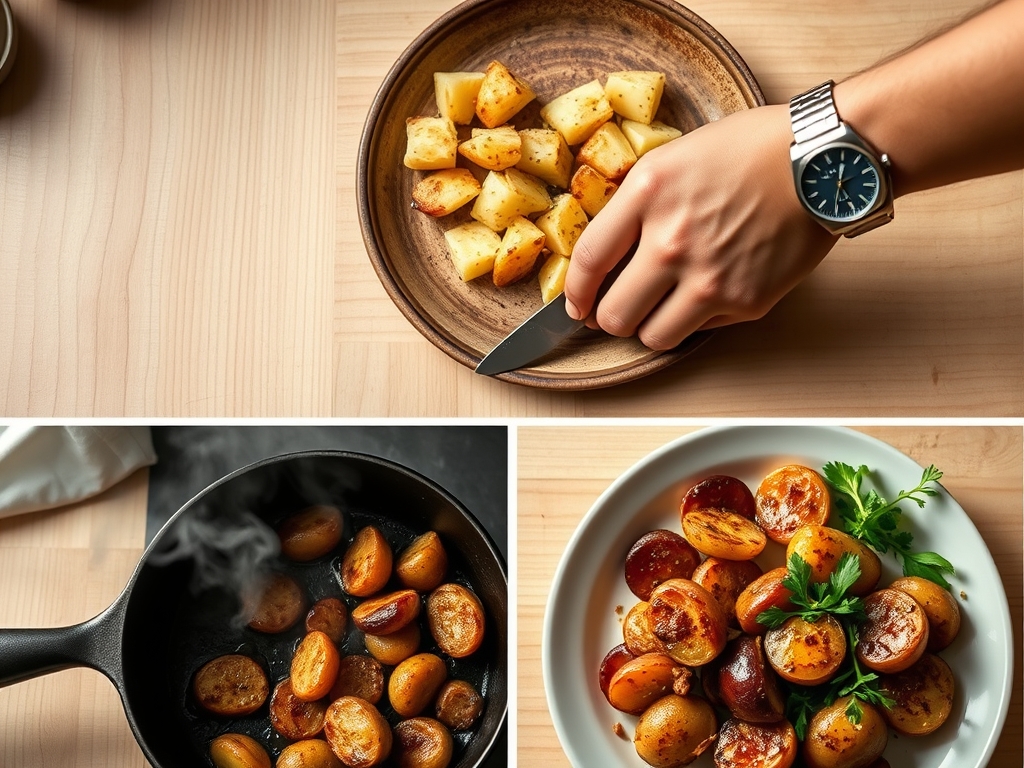
1. The Par-Boil and Shock Method
Start by cubing your potatoes and simmering them in heavily salted water until just tender. Immediately transfer them to an ice bath to halt the cooking process.
Pro Tip: This technique prevents enzymatic browning. By denaturing the enzymes through heat and then chilling, you lock in the white or yellow pigment, ensuring your potatoes do not turn an unappetizing gray overnight.
2. The Vinegar Bath Secret
Add a tablespoon of white vinegar to your boiling water. The acid prevents the pectin in the potato cell walls from breaking down too quickly.
Pro Tip: This is a lesson in structural integrity. The vinegar allows the exterior to stay firm even if the interior is fully cooked, which is vital for recipes where you want a defined shape after a secondary roast.
3. The Duck Fat Confit
Submerge sliced potatoes in fat and aromatics, then slow-roast at a low temperature. Store them directly in the solidified fat in the fridge.
Pro Tip: Fat acts as a total sealant against oxygen. This lipid barrier prevents oxidation and allows the flavors of the garlic and herbs to deeply infuse the starch over 24 hours.
4. The Smashed Starch Compression
Boil whole baby potatoes, smash them flat with a bench scraper, and arrange them on a sheet pan. Cover and refrigerate until brunch time.
Pro Tip: Increasing the surface area maximizes the Maillard reaction. When you finally roast these, the jagged edges provide more "landing zones" for heat to create that signature crunch.
5. The Gratin Foundation
Layer thin slices of potato with a seasoned cream sauce in a baking dish. Bake until 80 percent finished, then cool and store.
Pro Tip: This utilizes thermal carryover. The potatoes will continue to soften as they cool. Reheating them the next day completes the cook without over-extending the proteins in the dairy.
6. The Shred and Squeeze
For hash browns, shred your potatoes into a bowl of cold water. Drain and use a kitchen towel to wring out every drop of moisture before storing in an airtight container.
Pro Tip: Removing surface moisture is the only way to avoid steaming your potatoes. Dry potatoes allow the fat to render and crisp the exterior immediately upon contact with the pan.
7. The Sheet Pan Infusion
Toss raw wedges with oil, salt, and dry spices. Spread them out on a pan, cover tightly with wrap, and let them marinate in the cold.
Pro Tip: This is a dry brine effect. The salt draws out just enough moisture to create a concentrated starch slurry on the surface, which turns into a "glass-like" crust once roasted.
The Deep Dive
From a macro perspective, potatoes are a powerhouse of potassium and complex carbohydrates, providing the sustained energy needed for a long brunch. To keep it Keto, swap potatoes for cauliflower florets or daikon radish, which mimic the texture when roasted with enough fat. For a Vegan twist, replace butter with avocado oil and use a saucier to whisk together a cashew-based cream sauce for gratins.
The "Fix-It" guide for common pitfalls:
- Soggy Results: If your potatoes are limp, you likely overcrowded the pan. Use tongs to space them out; air circulation is king.
- Burned Garlic: If your aromatics turn bitter, you added them too early. Add minced garlic in the last 5 minutes of roasting to avoid carbonization.
- Sticking to the Pan: This usually happens when you try to flip too early. Wait for the starch to fully caramelize and "release" naturally from the metal.
For meal prep, reheating is a science. Avoid the microwave, which vibrates water molecules and turns starch into rubber. Instead, use a 400-degree oven for 10 minutes. This re-activates the fats and crisps the exterior while maintaining a fluffy core.
The Wrap-Up
Mastering make ahead brunch potato recipes is truly the ultimate "hostess flex." By understanding the relationship between temperature, starch, and acidity, you move from being a recipe-follower to a culinary architect. You have the tools, the science, and the plan to turn a simple root vegetable into the star of the table. Now, go grab that heavy-bottomed skillet and start prepping; your future, relaxed self will thank you when the first guest rings the doorbell and the potatoes are already golden and glowing.
The Kitchen Table
Can I freeze make ahead brunch potatoes?
Yes, but only after par-boiling. Freezing raw potatoes ruins their cellular structure, resulting in a grainy texture. Blanch them first, flash-freeze on a tray, then bag them. They will roast perfectly directly from the freezer the next morning.
How do I prevent my potatoes from turning gray?
Oxidation occurs when enzymes react with oxygen. To prevent this, keep peeled or cut potatoes fully submerged in cold, acidified water (add lemon or vinegar) or par-cook them immediately to denature the enzymes responsible for the color change.
What is the best potato for crispy hash browns?
Russet potatoes are the gold standard. Their high starch content and low moisture levels allow them to fry up into a shatteringly crisp texture. Always squeeze out excess liquid using a clean kitchen towel before hitting the hot oil.
Is it safe to leave cooked potatoes out?
Never leave cooked potatoes at room temperature for more than two hours. Their low acidity makes them a candidate for bacterial growth. Always cool them quickly and store them in the refrigerator in an airtight container for safety.