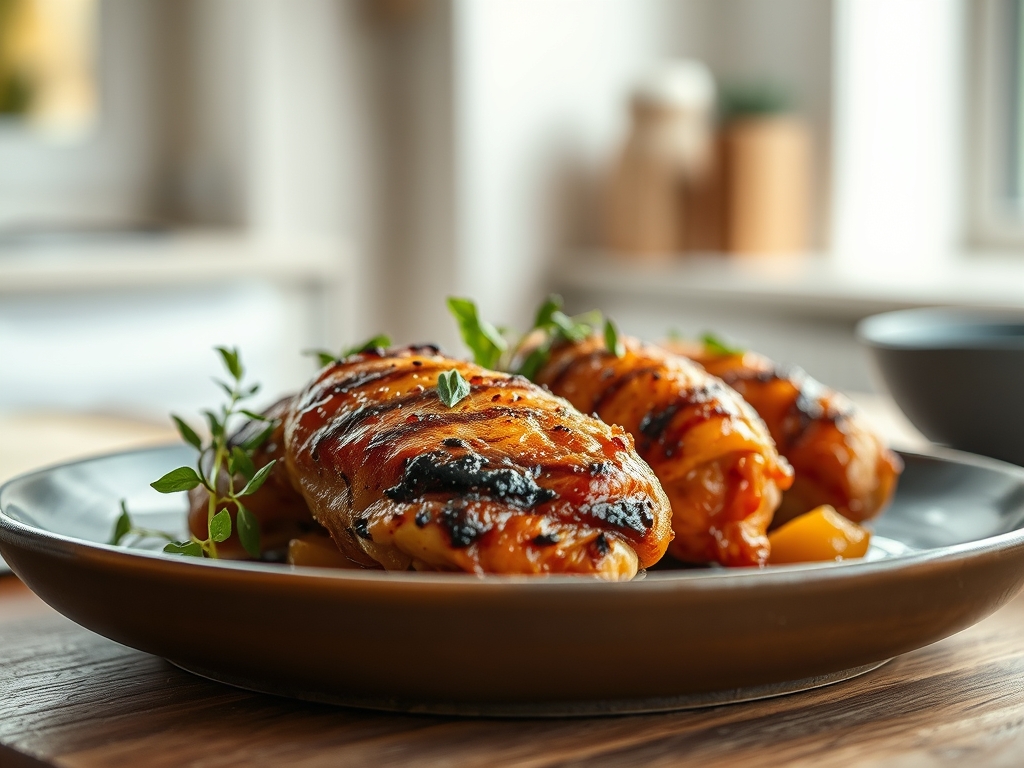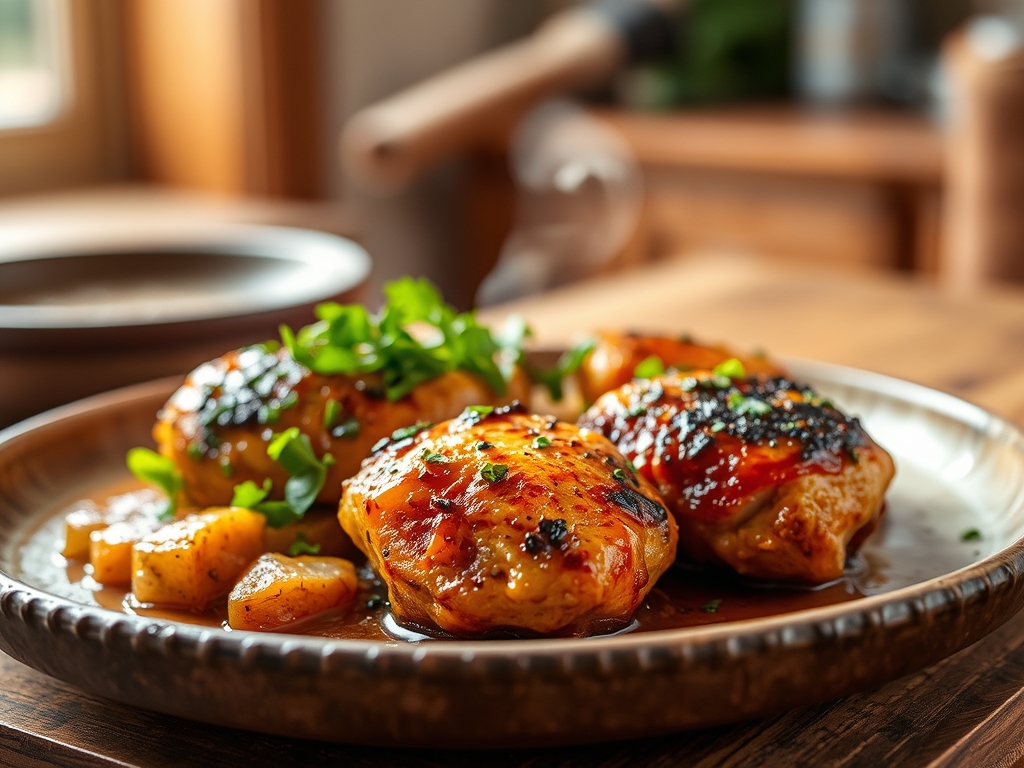
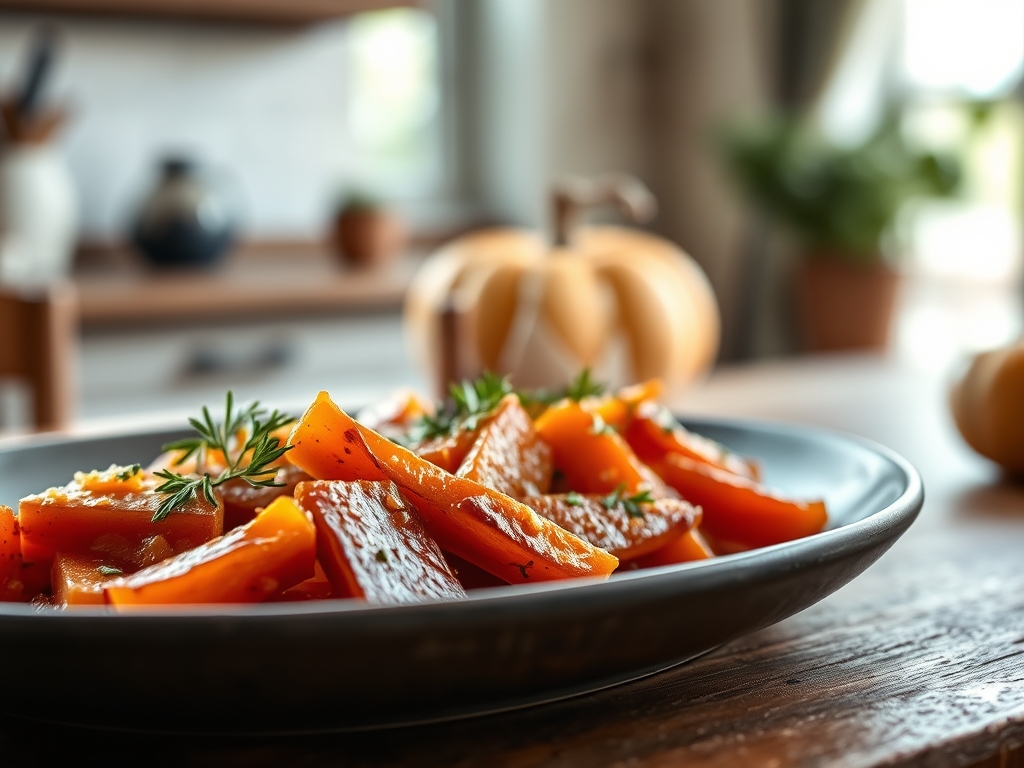
Imagine the scent of bubbling brown sugar and toasted pecans drifting through a house filled with laughter. There is a specific, nostalgic magic in the way a root vegetable transforms into a shimmering, amber jewel. When searching for the best candied sweet potato recipes for thanksgiving, you are looking for more than just a side dish; you are seeking a centerpiece that bridges the gap between savory harvest and decadent dessert. This is the dish that defines the holiday table, offering a velvety texture that melts against the crunch of a perfectly caramelized glaze.
Getting this right requires a bit of culinary alchemy. We are not just tossing tubers in sugar. We are orchestrating a series of chemical reactions to ensure every bite is infused with warmth and depth. From the way the starch converts to maltose during the initial heat application to the precise moment the butter solids begin to brown, every second counts. Let us dive into the technical brilliance of a holiday classic that will have your guests begging for the recipe before the turkey is even carved.
The Gathers:
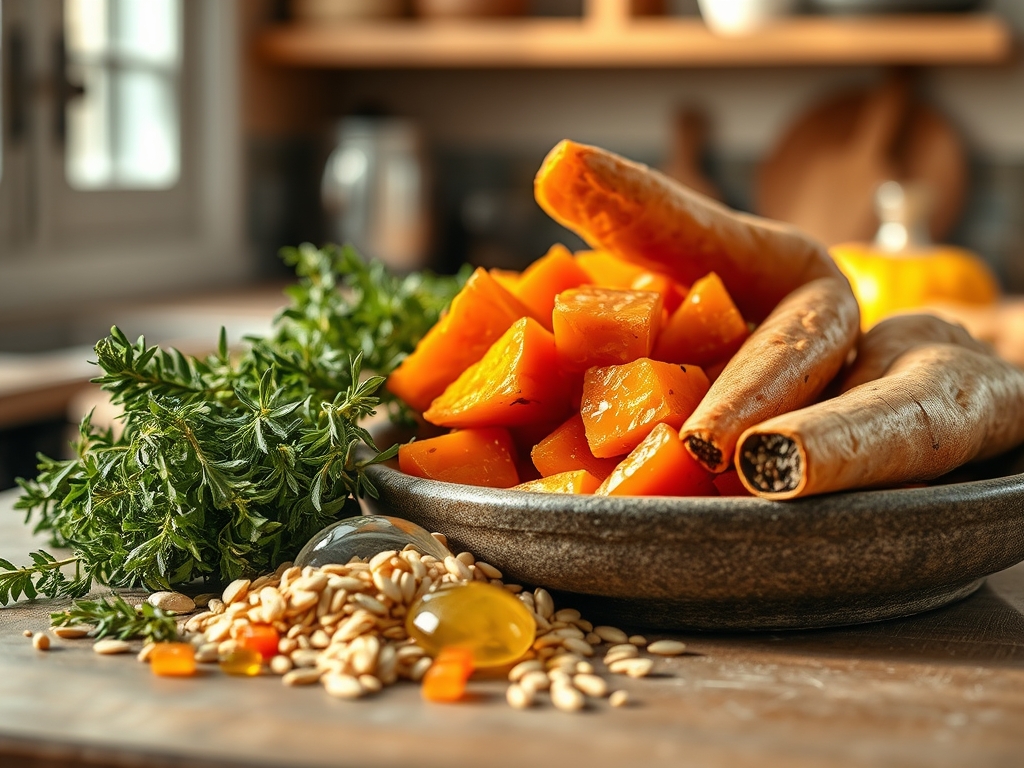
To achieve a professional result, your mise-en-place must be meticulous. Start with five pounds of Beauregard or Jewel sweet potatoes. These varieties are high in amylase, an enzyme that breaks down complex starches into simple sugars during the cooking process. You will need high-quality unsalted butter to control the sodium levels and dark brown sugar for its high molasses content, which provides a deeper, more viscous syrup.
For the aromatics, gather whole cinnamon sticks, star anise, and fresh ginger. Using a microplane, you will zest a bright orange to provide a piquant counterpoint to the heavy sugars. A pinch of Maldon sea salt is essential to balance the sweetness. For the "Smart Substitutions," you can swap the brown sugar for maple syrup or coconut sugar to achieve a lower glycemic index, or use a high-quality vegan butter block to maintain that essential fat-to-sugar ratio. Do not forget a splash of bourbon; the ethanol acts as a flavor carrier, pulling the fat-soluble compounds of the spices into the potato flesh.
The Clock
Efficiency in the kitchen is about "Chef's Flow." Expect to spend 20 minutes on prep, primarily peeling and slicing with a sharp chef knife or a heavy-duty mandoline. The active stovetop time is roughly 15 minutes to render the syrup, followed by 45 to 55 minutes of roasting.
The flow is simple: while your oven preheats to 375 degrees Fahrenheit, you should be preparing your saucier. By the time the potatoes are sliced and layered in a heavy-bottomed baking dish, your glaze should be reaching a simmer. This overlapping timeline ensures that the potatoes do not sit out long enough to undergo enzymatic browning, which can dull their vibrant orange hue.
The Masterclass
1. The Precision Cut
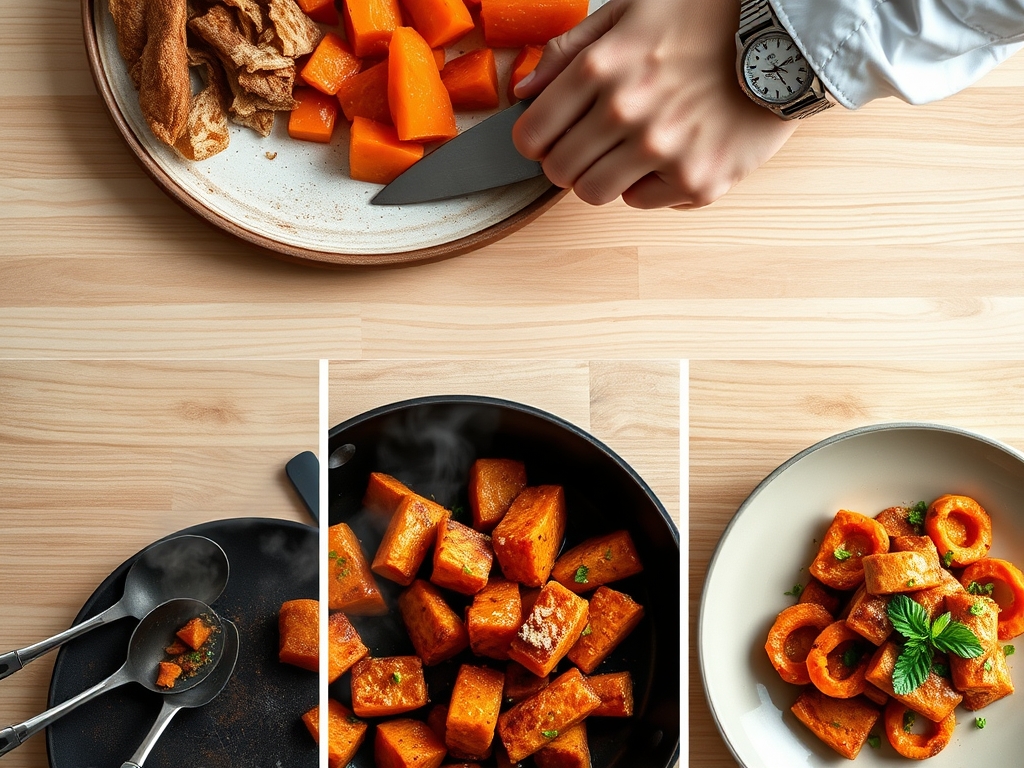
Using a bench scraper to clear your station, slice your peeled potatoes into uniform rounds exactly half an inch thick. Consistency is the key to even heat distribution. If the slices vary in thickness, the thin pieces will disintegrate into mush while the thick pieces remain fibrous.
Pro Tip: Uniformity prevents thermal gradients. When all pieces are the same size, they reach the target internal temperature simultaneously, ensuring a consistent mouthfeel across the entire dish.
2. The Syrup Emulsification
In a saucier, melt your butter over medium heat until it begins to foam. Whisk in the brown sugar, spices, and orange zest. You are looking for a smooth, homogenous mixture where the fat and sugar have fully integrated.
Pro Tip: This is a temporary emulsion. The lecithin in the butter helps bind the water-based sugar syrup to the fats, preventing the glaze from breaking and becoming greasy in the oven.
3. The Infusion Bath
Arrange the potatoes in a shingled pattern in a ceramic baking dish. Pour the hot syrup over them, ensuring every surface is coated. This initial coating creates a barrier that prevents the potatoes from drying out during the long roast.
Pro Tip: This step utilizes osmotic pressure. The high sugar concentration in the syrup draws a small amount of moisture out of the potatoes, which then mixes with the glaze to create a self-basting sauce.
4. The Controlled Roast
Cover the dish tightly with foil for the first 30 minutes. This creates a steam chamber that softens the cellulose structure of the potatoes without browning the sugars too quickly.
Pro Tip: Covering the dish manages evaporative cooling. By trapping steam, you raise the humidity, allowing the potatoes to cook through via conduction without the exterior becoming tough or leathery.
5. The Maillard Finish
Remove the foil and use tongs to gently baste the potatoes with the accumulated juices. Return them to the oven for the final 20 minutes. This is where the magic happens as the sugars concentrate and the edges of the potatoes begin to caramelize.
Pro Tip: This stage triggers the Maillard reaction. The amino acids in the potatoes react with the reducing sugars in the glaze to create hundreds of new flavor compounds and a deep, golden-brown color.
The Deep Dive
From a macro nutrition perspective, sweet potatoes are a powerhouse of Vitamin A and fiber. While this dish is a treat, the fiber in the potatoes helps slow the absorption of the sugars. For those with dietary restrictions, this recipe is naturally gluten-free. To make it keto-friendly, substitute the potatoes with roasted butternut squash and use a monk fruit-based brown sugar replacement. For a vegan version, use a high-fat plant-based butter and ensure your sugar is bone-char free.
"The Fix-It" section addresses common hurdles. If your sauce is too thin, remove the potatoes and reduce the liquid in a heavy-bottomed skillet on the stove until it coats the back of a spoon. If the potatoes are too hard, you likely sliced them too thick; add a splash of apple cider and cover them back up to steam for ten more minutes. If the glaze is grainy, the sugar crystallized; whisk in a teaspoon of corn syrup or honey to stabilize the solution. For meal prep, reheat in a 350-degree oven with a tablespoon of water to aerate the sauce and restore that day-one gloss.
The Wrap-Up
You now hold the secrets to the most sophisticated candied sweet potato recipes for thanksgiving. By focusing on the science of emulsification, the precision of the cut, and the chemistry of the Maillard reaction, you have elevated a humble root vegetable into a culinary masterpiece. Your kitchen is a laboratory, and today, you have successfully synthesized the perfect holiday side. Serve these with pride, knowing that every shimmering slice is backed by technical excellence and a whole lot of love.
The Kitchen Table
How do I prevent my candied sweet potatoes from becoming mushy?
Slice potatoes to a uniform half-inch thickness and avoid over-boiling. The initial roast should be covered to soften the structure, but the final uncovered roast is essential to firm up the exterior through sugar concentration and moisture evaporation.
Can I make candied sweet potatoes a day in advance?
Yes. Fully cook the dish, cool it rapidly, and refrigerate. When ready to serve, reheat in a 350-degree oven. Add a small splash of water or orange juice to loosen the glaze and restore its original viscous shine.
Why is my sugar glaze grainy instead of smooth?
Graininess occurs when sugar crystals reform. To prevent this, ensure the sugar is fully dissolved in the butter before baking. Adding a tablespoon of corn syrup or maple syrup provides "interfering agents" that stop large crystals from forming.
What is the best potato variety for candying?
Jewel or Beauregard sweet potatoes are best. They have a high moisture content and orange flesh that softens beautifully. Avoid "dry" varieties like Japanese white sweet potatoes, as they will not achieve the desired velvety texture in a syrup.