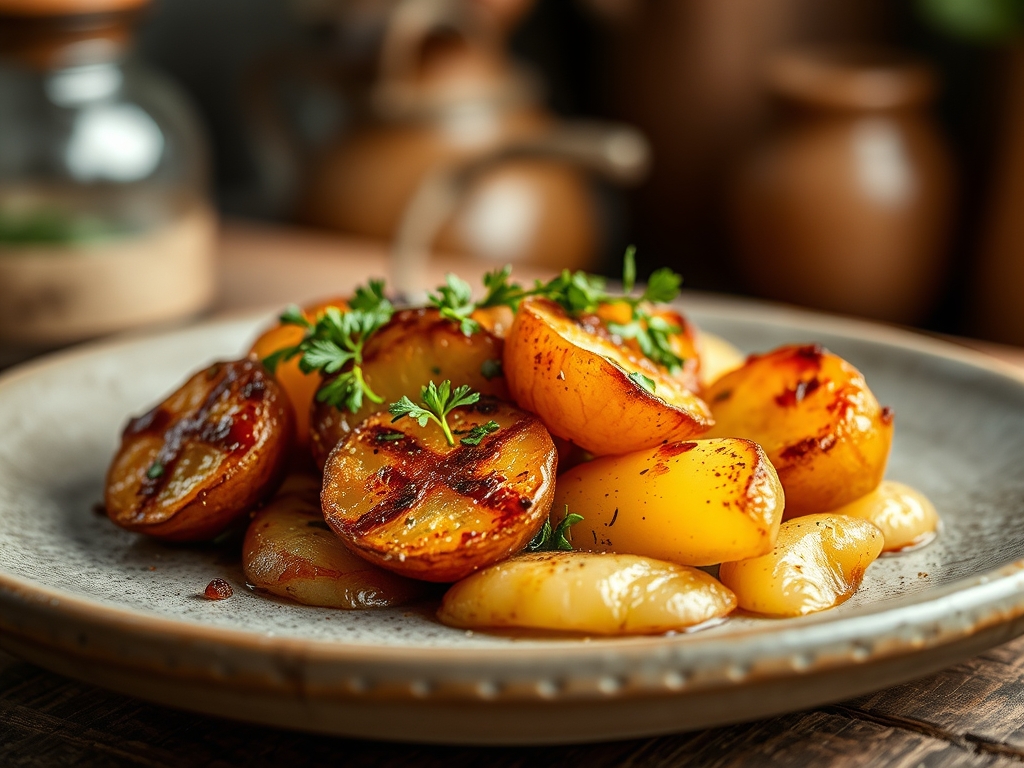
Imagine the scent of earth and steam rising from a heavy-bottomed pot; it is the olfactory equivalent of a warm hug on a rainy Tuesday. For years, the humble spud was unfairly cast as a nutritional villain, but we are rewriting that narrative today. When you dive into medical medium potato recipes, you are not just eating carbs; you are consuming bioavailable glucose that fuels your brain and liver. This is functional medicine disguised as comfort food. We are talking about creamy, golden textures that satisfy the soul while providing a massive dose of lysine to suppress viral loads. It is time to treat the potato with the reverence it deserves. Whether you are steaming them to preserve their delicate mineral salts or roasting them to a crisp, the potato is the ultimate healing vessel. Forget everything you thought you knew about starch. We are going deep into the molecular structure of the world's most misunderstood vegetable to create something truly transformative for your cellular health.
The Gathers:
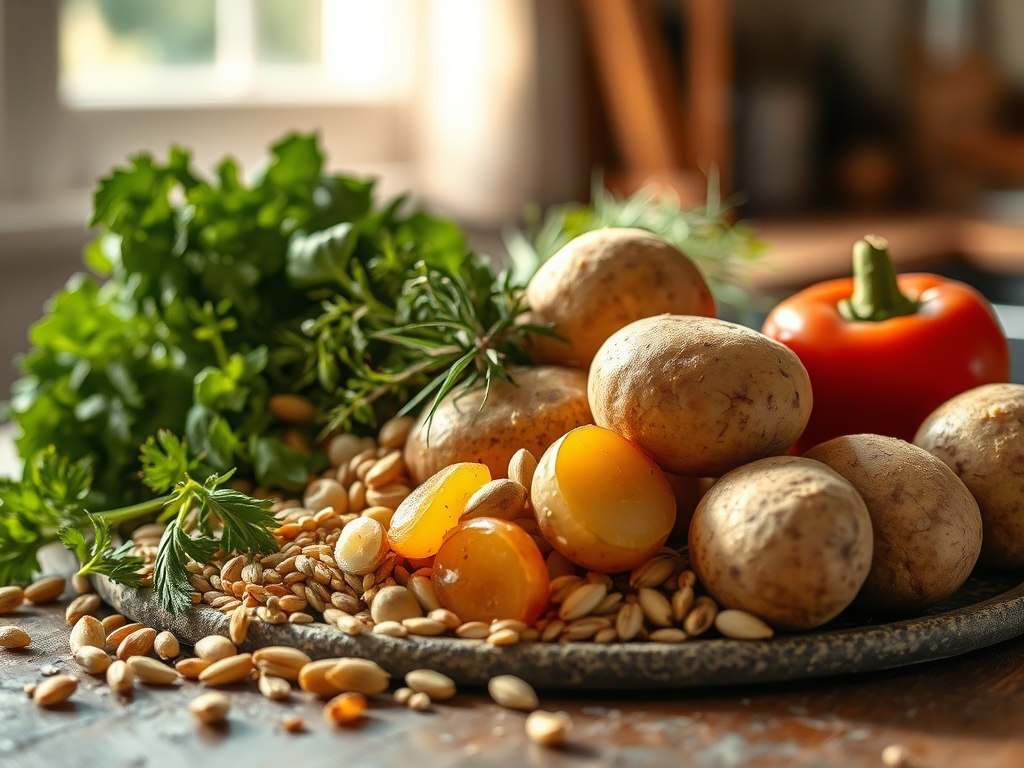
To master these medical medium potato recipes, your mise-en-place must be precise. Start with organic Gold or Red Bliss potatoes; their skin is thin and packed with trace minerals. You will need a digital scale to ensure consistent sizing, which prevents uneven cooking. Gather fresh garlic cloves, which contain sulfur compounds that act as natural antibiotics. For the "Smart Substitutions," swap traditional butter for a rich, viscous avocado mash or a splash of coconut aminos to add a piquant depth without the inflammatory fats. Instead of table salt, reach for Atlantic dulse flakes or high-quality sea salt to provide essential iodine. You will also want a bunch of fresh cilantro or parsley; these are not just garnishes but heavy metal chelators that work in tandem with the potato's fiber. Ensure your bench scraper is handy to move your diced spuds without bruising the delicate cell walls.
The Clock:
Efficiency in the kitchen is about managing the Chef's Flow. The prep phase takes exactly 15 minutes if you use a sharp chef's knife to maintain uniform surface area. The cooking time varies: steaming requires 20 to 25 minutes to reach peak tenderness without leaching nutrients into the water. If you choose to roast, budget 40 minutes at 400 degrees Fahrenheit to trigger the Maillard reaction. The total time investment is under an hour, but the "flow" means prepping your herbs and dressings while the potatoes are under thermal tension. This ensures that the moment the potatoes are done, they are dressed while the starch granules are still open and ready to infuse with flavor.
The Masterclass:
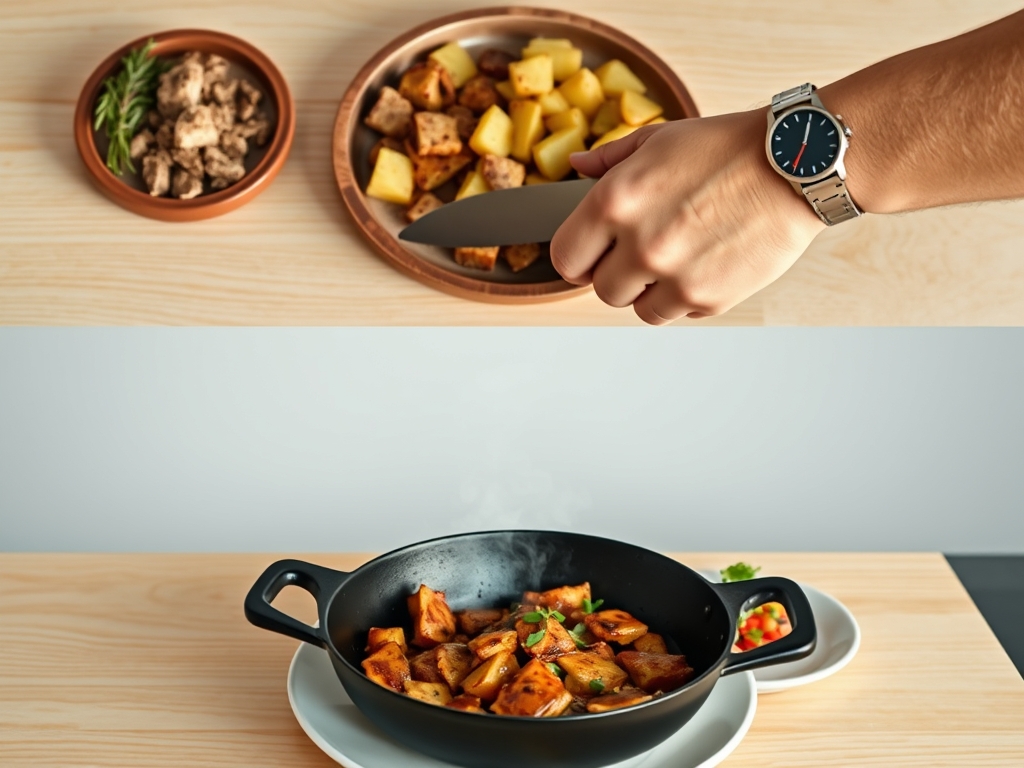
1. The Precision Scrub and Slice
Begin by cleaning your potatoes under cold running water. Do not peel them; the skin is where the medicinal phenolic compounds reside. Use your bench scraper to organize your cubes into one-inch increments.
Pro Tip: Cutting potatoes into uniform sizes ensures even heat distribution. This prevents enzymatic browning, a process where polyphenol oxidase reacts with oxygen, by minimizing the time the flesh is exposed to air before cooking.
2. The Steam Infusion
Place the potatoes in a steamer basket over boiling water. Cover tightly to create a high-pressure steam environment. This method preserves the vitamin C and B6 which are often lost in high-heat frying.
Pro Tip: Avoid boiling potatoes directly in water. Steaming prevents the "wash-out" effect of water-soluble nutrients and maintains a denser, more viscous internal texture.
3. The Aromatics Integration
While the potatoes steam, use a microplane to zest a lemon and grate fresh garlic into a small saucier. Add a touch of raw honey or maple syrup to balance the acidity.
Pro Tip: Adding garlic at the very end of the process preserves allicin. This heat-sensitive compound is the primary medicinal component of garlic and degrades if cooked for more than a few minutes.
4. The Gentle Aeration
Once fork-tender, transfer the potatoes to a large bowl. Use a silicone spatula to toss them gently with your dressing. You want to aerate the mixture slightly so the steam carries the aromatics into the center of each cube.
Pro Tip: This is the "absorption window." As the potato begins its thermal carryover cooling, it creates a vacuum effect, pulling the flavored oils and juices deep into the softened starch.
5. The Finishing Flash
If you desire a bit of texture, toss the steamed potatoes into a heavy-bottomed skillet for two minutes on high heat. This creates a thin, crisp exterior without the need for heavy oils.
Pro Tip: This brief exposure to high heat causes a localized dehydration of the surface starch, creating a "shatter-crisp" texture while the interior remains a creamy, hydrating puree.
The Deep Dive:
From a macro perspective, potatoes are a powerhouse. They are virtually fat-free and loaded with potassium; more than a banana, in fact. For those following specific dietary paths, these medical medium potato recipes are naturally gluten-free and vegan. If you are Keto-curious, remember that potatoes contain resistant starch, especially when cooled, which feeds the good bacteria in your gut without causing a massive glucose spike.
The Fix-It:
- Gummy Texture: This happens when you over-work the starch. Use a ricer instead of a blender to keep the cells intact.
- Bland Interior: You likely didn't season during the "absorption window." Always dress potatoes while they are steaming hot.
- Uneven Cooking: This is a knife skill issue. Use a digital scale to check your work; consistency in size equals consistency in doneness.
Meal Prep: To reheat and maintain "day-one" quality, avoid the microwave. Use a steamer for three minutes or a dry pan to re-crisp the edges. This prevents the starch from becoming "retrograded" and rubbery.
The Wrap-Up:
You are now armed with the technical prowess to turn a simple root vegetable into a medicinal masterpiece. These medical medium potato recipes are more than just fuel; they are a tactical strike against inflammation and a celebration of clean, vibrant eating. Remember, the kitchen is your laboratory and the potato is your most versatile element. Go forth, use your tongs with confidence, and nourish your body from the inside out. You have got the science, the tools, and the flavor; now go make some magic!
The Kitchen Table:
Are potatoes actually healthy for the liver?
Yes, potatoes are high in glucose that the liver stores as glycogen. This provides the organ with the necessary fuel to perform over 500 chemical functions, including detoxification and the suppression of viral pathogens.
Can I eat the potato skins?
Absolutely. The skin contains the highest concentration of minerals and fiber. In medical medium potato recipes, keeping the skin intact ensures you receive the full spectrum of amino acids and phenolic compounds necessary for cellular repair.
What is the best way to store potatoes?
Keep them in a cool, dark, and well-ventilated space. Never refrigerate raw potatoes, as the cold temperature converts their starch into sugar too quickly, which can lead to an off-flavor and increased acrylamide during cooking.
Why use a steamer instead of boiling?
Steaming is a gentler thermal process. It prevents the loss of water-soluble vitamins like B6 and Vitamin C. It also keeps the potato's structure intact, preventing the "water-logged" texture that often ruins mashed or roasted dishes.