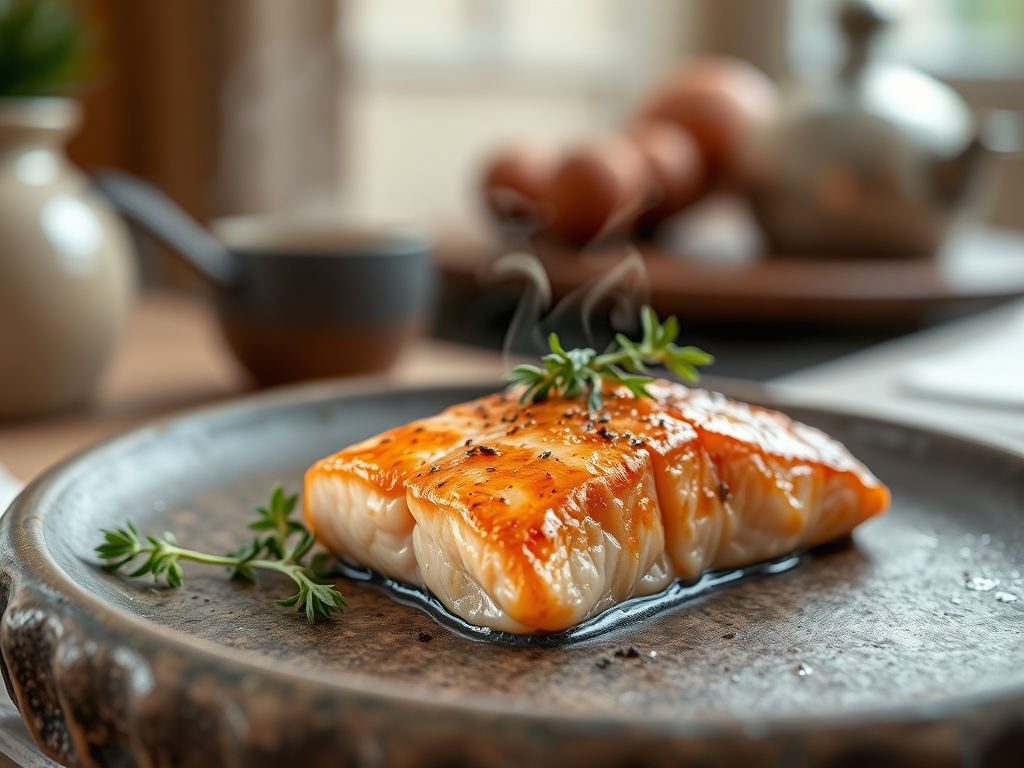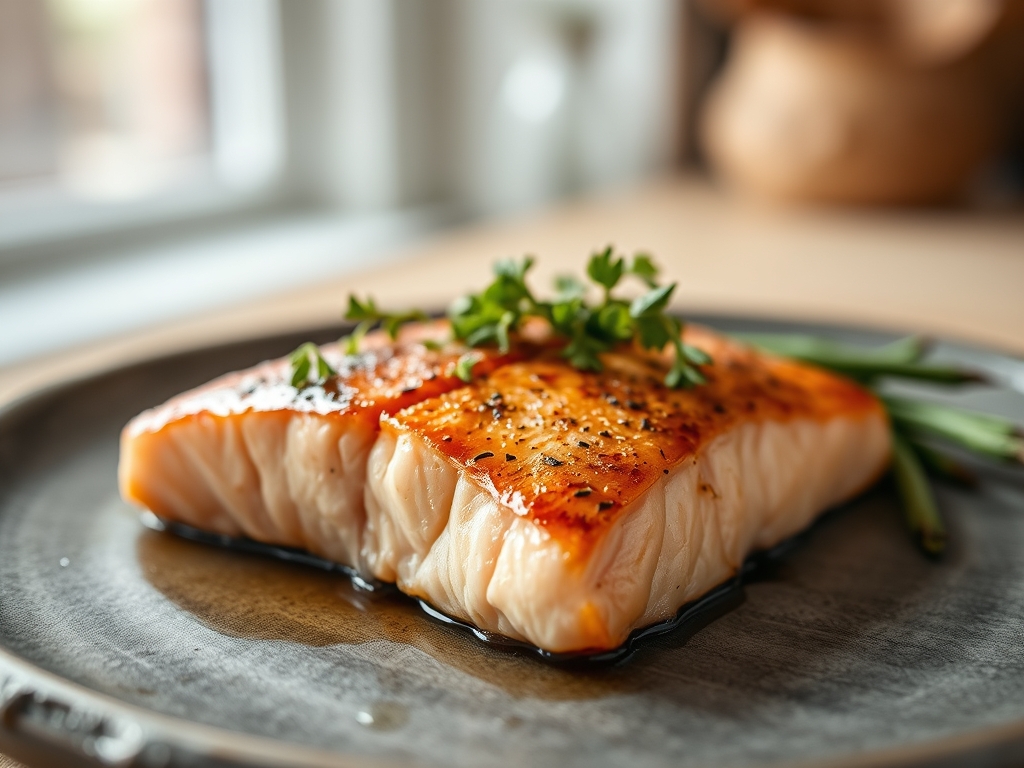
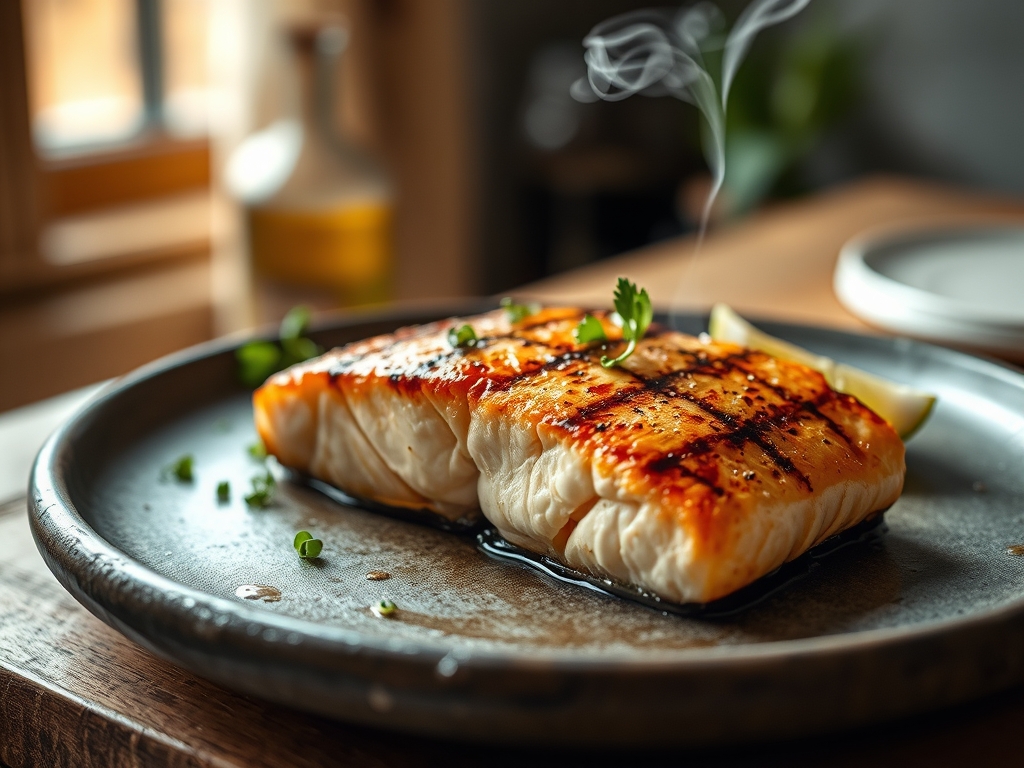
Imagine the hiss of cold protein hitting a searing grate; the sound is an immediate signal that the Maillard reaction has begun. That signature crackle, followed by the aroma of caramelizing fats and wood-smoke, is exactly what you crave when searching for gas grilled salmon recipes. We are chasing that elusive contrast between a glass-like, crispy exterior and a center that remains succulent and translucent.
Achieving this result on a gas grill requires more than just heat; it requires a deep understanding of thermal conductivity and protein structure. Most home cooks struggle with sticking or overcooking because they treat fish like a steak. However, salmon is a delicate lattice of fats and connective tissues that demands a specific scientific approach to moisture retention. By the end of this guide, you will be wielding your tongs with the confidence of a line cook. We are going to transform a simple fillet into a masterpiece of texture and flavor, ensuring every bite is a masterclass in culinary precision.
The Gathers:
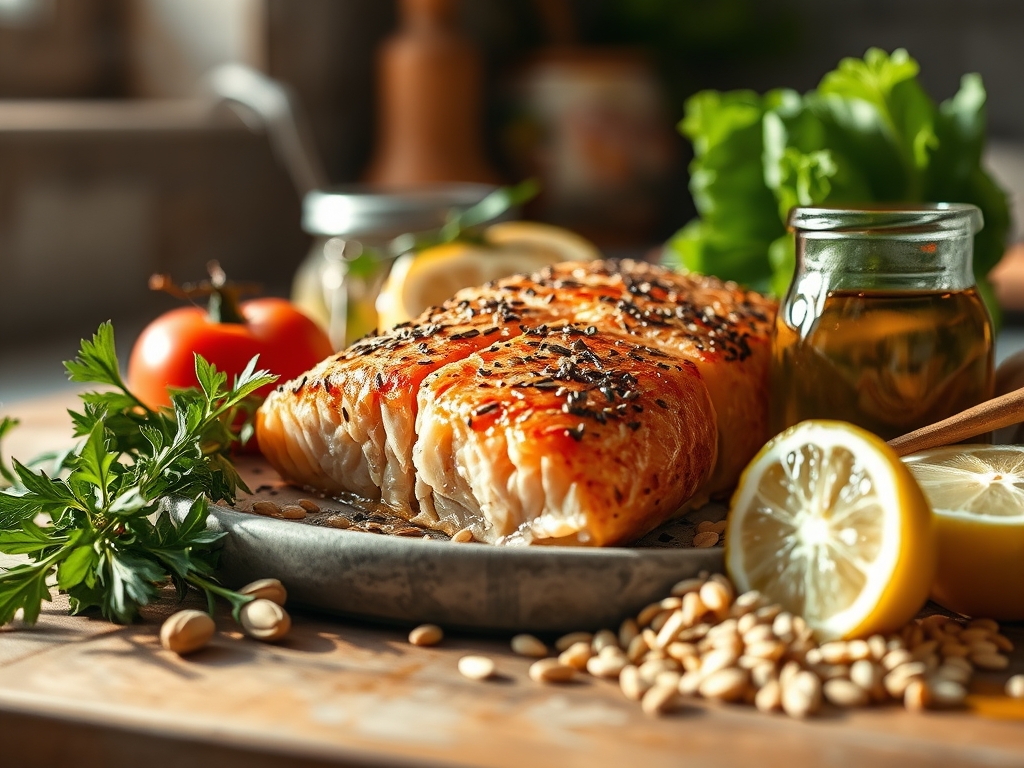
To begin, organize your workspace with a focus on mise-en-place. You will need a high-quality, center-cut Atlantic or King salmon fillet; look for deep pigmentation which indicates a high concentration of astaxanthin. Gather your digital scale to ensure uniform portioning; typically six ounces per person. For the seasoning, use coarse kosher salt for its jagged surface area and a high-smoke-point oil like avocado or grapeseed oil. Avoid extra virgin olive oil for the initial sear, as its low smoke point will create bitter, acrid compounds at high temperatures.
You will also need a microplane for zesting citrus, which adds a piquant brightness without the moisture of juice that could steam the skin. Smart Substitutions: If you are avoiding refined sugars in your rub, use a touch of monk fruit sweetener to encourage browning. If you lack avocado oil, clarified butter (ghee) is an excellent alternative because the milk solids have been removed, allowing for a high-heat sear without burning. Ensure your tongs are long-handled to protect your hands from the radiant heat of the grill.
The Clock
Efficiency in the kitchen is all about the Chef's Flow. This process takes approximately 35 minutes from fridge to table. Spend the first 15 minutes on preparation; this includes tempering the fish and drying the skin. The actual cook time is remarkably fast, usually clocking in at 8 to 12 minutes depending on the thickness of the fillet.
The final 5 to 10 minutes are the most critical: the rest. During this phase, thermal carryover allows the internal temperature to rise by about five degrees while the muscle fibers relax, allowing the juices to redistribute. If you cut into the fish immediately, the viscous internal fats will leak out, leaving the meat dry. Use this time to prepare a quick compound butter or a fresh herb garnish.
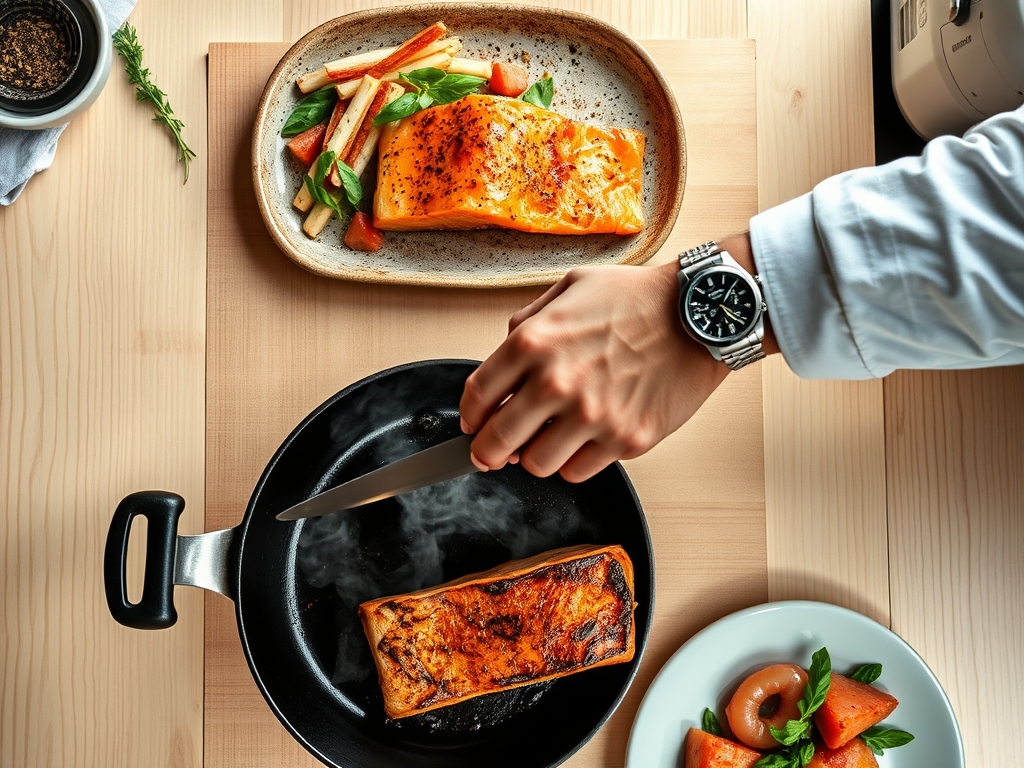
The Masterclass
1. The Desiccation Ritual
Pat the salmon skin bone-dry using heavy-duty paper towels. Moisture is the enemy of a crisp sear; any water left on the surface will turn into steam, preventing the skin from becoming brittle and delicious.
Pro Tip: This uses the principle of evaporative cooling. By removing surface water, the grill's energy goes directly into browning the skin rather than boiling away moisture.
2. Tempering the Protein
Allow the salmon to sit at room temperature for 15 minutes before grilling. Taking the chill off prevents the exterior from overcooking while the center remains raw.
Pro Tip: This reduces the thermal gradient between the heat source and the core of the fish, ensuring a more even cook through the entire fillet.
3. Lubrication and Seasoning
Brush the skin side generously with oil and season with salt. Use your bench scraper to ensure the salt is evenly distributed across the surface. Do not season with pepper yet, as it can burn and become bitter.
Pro Tip: Salt acts as a denaturant, slightly breaking down surface proteins to create a "glue" that helps form a crust during the Maillard reaction.
4. The High-Heat Launch
Preheat your gas grill to 450 degrees Fahrenheit. Clean the grates thoroughly with a wire brush. Place the salmon skin-side down on the hottest part of the grill and leave it alone.
Pro Tip: This initiates enzymatic browning. The high heat causes amino acids and reducing sugars to reorganize into complex flavor molecules.
5. The Skin-Side Commitment
Keep the salmon skin-side down for at least 70 percent of the total cooking time. The skin acts as a heat shield, protecting the delicate flesh from the direct flame.
Pro Tip: This utilizes conduction through the skin and fat layer, which gently renders the subcutaneous fat to keep the meat moist.
6. The Flip Technique
Once the skin releases naturally from the grates, use a thin fish spatula to gently flip the fillet. If it sticks, it is not ready to turn.
Pro Tip: This is known as the Leidenfrost effect in reverse; as the moisture in the skin evaporates, it creates a tiny cushion of steam that eventually releases the fish.
7. Monitoring Internal Temps
Use a digital thermometer to check the thickest part of the fish. Remove the salmon when it hits 125 degrees Fahrenheit for a perfect medium-rare.
Pro Tip: This accounts for thermal carryover. The internal temperature will continue to climb to 130 degrees while resting, which is the "sweet spot" for texture.
8. The Infusion Phase
During the final minute of grilling, you can add aromatics like lemon slices or herbs directly onto the grill grates next to the fish.
Pro Tip: Heat causes the essential oils in herbs to aerate, surrounding the fish with a fragrant vapor that lightly perfumes the meat without scorching the leaves.
9. The Rest Period
Transfer the salmon to a warm plate and tent loosely with foil. Let it sit for at least five minutes before serving.
Pro Tip: Resting allows the gelatinous connective tissues to set, ensuring the flakes remain intact when you finally dive in with your fork.
The Deep Dive
From a macro perspective, salmon is a nutritional powerhouse. A standard six-ounce serving provides roughly 34 grams of high-quality protein and 22 grams of healthy fats, primarily Omega-3 fatty acids. It is naturally low in carbohydrates, making it a staple for Keto and Paleo diets. For a Vegan swap, you can apply these same grilling techniques to thick slabs of cauliflower or "watermelon steaks," though the cook times will vary significantly.
The Fix-It:
- Fish Sticking: Your grill wasn't hot enough or you didn't oil the grates. Fix it by using a saucier to drizzle a little warm oil near the stick point to help it release.
- White Gunk (Albumin): This happens when the fish is cooked too fast or too high. It is just protein pushing to the surface; it is safe to eat but indicates the heat was too aggressive.
- Flabby Skin: You didn't dry the skin enough. Fix it by finishing the fillet under a broiler for 60 seconds.
Meal Prep: To reheat salmon without it becoming rubbery, use the "Low and Slow" method. Place it in a 275-degree oven with a splash of water and cover tightly with foil. This creates a gentle steam environment that rehydrates the proteins without further denaturing them.
The Wrap-Up
Mastering gas grilled salmon recipes is about more than just following a timer; it is about respecting the chemistry of the ingredients. When you balance high-heat sear techniques with the patience of a proper rest, you elevate a simple weeknight meal into a restaurant-quality experience. Grab your digital scale, fire up those burners, and get ready to impress yourself with the perfect char.
The Kitchen Table
How do I prevent salmon from sticking to the grill?
Ensure your grill grates are scrubbed clean and preheated to high. Pat the salmon skin completely dry and coat it with a high-smoke-point oil. Do not attempt to flip the fish until it releases naturally from the grates.
What is the best temperature for grilled salmon?
For a succulent, medium-rare finish, pull the salmon off the grill when the internal temperature reaches 125 degrees Fahrenheit. Thermal carryover will bring the final temperature to 130 degrees as it rests, ensuring the perfect flaky texture.
Should I grill salmon with the lid open or closed?
Close the lid. This creates a convection environment, cooking the top and bottom of the fish simultaneously. It maintains a consistent temperature and prevents the flare-ups that can occur when oxygen rushes in through an open lid.
How do I know when the salmon is done without a thermometer?
Gently press the side of the fillet with a fork. If the meat begins to flake along the white lines of fat (the myocommata) and the center is still slightly translucent, it is ready to be removed from the heat.