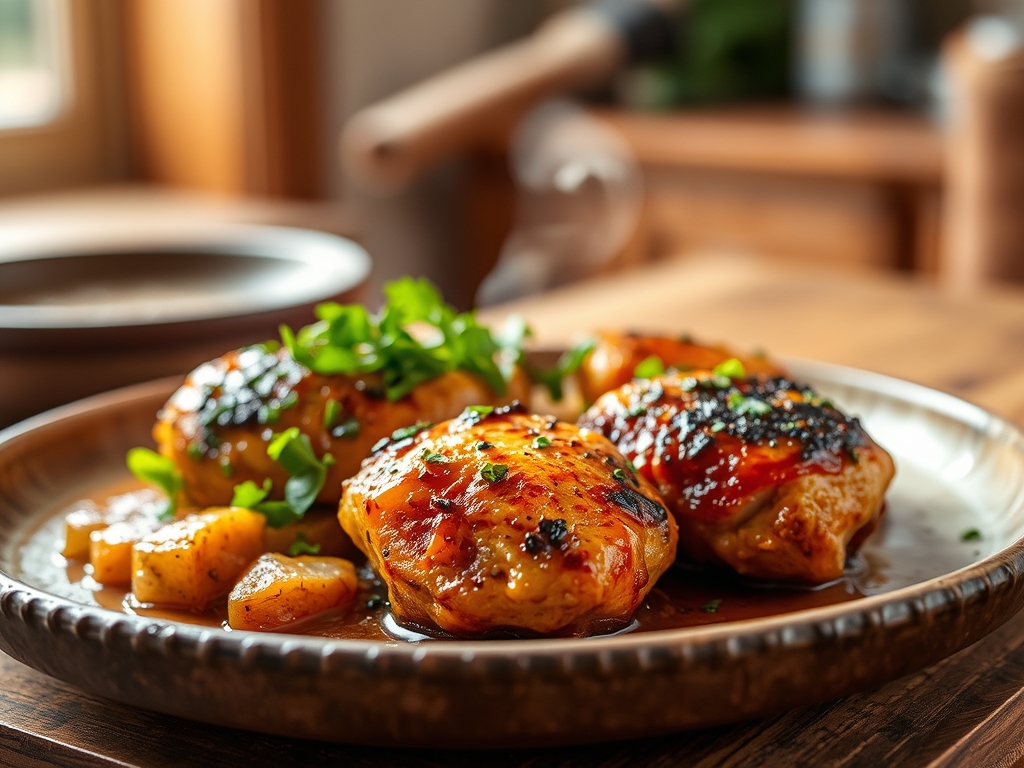
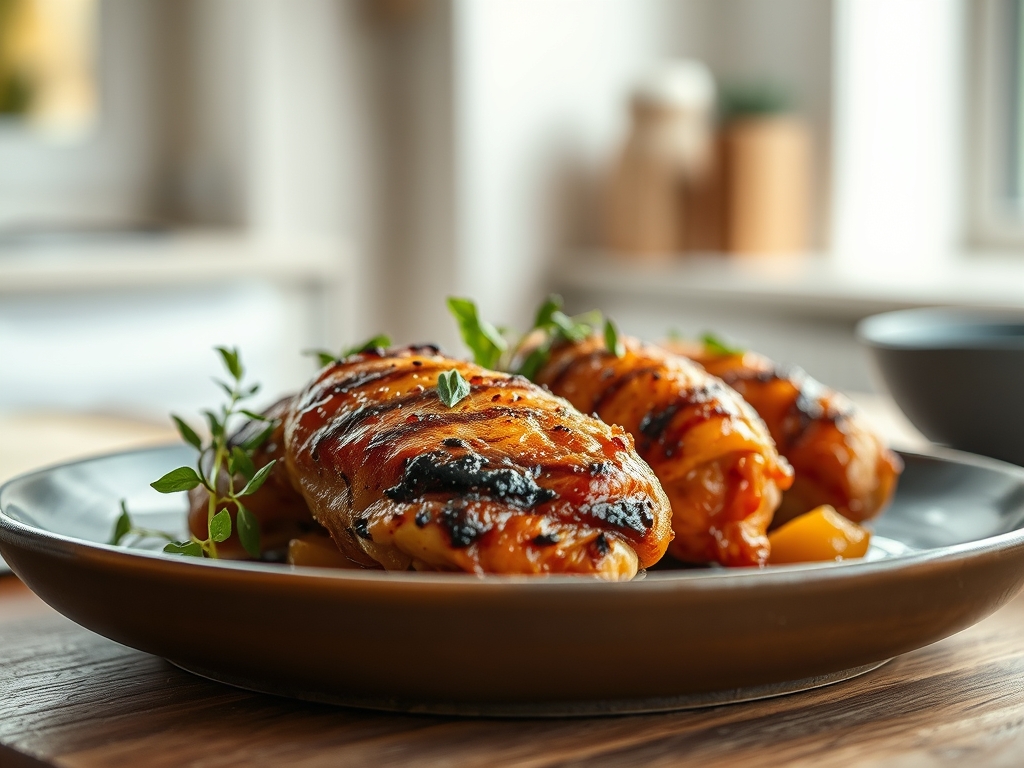
Imagine the scent of smoldering hickory dancing with the sharp, piquant aroma of cracked black pepper and sweet honey. That is the essence of a perfect weekend. When you are searching for the best smoked chicken recipes, you are not just looking for a meal; you are looking for that specific chemical magic where smoke meets protein. We are taking the classic Australian steakhouse favorite and elevating it with a spicy, wood-fired twist. This is not your average dry poultry. We are talking about succulent breasts smothered in a viscous honey mustard glaze, topped with crisp bacon, sautéed mushrooms, and a molten blanket of Monterey Jack cheese.
The secret lies in the interplay of heat and humidity. By using a smoker, we introduce aromatic compounds like guaiacol and syringol into the muscle fibers, creating a depth of flavor that a standard oven simply cannot replicate. Whether you are hosting a backyard bash or just craving a high-protein dinner that actually tastes like a celebration, these spicy variations will redefine your rotation. We are going to master the art of the sear, the science of the smoke ring, and the precision of the melt. Grab your apron; we are about to turn your patio into a five-star kitchen.
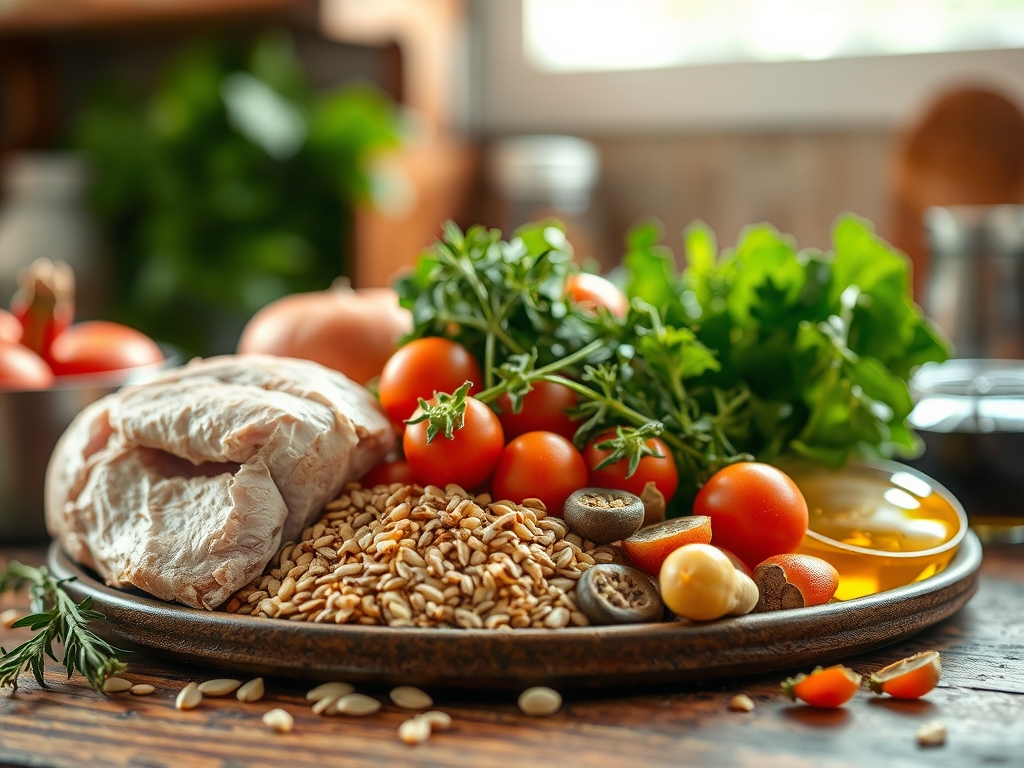
The Gathers:
To achieve culinary excellence, your mise-en-place must be flawless. Start with six-ounce chicken breasts, trimmed of excess connective tissue using a sharp boning knife. For the spicy kick, we are utilizing a blend of cayenne pepper and smoked paprika to provide both heat and a vibrant hue. You will need high-quality hardwood pellets; hickory or applewood work best for poultry because they offer a balanced smoke profile without being overly aggressive.
Your dairy must be high-fat for optimal melting. Use a block of Monterey Jack and grate it yourself with a microplane or box grater. Pre-shredded cheese is coated in potato starch, which prevents that silky, viscous pull we are after. For the mushrooms, select firm Creminis. When you slice them, ensure they are uniform to guarantee an even render of moisture during the sauté.
Smart Substitutions:
If you are avoiding pork, swap the bacon for smoked turkey strips or even a salty halloumi cheese for a different texture. For those who want more heat, replace the honey mustard with a spicy chipotle-infused agave. If you do not have a smoker, you can use a heavy-bottomed skillet to sear the meat and add a drop of liquid smoke to your marinade, though the authentic wood-fired depth will be slightly diminished.
The Clock
Efficiency in the kitchen is about "Chef's Flow." Total active preparation time is 25 minutes, while the smoking process takes approximately 60 to 90 minutes depending on the thickness of your protein.
- Prep Phase (15 mins): Brining and seasoning.
- The Sear (10 mins): Developing the Maillard reaction on the stovetop.
- The Smoke (60-90 mins): Low and slow infusion at 225 degrees Fahrenheit.
- The Finish (5 mins): Melting the cheese and resting the meat.
By prepping your toppings while the chicken takes its smoke bath, you ensure everything hits the table at the perfect temperature.
The Masterclass
1. The Brine and Rub
Place your chicken in a saltwater solution for thirty minutes before seasoning. This uses osmosis to pull moisture into the cells, ensuring the meat stays juicy under the dry heat of the smoker. Pat the meat bone-dry with paper towels before applying your spicy dry rub.
Pro Tip: Moisture is the enemy of a good crust. Drying the surface allows the rub to adhere better and prevents the meat from steaming rather than searing.
2. Searing for Flavor
Heat a heavy-bottomed skillet over medium-high heat. Use tongs to place the chicken in the pan, searing for two minutes per side. We are looking for enzymatic browning, which creates hundreds of new flavor compounds that smoke alone cannot produce.
Pro Tip: Do not crowd the pan. Overcrowding drops the temperature of the metal, causing the juices to leak out and boil the meat instead of browning it.
3. The Low and Slow Infusion
Transfer the chicken to your smoker set at 225 degrees Fahrenheit. Use a digital scale or a probe thermometer to monitor the internal temperature. This is where the "best smoked chicken recipes" differentiate themselves; precision is everything.
Pro Tip: Smoke absorption happens most effectively when the meat is cold and damp, but since we seared first, we are relying on the wood sugars to caramelize on the crust.
4. Sautéing the Toppings
While the chicken smokes, use a saucier to cook your mushrooms in butter and garlic. Deglaze the pan with a splash of white wine or chicken stock to lift the fond (those tasty brown bits) from the bottom.
Pro Tip: Mushrooms are like sponges. Do not salt them until they have finished browning, or they will release their water too early and become rubbery.
5. The Glaze Application
When the chicken hits an internal temperature of 150 degrees Fahrenheit, brush on a thick layer of spicy honey mustard. This creates a viscous barrier that traps moisture and adds a piquant tang.
Pro Tip: Applying the glaze too early can cause the sugars to burn. The 150-degree mark is the "sweet spot" for setting the sauce without scorching.
6. The Cheese Melt and Rest
Top each breast with bacon, mushrooms, and a generous pile of cheese. Close the smoker lid for the final ten minutes until the internal temperature reaches 165 degrees Fahrenheit. Remove and let rest for five minutes.
Pro Tip: Thermal carryover will cause the temperature to rise another 3 to 5 degrees after removal. Resting allows the muscle fibers to relax and reabsorb the juices.
The Deep Dive
Macro Nutrition: One serving typically contains 450 calories, 45g of protein, 28g of fat, and 8g of carbohydrates. It is a powerhouse for muscle recovery.
Dietary Swaps:
- Keto: Replace the honey in the mustard with monk fruit sweetener.
- Vegan: Use "soy curls" or oyster mushrooms as the base, smoked with vegan butter and nutritional yeast for a "cheesy" finish.
- Gluten-Free: Ensure your mustard and bacon are certified GF, as some brands use wheat-based thickeners.
The Fix-It:
- Dry Meat: You skipped the brine or overcooked it. Use a saucier to make an extra batch of honey mustard to serve on the side.
- Rubbery Skin: This happens if the temperature is too low. Increase the heat to 375 for the last five minutes to crisp things up.
- Bland Flavor: The smoke did not penetrate. Next time, use a bench scraper to lightly score the surface of the meat before seasoning.
Meal Prep: To reheat, avoid the microwave. Use a toaster oven at 325 degrees with a splash of water in the pan to create steam. This restores the "day-one" texture without making the chicken "bouncy."
The Wrap-Up
Mastering the best smoked chicken recipes is a journey of patience and precision. By combining the spicy, bold flavors of Alice Springs with the technical depth of wood-fired cooking, you have created a dish that is both comforting and sophisticated. Remember, the key is the quality of your tools and the timing of your glaze. Now, get out there, fire up the pit, and show your friends what a real culinary scientist can do.
The Kitchen Table
How do I keep smoked chicken from getting dry?
Always use a wet brine for at least 30 minutes before smoking. This increases the cellular moisture capacity. Additionally, pull the meat at 160 degrees Fahrenheit and let thermal carryover bring it to the safe 165 mark while resting.
What wood is best for spicy chicken?
Hickory is the gold standard for this recipe. It provides a robust, bacon-like aroma that complements the spicy mustard and melted cheese perfectly. For a milder profile, fruitwoods like cherry or apple are excellent secondary choices.
Can I make this without a smoker?
Yes, use a cast-iron skillet for a hard sear and finish in a 350-degree oven. Add a teaspoon of smoked paprika or a drop of high-quality liquid smoke to your marinade to mimic the authentic wood-fired essence.
How long does leftover smoked chicken last?
Stored in an airtight container, it remains fresh for three to four days. For the best texture, reheat in an oven rather than a microwave to maintain the integrity of the cheese and the crispness of the bacon.