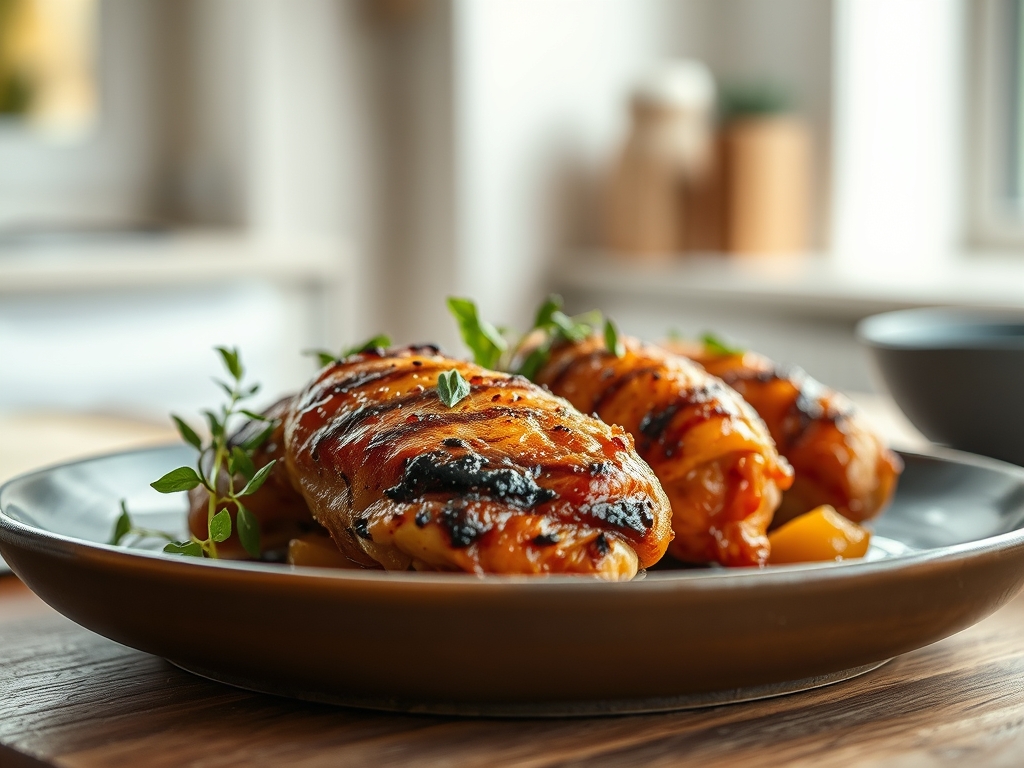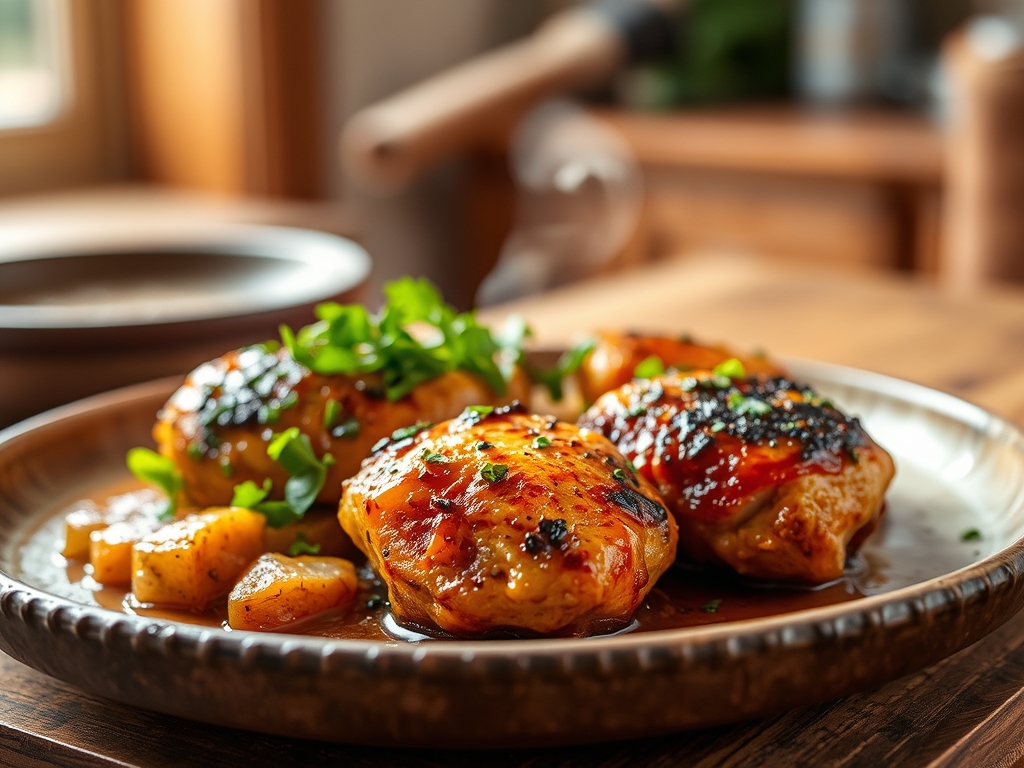
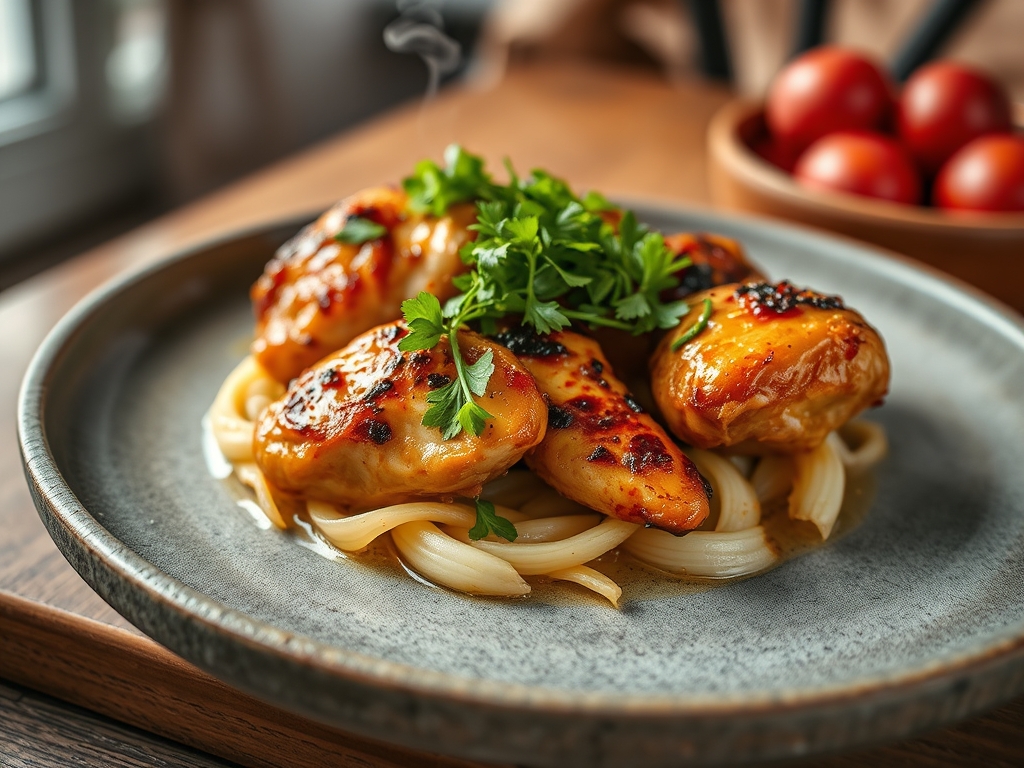
Picture the scene: a crowded kitchen island where the air smells like toasted nuts and caramelized honey. You are balancing a heavy ceramic platter, and the room goes quiet because you just arrived with the ultimate chicken recipes potluck contribution. We are talking about pecan-crusted chicken that shatters with a satisfying crunch before giving way to succulent, velvet-textured meat. This is not your average soggy breaded bird. This is a masterclass in texture and temperature. The secret lies in the contrast between the earthy, fatty crunch of the pecans and the piquant zing of a well-balanced mustard binder. When you bring this to a gathering, you are not just providing sustenance; you are providing a conversation piece. Most potluck dishes suffer from the steam-table blues, becoming limp and uninspired after twenty minutes in a warming tray. However, by understanding the molecular structure of nut-based crusts, we can ensure your dish remains the star of the show from the first bite to the very last scrap. Let us dive into the mechanics of making this elegant, crowd-pleasing protein.
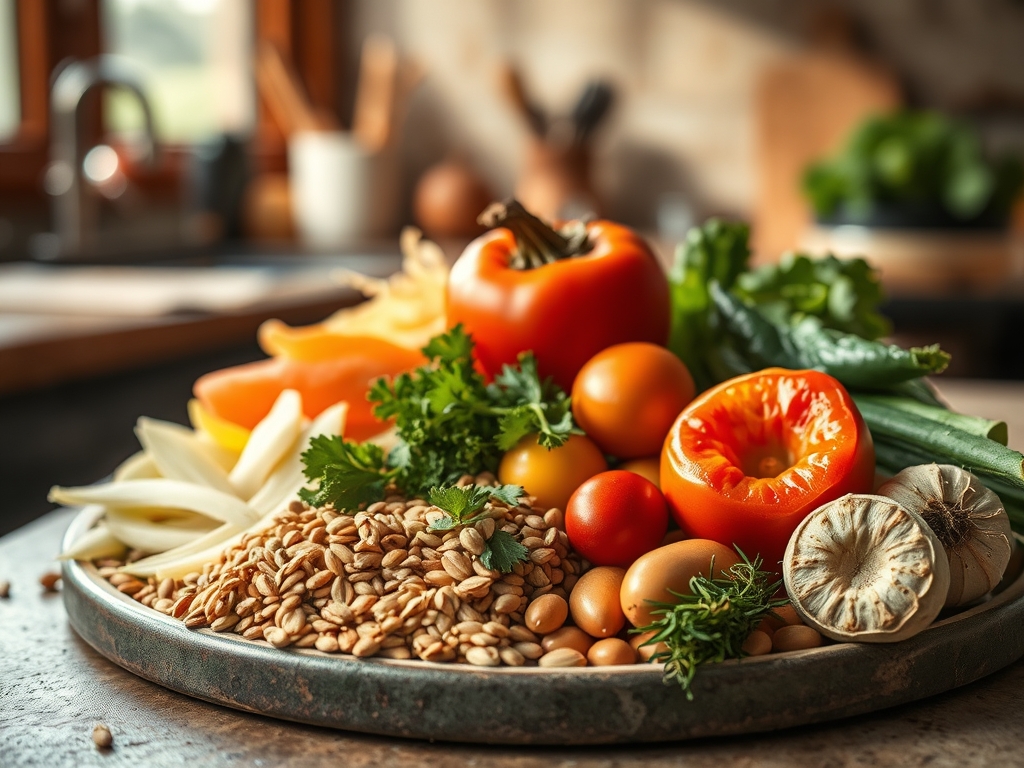
The Gathers:
To achieve a professional-grade crust, your mise-en-place must be precise. Start with four large, pasture-raised chicken breasts. You will need two cups of raw pecan halves; do not use pre-chopped pieces as they lose their volatile oils too quickly. For the binder, gather high-quality Dijon mustard, local honey, and a splash of apple cider vinegar to provide a piquant counterpoint to the rich nuts. Your dry station requires panko breadcrumbs, which act as a structural scaffolding for the pecans, along with smoked paprika, garlic powder, and kosher salt.
Smart Substitutions: If you are catering to a nut allergy, roasted sunflower seeds provide a similar fatty profile and crunch. For a dairy-free version, ensure your honey is pure and avoid any butter-based binders. If you find your mustard is too viscous, whisk in a teaspoon of water or white wine to aerate the mixture, making it easier to coat the protein evenly without clumping. Using a digital scale to measure your pecans ensures consistency in the crust-to-meat ratio, which is vital for even cooking.
The Clock
Efficiency in the kitchen is all about the Chef's Flow. Total preparation time is 20 minutes, with a cook time of 18 to 22 minutes depending on the thickness of your poultry. You should allow for a 5-minute rest period post-oven. The "Flow" involves a synchronized dance: while your oven preheats to 400 degrees Fahrenheit, you toast the pecans briefly to infuse the crust with deep, nutty notes. By the time the oven chime sounds, your chicken should be breaded and ready for the heavy-bottomed skillet. This overlap ensures the chicken stays cold until the very last second, preserving the integrity of the muscle fibers before they hit the heat.
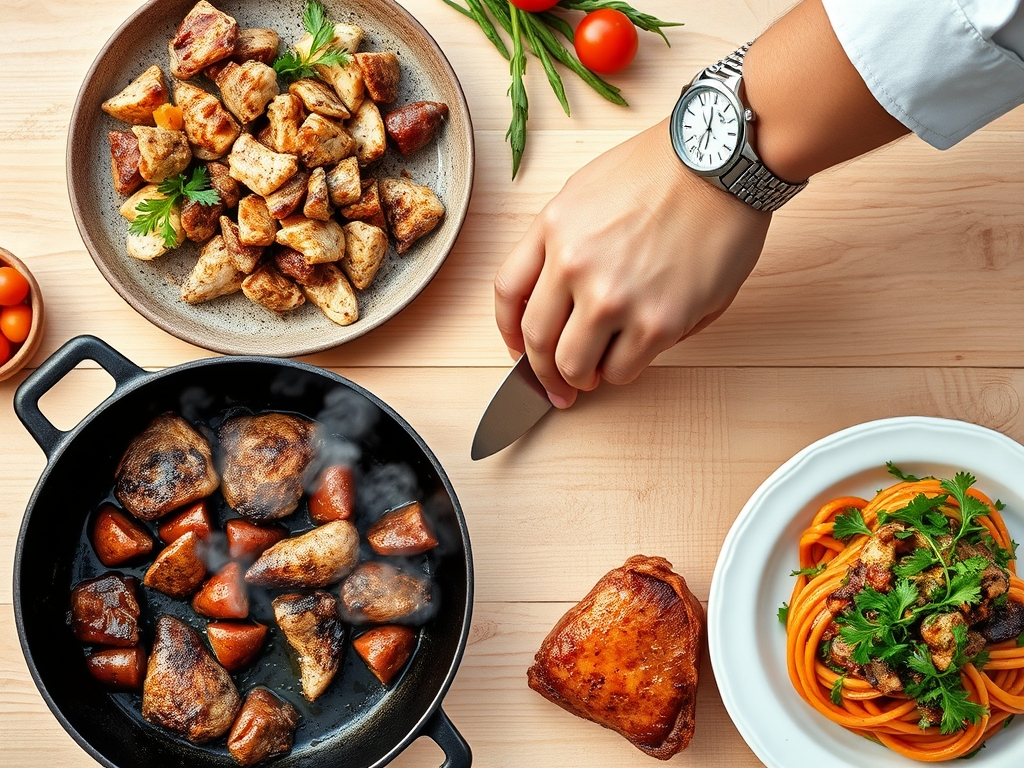
The Masterclass
1. The Pecan Pulverize
Place your pecans in a food processor or use a heavy rolling pin to crush them into a coarse meal. You want a variety of textures; some dust, some pebbles. Use a microplane to zest a bit of lemon into the mix for a bright aromatic lift.
Pro Tip: This step utilizes surface area science. Smaller pieces provide more contact points for Maillard reaction browning, while larger pieces offer the "shatter" effect during mastication.
2. The Butterfly and Pound
Using a sharp chef's knife, butterfly the chicken breasts and place them between sheets of plastic wrap. Use a meat mallet to pound them to an even half-inch thickness. This ensures every part of the chicken reaches the safe internal temperature of 165 degrees Fahrenheit at the exact same time.
Pro Tip: Even thickness prevents the "tapered end" syndrome where the thin part of the breast turns into leather while the center is still raw. This is known as managing thermal conductivity.
3. The Viscous Binder Application
Whisk your mustard, honey, and spices in a saucier or small bowl until the mixture is an emulsified, tacky gold. Use a silicone brush to paint a thin, even layer over the chicken. Do not submerge the meat; you only need enough to act as a biological glue.
Pro Tip: The sugars in the honey facilitate enzymatic browning, while the acidity in the mustard begins to denature the surface proteins, helping the crust adhere better during the flip.
4. The Crust Compression
Dredge the coated chicken into the pecan and panko mixture. Press down firmly with the palm of your hand to anchor the nuts into the binder. Transfer the pieces to a wire rack set over a baking sheet rather than placing them directly on a flat pan.
Pro Tip: Using a wire rack allows hot air to circulate 360 degrees around the bird. This prevents the bottom from becoming soggy due to trapped steam, a process known as evaporative cooling mitigation.
5. The Sear and Roast
Heat a tablespoon of neutral oil in a heavy-bottomed skillet over medium-high heat. Sear the chicken for 2 minutes per side using tongs to avoid piercing the meat. Once golden, transfer the entire skillet (if oven-safe) or the wire rack to the oven to finish.
Pro Tip: Searing initiates the Maillard reaction immediately, locking in flavor compounds that roasting alone cannot achieve. The oven finish then uses gentle convection to bring the center to temperature.
6. The Rest and Carryover
Once the chicken reaches 160 degrees Fahrenheit on a digital thermometer, remove it from the heat. Let it rest on a bench scraper or cutting board for at least five minutes before slicing.
Pro Tip: This allows for thermal carryover, where the internal temperature rises to the safe 165 mark while the juices redistribute. Cutting too early causes the liquid to purge, leaving you with dry meat.
The Deep Dive
From a nutritional standpoint, this dish is a powerhouse. You are getting lean protein from the chicken and heart-healthy monounsaturated fats from the pecans. One serving typically contains 35g of protein, 18g of fat, and 12g of carbohydrates. To make this Keto-friendly, simply swap the panko for crushed pork rinds and use a sugar-free honey substitute. For a Gluten-Free version, use certified GF breadcrumbs or increase the pecan ratio.
The Fix-It:
- Crust Falling Off: This usually happens because the chicken was too wet. Pat the meat dry with paper towels before applying the binder.
- Burnt Nuts: Pecans have a high oil content and can scorch. If the crust is browning too fast, tent the dish with foil to deflect direct radiant heat.
- Dry Chicken: You likely skipped the resting phase. Always use a thermometer to pull the meat at 160 degrees, not 165.
Meal Prep Science: To reheat this for a potluck, avoid the microwave at all costs. The microwave agitates water molecules, which turns the crust into mush. Instead, use an air fryer or oven at 350 degrees for six minutes. This re-crisps the fats in the pecans and restores the "day-one" structural integrity.
The Wrap-Up
Mastering this pecan-crusted chicken means you are officially the MVP of any social gathering. By focusing on the mechanics of the binder and the physics of the wire-rack roast, you have elevated a simple protein into a gourmet experience. Remember, great cooking is just delicious chemistry. Now, grab your tongs, head to that party, and watch that platter clear out in record time. You have got the skills, the science, and the flavor to back it up.
The Kitchen Table
How do I keep the chicken crispy at a potluck?
Transport the chicken on a wire rack inside a ventilated container. Never cover it tightly with foil while hot, as the trapped steam will hydrate the crust and make it soggy. Reheat briefly in an oven upon arrival if possible.
Can I make this recipe with chicken thighs?
Absolutely. Thighs have more connective tissue and fat, making them more forgiving. Increase the oven time by 5 to 8 minutes to ensure the dark meat reaches 175 degrees Fahrenheit, which allows the collagen to properly render.
What is the best way to chop pecans without a processor?
Place the pecans in a heavy-duty zip-top bag and use the flat side of a meat mallet or a heavy skillet to crush them. This gives you better control over the texture than a knife, preventing "nut dust."
Why use Dijon mustard instead of yellow mustard?
Dijon contains white wine and has a more complex acidity profile. It acts as a better emulsifier for the honey and provides a sophisticated flavor depth that balances the heavy fats in the pecans.