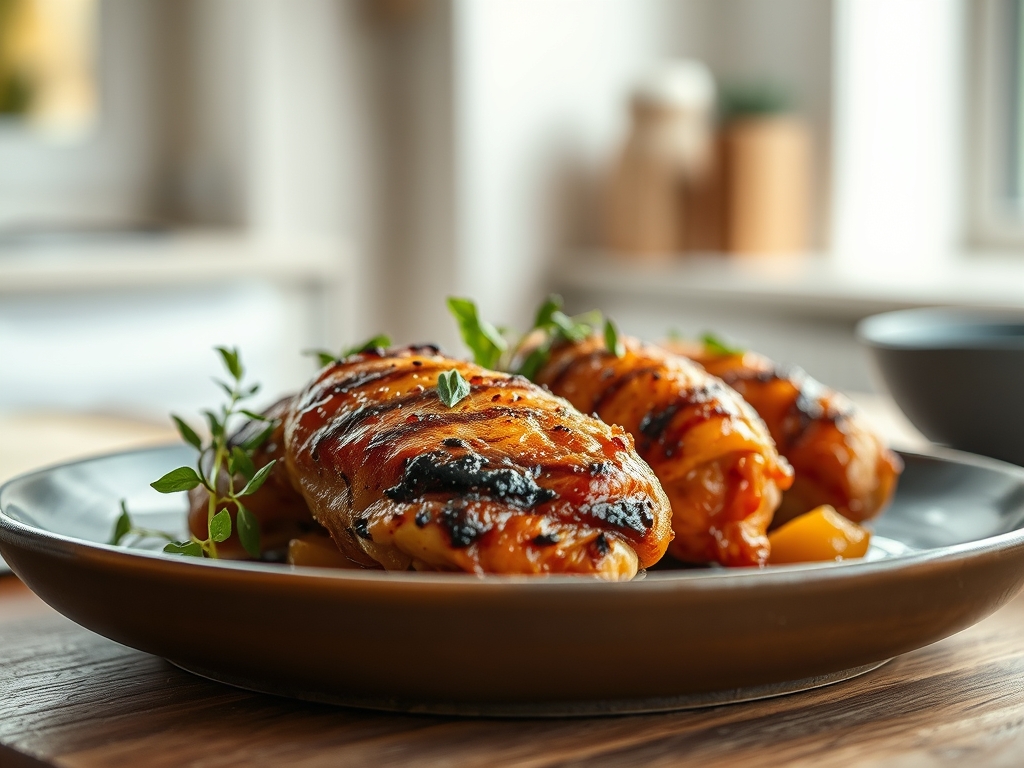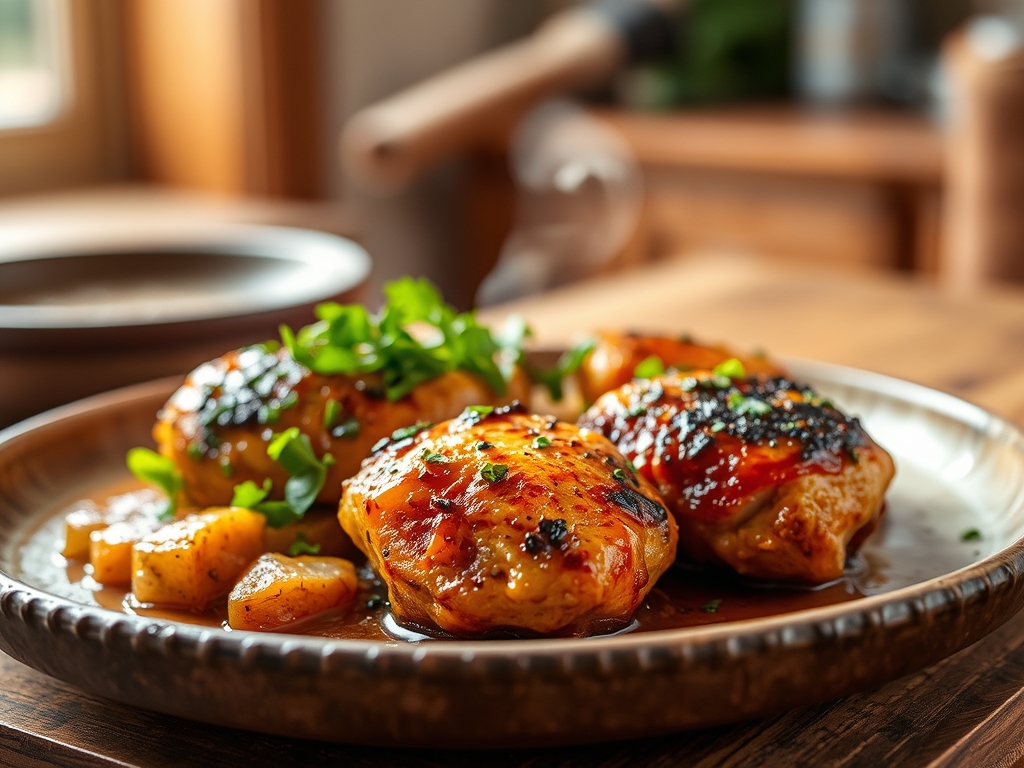
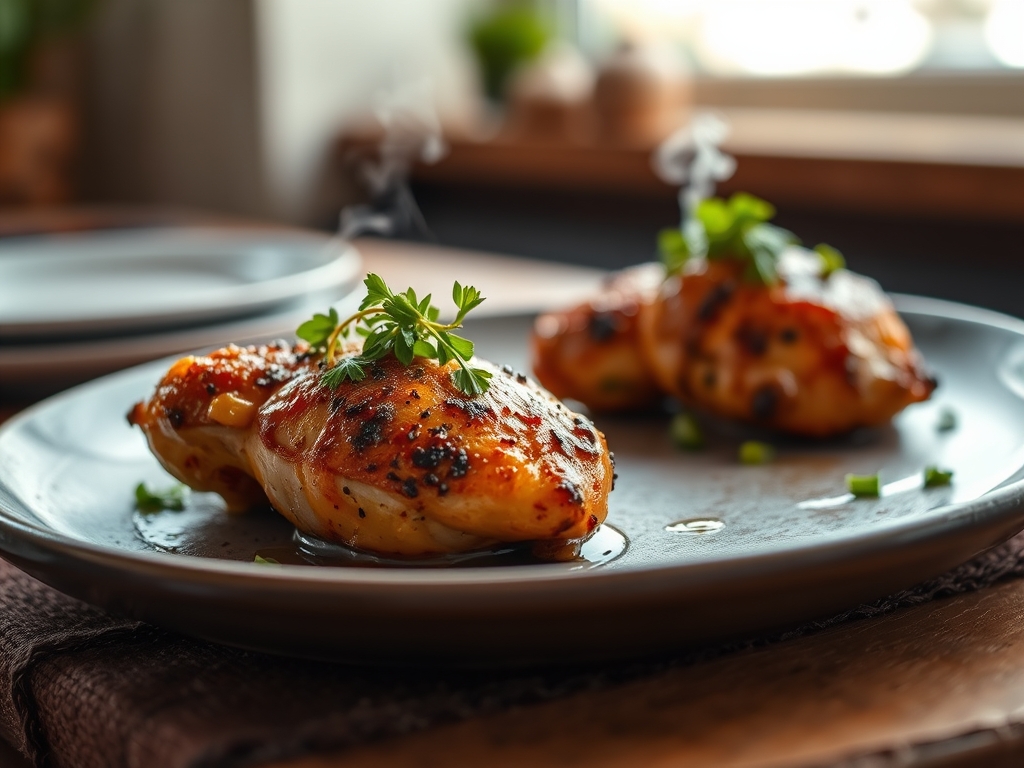
Walking into a party with a lukewarm tray of soggy wings is a culinary tragedy that we are going to avoid today. When you are hunting for the perfect appetizers chicken recipes, you are not just looking for food; you are looking for a structural masterpiece that survives the car ride and the communal table. We want high-impact flavors that trigger the reward centers of the brain while maintaining structural integrity. Whether it is a crispy bite or a savory dip, the goal is a perfect balance of salt, fat, and acid that keeps people hovering around your platter. We are diving into the physics of crunch and the chemistry of seasoning to ensure your contribution is the undisputed star of the spread.
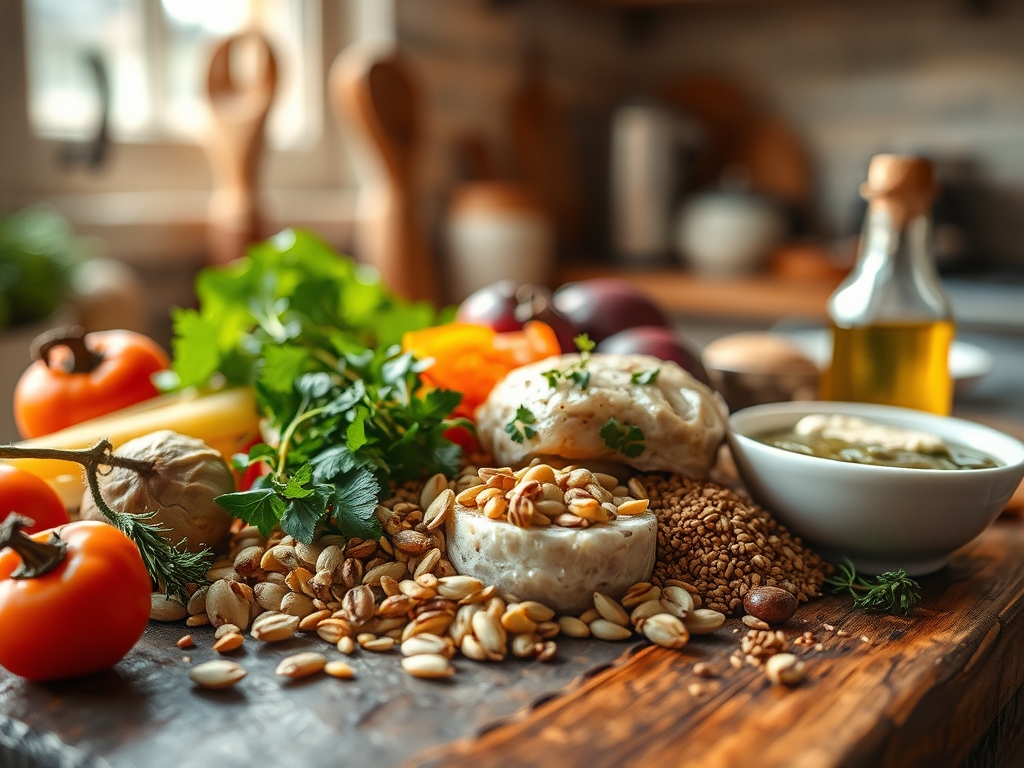
The Gathers:
Before we fire up the range, we must assemble our mise-en-place with precision. Start with high-quality protein; chicken thighs are often superior for potlucks because their higher fat content prevents them from drying out during extended holding times. You will need a heavy-bottomed skillet for even heat distribution and a digital scale to ensure your spice ratios are exact. For our flavor base, we are looking for aromatics like garlic and ginger, which contain sulfur compounds that become sweet and nutty when heated.
Smart Substitutions: If you are out of buttermilk for a marinade, do not panic. You can mimic the acidic profile by adding lemon juice to whole milk; this triggers the denaturation of proteins, ensuring the meat remains tender. If you need a gluten-free binder, crushed pork rinds or almond flour provide a similar crunch to panko without the wheat. Always keep a microplane nearby to zest citrus or grate hard cheeses; the increased surface area allows the essential oils to infuse the dish more effectively than a standard grater ever could.
The Clock
Efficiency in the kitchen is about mastering the "Chef's Flow." For these nine variations, expect a prep time of approximately 40 minutes and a collective cook time of 25 minutes per batch. The secret to success is overlapping tasks. While your chicken is marinating to allow the brine to penetrate the cellular structure, you should be prepping your sauces in a saucier. This specialized pan has rounded edges that prevent whisking "dead zones" where sugars might scorch. By the time your oil reaches the optimal frying temperature of 350 degrees Fahrenheit, your station should be clear and your garnishes should be chopped. This rhythmic approach reduces cortisol and ensures you arrive at the party relaxed rather than frazzled.
The Masterclass
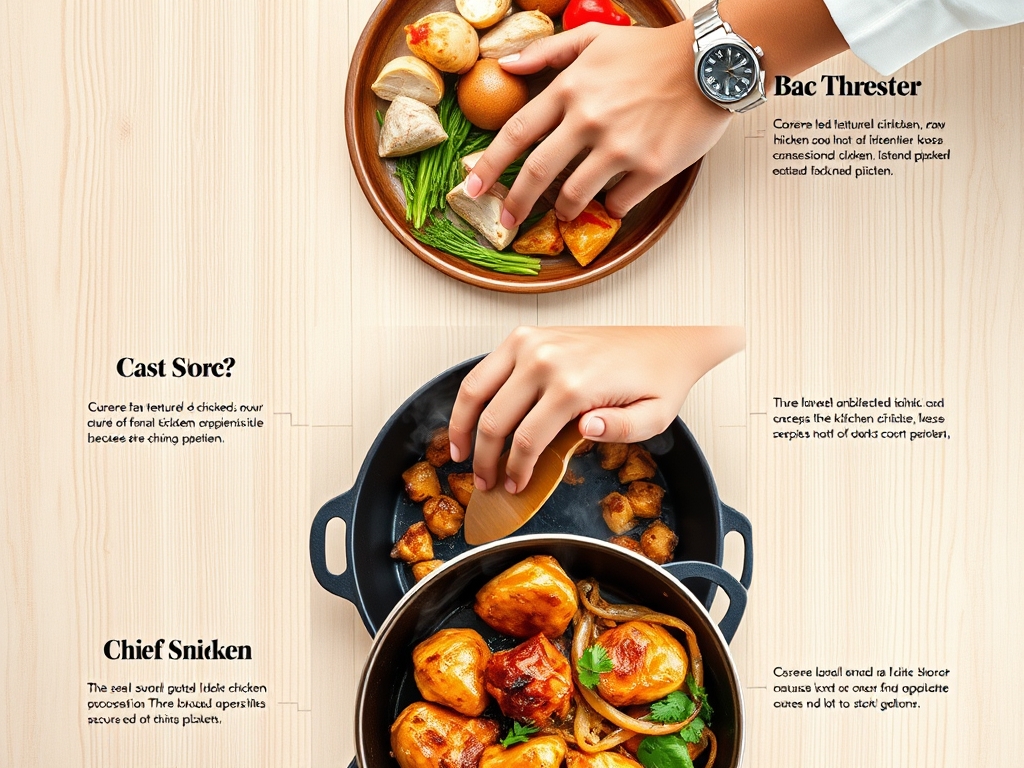
1. The Brine and Prep
Start by submerging your chicken pieces in a 5 percent salt solution. This process, known as osmosis, draws moisture into the muscle fibers, ensuring the meat stays succulent even if it sits on a warming tray for an hour. Use a bench scraper to neatly transfer your prepped aromatics into bowls.
Pro Tip: This stage utilizes the science of protein denaturation. Salt unwinds the tightly coiled proteins, allowing them to trap more water during the cooking process.
2. The Maillard Execution
Heat your skillet until the oil shimmers. Place the chicken in the pan using tongs to avoid splashing. Do not overcrowd the surface; if the temperature drops too low, the meat will steam in its own juices rather than sear. We are looking for a deep, golden-brown crust.
Pro Tip: This is the Maillard Reaction in action. It occurs between amino acids and reducing sugars at temperatures above 285 degrees Fahrenheit, creating hundreds of complex flavor compounds.
3. Deglazing the Fond
Once the chicken is removed, you will see brown bits stuck to the bottom of the pan. This is "fond," and it is concentrated flavor gold. Pour in a splash of dry white wine or chicken stock and use a wooden spoon to scrape the bottom.
Pro Tip: Deglazing uses a solvent to lift caramelized proteins. This creates a viscous sauce base that carries the essence of the meat into your final glaze.
4. Emulsifying the Sauce
Slowly whisk in cold butter or a starch slurry to your deglazed liquid. You want to create a stable emulsion where fat and water are bonded together, resulting in a glossy, coat-the-back-of-the-spoon consistency.
Pro Tip: A successful emulsification prevents the sauce from breaking. This ensures your appetizer looks professional and appetizing for hours.
5. The Final Toss and Garnish
Return the chicken to the pan and toss vigorously to coat. Finish with a burst of acidity from fresh lime or a sprinkle of flaky sea salt. Use a microplane to add fresh herbs or zest at the very last second to preserve the volatile aromatic oils.
Pro Tip: This final step accounts for thermal carryover. The internal temperature will continue to rise about 5 degrees after removal from heat, so pull the chicken at 160 degrees for a perfect 165-degree finish.
The Deep Dive
When we look at the macro nutrition of these appetizers chicken recipes, we are looking at a high-protein, moderate-fat profile. On average, a single serving provides 18 grams of protein and 12 grams of fat. To make these Keto-friendly, swap any honey or sugar in the glazes for allulose or erythritol. For a Vegan twist, king oyster mushrooms provide a remarkably similar fibrous texture to chicken when shredded and seared.
The Fix-It:
- Soggy Coating: This happens when the chicken is covered while hot. Use a wire rack to allow air to circulate, preventing steam from softening the crust.
- Bland Meat: If the interior lacks flavor, your brine time was too short. Inject the marinade directly into the meat for faster results.
- Broken Sauce: If your sauce looks oily, it has "split." Add a teaspoon of warm water and whisk vigorously to re-establish the emulsion.
Meal Prep Science: To reheat these for "day-one" quality, avoid the microwave. The microwave vibrates water molecules, which can turn breading into mush. Instead, use an air fryer or oven at 375 degrees to re-crisp the exterior while gently warming the interior.
The Wrap-Up
Mastering the art of the potluck is all about understanding how ingredients behave under pressure. By focusing on the Maillard reaction, proper brining, and stable emulsions, you transform simple chicken into a culinary event. These nine ideas are not just recipes; they are blueprints for social success. Grab your heavy-bottomed skillet and get to work; your friends are going to be talking about these bites for weeks. Go forth and dominate that snack table with confidence and scientific precision!
The Kitchen Table
How do I keep chicken appetizers crispy at a party?
Place the chicken on a wire rack over a baking sheet rather than a flat plate. This allows air to circulate underneath, preventing steam from trapped heat from softening the breading and ruining the crunch.
Can I prep these chicken recipes a day in advance?
Yes. You can brine and coat the chicken 24 hours early. Store them in a single layer on a parchment-lined tray in the fridge. This actually helps the coating adhere better during the frying process.
What is the safest way to transport hot chicken?
Use an insulated carrier or wrap the dish in foil and then a thick towel. This utilizes thermal mass to keep the food above 140 degrees Fahrenheit, which is the safety threshold for preventing bacterial growth.
Why does my chicken get rubbery when reheated?
Rubbery texture is caused by overcooking the proteins during the second heating phase. To avoid this, reheat at a high temperature for a short duration to crisp the skin without drying out the internal muscle fibers.