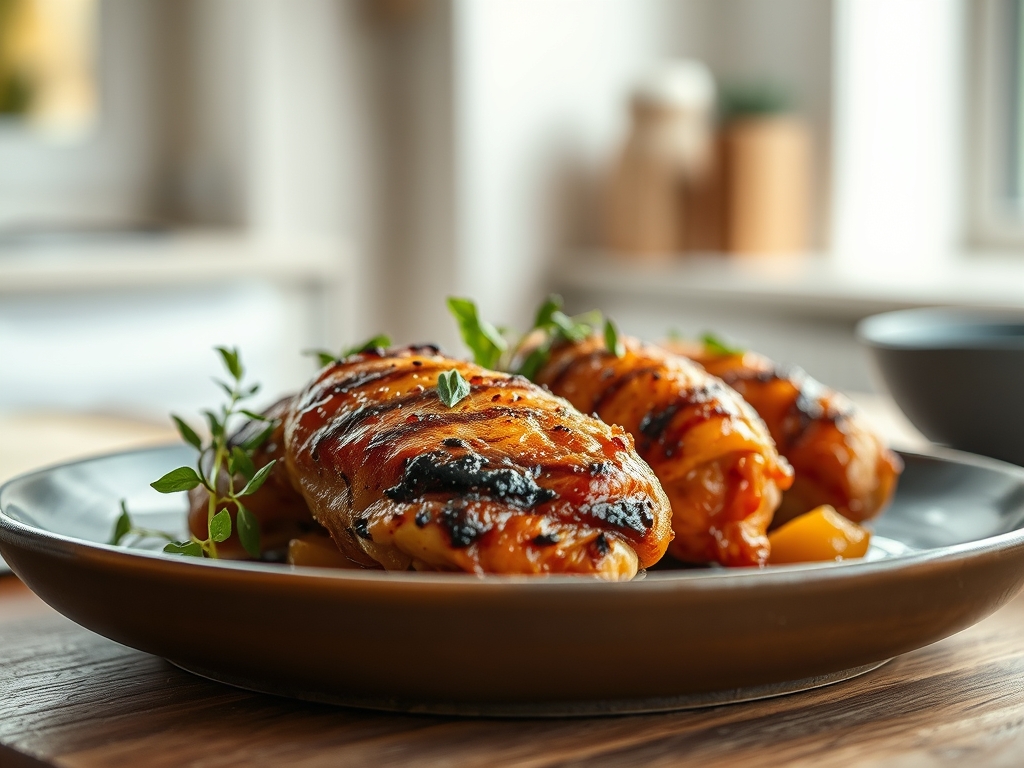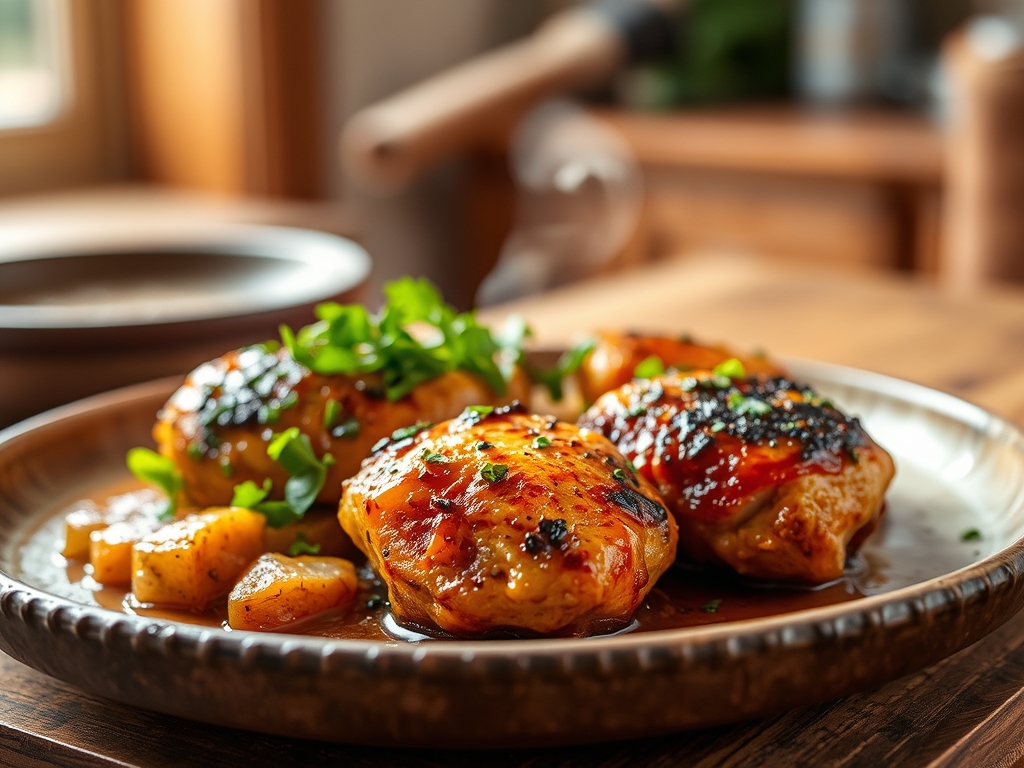
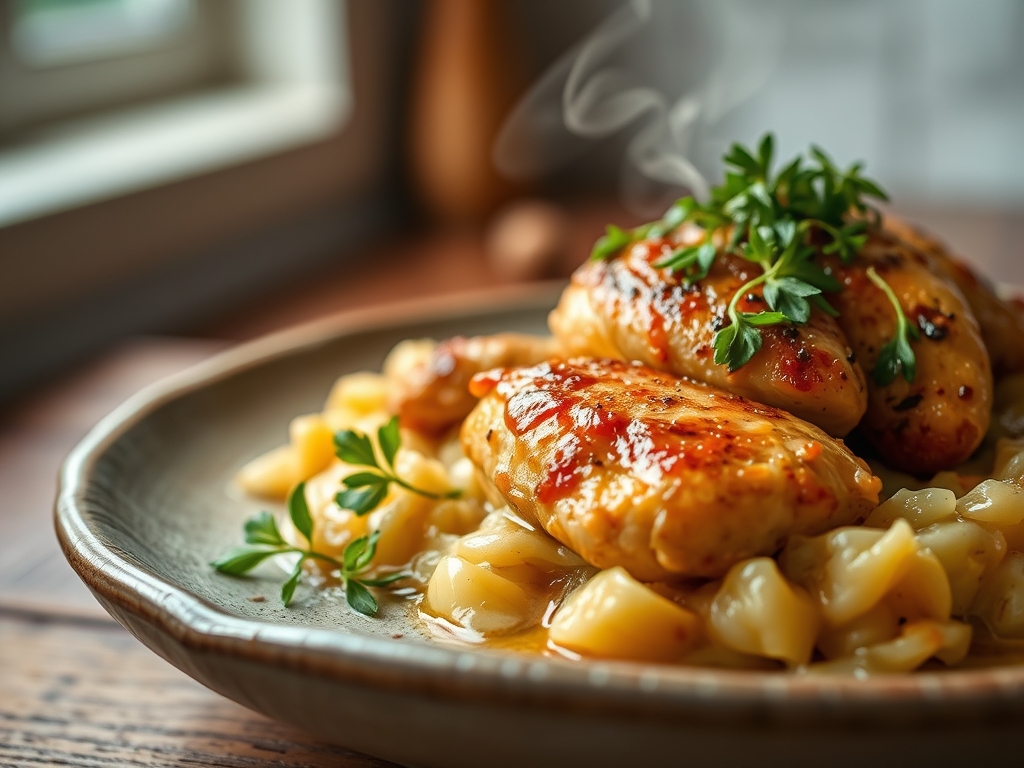
Picture your kitchen at six in the evening. Instead of the frantic clatter of pans or the stress of a ticking delivery app, you are greeted by an aroma so deep and savory it feels like a warm hug. This is the magic of slow cooker chicken recipes low calorie options that do not sacrifice an ounce of flavor for the sake of a deficit. We are talking about tender, pull-apart protein bathed in sauces that have spent eight hours developing complex molecular bonds. It is the ultimate life hack for the modern, health-conscious foodie.
The beauty of these dishes lies in the physics of low and slow heat. When we utilize a ceramic crock, we are engaging in a gentle thermal exchange that breaks down tough connective tissues without the need for excessive fats or oils. You get to be the genius who eats like a queen while maintaining a lean profile. Whether you are craving a piquant Thai curry or a classic Mediterranean braise, these recipes prove that "diet food" is a relic of the past. We are here for high-density nutrition and high-impact flavor.
The Gathers:
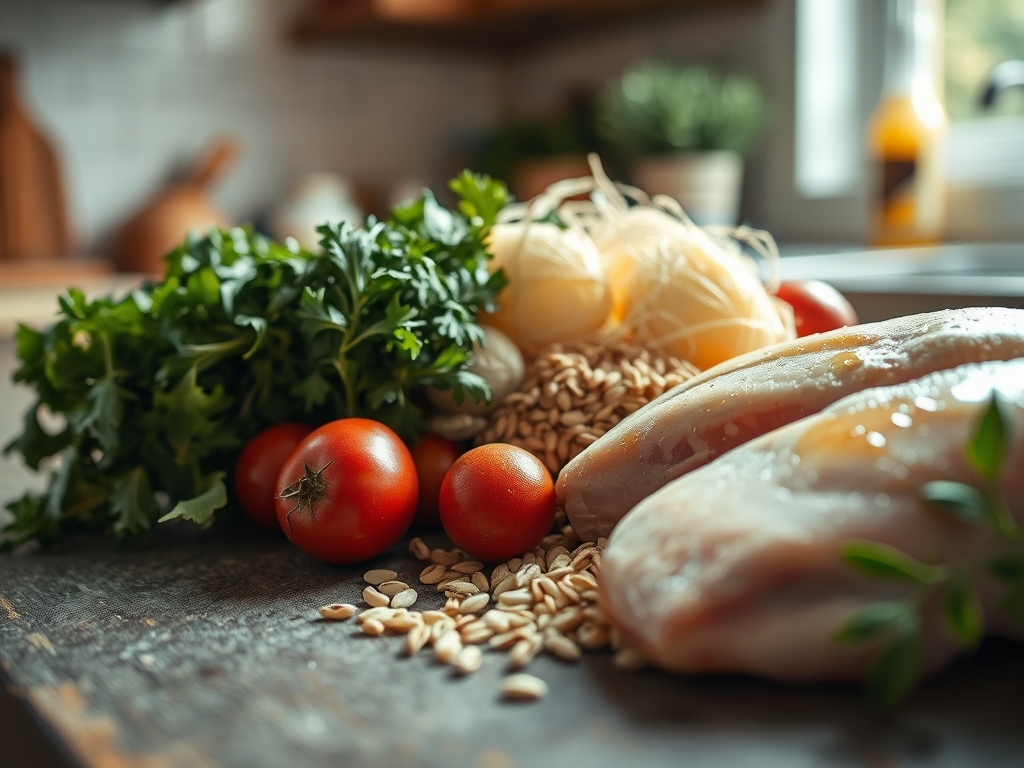
Before we flip the switch, we must master the mise-en-place. To keep things low-calorie, our flavor profile relies on aromatics and acids rather than heavy creams or sugars. Start with your protein; lean chicken breasts or trimmed thighs are the gold standard. You will need a digital scale to ensure precise macro-tracking, as even an extra ounce can shift your caloric totals.
Next, gather your flavor base. We are looking for high-impact ingredients like fresh ginger, garlic, and shallots. Use a microplane to zest citrus and grate aromatics directly into the pot; this ensures the essential oils are captured rather than left on a cutting board. For the liquid component, reach for low-sodium bone broth. It provides a viscous mouthfeel due to its collagen content without the caloric density of oil.
Smart Substitutions are your secret weapon here. Instead of using cornstarch to thicken a sauce, try blending a portion of the cooked vegetables into a puree and stirring it back in. This creates a rich, velvety texture through fiber-based emulsification. Swap out full-fat coconut milk for a combination of light coconut milk and a splash of lime juice to maintain that creamy profile with half the lipids.
The Clock:
The "Chef's Flow" is all about front-loading the effort. Your active prep time should never exceed twenty minutes. This includes the "sear and deglaze" phase if you are feeling extra. While many claim you can just "dump and go," taking five minutes to brown your chicken in a heavy-bottomed skillet before it enters the slow cooker will initiate the Maillard reaction, creating hundreds of new flavor compounds that a slow cooker cannot achieve on its own.
Set your device to "Low" for six to eight hours or "High" for three to four. The science favors the "Low" setting; it allows the muscle fibers to relax slowly, preventing the protein from becoming "stringy" or dry. If you are meal prepping, use a bench scraper to quickly clear your station while the pot does the heavy lifting. You are essentially outsourcing your labor to thermodynamics.
The Masterclass:
1. The Sear and Deglaze
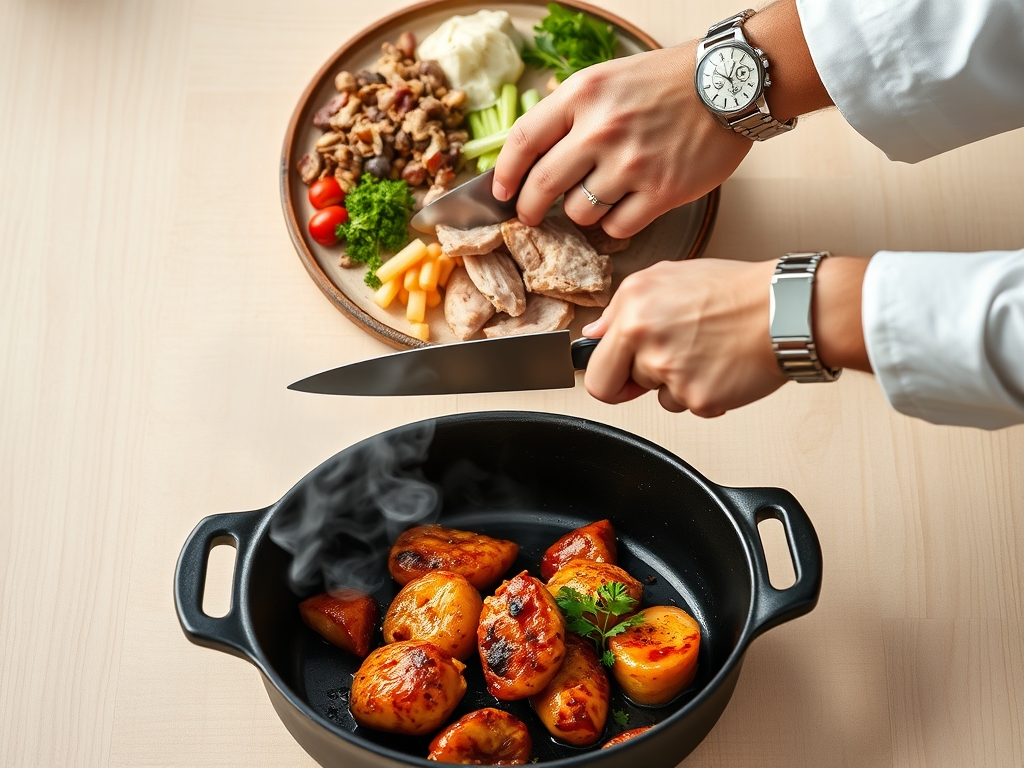
Start by seasoning your chicken generously with salt and pepper. Use a saucier or skillet to brown the exterior. Once the chicken is removed, pour a splash of broth or dry wine into the pan to deglaze, scraping up the brown bits (fond) with a wooden spoon. Transfer every drop of this liquid into the slow cooker.
Pro Tip: This step utilizes enzymatic browning to create depth. Without it, your chicken may taste "boiled" rather than "braised." The fond contains concentrated umami that defines the finished sauce.
2. Layering the Aromatics
Place your hard vegetables like carrots, onions, and celery at the bottom of the pot. These require more direct contact with the heating element to soften. Place the chicken on top, followed by your herbs and spices.
Pro Tip: Heat distribution in a slow cooker is uneven. By placing dense aromatics at the base, you create a flavor-infused steam that rises through the chicken, ensuring the meat is infused with seasoning from the inside out.
3. The Liquid Ratio
Add your liquid until it covers about one-third of the chicken. Do not submerge the meat entirely. As the chicken cooks, it will render its own juices, significantly increasing the liquid volume in the pot.
Pro Tip: Over-hydrating the pot leads to a diluted sauce. Maintaining a lower liquid-to-protein ratio ensures a concentrated, flavorful result that does not require heavy reducers later.
4. The Final Brightening
Ten minutes before serving, stir in "bright" ingredients: fresh herbs, lemon juice, or a splash of vinegar. These volatile compounds break down under long heat, so adding them at the end restores the high notes of the dish.
Pro Tip: Acid acts as a flavor enhancer similar to salt. It cuts through the richness of the slow-cooked meat, creating a balanced profile that keeps the palate engaged without adding calories.
The Deep Dive:
When we look at the macro nutrition of these slow cooker chicken recipes low calorie versions, we are usually hitting a target of 250 to 350 calories per serving with a massive 30 to 40 grams of protein. This high protein-to-calorie ratio is the holy grail of satiety.
For dietary swaps, the transition is seamless. To make a dish Keto, replace root vegetables with cauliflower or radishes. For a Vegan twist, swap the chicken for extra-firm tofu or jackfruit, though you should reduce the cooking time to two hours to avoid total structural collapse. If you are Gluten-Free, simply ensure your broth and spices are certified, as hidden thickeners are common in commercial stocks.
"The Fix-It" Guide:
- The Sauce is Too Thin: Do not reach for flour. Take out two ladles of liquid, whisk in a teaspoon of arrowroot powder, and return it to the pot for fifteen minutes on "High."
- The Chicken is Dry: This usually means you used "High" for too long. Next time, use a digital thermometer to pull the meat at exactly 165 degrees Fahrenheit.
- The Flavor is Dull: Add a teaspoon of fish sauce or Worcestershire sauce. These are umami bombs that provide salt and depth without the need for fat.
Meal Prep Science: To maintain "day-one" quality, cool your chicken rapidly before refrigerating. When reheating, use a damp paper towel over the bowl in the microwave to create a mini-steam chamber. This prevents the protein from undergoing "warmed-over flavor" (WOF), which is caused by lipid oxidation.
The Wrap-Up:
You now have the technical blueprint to turn a simple slow cooker into a high-performance culinary tool. By focusing on the science of flavor extraction and the precision of your tools, you can enjoy these slow cooker chicken recipes low calorie meals every single night. It is about eating smarter, not less. Go grab your tongs, prep your aromatics, and let the ceramic work its magic. Your future self, who is tired after a long day but still wants a gourmet meal, will absolutely thank you.
The Kitchen Table:
Can I put frozen chicken directly into the slow cooker?
No, this is a food safety risk. Frozen meat stays in the "danger zone" (40 to 140 degrees Fahrenheit) for too long, allowing bacteria to multiply. Always thaw your chicken completely in the refrigerator before adding it to the pot.
How do I prevent my chicken from becoming mushy?
Avoid overcooking by using the "Low" setting and a meat thermometer. Once the internal temperature hits 165 degrees, switch the cooker to "Warm." Adding vegetables in stages also helps maintain structural integrity and varied textures in the final dish.
What are the best low-calorie thickeners for sauces?
Pureed vegetables are the best nutritional choice. Alternatively, a small amount of xantham gum or an arrowroot slurry provides a glossy, viscous finish without the caloric load of a traditional butter-and-flour roux or heavy cream additions.
How long does slow-cooked chicken last in the fridge?
Stored in an airtight container, it remains fresh for three to four days. For longer storage, freeze portions in vacuum-sealed bags. This prevents freezer burn and preserves the moisture levels within the protein fibers for better reheating.