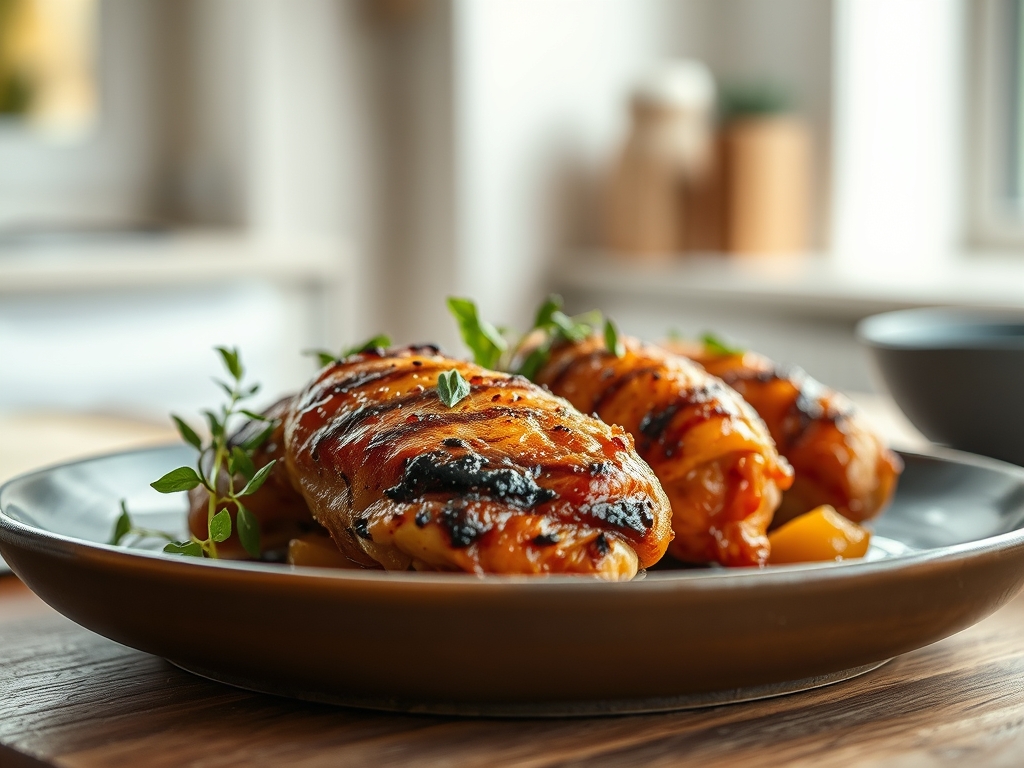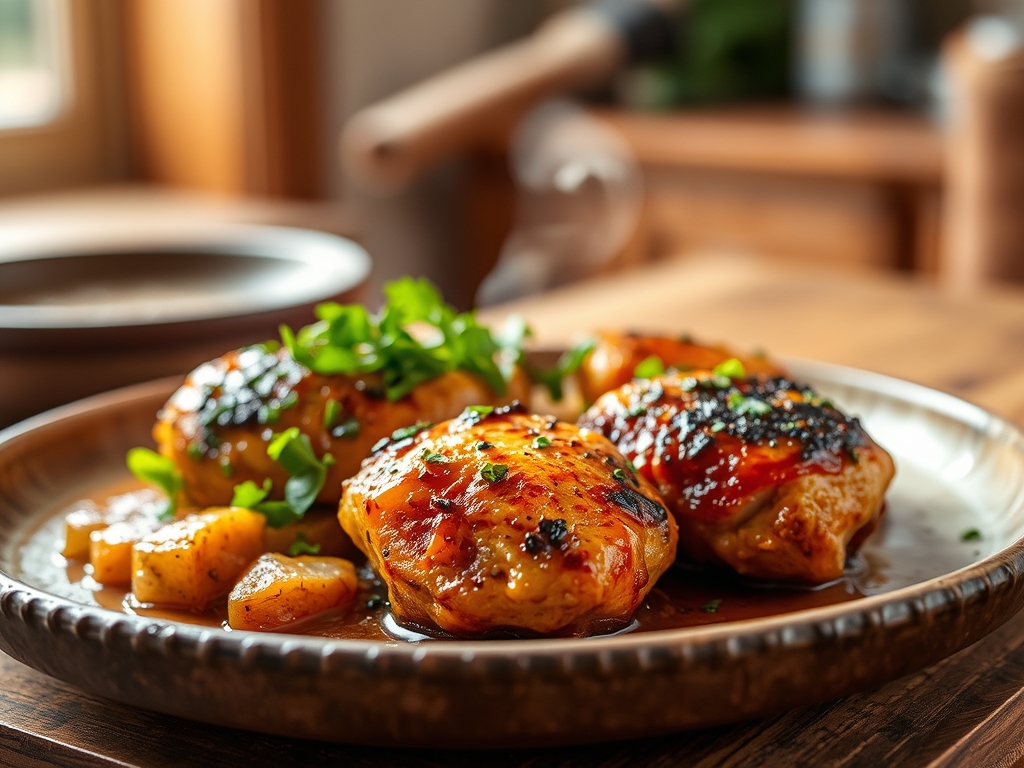
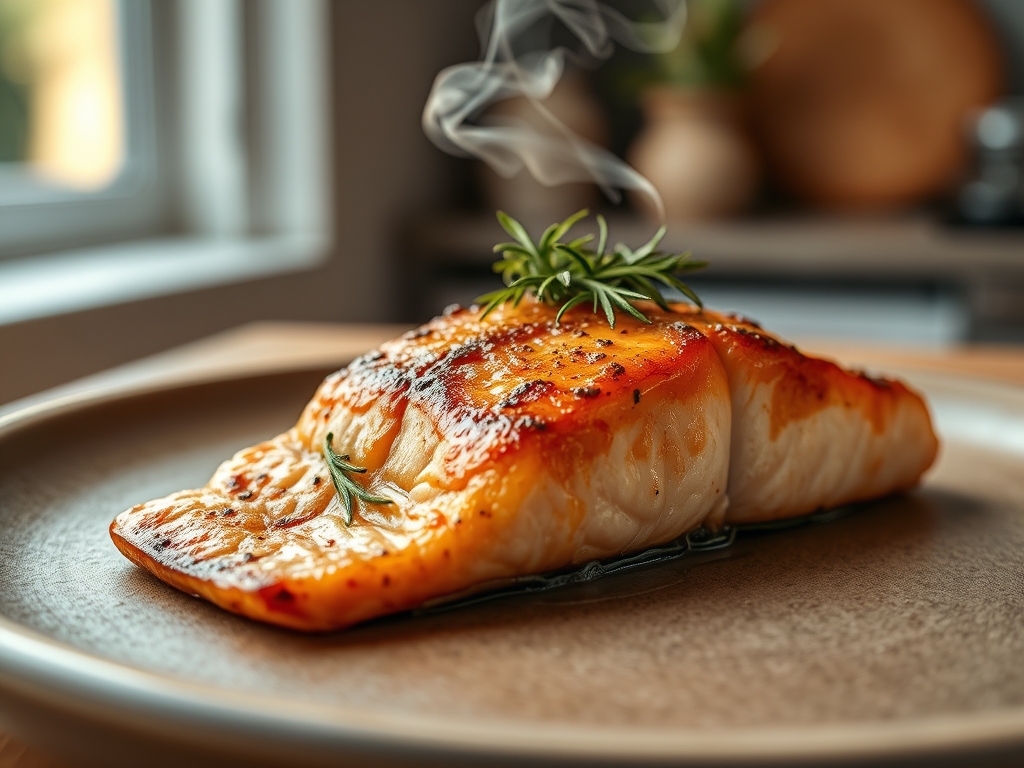
Imagine the scent of caramelized honey and toasted garlic swirling through your kitchen while the sun is still high in the sky. You are tired; you are hungry; you have exactly fifteen minutes before your next commitment. This is the moment where most people settle for a sad bowl of cereal, but you are not most people. You have discovered the transformative power of the air fryer. This machine is not just a glorified toaster oven; it is a high velocity convection chamber capable of turning a cold fillet into a gourmet centerpiece. When you search for quick salmon recipes air fryer, you are looking for more than just speed. You are looking for that specific, elusive texture: a shatteringly crisp exterior that gives way to a buttery, translucent center. Achieving this requires a marriage of thermal physics and high quality fats. We are going to skip the soggy skin and the overcooked rubbery edges. Instead, we will harness rapid air circulation to create a meal that tastes like it took an hour of meticulous basting.
The Gathers:
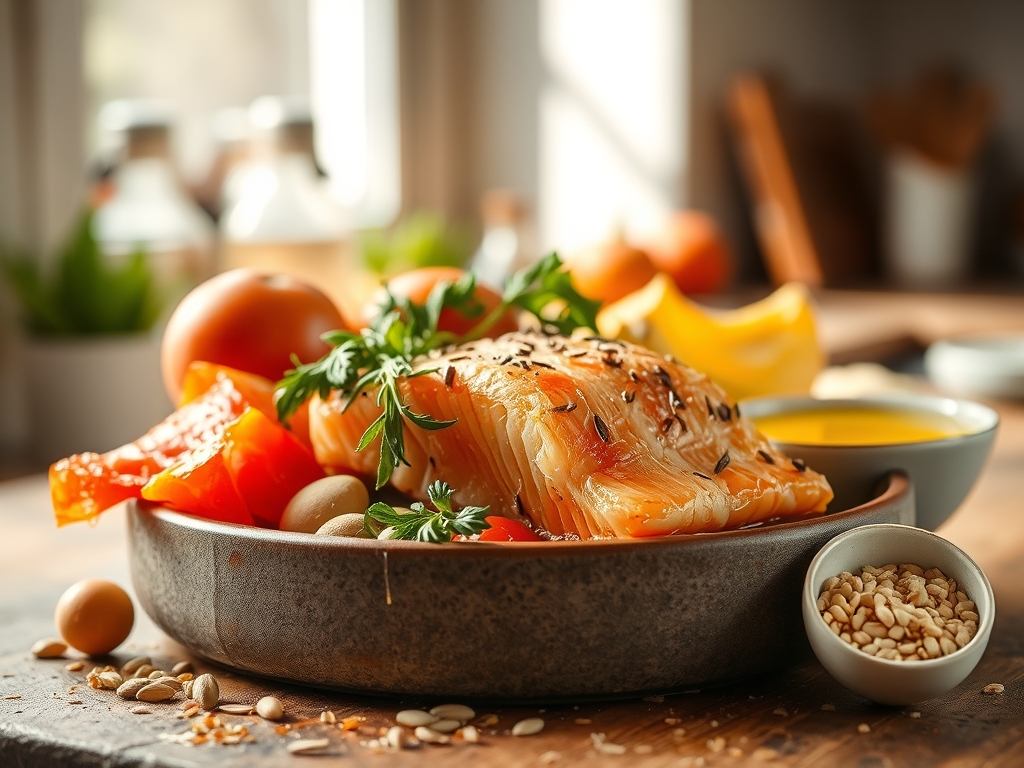
To begin, we must respect the mise-en-place. You will need two six ounce fillets of Atlantic or King salmon. Look for deep pigmentation and firm muscular structure; if the flesh separates easily when raw, the cellular integrity has already begun to fail. For our flavor profile, gather high smoke point fats. I prefer avocado oil because its neutral profile does not compete with the fish, and its high flash point prevents acrid off flavors during the intense convection cycle.
You will also need a microplane for fresh lemon zest and garlic. The fine teeth of a microplane rupture the plant cells more effectively than a knife, releasing a viscous slurry of essential oils and sulfurous compounds. Grab a small saucier or a glass bowl to whisk together your glaze: honey for sugar browning, Dijon mustard as a natural emulsifier, and smoked paprika for a piquant depth.
Smart Substitutions: If you are avoiding honey, a splash of maple syrup offers a similar sugar density for crust formation. For those sensitive to nightshades, swap the paprika for toasted cumin or a pinch of sumac to maintain that earthy complexity without the heat.
The Clock
The beauty of the "Chef's Flow" is the elimination of dead time. Your total active labor is exactly four minutes. The remaining time is spent in the "Passive Phase."
- Prep (4 Minutes): Patting the fish dry, whisking the glaze, and preheating the unit.
- The Blast (8 to 10 Minutes): The actual cook time depends on the thickness of your fillet. A one inch cut usually hits perfection at the nine minute mark.
- The Rest (2 Minutes): This is the most ignored step. Resting allows the internal juices to redistribute. Without it, the moisture escapes the moment your fork hits the plate.
The Masterclass
1. The Desiccation Ritual
The greatest enemy of a crisp crust is surface moisture. Use a heavy duty paper towel to press firmly onto every millimeter of the fish. If the surface is damp, the air fryer must first evaporate that water before it can begin the Maillard reaction.
Pro Tip: This is known as evaporative cooling. By removing surface water, you allow the temperature of the skin to rise rapidly above 285 degrees Fahrenheit, which is the threshold for browning and flavor development.
2. The Emulsion Application
Whisk your oil, mustard, and spices until they are fully integrated. Use a silicone pastry brush to coat the top and sides of the salmon. Ensure the coating is thin and even; a globby application will lead to uneven cooking and "hot spots" where the sugar burns before the protein sets.
Pro Tip: The mustard acts as a surfactant. It bridges the gap between the watery juices of the fish and the fats in the oil, ensuring the glaze sticks to the fillet rather than sliding off into the basket.
3. The Preheated Chamber
Never put your fish into a cold air fryer. Set your device to 400 degrees Fahrenheit and let it run empty for at least three minutes. You want the basket to be radiating heat the moment the salmon touches the metal.
Pro Tip: This mimics the effect of a heavy-bottomed skillet. The initial contact sear prevents the fish from sticking and initiates the rendering of the subcutaneous fat layer immediately.
4. The Convection Blast
Place the fillets in the basket with at least two inches of space between them. If you crowd the basket, you disrupt the airflow and end up steaming the fish instead of frying it. Slide the basket in and resist the urge to peek for at least seven minutes.
Pro Tip: Air fryers rely on the Bernoulli principle of fluid dynamics. High speed air creates a high heat transfer coefficient, cooking the fish significantly faster than a standard oven could ever manage.
5. The Temperature Check
Use a digital thermometer to check the thickest part of the fillet. You are looking for 125 degrees Fahrenheit for a perfect medium rare. The temperature will continue to climb after you remove it from the heat.
Pro Tip: This is called thermal carryover. The residual heat on the surface of the fish continues to move toward the center even after the external heat source is removed. Pulling it early prevents the "chalky" texture of overdone salmon.
6. The Final Infusion
Once the fish is out, hit it with a final grating of fresh lemon zest and a sprinkle of flaky sea salt. The heat from the fish will aerate the citrus oils, sending a bright aroma straight to your senses.
Pro Tip: Salt added at the end provides a structural "crunch" and a localized burst of flavor that does not draw moisture out of the muscle fibers during the cooking process.
The Deep Dive
Macro Nutrition: One serving typically yields 34g of protein and 15g of healthy Omega-3 fats. It is a metabolic powerhouse that supports cognitive function and muscle recovery.
Dietary Swaps: For a Vegan alternative, use this same method on a thick slab of "Tofu Salmon" (pressed extra firm tofu marinated in beet juice and soy). For Keto followers, omit the honey and use a monk fruit sweetener or simply double down on the fats with a compound butter topper.
The Fix-It:
- White Gunk (Albumin): If you see white liquid seeping out, you cooked it too fast or too high. It is just protein, but it means the muscle fibers contracted too violently. Lower the temp by 10 degrees next time.
- Soggy Bottom: You likely skipped the preheat. Ensure the basket is hot before the fish goes in.
- Burnt Glaze: If your honey glaze is blackening, your salmon is likely too close to the heating element. Move it to a lower rack if your air fryer allows.
Meal Prep & Reheating: To maintain "day-one" quality, do not microwave your leftovers. The microwave vibrates water molecules, turning your salmon into a rubber ball. Instead, put it back in the air fryer at 320 degrees for 3 to 4 minutes. This gently re-activates the fats without overcooking the protein.
The Wrap-Up
You now hold the keys to the most efficient, high performance dinner in your repertoire. By understanding the physics of airflow and the chemistry of the Maillard reaction, you have moved beyond basic "quick salmon recipes air fryer" searches and into the realm of culinary mastery. This dish is fast enough for a Tuesday but sophisticated enough for a Friday night date. Now, grab those tongs, fire up the machine, and go claim your perfectly seared reward.
The Kitchen Table
How long do I cook salmon in the air fryer?
Cook six ounce fillets at 400 degrees Fahrenheit for 8 to 10 minutes. The internal temperature should reach 125 degrees for medium rare. Always allow two minutes of resting time for the juices to settle before serving.
Do I need to flip the salmon?
No flipping is required. The high velocity fans in an air fryer circulate heat around the entire fillet simultaneously. Flipping often breaks the delicate skin and ruins the presentation. Keep it skin side down for the best structural integrity.
Can I cook frozen salmon in the air fryer?
Yes, though the texture is slightly better when thawed. Increase the cook time to 12 to 15 minutes at 380 degrees. Ensure you season the fish halfway through the cycle once the surface has thawed enough for spices to adhere.
Why is my air fryer salmon dry?
Dryness is caused by overcooking and the loss of internal moisture. Use a digital thermometer to pull the fish at 125 degrees. Remember that thermal carryover will finish the cooking process while the fish rests on your plate.