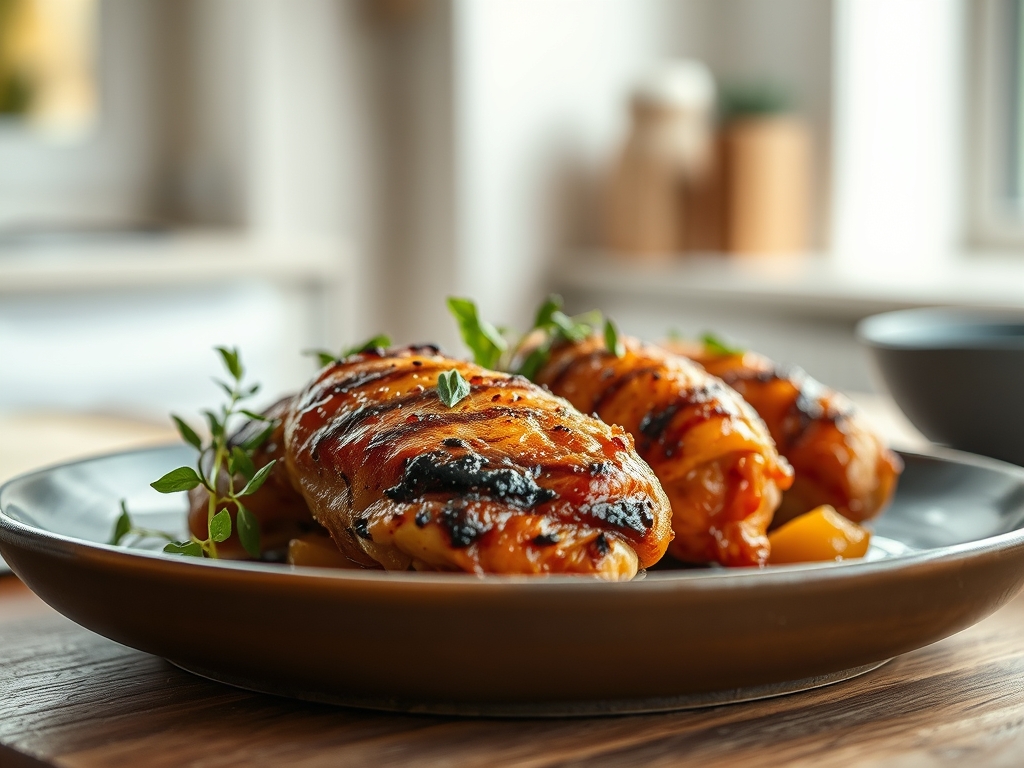
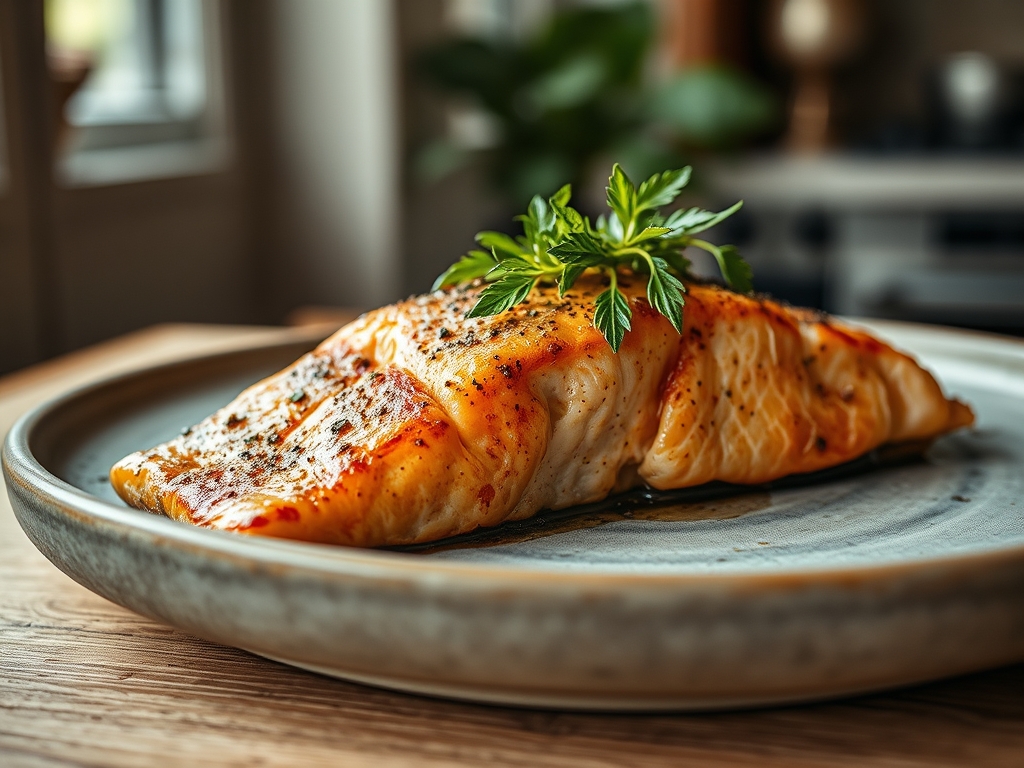
Imagine the cold, glacial waters of the Gulf of Alaska; it is here that the king of fish prepares for its epic journey. When you bring home a fillet of this vibrant, ruby red treasure, you are holding the gold standard of the culinary world. Finding the perfect baked copper river salmon recipes is about more than just dinner; it is about honoring a seasonal miracle that only happens once a year. The fat content in these fish is legendary because they need massive energy reserves to swim upriver. This means when we apply heat, that intramuscular fat renders into a silky, buttery texture that practically dissolves on your tongue. We are going to treat this fish with the reverence it deserves while using a few clever hacks to ensure every bite is restaurant quality. Forget dry, flaky fish of the past. Today, we are mastering the art of the gentle bake, utilizing moisture control and thermal precision to create a masterpiece that looks as good as it tastes.
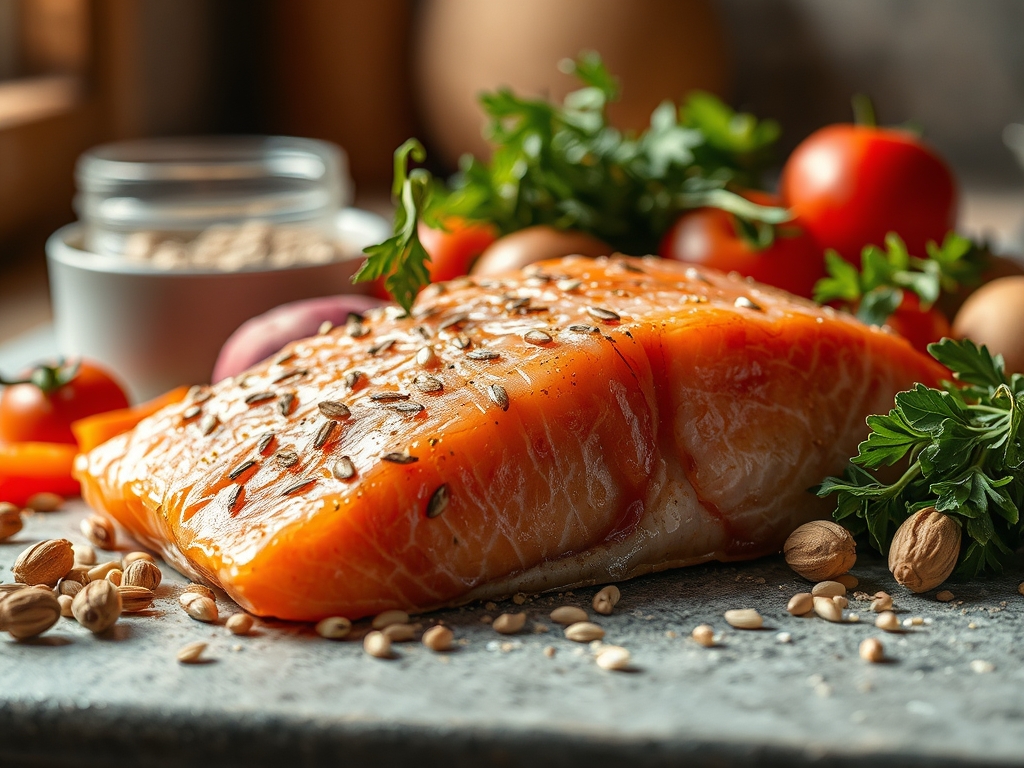
The Gathers:
Before we touch the heat, we must assemble our mise-en-place with surgical precision. Start with a center-cut Copper River Sockeye or King fillet, ideally weighing about 1.5 pounds. You will need high-quality fats; choose an unsalted European-style butter for its lower water content or a viscous cold-pressed avocado oil. For the aromatics, gather fresh dill, flat-leaf parsley, and a single shallot. Use your microplane to zest a Meyer lemon, which offers a sweeter, more floral profile than the standard grocery store lemon. You will also need flaky sea salt and cracked white peppercorns for a cleaner heat.
Smart Substitutions: If you cannot find Meyer lemons, use a mix of regular lemon zest and a tiny pinch of sugar to mimic the acidity profile. For a dairy-free version, swap the butter for a high-quality ghee; it provides the same nutty depth without the milk solids that can burn at higher temperatures. If fresh dill is unavailable, fennel fronds provide a similar herbaceous note with a subtle anise finish that complements the rich oils of the salmon perfectly.
The Clock:
Efficiency in the kitchen is all about the Chef's Flow. This entire process takes exactly 35 minutes from fridge to table. You will spend 10 minutes on prep: cleaning the fish, zesting the citrus, and finely mincing your herbs with a sharp chef's knife. The actual bake time is a swift 12 to 15 minutes, depending on the thickness of your fillet. The final 10 minutes are the most critical; this is the resting phase where the internal juices redistribute. Do not rush this. While the fish rests, you can use your saucier to whisk together a quick pan sauce or a bright gremolata.
The Masterclass:
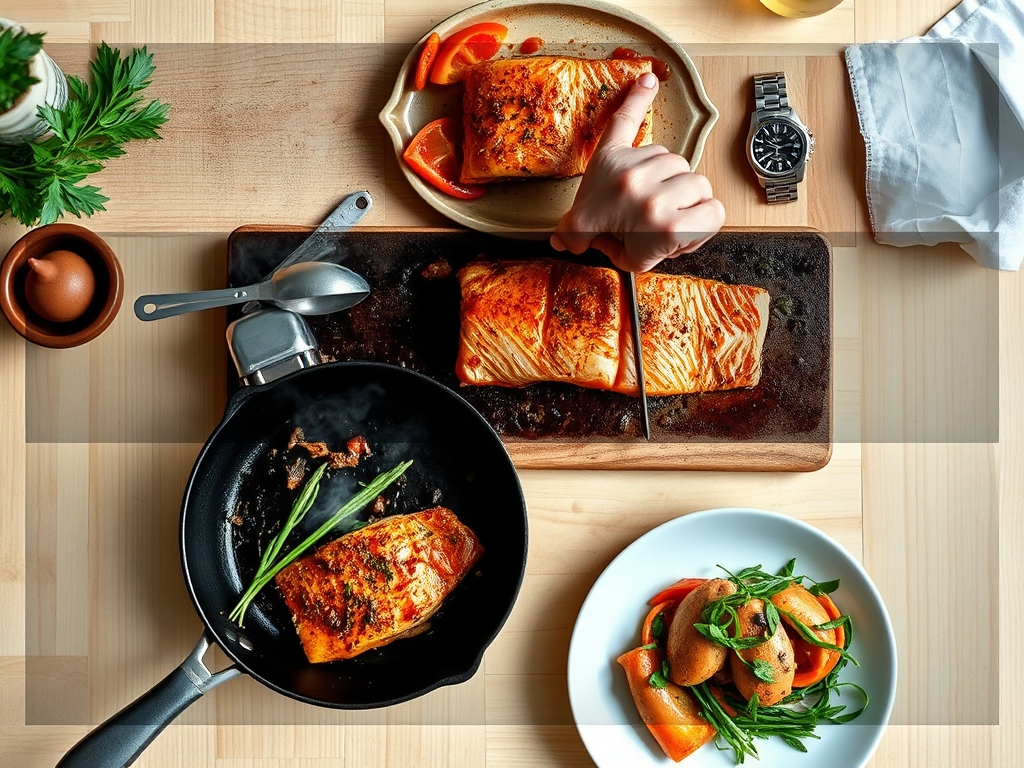
1. The Tempering Technique
Take your salmon out of the refrigerator 20 minutes before cooking. Pat it dry with paper towels until the skin feels like parchment. Removing surface moisture is the only way to prevent the fish from steaming in its own juices.
Pro Tip: Tempering prevents thermal shock. If you put ice-cold fish into a hot oven, the outer muscle fibers contract violently and squeeze out the albumin (that white gunk), leaving the fish dry.
2. The Seasoning Layer
Use a digital scale to measure your salt if you want to be precise; 1% of the fish's weight is the golden ratio. Sprinkle the salt from high above to ensure even distribution. Apply your lemon zest and a thin layer of oil to act as a heat conductor.
Pro Tip: Salt acts as a denaturant. By salting early, you allow the salt to penetrate the protein structure, which helps the fish retain more moisture during the baking process.
3. The Low and Slow Approach
Set your oven to 325 degrees Fahrenheit. Place the salmon on a parchment-lined heavy-rimmed baking sheet. This lower temperature ensures the delicate fats do not oxidize or turn acrid, preserving the piquant sweetness of the Copper River variety.
Pro Tip: Lower temperatures prevent the rapid coagulation of proteins. This results in a "custard-like" texture rather than a firm, rubbery one.
4. The Aromatics Infusion
Halfway through the bake, place thin slices of cold butter and your fresh herbs directly on top of the fillet. As the butter melts, it will infuse the flesh with the herbal oils and create a self-basting mechanism.
Pro Tip: This is a form of fat-washing. The lipids in the butter carry the fat-soluble flavor compounds from the herbs deep into the salmon's flakes.
5. The Internal Check
Use a digital probe thermometer to check the thickest part of the fish. You are looking for 125 degrees Fahrenheit for a perfect medium-rare. The fish will continue to rise in temperature once removed from the heat.
Pro Tip: This is known as thermal carryover. The residual heat on the surface continues to move toward the center even after the fish is out of the oven.
6. The Rest and Finish
Transfer the salmon to a warm platter using a wide fish spatula. Cover it loosely with foil. Let it sit for at least five minutes before serving. This allows the protein fibers to relax and reabsorb the rendered fats.
Pro Tip: Resting allows the viscous juices to thicken slightly, ensuring they stay inside the fish when you finally flake it with a fork.
The Deep Dive:
Copper River salmon is a nutritional powerhouse, boasting higher levels of Omega-3 fatty acids than almost any other fish on the planet. A 6-ounce serving provides roughly 35 grams of high-quality protein and a significant dose of Vitamin D and B12. For those following a Keto lifestyle, this fish is a dream due to its natural fat-to-protein ratio. If you are Vegan, you can apply these same aromatic roasting techniques to a thick "steak" of cauliflower or a large King Oyster mushroom to mimic the savory depth.
The Fix-It:
- White Albumin Leaking: This means your oven was too hot or the fish was too cold. Next time, lower the temp and ensure the fish is room temperature.
- Soggy Skin: You didn't dry the skin enough. Use a bench scraper to squeegee moisture off the skin before oiling.
- Uneven Cooking: If your fillet has a very thin tail, fold it under itself to create a uniform thickness across the entire piece.
Meal Prep Science: To reheat salmon without ruining it, avoid the microwave. Place it in a cold oven, set it to 275 degrees, and remove it the moment the oven reaches temperature. This gentle "re-warming" prevents the fats from breaking and keeps the texture supple.
The Wrap-Up:
Mastering baked copper river salmon recipes is a rite of passage for any serious home cook. By focusing on moisture retention, temperature control, and high-quality aromatics, you transform a simple piece of protein into a luxurious experience. Remember to trust your tools; use that thermometer and give the fish the rest it needs. Now, pour yourself a glass of crisp Pinot Noir, gather your favorite people, and enjoy the fleeting, buttery magic of the Copper River season. You have officially leveled up your kitchen game!
The Kitchen Table:
How do I know when the salmon is done without a thermometer?
Gently press the top of the fillet with a finger or spoon. If the flakes begin to separate or "give" easily under light pressure, the fish is done. The center should still look slightly translucent and moist.
Why is Copper River salmon so much more expensive?
The price reflects the limited season and the extreme physical effort these fish exert. Their high fat content, necessary for the long swim, creates a superior flavor and texture that cheaper, farmed varieties simply cannot replicate.
Can I bake the salmon directly from frozen?
It is not recommended for Copper River quality. Thawing allows for even heat distribution. If you must, use a very low temperature and expect a loss in that signature buttery texture as the ice crystals damage the cell walls.
What is the best way to store leftover cooked salmon?
Wrap it tightly in plastic wrap or an airtight glass container to prevent oxidation. Consume within two days. For the best texture, serve leftovers cold over a salad rather than reheating to avoid drying out the delicate fats.