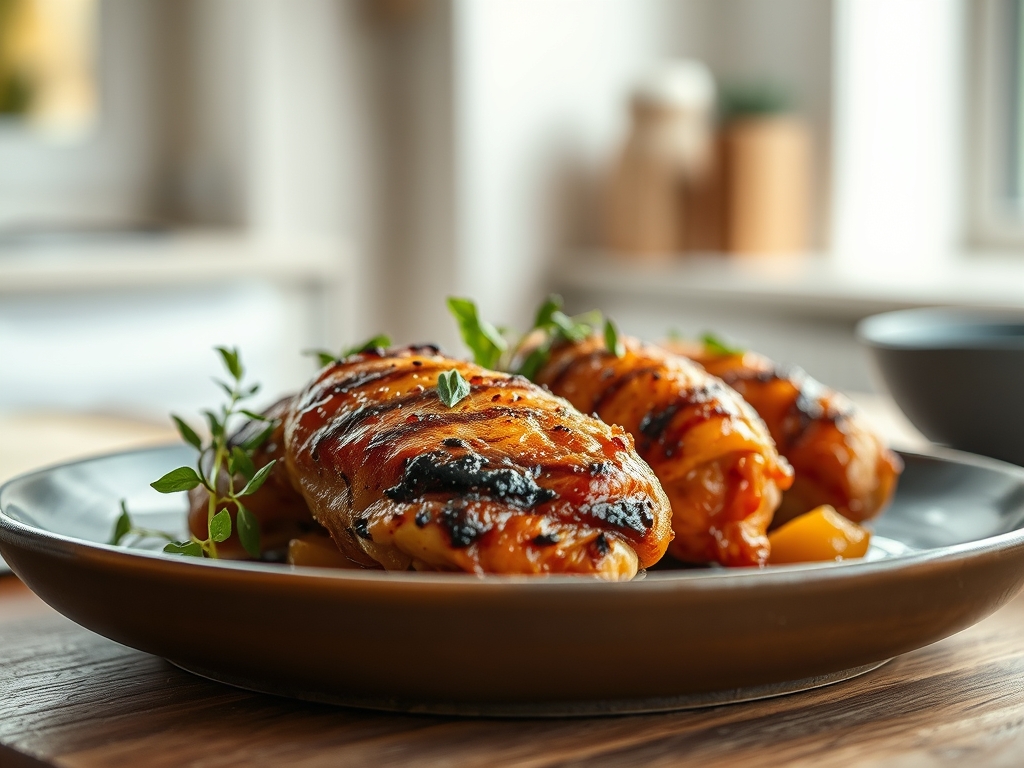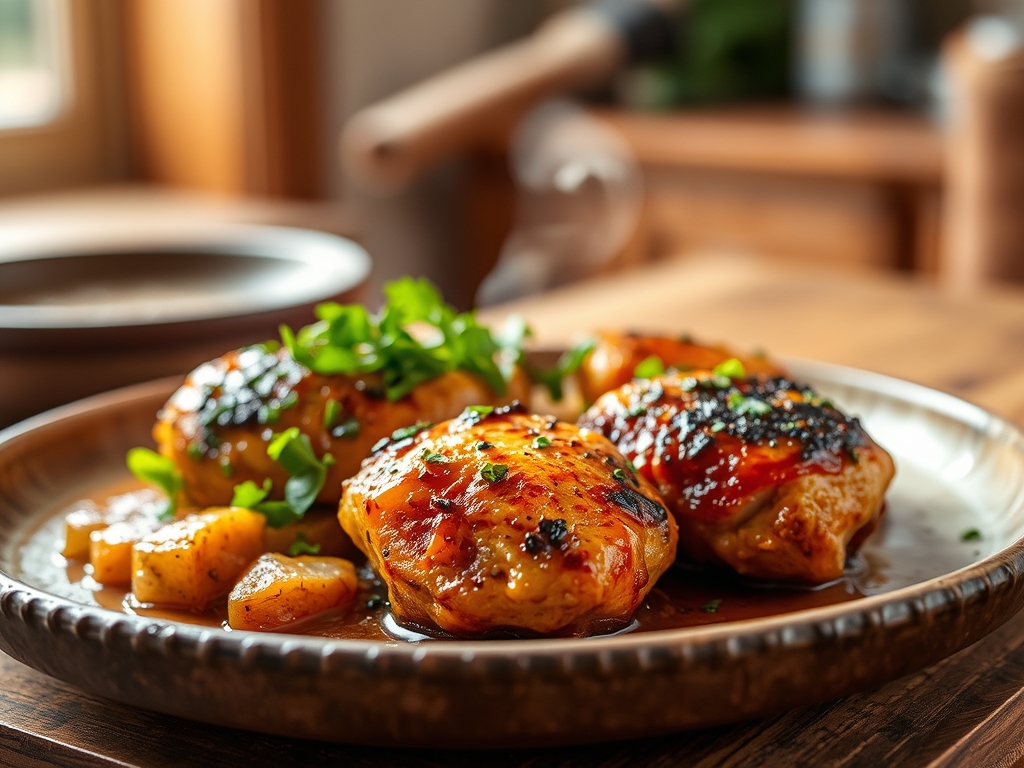
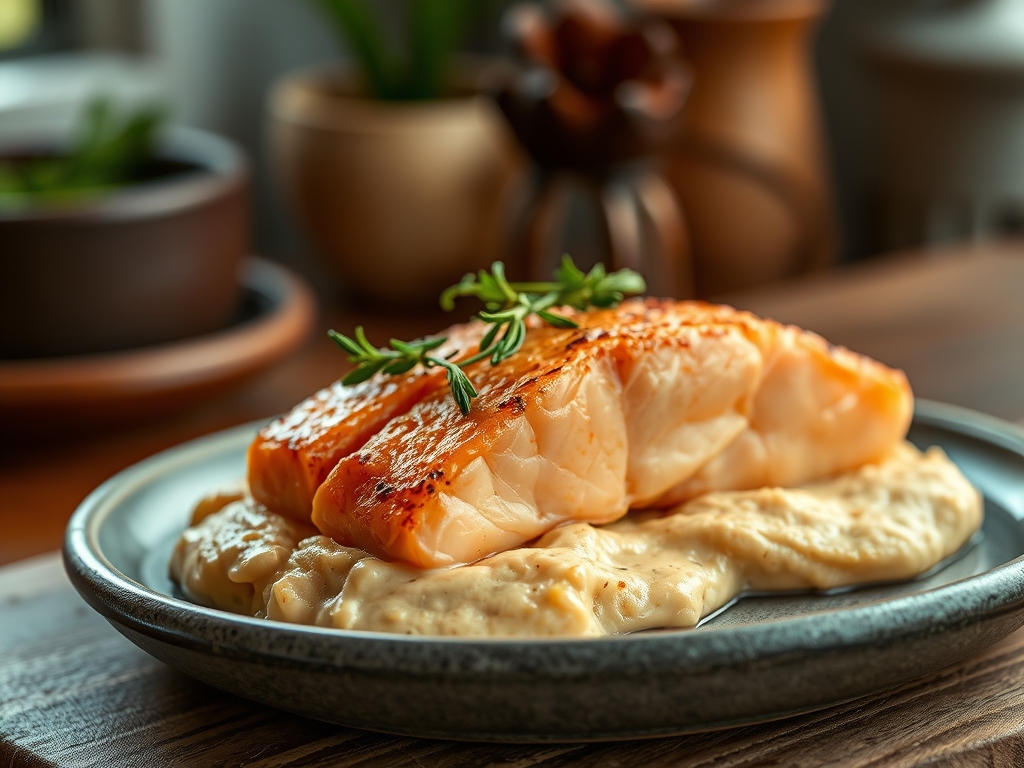
Imagine a texture so velvety it rivals a silk ribbon; now imagine that same bite carrying the rich; briny depth of a wild-caught sockeye. Mastering pureed salmon recipes is not just about utility or dietary necessity; it is a high-stakes lesson in lipid emulsification and thermal precision that transforms a humble fillet into a five-star mousse. Whether you are aiming for a sophisticated amuse-bouche or a nutrient-dense recovery meal; the goal is a gloss that reflects the light.
Most home cooks approach pureeing with a sense of dread; fearing a grainy or metallic result that feels more like cafeteria sludge than culinary art. We are moving past that today. By understanding how proteins uncoil and how fats bind at a molecular level; we can create a dish that is both piquant and incredibly soothing. This is about the marriage of science and soul; where a heavy-bottomed skillet meets a high-speed blender to create something truly transcendent. Let us roll up our sleeves and dive into the mechanics of the perfect silk-finish salmon.
The Gathers:
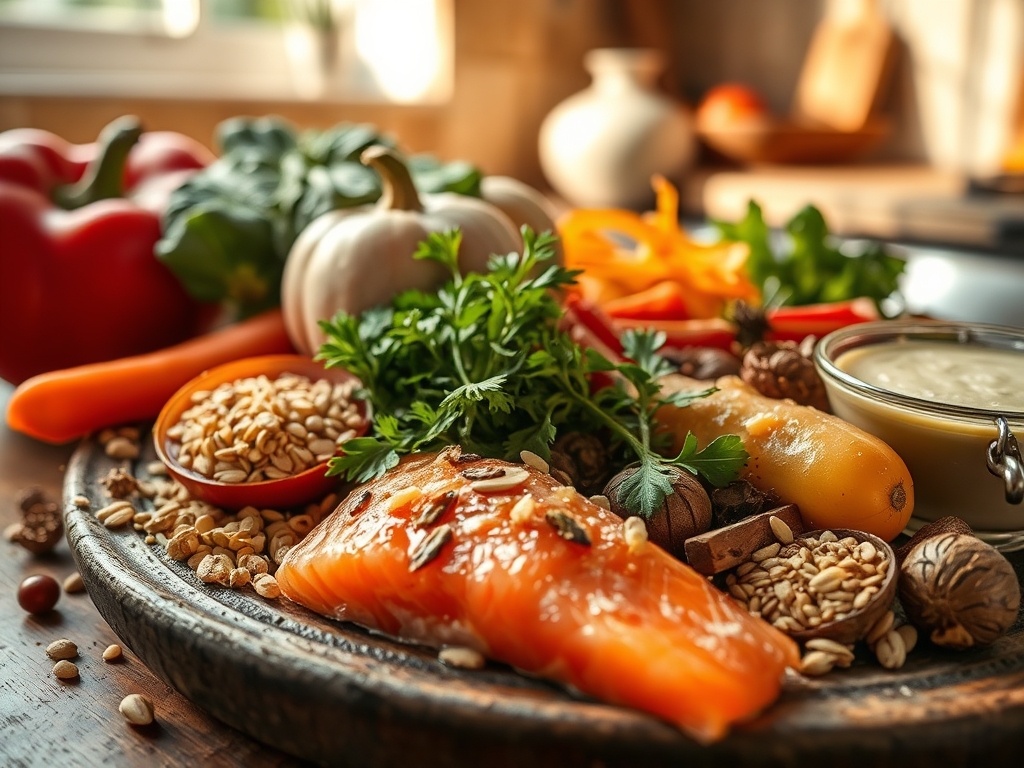
To begin our mise-en-place; we need to respect the raw materials. Start with a digital scale to ensure your ratios are exact; as the difference between a viscous puree and a runny soup is often just ten grams of liquid. You will need one pound of skinless salmon fillets; preferably center-cut to ensure uniform fat distribution. For the aromatic base; gather shallots; fresh dill; and a lemon for zesting with your microplane.
The secret to the "Chef's Finish" lies in your fats. Have high-quality unsalted butter or a heavy coconut cream ready at room temperature. We are looking for an emulsion; so temperature parity between your salmon and your fat source is non-negotiable. For the liquid component; a chilled seafood stock or a dry white wine for deglazing will provide the necessary acidity to cut through the heavy lipids.
Smart Substitutions: If you are avoiding dairy; avocado oil provides a similar mouthfeel due to its high monounsaturated fat content. If salmon is too bold for your palate; arctic char offers a milder profile while maintaining the same structural integrity when aerated. Always keep a bench scraper nearby to keep your station pristine as you prep your aromatics.
The Clock
Efficiency in the kitchen is about the Chef's Flow; which is the art of overlapping tasks to maximize flavor development. Your total active time will be approximately 15 minutes; with a 10-minute cooling window.
- Prep (5 Minutes): Cubing the salmon and mincing aromatics.
- The Render (6 Minutes): Searing the salmon to develop flavor without drying the interior.
- The Aeration (4 Minutes): High-speed blending and emulsifying.
The "Flow" dictates that you should be heating your saucier while you cube the fish. Never wait for one task to end before starting the next; the residual heat of the pan is a ticking clock that you must utilize for the deglazing phase.
The Masterclass
1. The Precision Cube
Using a sharp chef's knife; dice your salmon into uniform one-inch cubes. Uniformity ensures that every piece reaches the same internal temperature simultaneously. Use your tongs to arrange them on a tray; ensuring they are patted dry with a paper towel to remove surface moisture.
Pro Tip: This prevents the "steaming" effect. By removing surface water; you allow the Maillard reaction to occur more rapidly; creating complex flavor compounds that a wet fillet simply cannot produce.
2. The Controlled Sear
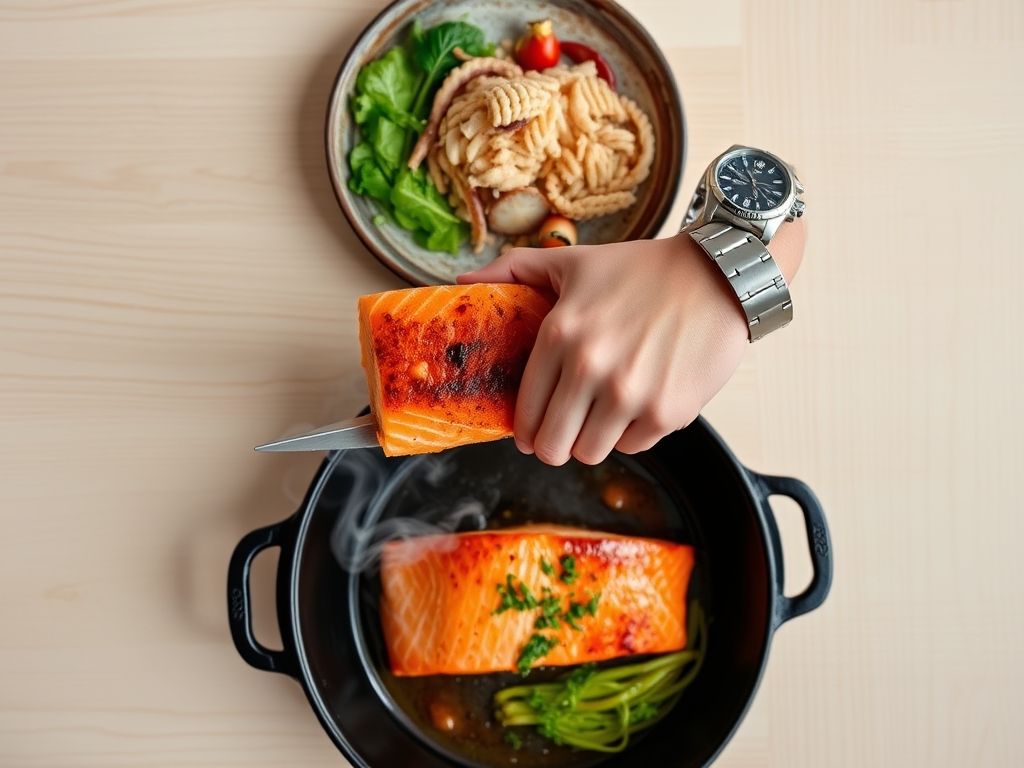
Heat a heavy-bottomed skillet over medium-high heat. Add a high-smoke-point oil and sear the salmon cubes for only 60 seconds per side. We are not looking for a full cook-through; we want a golden crust and a translucent; tender center.
Pro Tip: This utilizes thermal carryover. The salmon will continue to cook once removed from the heat; ensuring the proteins remain supple and easy to break down during the blending phase rather than becoming rubbery.
3. Deglazing the Fond
Remove the fish and immediately toss in your minced shallots. Once translucent; pour in two tablespoons of white wine or stock. Use a wooden spoon to scrape the browned bits (the fond) from the bottom of the pan.
Pro Tip: This process is called deglazing. It captures the concentrated proteins and sugars stuck to the pan; incorporating them back into the liquid base for a deeper; more savory profile in your final puree.
4. The First Blitz
Transfer the salmon and the deglazing liquid into a high-speed blender. Pulse five times to break the large fibers. Note the texture in the step-by-step photos below; it should look chunky but moist at this stage.
Pro Tip: Pulsing prevents the blades from generating too much friction heat; which can denature the proteins prematurely and lead to a grainy texture.
5. The Emulsion Phase
With the blender running on low; slowly stream in your room-temperature butter or cream. This is where the magic happens. The blades will shear the fat into tiny droplets that are then trapped by the salmon proteins.
Pro Tip: This creates a stable emulsion. If you add the fat too quickly; the mixture will "break" and become greasy. Slow integration ensures a light; aerated finish.
6. The Acid Brightener
Add your lemon zest and a squeeze of fresh juice. The acidity acts as a chemical "highlighter" for the fats. Give it one final high-speed whirl for 30 seconds until it looks like soft-serve ice cream.
Pro Tip: Acidity balances the pH levels of the dish; which physically tightens the protein structures and makes the flavors pop on your taste buds.
The Deep Dive
When we look at the macro nutrition of pureed salmon recipes; we are talking about a powerhouse of Omega-3 fatty acids and high-quality bioavailable protein. A standard serving provides roughly 25g of protein and a significant dose of Vitamin D.
Dietary Swaps:
- Vegan: While "salmon" is the star; you can mimic the texture using soaked cashews and a drop of liquid smoke; though the nutritional profile will shift toward fats.
- Keto: This recipe is naturally keto-friendly; just ensure your "filler" liquid is heavy cream or bone broth rather than a sugary wine.
- Gluten-Free: Naturally GF; just double-check your stock labels for hidden thickeners.
The Fix-It:
- The Puree is Gritty: This usually means the fish was overcooked. Fix: Add a tablespoon of warm heavy cream and blend on the highest setting for 60 seconds to further break down the fibers.
- The Puree is Too Thin: You added too much liquid. Fix: Whisk in a teaspoon of room-temperature cream cheese or a pinch of xanthan gum to increase the viscosity.
- The Flavor is Flat: It lacks salt or acid. Fix: Add a drop of fish sauce or more lemon juice; the salt in fish sauce enhances the "umami" without making it taste overly "fishy."
Meal Prep Science: To reheat; never use a microwave on high power; as it will "explode" the fat molecules and make the dish oily. Instead; use a double boiler or a very low heat in a saucier; whisking constantly to re-emulsify the fats as they warm.
The Wrap-Up
Mastering the art of the salmon puree is a gateway to high-level culinary techniques. By focusing on the emulsification of healthy fats and the precision of the sear; you have turned a simple protein into a luxurious experience. Remember; the kitchen is your laboratory. Don't be afraid to experiment with different aromatics like tarragon or even a hint of smoked paprika to change the narrative of your dish. You have the tools; you have the science; now go make something beautiful.
The Kitchen Table
How do I make pureed salmon recipes taste less fishy?
Use only the freshest wild-caught salmon and remove the "blood line" (the dark strip) before cooking. Adding an acid like lemon juice or a splash of dry white wine during the blending process chemically neutralizes the trimethylamine oxide responsible for that fishy odor.
Can I freeze pureed salmon for later use?
Yes; you can freeze it in airtight containers for up to two months. However; the emulsion may break upon thawing. To fix this; reheat the puree gently and give it a quick whirl in the blender to reintegrate the fats and liquids.
What is the best blender for a smooth salmon mousse?
A high-speed professional blender is ideal for achieving a truly silken texture. If you only have a food processor; you may need to pass the final mixture through a fine-mesh sieve or chinois to remove any remaining fibrous bits.
Is pureed salmon healthy for a post-surgery diet?
Absolutely. It provides essential amino acids for tissue repair and Omega-3s to reduce inflammation. The smooth texture makes it easy to swallow while ensuring the patient receives dense caloric and nutritional support during the critical healing window.