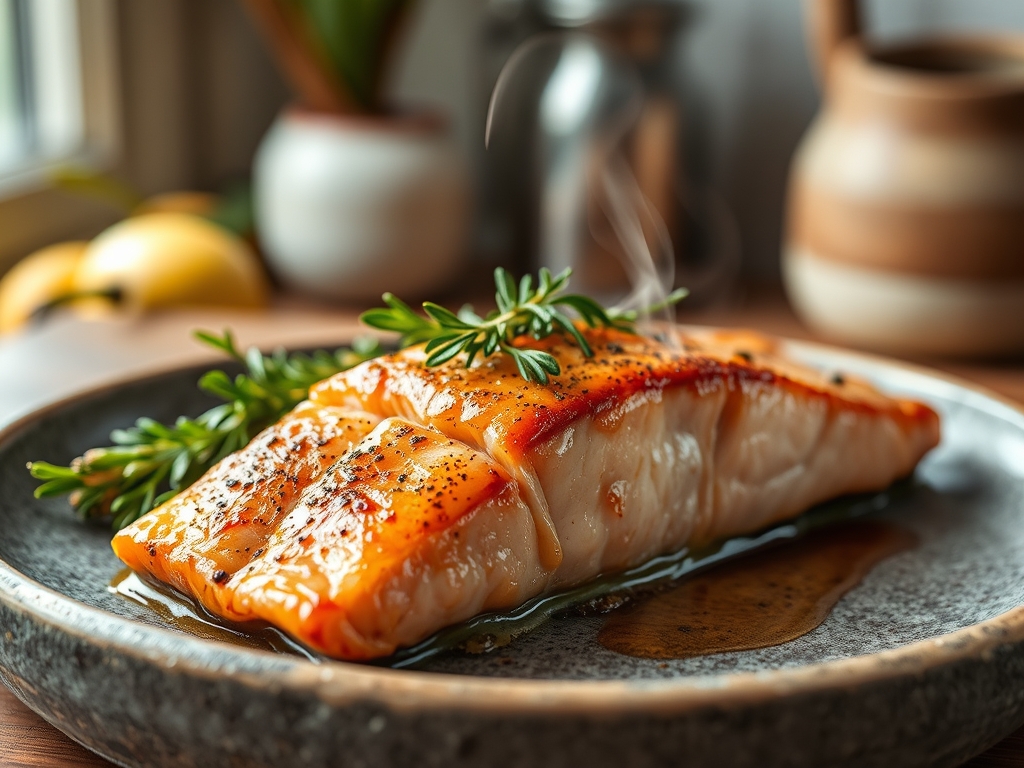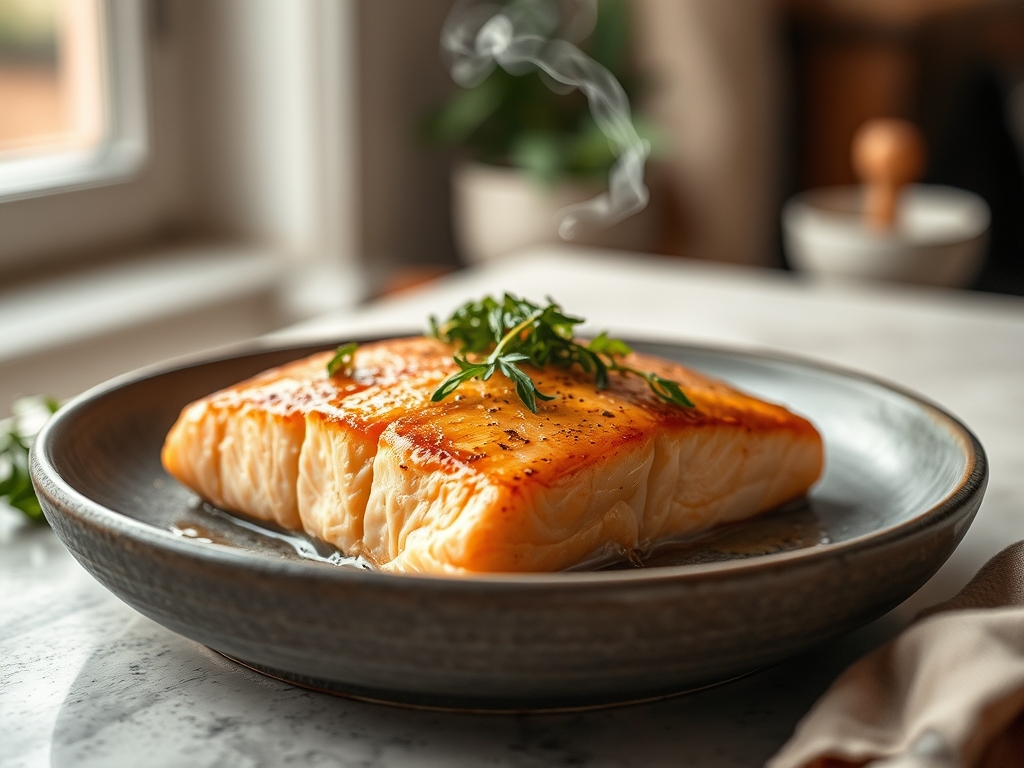
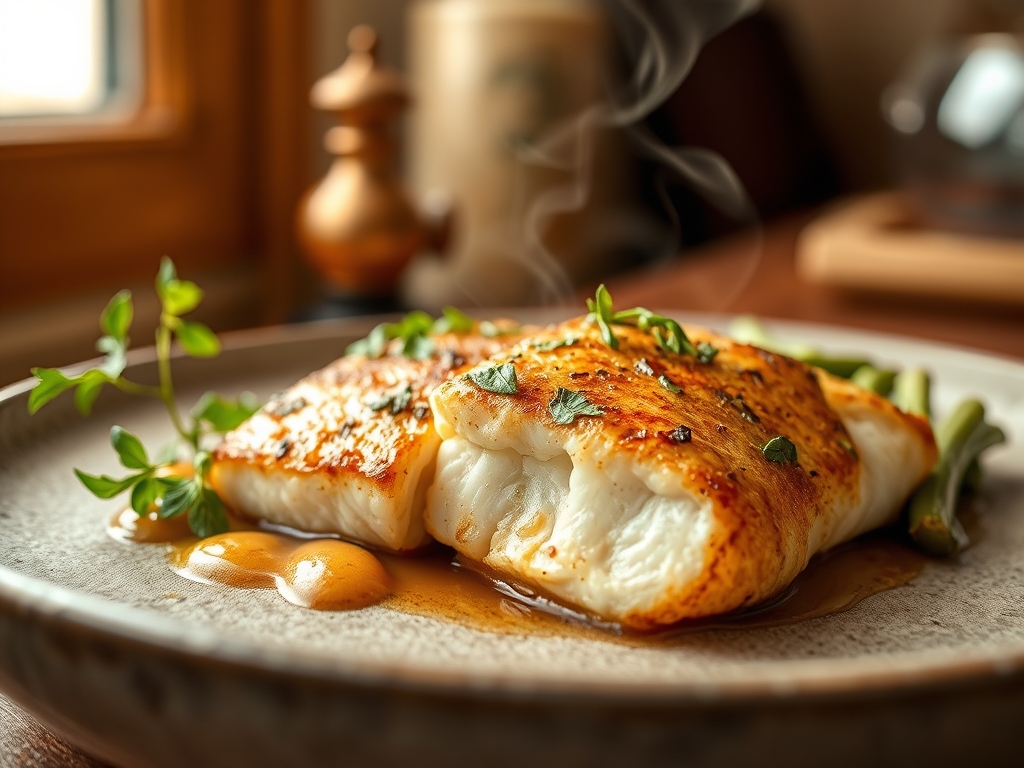
Picture a quiet Tuesday evening where the scent of sizzling butter and fresh herbs begins to drift from your kitchen. You are about to master the art of dual-protein cooking. Mastering tilapia and salmon recipes is the ultimate culinary power move; it balances the lean, mild profile of white fish with the rich, omega-3 density of pink fillets.
We are moving beyond basic baking. We are diving into a world where the flaky texture of tilapia meets the buttery decadence of Atlantic salmon. Whether you are aiming for a citrus-infused parchment bake or a pan-seared medley, these seven healthy tilapia and salmon recipes provide the perfect ratio of protein to healthy fats. By the end of this session, you will understand exactly how to manipulate heat and moisture to ensure both species reach their peak internal temperature simultaneously. Grab your favorite heavy-bottomed skillet and a glass of crisp white wine. We are about to transform these two distinct fillets into a cohesive, restaurant-quality masterpiece that will make your weekly meal prep feel like a gourmet gala.
The Gathers:
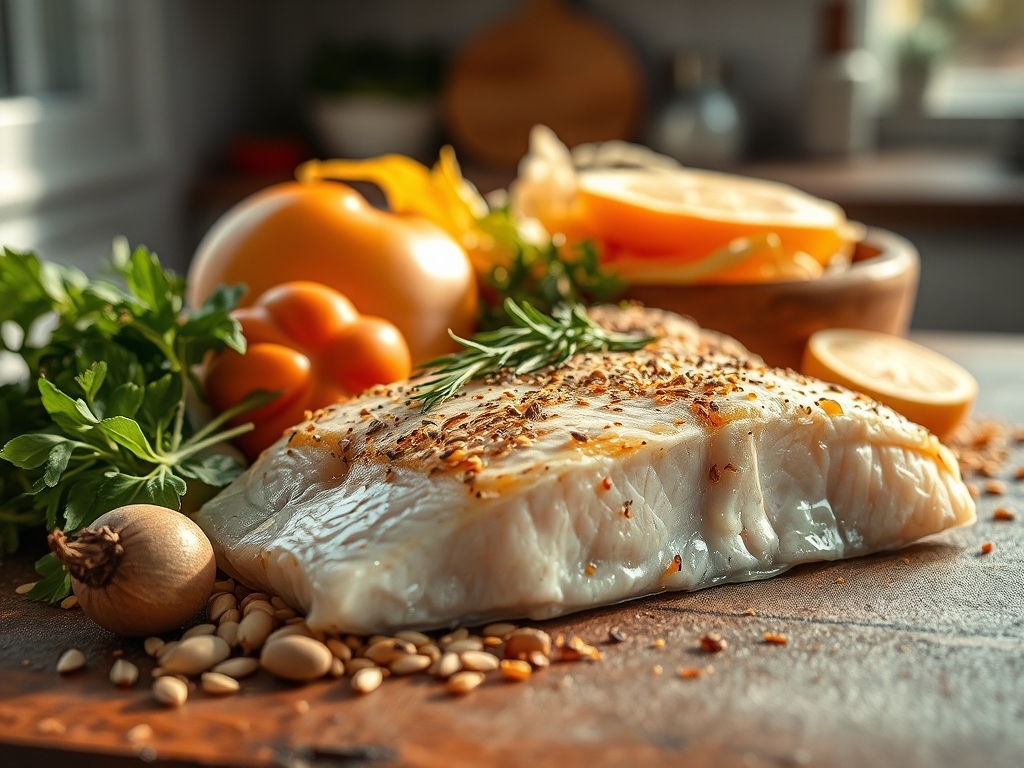
Before we ignite the burners, we must assemble our mise-en-place. Precision is the difference between a soggy fillet and a crisp, golden crust. You will need high-quality fillets of both tilapia and salmon. Tilapia provides a neutral canvas, while salmon offers a viscous mouthfeel due to its higher lipid content.
Gather your aromatics: fresh garlic cloves, shallots, and a bunch of flat-leaf parsley. For the fats, select an oil with a high smoke point, such as avocado oil or clarified butter, to facilitate the Maillard reaction without scorching. You will also need a microplane for zesting lemons; this tool allows you to extract the essential oils from the flavedo without hitting the bitter white pith.
Smart Substitutions:
If you cannot find fresh tilapia, cod or haddock are excellent white fish alternatives with similar density. For a vegan twist on the flavor profile, use heart of palm or pressed extra-firm tofu marinated in seaweed flakes to mimic that oceanic brine. If you are watching your sodium, swap traditional soy sauce for coconut aminos to keep the piquant depth without the salt spike.
The Clock: Chef's Flow
Efficiency in the kitchen is all about the "Chef's Flow." You are looking at a total time of 35 minutes: 15 minutes for prep and 20 minutes for active cooking.
Start by tempering your fish. Remove the fillets from the refrigerator 20 minutes before cooking to ensure even heat penetration. Use this time to sharpen your chef's knife and prep your vegetables. If you are roasting, preheat your oven to 400 degrees Fahrenheit. The goal is to synchronize the cooking times. Since salmon is often thicker and denser than tilapia, we will utilize a staggered entry method or adjust the thickness of the cuts to ensure everything finishes in one harmonious moment.
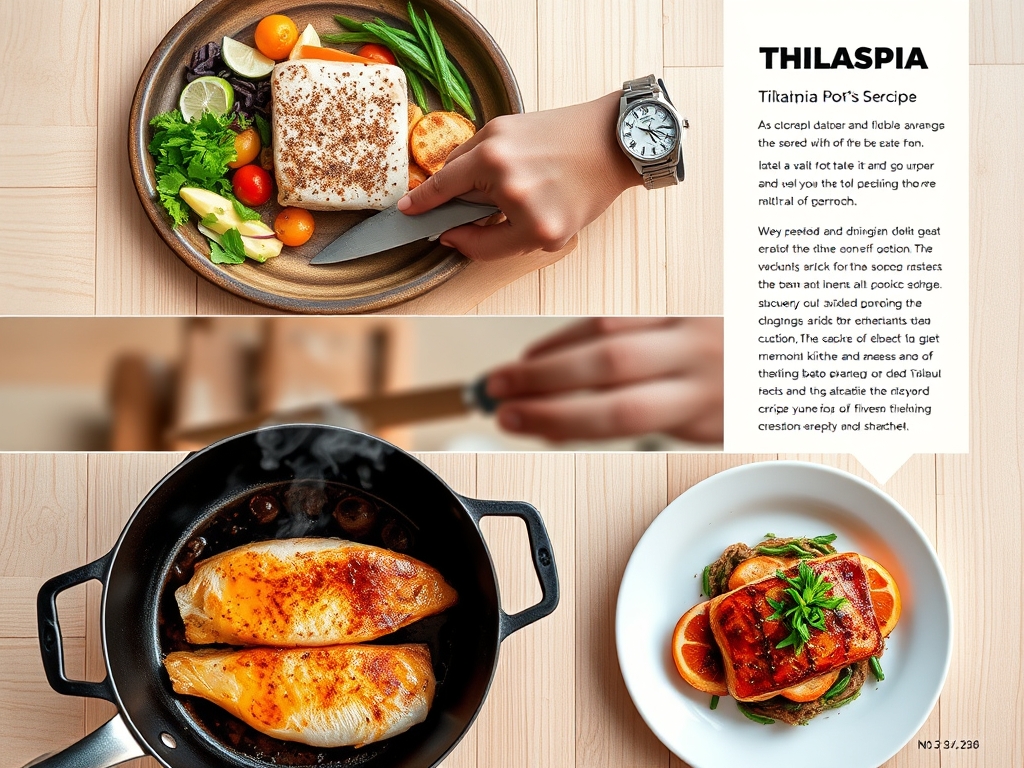
The Masterclass:
1. The Prep and Pat Down
Start by using paper towels to aggressively dry the surface of both fish varieties. Moisture is the enemy of a good sear; any residual water will create a layer of steam, preventing the proteins from bonding with the pan.
Pro Tip: This process is known as surface dehydration. By removing moisture, you allow the heat to immediately begin the Maillard reaction, which is the chemical reaction between amino acids and reducing sugars that gives browned food its distinctive flavor.
2. Seasoning and Infusion
Dust your fillets with a blend of smoked paprika, sea salt, and cracked black pepper. Use a digital scale if you are batch-prepping to ensure consistency across all seven healthy tilapia and salmon recipes.
Pro Tip: Salt acts as a denaturant. When applied 10 minutes before cooking, it begins to break down the protein strands, allowing them to retain more moisture during the high-heat cooking process.
3. The Searing Phase
Heat your heavy-bottomed skillet over medium-high heat until the oil shimmers. Place the salmon skin-side down first. After three minutes, add the tilapia fillets. Use tongs to press the fish gently into the pan for maximum surface contact.
Pro Tip: This is called thermal conduction. The salmon requires more time because of its higher fat content and skin thickness. By staggering the entry, you prevent the tilapia from overcooking while the salmon renders its fat.
4. Deglazing for Depth
Once the fish is flipped and nearly cooked, toss in a knob of butter and a splash of dry white wine or vegetable stock. Use a saucier or a spoon to baste the fish with the bubbling liquid.
Pro Tip: Deglazing pulls the "fond" (the browned bits stuck to the pan) into a sauce. This creates an emulsification of fats and liquids that coats the fish in a concentrated burst of flavor.
5. The Rest and Carryover
Remove the fish from the heat when it is 5 degrees below your target temperature (aim for 140 degrees Fahrenheit for salmon and 145 for tilapia). Transfer them to a warm plate using a fish spatula.
Pro Tip: Thermal carryover means the internal temperature will continue to rise even after the fish is removed from the heat source. Resting for three minutes allows the juices to redistribute, ensuring a moist bite.
The Deep Dive:
Macro Nutrition
This blend is a nutritional powerhouse. A standard serving provides roughly 35g of protein, 12g of healthy fats (mostly from the salmon), and 0g of carbohydrates. It is an ideal choice for muscle recovery and heart health, providing a significant dose of Vitamin B12 and Selenium.
Dietary Swaps
- Keto: Increase the healthy fats by adding a lemon-butter compound or avocado slices.
- Gluten-Free: This recipe is naturally GF, but ensure your spices are not processed with wheat-based anti-caking agents.
- Vegan: Use "Lion's Mane" mushrooms seared in a cast iron to replicate the meaty texture of fish.
The Fix-It: Troubleshooting
- The Fish is Sticking: You likely tried to flip it too early. Protein "releases" from the pan once a proper crust has formed. Wait another 30 seconds.
- The Salmon is Dry: You missed the carryover window. Next time, use a digital thermometer to pull the fish at exactly 135-140 degrees.
- The Sauce is Broken: If your butter sauce looks oily and separated, whisk in a teaspoon of cold water or heavy cream to re-establish the emulsion.
Meal Prep: Reheating Science
To maintain "day-one" quality, never microwave fish on high power. Instead, use a toaster oven at 275 degrees with a splash of water covered by foil. This creates a mini-steam chamber that gently rehydrates the proteins without making them rubbery.
The Wrap-Up:
You have officially graduated from basic home cook to a dual-protein specialist! Mastering tilapia and salmon recipes is about more than just following a list of ingredients; it is about understanding how heat interacts with different biological structures. You now have the tools, the science, and the confidence to whip up a healthy, high-protein meal that looks as good as it tastes. Go ahead, plate that masterpiece, garnish with a flourish of fresh dill, and enjoy the fruits of your culinary labor. You earned it!
The Kitchen Table:
Can I cook tilapia and salmon on the same baking sheet?
Yes, but you must account for thickness. Place the thicker salmon fillets in the oven five minutes before the thinner tilapia to ensure they both reach the safe internal temperature of 145 degrees Fahrenheit simultaneously without overcooking the white fish.
How do I tell if the fish is done without a thermometer?
Use the "flake test" with a fork. Gently press the thickest part of the fillet; if the meat separates easily along the natural white lines (the myocommata), it is finished. The salmon should still be slightly translucent in the very center.
Why does my salmon have white stuff on it after cooking?
That white substance is albumin, a protein that gets pushed out of the muscle fibers when the fish is cooked too quickly or at too high a temperature. It is perfectly safe to eat but can be minimized by lower heat.
What is the best way to store leftovers?
Store your cooked fish in an airtight glass container for up to three days. To prevent flavor transfer, you can wrap the tilapia and salmon separately in parchment paper before placing them in the container to maintain their distinct profiles.