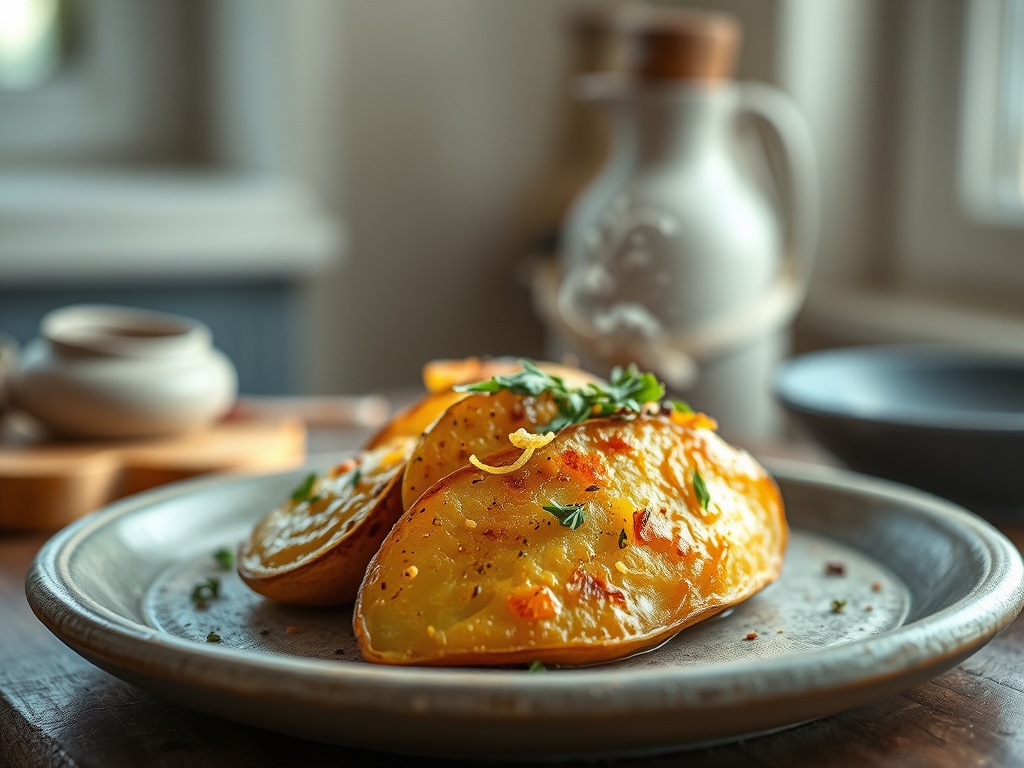
Imagine the scent of cold butter hitting a screaming hot cast iron pan. There is that instant, aggressive sizzle that signals the start of something transformative. We have all been there; it is six o'clock on a Tuesday, the kids are restless, and you need a win that does not involve a drive-thru. Finding good potato recipes easy enough for a weeknight but sophisticated enough for a dinner party is the ultimate culinary holy grail. Potatoes are not just starch; they are chemical chameleons capable of becoming velvety purees or glass-shattering crisps. When you understand the cellular structure of a Yukon Gold versus the high-starch density of a Russet, you stop cooking by luck and start cooking by design. Today, we are stripping away the fluff and focusing on the ten secrets that turn a humble tuber into a masterpiece. We are talking about maximizing the Maillard reaction, mastering internal steam, and using professional tools to shave twenty minutes off your prep time. Grab your favorite apron; we are about to make magic happen with nothing more than a few spuds and some scientific savvy.
The Gathers:
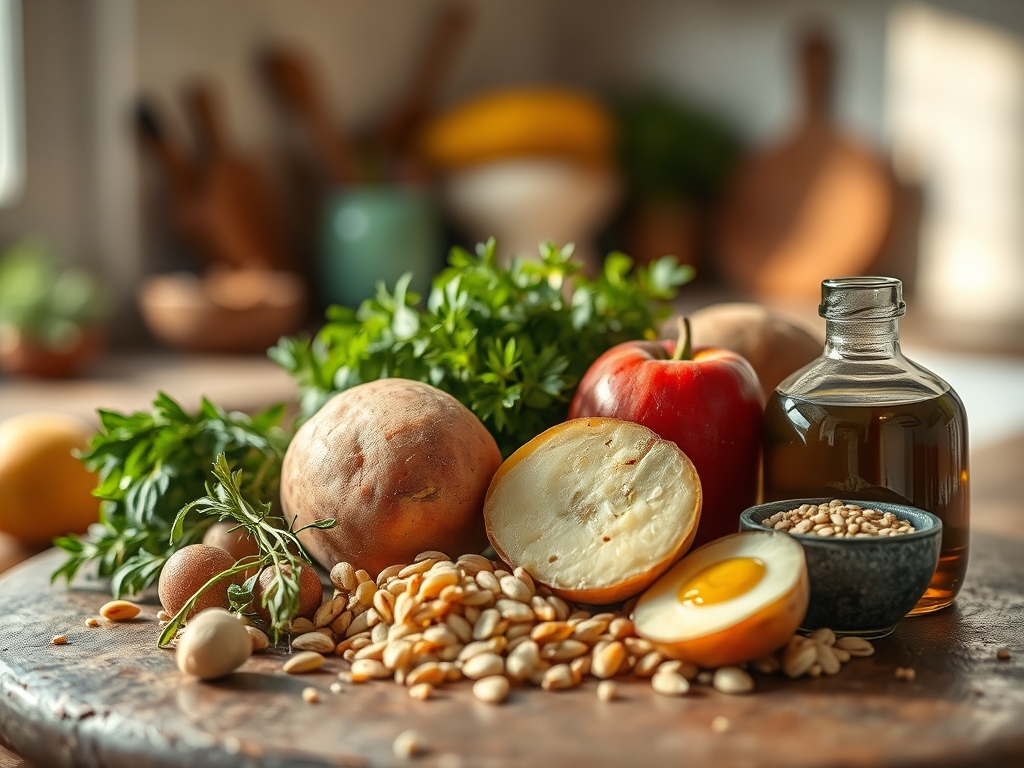
Before we ignite the burners, we must organize our mise-en-place. To achieve professional results, you need to understand the specific gravity of your ingredients. For these good potato recipes easy, we prioritize high-starch Russets for fluffiness and waxy Red Bliss for structural integrity. You will need a digital scale for precision, as a "medium potato" is a subjective lie that ruins recipes. Gather high-smoke-point fats like clarified butter or avocado oil to ensure you can render the exteriors without burning the solids.
Your aromatics should be ready: fresh rosemary sprigs to infuse the oil, and garlic cloves that we will crush rather than mince to prevent bitterness. Have your microplane standing by for zest and hard cheeses; the increased surface area created by a microplane allows for a more rapid melt and better emulsification into your sauces.
Smart Substitutions:
If you are out of heavy cream, a dollop of Greek yogurt adds a piquant tang and protein boost. No duck fat? Use the rendered drippings from your morning bacon. If you need a lower glycemic index, swap half your potatoes for cauliflower; the flavor profile remains remarkably stable when roasted with the same aromatics.
The Clock
The secret to a fast family dinner is the "Chef's Flow." This is the art of overlapping tasks so that no second is wasted. Total prep time for these secrets is roughly 15 minutes, with active cooking spanning 25 to 30 minutes.
We utilize par-boiling to jumpstart the softening of the pectin cell walls. While the water comes to a boil in a heavy-bottomed skillet or pot, you are peeling and dicing. By the time the oven is preheated to 425 degrees Fahrenheit, your potatoes have already been partially cooked and their surfaces roughened for maximum crunch. This "staggered start" ensures that the center of the potato is creamy at the exact moment the exterior reaches GBD status: Golden, Brown, and Delicious.
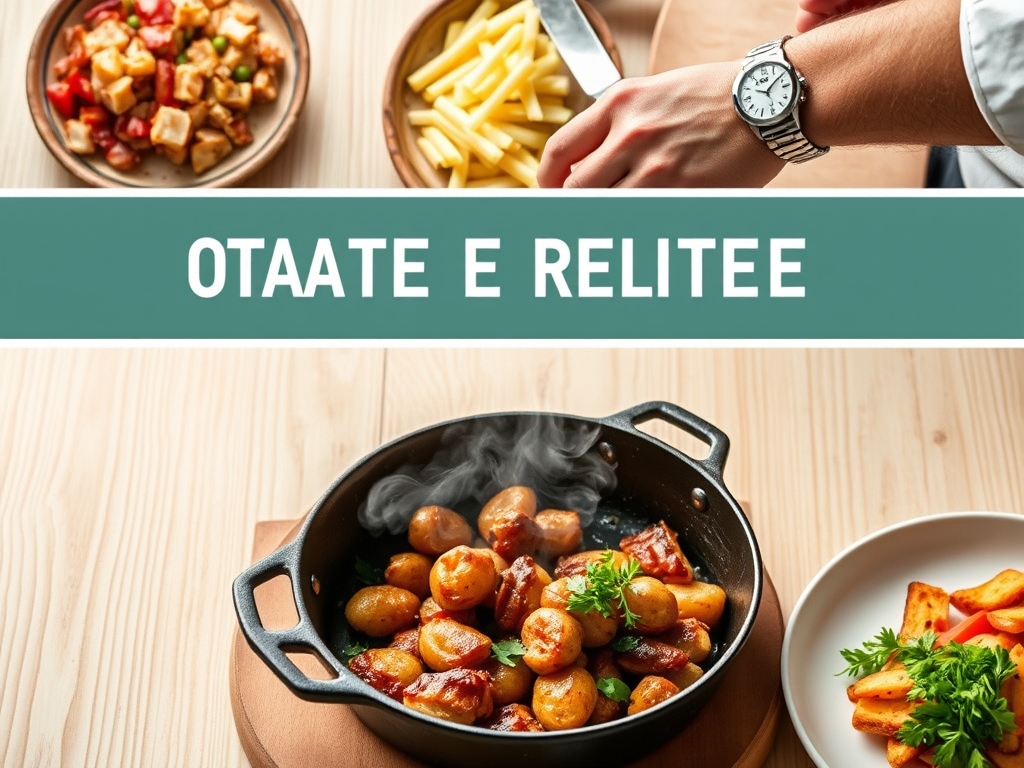
The Masterclass
1. The Alkaline Par-Boil
Start by boiling your potato chunks in water spiked with half a teaspoon of baking soda. This raises the pH of the water, which breaks down the exterior pectin more effectively.
Pro Tip: This creates a starchy "slurry" on the surface. When roasted, this slurry dehydrates into a thick, craggy crust. This is the science of surface area maximization.
2. The Cold Start Method
For the creamiest mashed potatoes, always start your potatoes in cold, salted water.
Pro Tip: Starting in hot water cooks the outside too fast, leaving the inside raw. Cold starts ensure even gelatinization of the starch granules throughout the entire cube.
3. The Steam Dry
After draining your potatoes, return them to the hot pot for sixty seconds.
Pro Tip: This removes excess moisture through evaporation. If you skip this, that residual water will turn your butter into a broken, watery mess instead of a viscous sauce.
4. The Bench Scraper Smash
Instead of a knife, use a bench scraper to smash par-boiled potatoes flat before roasting.
Pro Tip: This creates "fracture points." These jagged edges are where the Maillard reaction (the chemical reaction between amino acids and reducing sugars) happens most intensely.
5. The Saucier Emulsification
When making a potato sauce or soup, use a saucier with rounded bottom edges.
Pro Tip: The curved walls prevent starch from clumping in the corners, allowing your whisk to create a perfect colloidal suspension of fat and liquid.
6. The Microplane Finishing
Never use pre-shredded cheese. Use a microplane to grate parmesan directly over hot potatoes.
Pro Tip: The fine shards have a low thermal mass, meaning they melt instantly using only the thermal carryover heat from the potato, preventing a greasy separation.
7. The Tongs Toss
Use tongs to aggressively toss your potatoes in oil until they look "fuzzy."
Pro Tip: This fuzz is actually liberated starch. When hit with high heat, it fries into a delicate, glass-like shell.
8. The Infusion Technique
Warm your milk and butter with herbs before adding them to your mash.
Pro Tip: Fat is a carrier for flavor. By heating the fat with aromatics, you infuse the essential oils of the herbs directly into the lipid molecules for a deeper flavor profile.
9. The Acid Balance
Always finish your potato dishes with a squeeze of lemon or a splash of vinegar.
Pro Tip: Potatoes are chemically "heavy." A hit of acid provides a sensory contrast that brightens the earthy notes and cuts through the richness of the fats.
10. The Resting Period
Let your roasted potatoes sit on the baking sheet for three minutes after they leave the oven.
Pro Tip: This allows the internal steam to redistribute. If you eat them immediately, the crust may feel tough; a brief rest allows the crust to "set" while the interior stays moist.
The Deep Dive
Macro Nutrition:
Potatoes are surprisingly nutrient-dense. A medium potato provides about 110 calories, zero fat, and more potassium than a banana. They are a "resistant starch," which can improve gut health when cooked and cooled.
Dietary Swaps:
For a Vegan twist, use nutritional yeast and extra virgin olive oil to mimic the umami of cheese and butter. For Keto seekers, replace 75 percent of the potato with daikon radish; it holds a similar texture when roasted. All potatoes are naturally Gluten-Free, making them the safest starch for sensitive diners.
The Fix-It:
- Gluey Mash: This happens when you overwork the potatoes, shearing the starch molecules. The Fix: Fold in a little more warm liquid and serve as a "potato silk" rather than a fluff.
- Soggy Fries: Usually caused by overcrowding the pan. The Fix: Move them to a wire rack in a high-heat oven for five minutes to re-dehydrate the surface.
- Burnt Garlic: If your garlic turned bitter, it was added too early. The Fix: Balance the bitterness with a pinch of sugar and extra salt to distract the palate.
Meal Prep:
To reheat potatoes without that "leftover" taste, avoid the microwave. The microwave vibrates water molecules, making the starch gummy. Instead, use an air fryer or a dry skillet. This re-activates the fats and restores the crispness for "day-one" quality.
The Wrap-Up
Mastering these good potato recipes easy techniques transforms your kitchen from a place of stress to a theater of science. By focusing on pH levels, thermal carryover, and the right professional tools like the bench scraper and saucier, you are no longer just following a recipe; you are controlling the variables. Your family dinners will never be the same once you unleash the power of the alkaline par-boil and the steam dry. Now, go forth and conquer those spuds with confidence!
The Kitchen Table
How do I stop potatoes from turning brown?
Submerge peeled potatoes in cold water mixed with a splash of lemon juice. This inhibits enzymatic browning by lowering the pH and blocking oxygen contact with the potato surface.
What is the best potato for roasting?
Yukon Golds are the gold standard. They possess a medium starch content that provides a creamy interior while still being sturdy enough to develop a thick, crunchy exterior crust.
Can I make mashed potatoes ahead of time?
Yes. Keep them warm in a slow cooker on the "low" setting. Add a thin layer of milk over the top to prevent a skin from forming, then stir before serving.
Why are my roasted potatoes sticking to the pan?
You likely tried to flip them too early. Potatoes will naturally "release" from the pan once the Maillard reaction has sufficiently hardened the crust. Wait for the sear to finish.