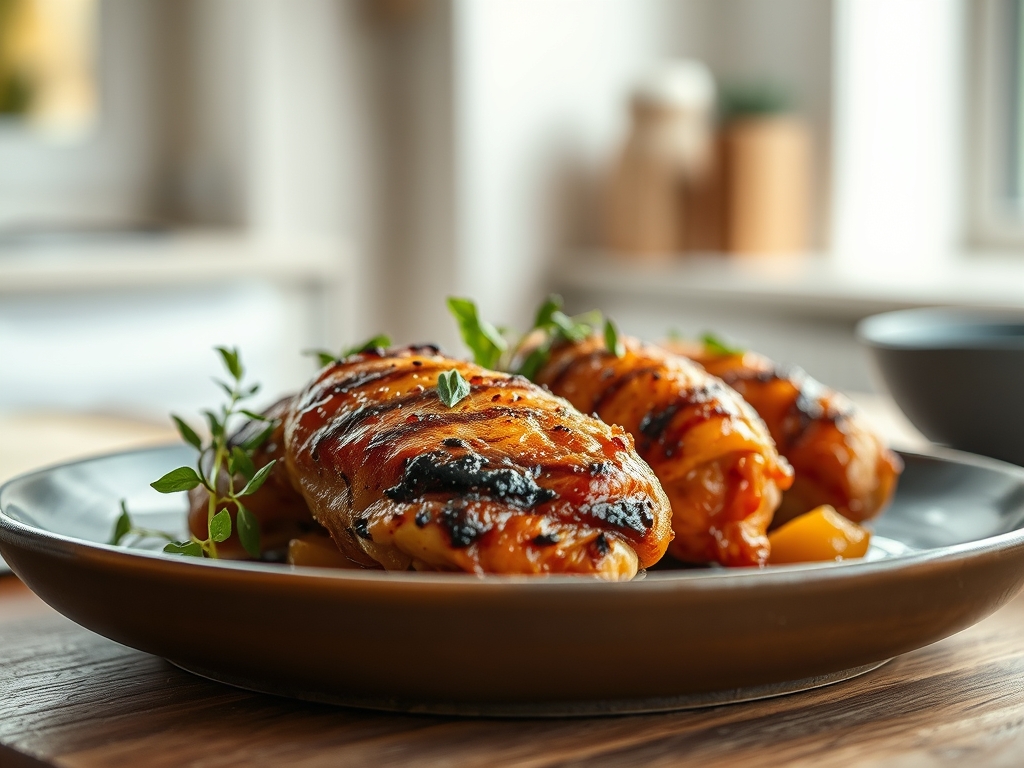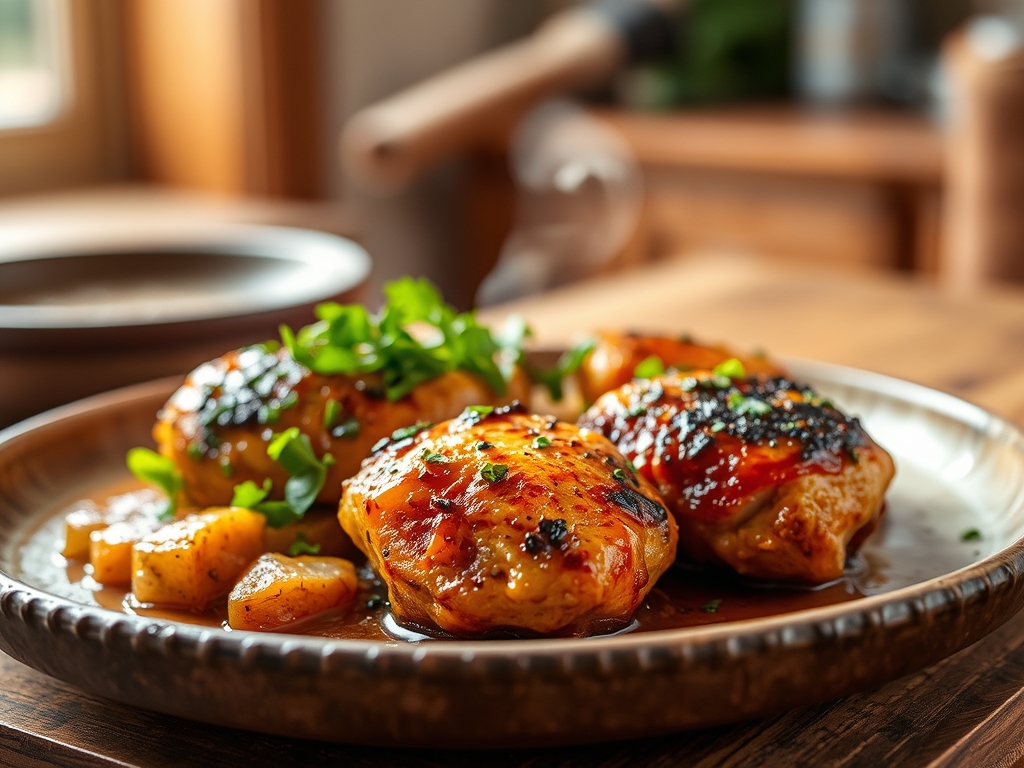
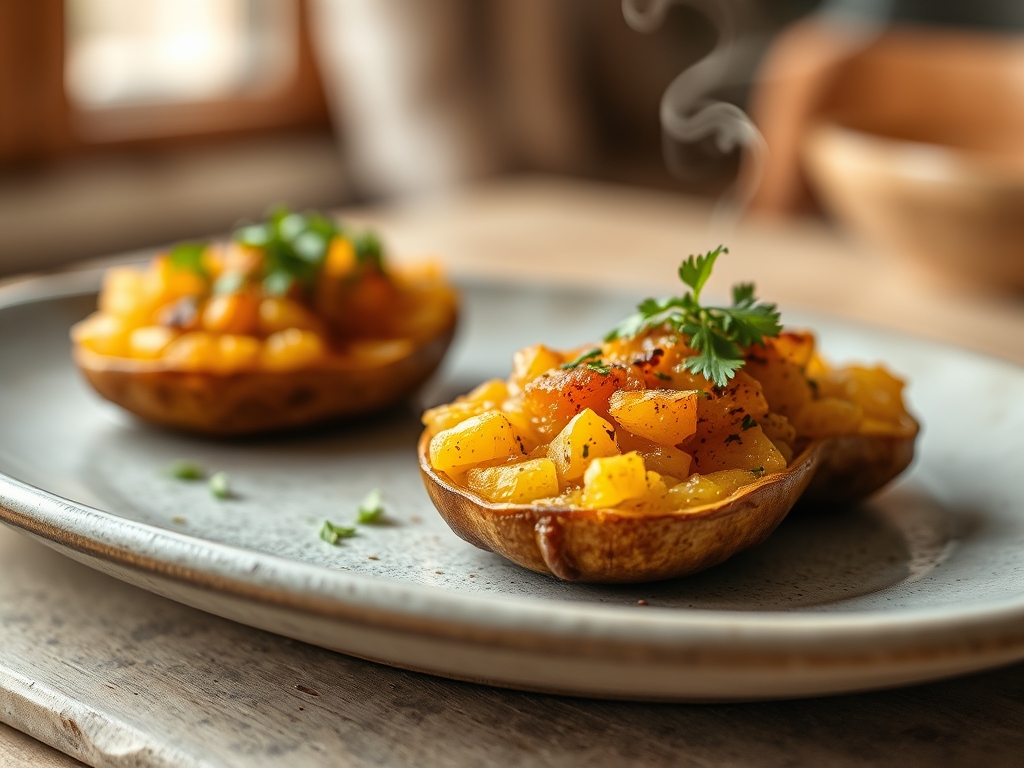
Picture this; you are standing in a sun-drenched kitchen while the heady, piquant aroma of toasted cumin and searing ginger fills the air. There is something inherently comforting about the humble tuber, but when you master small potato recipes indian style, you transform a basic starch into a golden, spice-crusted masterpiece that shatters with a crisp crunch before melting into a buttery center.
We are not just boiling vegetables here; we are engineering texture. Small potatoes, or baby potatoes, possess a higher surface-area-to-volume ratio than their larger counterparts. This means more room for the Maillard reaction to occur, creating that savory, browned crust we crave. Whether you are aiming for a dry, crispy fry or a lush, viscous gravy, the secret lies in respecting the starch. Put on your apron and grab your heavy-bottomed skillet; we are about to turn these tiny gems into the star of your dinner table.
The Gathers:
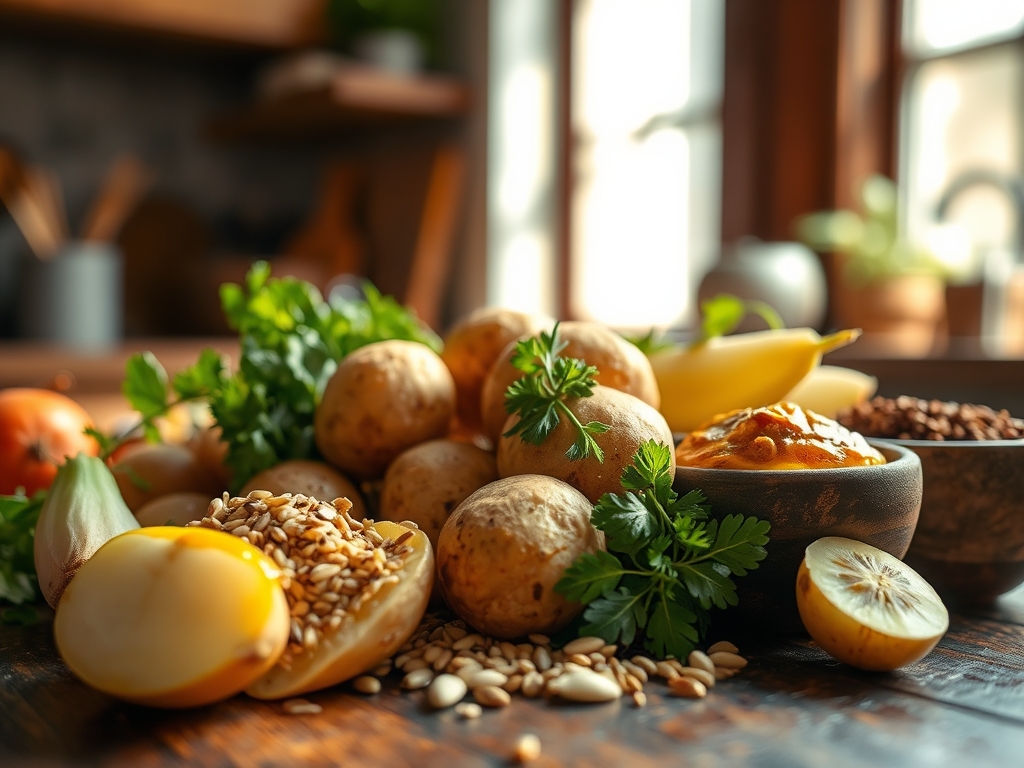
To achieve professional results, your mise-en-place must be precise. Start with one pound of waxy baby potatoes; varieties like Yukon Gold or red-skinned are ideal because they hold their structural integrity during the thermal agitation of sautéing. You will need high-smoke-point fats like ghee or avocado oil to ensure the spices infuse without scorching.
For the aromatics, gather fresh ginger and garlic. I recommend using a microplane to grate them into a fine paste; this increases the surface area, allowing the flavors to emulsify into the oil more rapidly. Your spice kit should include whole cumin seeds, turmeric powder, Kashmiri red chili powder for that vibrant hue without overwhelming heat, and amchur (dried mango powder) for a piquant finish.
Smart Substitutions: If you cannot find amchur, a squeeze of fresh lime juice added at the very end provides the necessary acidity to brighten the dish. For a vegan profile, replace ghee with cold-pressed mustard oil to add a traditional, pungent depth. If you are watching your sodium, use a digital scale to measure exactly 1.5% salt by weight, which is the culinary "sweet spot" for seasoning tubers.
The Clock:
Efficiency in the kitchen is all about the Chef's Flow. Total active time for these small potato recipes indian style is approximately 15 minutes, with a total cook time of 35 minutes. We utilize a "staggered start" technique. While the potatoes undergo an initial parboil (12 minutes), you should be prepping your aromatics and tempering your spices.
The flow looks like this: Prep while the water boils, temper spices while the potatoes steam-dry, and finish with a high-heat sear. This overlapping schedule ensures that no component sits idle, preventing the potatoes from becoming "gummy" due to retrograded starch.
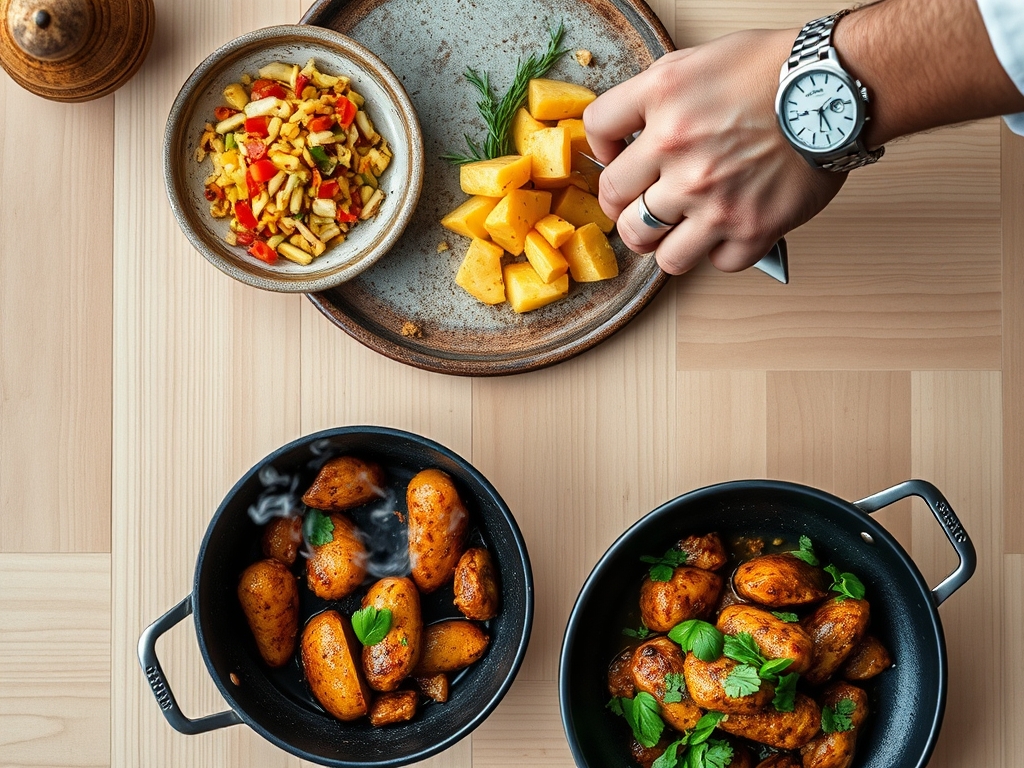
The Masterclass:
1. The Precision Parboil
Place your scrubbed potatoes in a saucier filled with cold, heavily salted water. Bring to a boil and simmer until a knife pierces the flesh with slight resistance.
Pro Tip: Starting in cold water ensures even heat distribution. If you drop potatoes into boiling water, the exterior overcooks and sloughs off before the center reaches the necessary 210 degrees Fahrenheit for starch gelatinization.
2. The Steam Dry
Drain the potatoes and let them sit in a colander for three minutes. Use a bench scraper to gently toss them, roughening the edges.
Pro Tip: This "roughing" creates micro-fissures. During the frying stage, these fissures increase the surface area for the Maillard reaction, resulting in a significantly crunchier exterior.
3. The Tempering (Tadka)
Heat your ghee in a heavy-bottomed skillet until shimmering. Add whole cumin seeds and wait for them to crackle and release their essential oils.
Pro Tip: This is "blooming." Many flavor compounds in Indian spices are fat-soluble, not water-soluble. Heating them in fat "unlocks" the aroma and infuses the entire medium.
4. The Aromatic Infusion
Lower the heat and add your microplaned ginger, garlic, and green chilies. Sauté until the raw sulfurous scent dissipates and turns nutty.
Pro Tip: Garlic burns at a lower temperature than ginger. By using a paste, you ensure they cook at a similar rate, preventing the bitter notes associated with scorched garlic.
5. The Golden Sear
Increase the heat to medium-high and add the potatoes. Use tongs to ensure every potato is coated in the infused fat. Do not crowd the pan.
Pro Tip: Crowding the pan causes the temperature to drop, leading to steaming rather than searing. You want high contact heat to render the fats and crisp the skin.
6. The Spice Dusting
Add your powdered spices (turmeric, chili, coriander). Toss vigorously for two minutes to toast the powders without burning them.
Pro Tip: This stage involves enzymatic browning. The sugars in the potato and the proteins in the spices bond to create complex, savory flavor molecules.
7. The Acidic Balance
Turn off the heat and sprinkle the amchur or lime juice over the potatoes. Toss one last time to distribute the acidity.
Pro Tip: Acidity acts as a flavor "highlighter." It cuts through the density of the starch and the richness of the ghee, making the other spices pop on your palate.
8. The Aeration Rest
Transfer the potatoes to a warm serving bowl immediately. Do not cover them with a lid.
Pro Tip: Covering the dish creates a steam chamber. This moisture will soften the crispy crust you just worked so hard to build via thermal carryover.
9. The Garnish Finish
Top with a handful of finely chopped cilantro and a pinch of flaky sea salt.
Pro Tip: Fresh herbs contain volatile oils that degrade with heat. Adding them at the very end preserves their bright, chlorophyll-rich flavor and visual vibrancy.
The Deep Dive:
When we look at the macro nutrition, a standard serving of these small potato recipes indian style provides roughly 180 calories, dominated by complex carbohydrates and healthy fats from the ghee. Potatoes are a secret weapon for potassium, often containing more than a banana.
Dietary Swaps:
For a Keto version, swap the potatoes for cauliflower florets, reducing the cook time by half. For a Vegan profile, use coconut oil; it adds a subtle sweetness that complements the chili. All ingredients listed are naturally Gluten-Free, making this an excellent side for sensitive guests.
The Fix-It:
- Soggy Potatoes: This usually happens because the potatoes weren't dried enough after boiling. Next time, let them steam-dry longer or pat them with a lint-free towel.
- Bitter Spices: You likely added the powdered spices to a pan that was too hot. Remove the pan from the heat for thirty seconds before adding powders.
- Skin Peeling: This occurs if you overboil. Use a timer and check them two minutes early; they should be "al dente."
Meal Prep:
To reheat and maintain "day-one" quality, avoid the microwave. The microwave agitates water molecules, making the potato rubbery. Instead, use an air fryer at 350 degrees Fahrenheit for five minutes or a dry skillet over medium heat to re-crisp the exterior.
The Wrap-Up:
Mastering small potato recipes indian style is a rite of passage for any home cook looking to elevate their vegetable game. By understanding the science of starch and the chemistry of spice tempering, you move beyond following a script to truly "feeling" the food. These tiny, golden globes are the ultimate crowd-pleaser; they are rustic enough for a weeknight dinner but sophisticated enough to anchor a festive spread. Now, grab your skillet and let those spices sing!
The Kitchen Table:
Which potato is best for Indian recipes?
Waxy varieties like baby Yukon Golds or Red Bliss are best. They contain less starch and more moisture, allowing them to hold their shape during frying without falling apart into a mash.
Why are my potatoes sticking to the pan?
This usually happens if the pan wasn't hot enough before adding the fat, or if you moved the potatoes too soon. Let the crust form naturally before attempting to flip them.
Can I make these in an air fryer?
Yes! Parboil them first, toss in oil and spices, then air fry at 400°F for 12–15 minutes. This yields an exceptionally crispy skin with significantly less oil than traditional pan-frying.
How do I keep the spices from burning?
Always add powdered spices toward the end of the cooking process. Since they are finely ground, they toast in seconds. Adding a splash of water can also create a protective steam buffer.