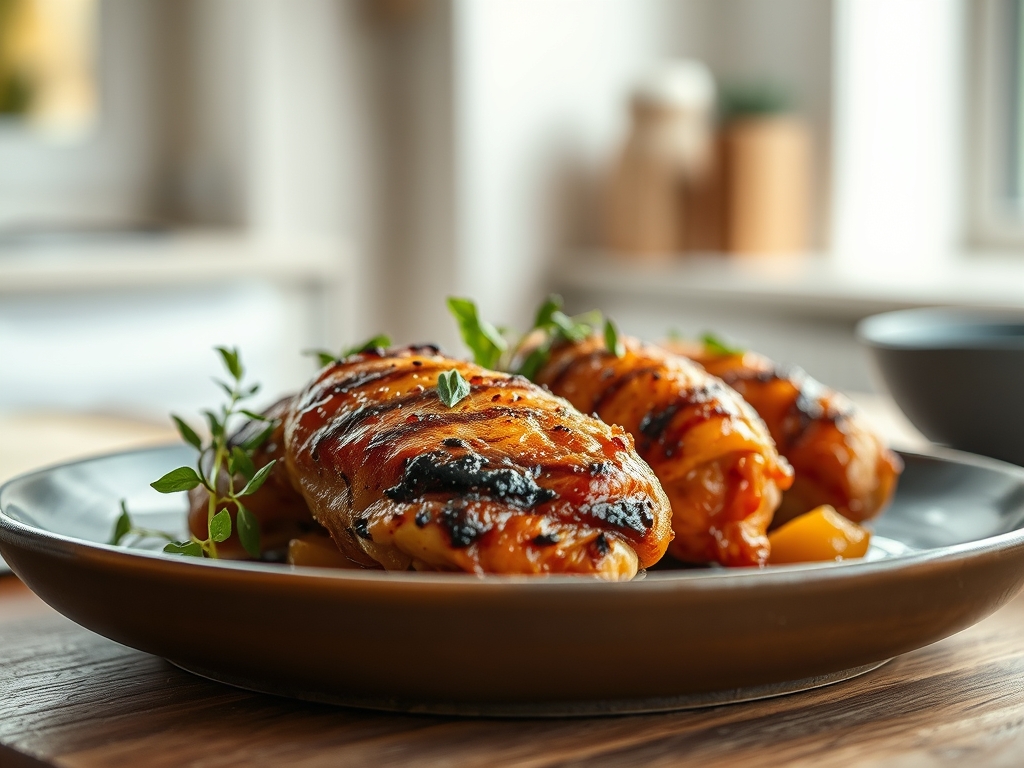
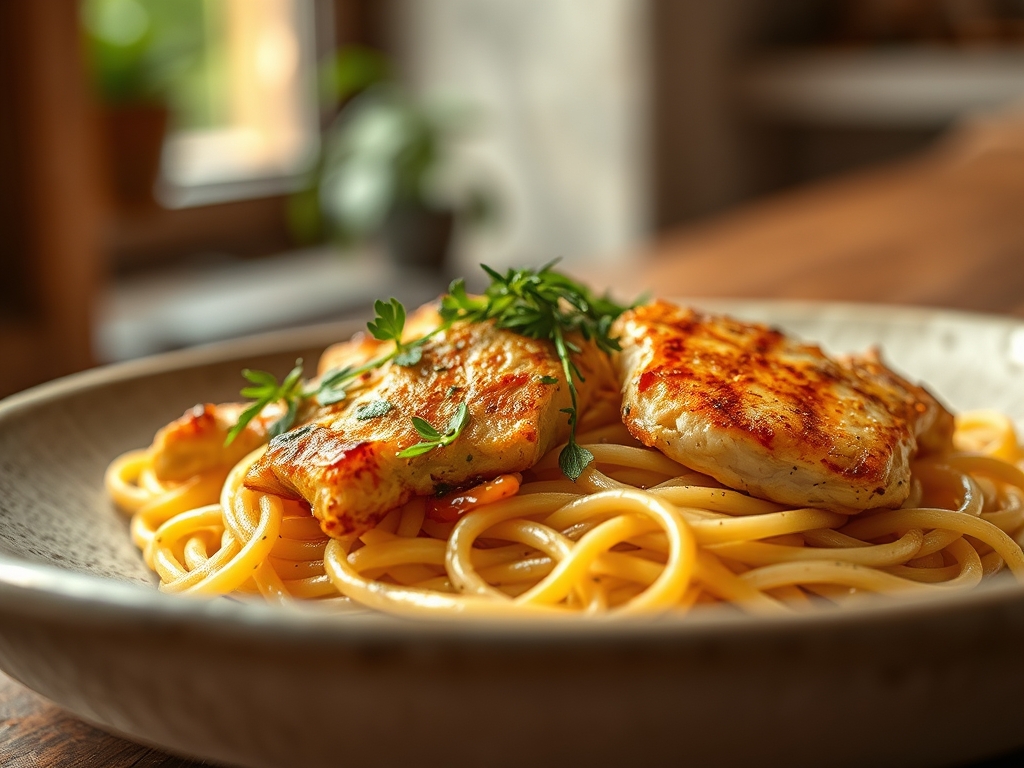
Picture a Tuesday evening where the air in your kitchen is thick with the scent of garlic confit and rendered chicken fat. You are craving that specific, creamy comfort that usually comes from a cardboard box, but your palate demands something more sophisticated. While most angel hair and chicken recipes rely on a slow simmer, we are hacking the timeline using high-pressure steam to create a sauce so viscous it clings to every delicate strand of pasta. This is not just dinner; it is a tactical strike against mediocre takeout. We are utilizing the Instant Pot to force-infuse aromatics into the protein fibers, resulting in a dish that is piquant, salty, and unapologetically rich. By the time the pressure valve drops, you will have a meal that rivals a five-star bistro. This recipe transforms the humble chicken breast into a tender, shredded masterpiece, draped in a velvet cloak of cream cheese and sharp cheddar. It is the ultimate evolution of comfort food, engineered for the modern, busy kitchen without sacrificing a single note of culinary integrity.
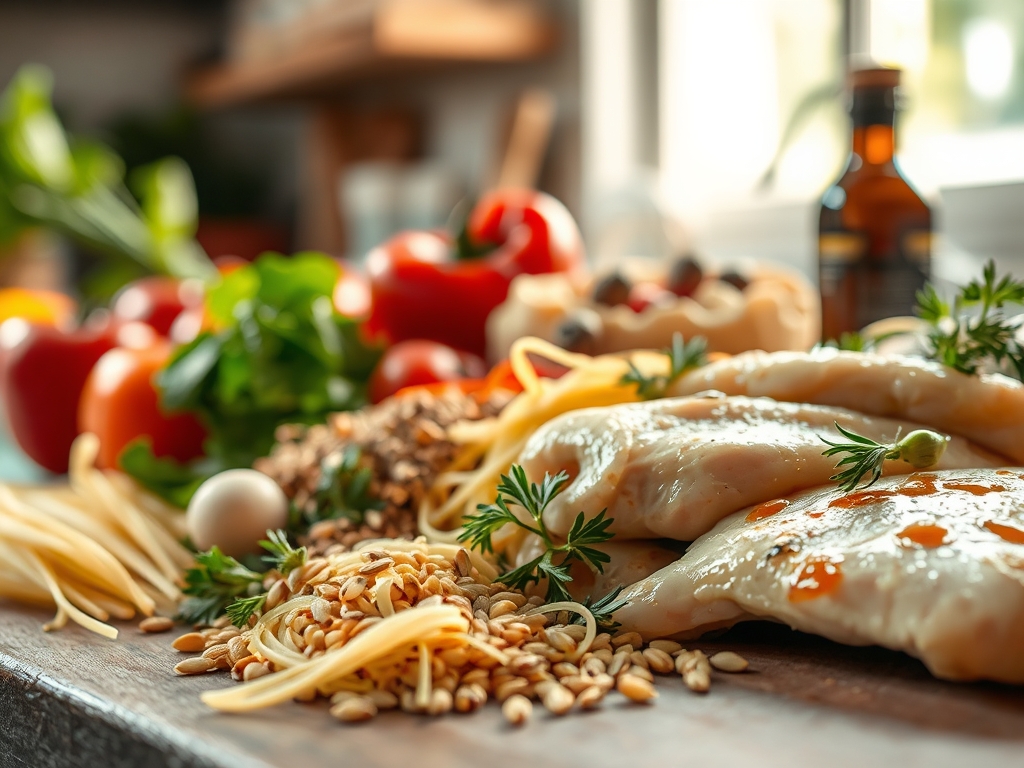
The Gathers:
To achieve the perfect "Crack Chicken" profile, your mise-en-place must be precise. Start with two pounds of boneless, skinless chicken breasts. You want to look for meat with minimal woody fibers to ensure a clean shred. For the dairy base, you need eight ounces of full-fat cream cheese. Low-fat versions lack the structural lipids necessary to emulsify under pressure. You will also need one packet of hidden valley ranch seasoning; or better yet, a homemade blend of dried dill, chives, garlic powder, and onion powder measured on a digital scale for accuracy.
The texture comes from one cup of sharp cheddar cheese, freshly grated with a microplane to ensure it melts instantly into the sauce. For the crunch, prepare six strips of thick-cut bacon, rendered until crisp in a heavy-bottomed skillet. Finally, the vessel: sixteen ounces of angel hair pasta. This thin-gauge noodle is the secret to the dish; its high surface-area-to-volume ratio allows it to soak up the sauce faster than thicker linguine.
Smart Substitutions: If you are looking to brighten the profile, swap the heavy cream for a dollop of Greek yogurt post-pressure. For a spicy kick, incorporate diced pickled jalapeños. If you find yourself out of fresh garlic, a teaspoon of garlic oil provides a deep, toasted essence without the risk of burning under high heat.
The Clock:
The "Chef's Flow" for this recipe is designed for maximum efficiency. Total active prep time is exactly 10 minutes. This includes dicing your aromatics and grating the cheese. The Instant Pot requires approximately 8 to 10 minutes to reach full pressure, followed by a 15-minute high-pressure cook cycle.
While the chicken is under pressure, use this "dead time" to boil your water for the angel hair. Because angel hair cooks in a mere 2 to 3 minutes, you should only drop the pasta once you have performed a quick release on the pot. Total time from pantry to plate is 35 minutes. This synchronized workflow ensures the pasta is al dente at the exact moment the chicken is shredded and the sauce is emulsified.
The Masterclass:
1. Sear and Deglaze
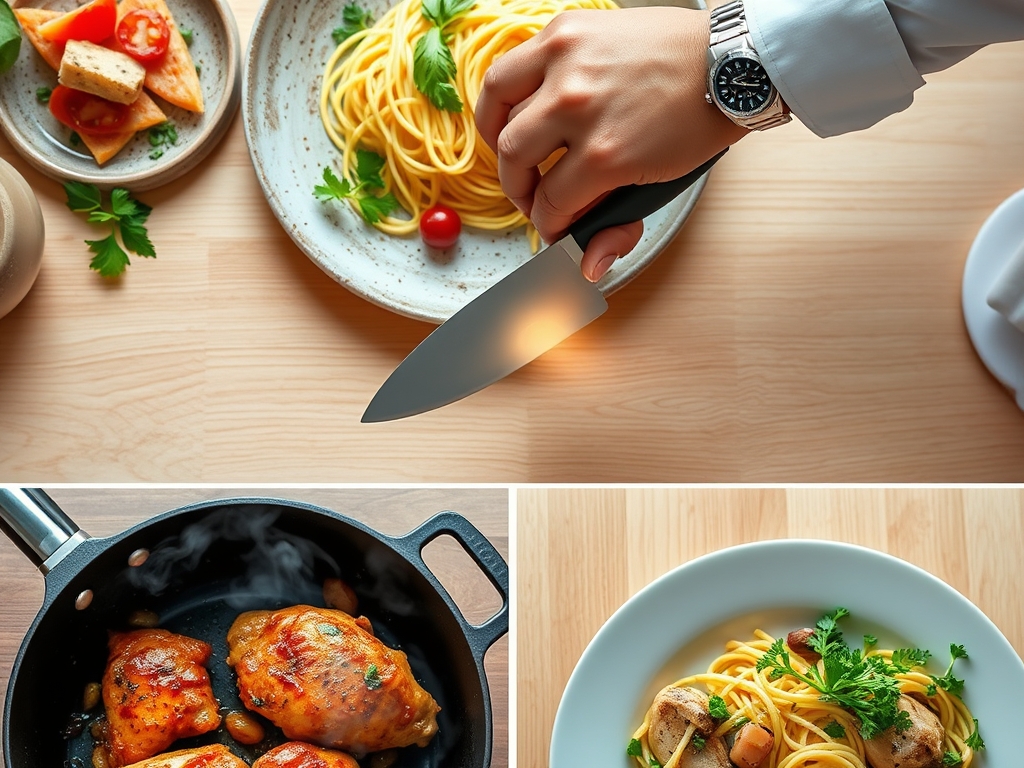
Set your Instant Pot to the "Sauté" function. Add a tablespoon of neutral oil and sear the chicken breasts for two minutes per side. You are looking for the Maillard reaction, that golden-brown crust that creates complex flavor compounds. Once browned, remove the chicken and add half a cup of chicken stock. Use a wooden spoon to scrape the bottom of the pot.
Pro Tip: This scraping process is called deglazing. Those brown bits, known as fond, contain concentrated umami that prevents the "burn" notice and adds depth to the final sauce.
2. Pressure Infusion
Place the chicken back into the pot. Top with the block of cream cheese and the ranch seasoning. Do not stir. Close the lid and set to high pressure for 15 minutes. By leaving the cream cheese on top, you prevent it from scorching on the heating element at the bottom of the vessel.
Pro Tip: High pressure raises the boiling point of water, forcing moisture and seasoning into the dense protein fibers of the chicken. This ensures every bite is seasoned to the core, not just on the surface.
3. The Shred and Emulsify
Once the timer beeps, perform a quick pressure release. Transfer the chicken to a large bowl. Use two forks or a hand mixer to shred the meat into fine shards. Return the chicken to the pot and whisk the remaining liquid vigorously to aerate and incorporate the melted cream cheese.
Pro Tip: This is the stage where emulsification occurs. The fats from the cheese and the proteins from the chicken broth bind together to create a stable, creamy sauce that won't separate.
4. The Pasta Fold
While the chicken rests in the sauce, cook your angel hair in a separate pot of heavily salted water. Drain the pasta, but reserve half a cup of the starchy pasta water. Fold the noodles into the chicken mixture using silicon-tipped tongs. Add the cheddar cheese and crispy bacon bits last.
Pro Tip: Starch molecules in the reserved pasta water act as a bridge between the oily sauce and the smooth noodles. This ensures the sauce "sticks" to the angel hair rather than sliding off to the bottom of the bowl.
The Deep Dive:
Macro Nutrition: This dish is a powerhouse of protein and fats. A standard serving contains approximately 450 calories, 35g of protein, 28g of fat, and 42g of carbohydrates. To lower the glycemic load, consider using a chickpea-based angel hair pasta.
Dietary Swaps: For a Keto version, ditch the pasta entirely and serve the crack chicken over steamed zoodles or roasted cauliflower. For Gluten-Free needs, ensure your ranch seasoning is certified GF and use brown rice angel hair. To make this Dairy-Free, use a cashew-based cream cheese and nutritional yeast for that cheesy "funk."
The Fix-It:
- Sauce is too thin: Sauté for 2 minutes without the lid to reduce the liquid, or add a cornstarch slurry.
- Chicken is tough: This usually means the pressure was released too fast. Next time, try a 5-minute natural release to allow thermal carryover to finish the cooking gently.
- Pasta is gummy: You likely overcooked the angel hair. Always pull the noodles 60 seconds before the box instructions suggest; they will finish cooking in the residual heat of the sauce.
Meal Prep: To reheat, add a splash of milk or broth before microwaving. This restores the viscosity of the sauce, preventing the cream cheese from becoming oily or "broken" upon second heating.
The Wrap-Up:
You have officially graduated from basic home cooking to culinary engineering. By understanding the science of emulsification and the mechanics of pressure cooking, you have turned simple ingredients into a gourmet experience. This angel hair and chicken masterpiece is proof that you do not need hours over a stove to produce deep, complex flavors. Now, grab your favorite bowl, pile it high with those creamy, bacon-studded strands, and enjoy the fruits of your very smart labor. You earned it!
The Kitchen Table:
Can I use frozen chicken for this recipe?
Yes. Increase the high-pressure cook time to 22 minutes. Ensure the breasts are separated rather than a frozen block to allow even heat distribution. The internal temperature must reach 165 degrees Fahrenheit for safety and optimal shredding texture.
Why did my sauce break and look oily?
Sauces break when the emulsion of fat and liquid collapses. This often happens if the heat is too high or if you use low-fat dairy. Fix it by whisking in a tablespoon of warm heavy cream or starchy pasta water.
How long does crack chicken stay fresh?
Stored in an airtight container, it lasts four days in the refrigerator. The flavors actually deepen overnight as the aromatics continue to infuse. For best results, reheat on the stovetop with a splash of liquid to maintain the creamy consistency.
What is the best way to shred the chicken?
While forks work, using a handheld mixer on low speed directly in the bowl is a professional hack. It creates a uniform, fine shred in seconds, which allows the sauce to coat every individual fiber of the meat perfectly.