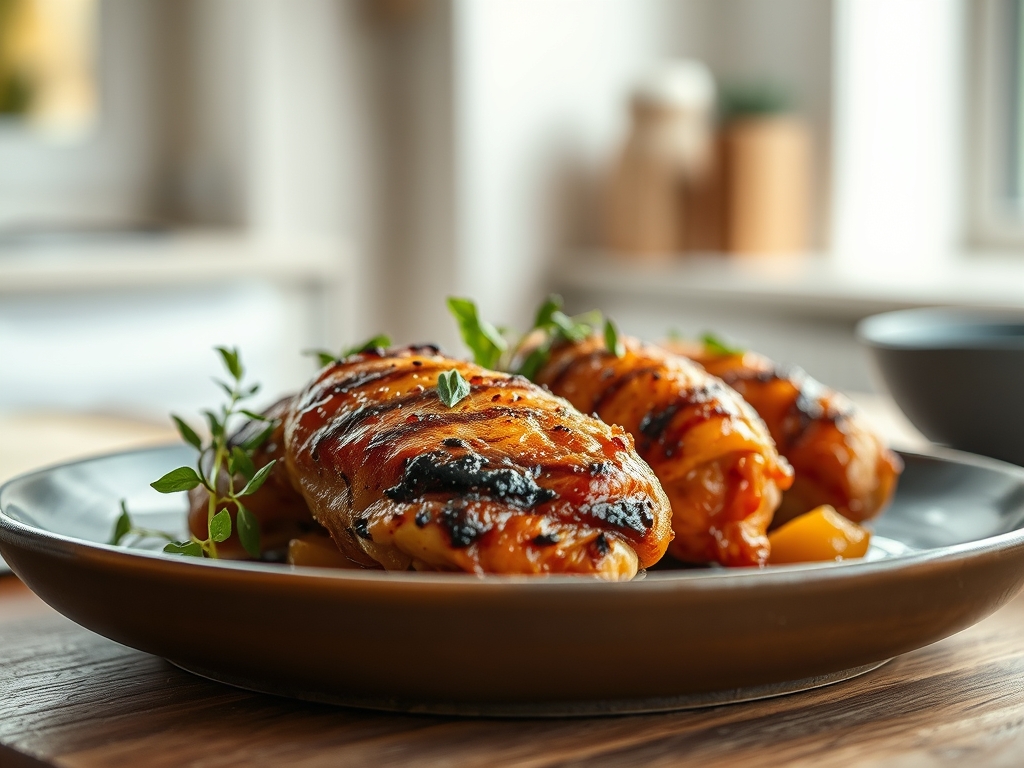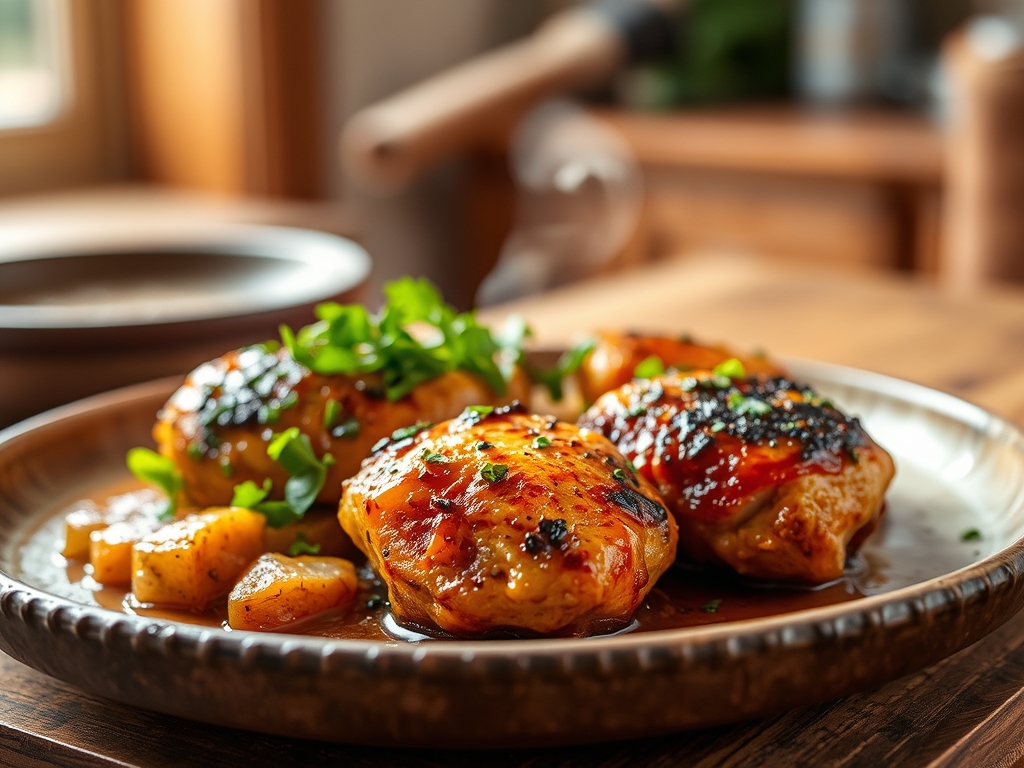
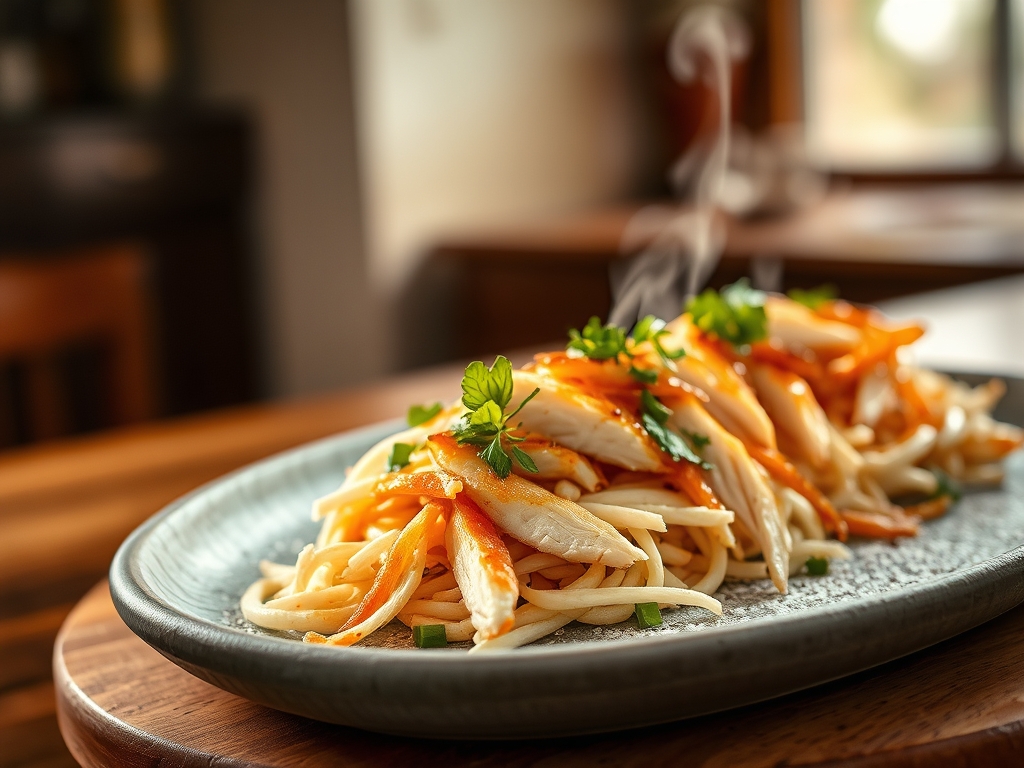
Close your eyes and listen to that high-pitched hiss as the protein hits the stainless steel. It is a sound that signals instant gratification. When you are hunting for shaved chicken recipes, you are not just looking for a meal; you are looking for a shortcut to incredible flavor without the forty-minute roasting window. Shaved chicken is the ultimate culinary chameleon. Because the surface area is so vast compared to the volume of each slice, every millimeter of the meat is primed for a heavy sear. We are talking about maximum Maillard reaction in under three minutes. This is the secret to weeknight dinners that taste like they required a professional line cook.
Think of shaved chicken as the sophisticated, leaner cousin of the Philly cheesesteak. It is delicate enough to fold into a piquant lemon-caper sauce but sturdy enough to hold its own against a viscous, fermented chili paste. Whether you are meal prepping for a high-protein lifestyle or just trying to get dinner on the table before the kids start a mutiny, mastering this thin-cut protein is a total game-changer. We are going to dive into the molecular magic of why this cut works, how to manipulate heat to prevent it from turning into cardboard, and eight distinct ways to elevate your kitchen game. Grab your favorite heavy-bottomed skillet and let's get to work.
The Gathers:
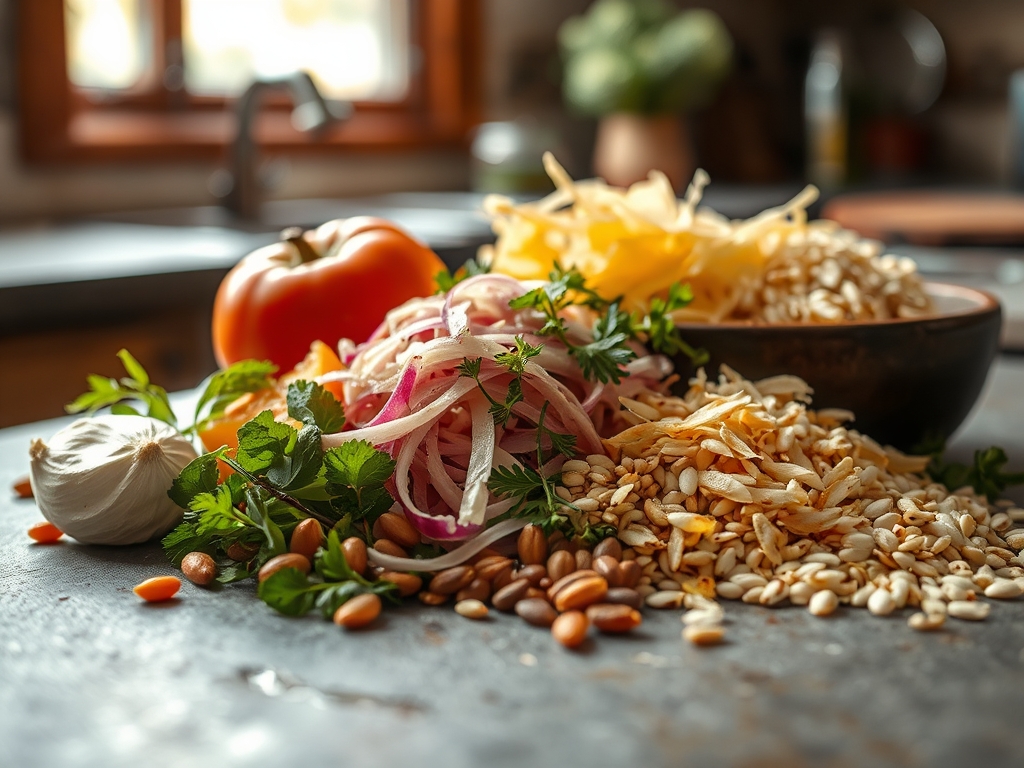
To execute these shaved chicken recipes with precision, your mise-en-place must be tight. Start with the protein itself. You want chicken breast or thigh that has been chilled until it is nearly frozen; this allows for paper-thin slices that do not tear. You will need a high-smoke-point fat like avocado oil or clarified butter to handle the intense heat required for a proper sear.
Gather your aromatic base: fresh garlic to be smashed, ginger for a zesty bite, and shallots for a delicate, sweet finish. For the sauces, keep a bottle of high-quality soy sauce, a bright acid like rice vinegar or lemon juice, and a touch of honey to balance the salinity. If you are looking for Smart Substitutions, try using coconut aminos if you are avoiding soy, or swap the chicken for shaved turkey breast for an even leaner profile. Don't forget the textural elements like toasted sesame seeds or micro-greens to provide a visual and sensory contrast to the tender meat.
The Clock: Chef's Flow
Efficiency in the kitchen is all about the "Chef's Flow." For these shaved chicken recipes, your preparation time is roughly fifteen minutes, mostly dedicated to slicing and whisking your sauces. The actual cooking time is remarkably short; usually between four and six minutes per batch.
The trick is to cook in small increments. If you crowd the pan, the temperature drops, and the meat begins to steam in its own juices rather than sear. This leads to a grey, rubbery texture. By staggering your batches, you maintain a high thermal mass in your skillet. Total time from fridge to table is under twenty-five minutes, making this the fastest gourmet option in your repertoire.
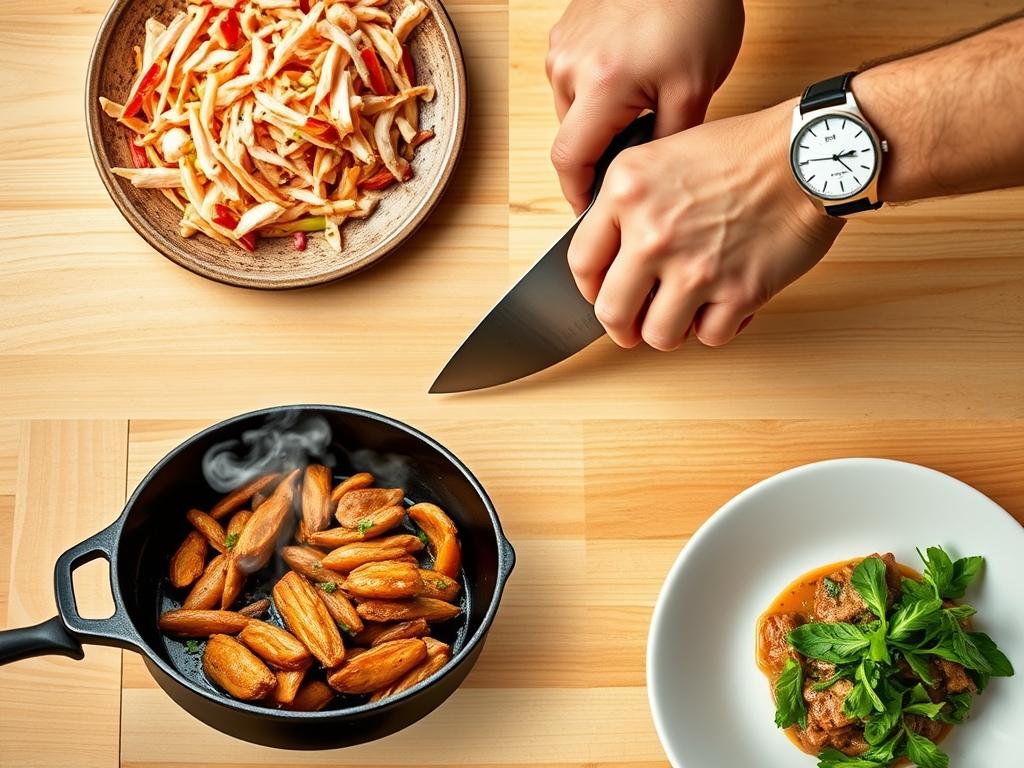
1. The High-Heat Flash Sear
Start by heating your heavy-bottomed skillet until a drop of water dances and evaporates instantly. Add your oil and swirl to coat. Lay the chicken in a single layer, resisting the urge to move it for at least sixty seconds. This allows the proteins to bond and brown beautifully.
Pro Tip: This technique relies on thermal conductivity. By leaving the meat undisturbed, you create a crust that locks in moisture. If you move it too soon, you break the protein bonds before they have caramelized, leading to sticking.
2. The Deglaze and Emulsify
Once your chicken is browned, remove it and look at the brown bits (the fond) stuck to the pan. Pour in a splash of white wine or chicken stock. Use a bench scraper or wooden spoon to lift those flavors. Add a cold pat of butter and whisk vigorously to create a silky, viscous sauce.
Pro Tip: This is the science of emulsification. The cold fat hitting the hot liquid, combined with the natural proteins in the fond, creates a stable sauce that coats the chicken without feeling greasy.
3. The Velveting Technique
For a silky, Chinese-takeout texture, toss your raw shaved chicken in a mixture of cornstarch and egg white before cooking. This creates a protective barrier that prevents the meat from overcooking and helps sauces cling to every surface.
Pro Tip: This process involves starch gelatinization. The cornstarch absorbs moisture and swells, creating a microscopic "jacket" around the chicken that keeps the interior tender even at high heat.
4. The Infused Aromatic Toss
Add your aromatics like garlic and ginger in the final thirty seconds of cooking. Use tongs to toss the chicken through the fragrant oil, ensuring every piece is coated but the garlic does not burn.
Pro Tip: Essential oils in aromatics are fat-soluble. By tossing them in the oil at the end, you infuse the fat with flavor which then coats the meat, rather than losing the volatile compounds to the air through prolonged heating.
5. The Acid Brightener
Just before serving, hit the pan with a squeeze of fresh citrus or a dash of vinegar. This cuts through the richness of the seared fat and wakes up the palate.
Pro Tip: Acid acts as a flavor enhancer by balancing the pH of the dish. It stimulates salivation, which helps your taste buds perceive the savory notes of the chicken more intensely.
6. The Carryover Resting Phase
Never serve shaved chicken straight from the pan to the plate. Move it to a warm bowl and cover it loosely for two minutes. This allows the muscle fibers to relax and reabsorb the juices.
Pro Tip: This is thermal carryover. The internal temperature will rise by a few degrees even after the heat source is removed. Resting ensures the juices stay in the meat rather than running out onto the plate.
7. The Umami Bomb
Incorporate ingredients like miso paste, nutritional yeast, or parmesan cheese into your final toss. These ingredients are packed with glutamates that provide a deep, savory satisfaction.
Pro Tip: Glutamates trigger the umami receptors on your tongue. When combined with the Maillard products from the sear, it creates a synergistic flavor profile that feels incredibly "meaty" and filling.
8. The Aerated Finish
If you are making a creamy sauce for your chicken, use a whisk to aerate the liquid just before serving. This lightens the texture and ensures the sauce feels luxurious rather than heavy.
Pro Tip: Incorporating air bubbles changes the viscosity and mouthfeel. It allows the sauce to sit higher on the palate, making the flavors feel brighter and more immediate.
The Deep Dive
When we look at the Macro Nutrition of shaved chicken, it is a powerhouse. A standard four-ounce serving provides roughly 26 grams of protein with minimal fat, depending on your oil usage. For Dietary Swaps, Keto followers should stick to butter or ghee and avoid cornstarch. For a Vegan alternative, use shaved seitan or king oyster mushrooms, which mimic the fibrous texture of chicken remarkably well. Gluten-free chefs should ensure their soy sauce is replaced with tamari.
The Fix-It:
- Tough Meat: Usually caused by overcooking. Fix it by adding a splash of broth and covering the pan for sixty seconds to steam and soften the fibers.
- Bland Flavor: You likely missed the deglazing step. Fix it by adding a dash of Worcestershire sauce or a pinch of sea salt and lemon.
- Soggy Texture: You crowded the pan. Fix it by removing the meat, cleaning the pan, and re-searing in smaller batches with fresh oil.
Meal Prep Science: To maintain "day-one" quality, store your chicken in an airtight container with a little extra sauce. When reheating, use the microwave at 50% power. This prevents the proteins from tightening up and becoming rubbery, as high-intensity microwaves vibrate water molecules too violently, causing moisture loss.
The Wrap-Up
Mastering shaved chicken recipes is like unlocking a secret level in a video game. It is fast, it is incredibly versatile, and it makes you look like a total pro with very little effort. By understanding the science of the sear and the importance of the rest, you can transform a basic protein into a gourmet experience. Whether you are tossing it into a salad, piling it onto a roll, or serving it over a bed of fluffy quinoa, you now have the technical tools to make it perfect every single time. Now, get into that kitchen and start searing; your taste buds will thank you!
The Kitchen Table
Can I shave chicken while it is completely frozen?
It is actually easier to shave chicken when it is partially frozen. Aim for about 30 to 45 minutes in the freezer. This firms the tissue so your knife glides through without the meat sliding or tearing under the blade.
What is the best pan for shaved chicken?
A cast iron or stainless steel skillet is best. These materials have high heat retention, which is crucial for achieving a deep sear quickly. Non-stick pans often cannot handle the high heat required for the Maillard reaction.
How do I prevent the thin slices from sticking together?
Toss the raw slices with a tablespoon of oil and your seasonings in a bowl before they hit the pan. This coats each piece individually, ensuring they separate easily once they contact the hot cooking surface.
Can I use this method for chicken thighs?
Absolutely. Shaved chicken thighs are actually more forgiving because they have a higher fat content. They stay juicy even if you cook them slightly longer, making them a great choice for beginners or for reheating later.