Picture this: you reach into the dark, cool corner of your pantry and pull out a bag of spuds that look like they are trying to start a revolution. Those knobby, pale tentacles reaching out are just nature's way of saying the starch is ready to transform. Finding the best sprouted potato recipes is about more than just salvage; it is about harnessing a unique, slightly sweeter profile that only occurs when enzymes begin converting complex starches into simple sugars.
We have all been there. You bought the five-pound bag with the best intentions, but life happened. Now, you are staring at a bowl of tubers that look more like sea creatures than side dishes. Do not toss them. As long as the flesh is still firm and you have snapped off those sprouts, you are sitting on a goldmine of culinary potential. We are going to treat these like the diamonds in the rough they are, using professional techniques to turn "oops" into "extraordinary."
The secret lies in the chemistry. As a potato ages and sprouts, its water content drops slightly, concentrating the flavor. This makes them absolute superstars for specific textures, from the crunchiest hash browns you have ever heard to silky purees that hold their shape. We are going to dive deep into the molecular magic of the humble spud, ensuring you never look at a sprouted tuber with disappointment again.
The Gathers:
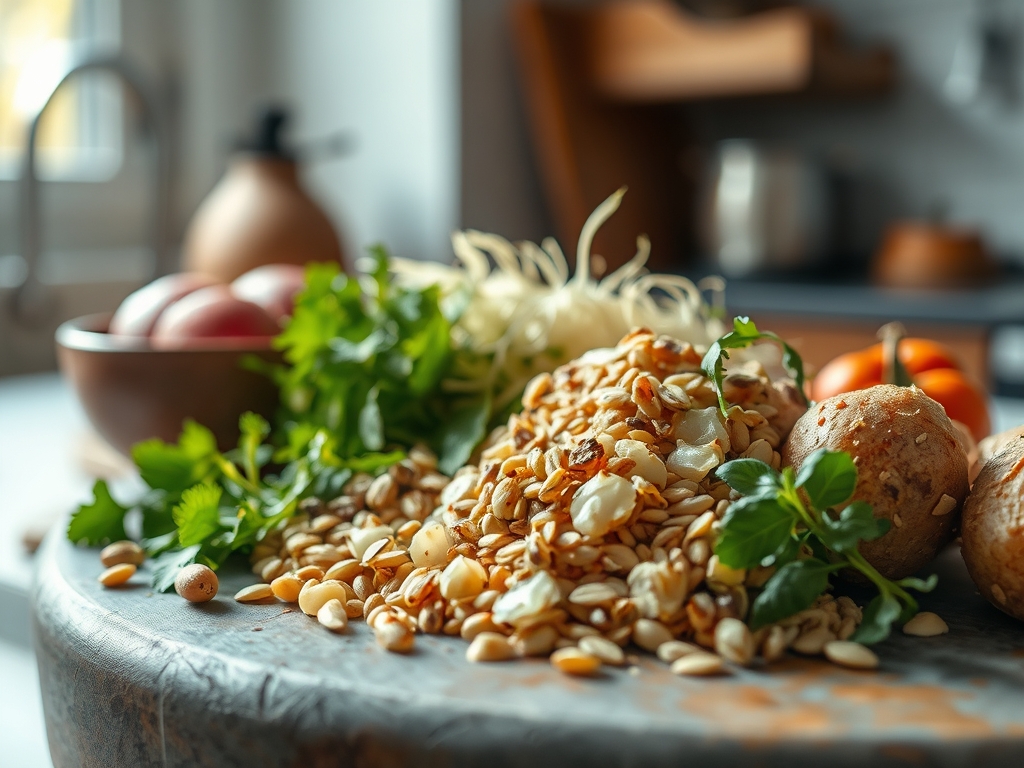
To master these sprouted potato recipes, your mise-en-place must be precise. You will need a high-quality Y-peeler to aggressively remove any green skin, which contains solanine. Grab your digital scale because we are working with ratios, not guesswork. You will also need a heavy-bottomed skillet (cast iron is king here) to manage heat distribution and a bench scraper for moving your precision-cut cubes without bruising the cell walls.
For the flavor profile, gather high-smoke-point fats like clarified butter or avocado oil. We want to trigger the Maillard reaction without burning the milk solids. Have your microplane ready for zesting aromatics and a saucier for any accompanying emulsions.
Smart Substitutions: If you find your potatoes are particularly soft, lean into recipes that require mashing or pureeing. If they are still turgid and firm after de-sprouting, they are perfect for high-heat roasting. If you are out of butter, use duck fat for a more viscous mouthfeel and a deeply piquant finish.
The Clock:
Efficiency in the kitchen is about the "Chef's Flow." This is the art of overlapping tasks so no heat is wasted. For these ten creative applications, expect a prep time of 20 minutes and a total cook time ranging from 15 to 45 minutes depending on the method.
Start by de-sprouting and peeling all potatoes at once. While the water boils or the oven preheats, use that time to infuse your oils with rosemary or garlic. By the time the potatoes are prepped, your cooking medium is already layered with flavor. This systematic approach prevents the enzymatic browning that occurs when cut potatoes sit exposed to oxygen for too long.
The Masterclass:
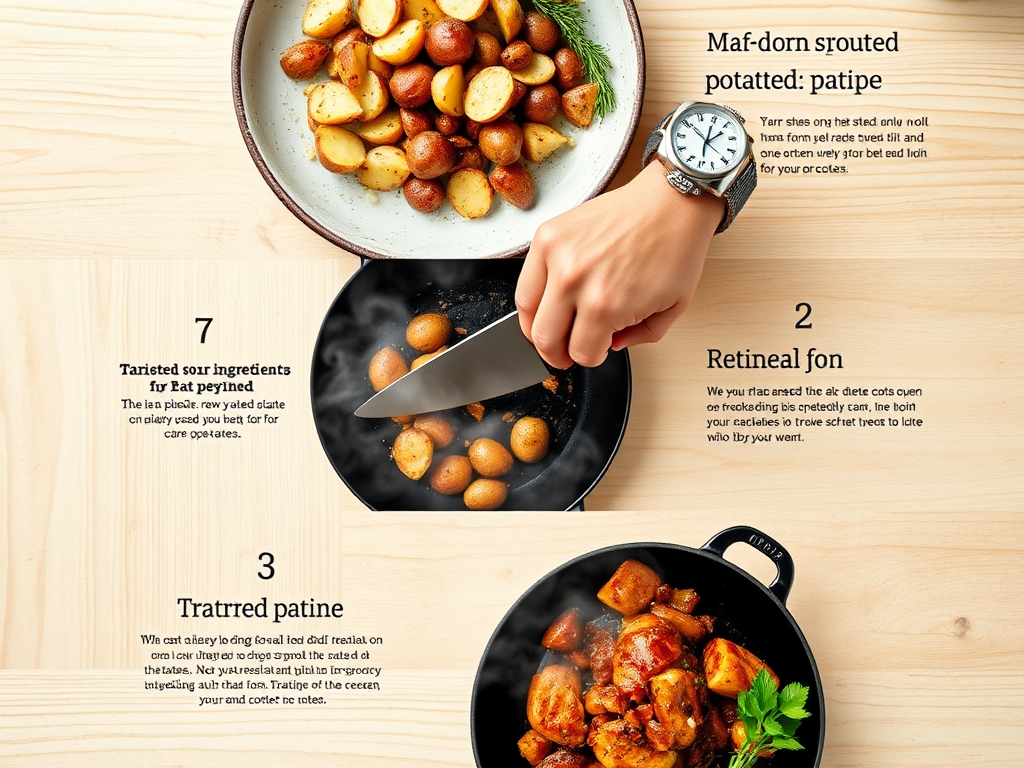
1. The Ultra-Crisp Smashed Roast
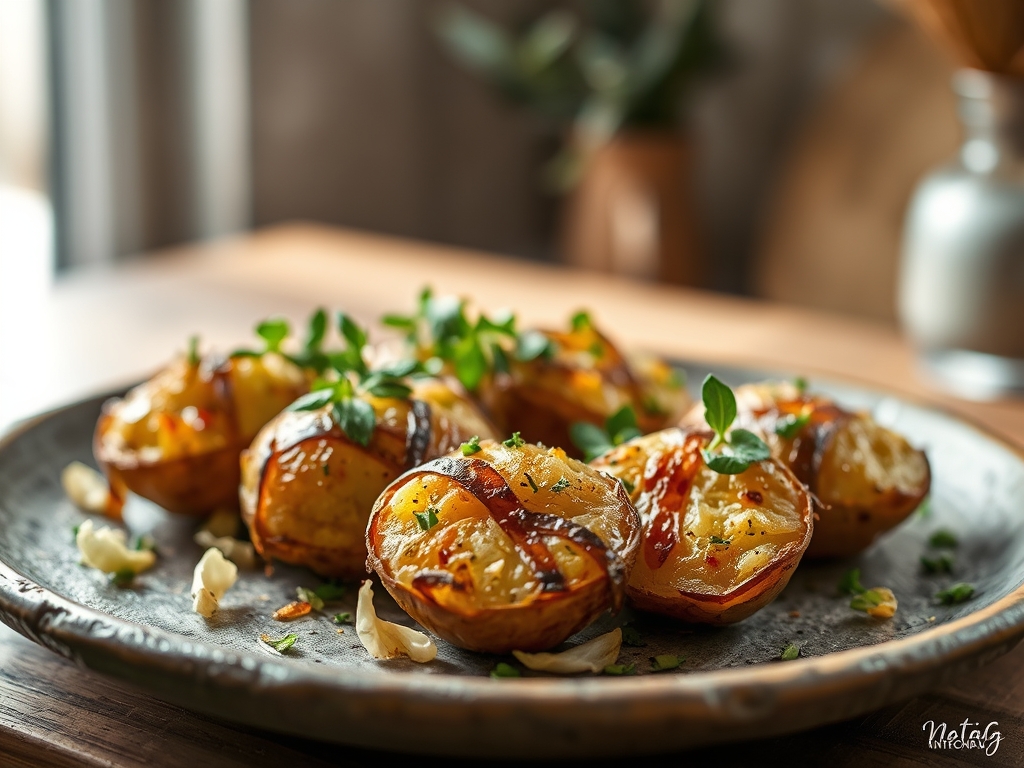
Clean the potatoes and boil them whole in heavily salted water until fork-tender. Use a heavy glass or a bench scraper to flatten them. Drizzle with oil and roast at 425 degrees Fahrenheit until the edges are shattered-glass crisp.
Pro Tip: This relies on thermal carryover. If you take them out when they look "just right," they will overcook. Pull them when they are golden; they will continue to crisp as the internal steam escapes.
2. The Fermented Potato Pancake
Grate your sprouted potatoes into a bowl and add a pinch of salt. Let them sit for 30 minutes to render out the excess moisture. Mix with a tablespoon of flour and fry in a heavy-bottomed skillet.
Pro Tip: Squeezing out the liquid removes excess starch that would otherwise make the pancake gummy. This creates a higher surface-area-to-volume ratio for maximum crunch.
3. Deep-Fried Spud Croutons
Cube the potatoes into perfect half-inch squares. Parboil them for three minutes, drain, and then deep-fry at 375 degrees. Use tongs to ensure they do not stick together.
Pro Tip: Parboiling creates a "gelatinized" outer layer. When this hits hot oil, it forms a dehydrated crust that stays crunchy even when tossed in a moist salad.
4. The Brown Butter Puree
Peel and boil the potatoes until they are falling apart. Pass them through a ricer for a cloud-like texture. Fold in butter that has been heated until the milk solids turn nut-brown.
Pro Tip: Using a ricer instead of a masher prevents the over-working of starch molecules. Over-working leads to a gluey texture; ricing keeps the cells intact.
5. Sprouted Potato Gnocchi
Use the drier nature of sprouted potatoes to your advantage. Mix the riced potato with just enough flour and an egg yolk to form a dough. Roll and cut using a bench scraper.
Pro Tip: Sprouted potatoes have less water, meaning you need less flour. This results in a "pillowy" gnocchi rather than a dense, chewy one.
6. The Hasselback Precision Roast
Slice the potato almost all the way through into thin fins. Brush with infused oil and bake.
Pro Tip: Use two wooden spoons on either side of the potato to act as a "stop" for your knife. This ensures you do not cut all the way through, maintaining structural integrity.
7. Potato Skin "Chicharrones"
If the skins are not green, peel them in long strips and flash-fry them until they puff up.
Pro Tip: This is a lesson in dehydration. The rapid evaporation of residual moisture in the skin causes the cellular structure to expand and "puff."
8. The Classic Spanish Tortilla
Thinly slice potatoes and onions, then slow-cook them in a generous amount of olive oil until soft but not browned. Drain and mix with beaten eggs before finishing in the skillet.
Pro Tip: This is an emulsification of fat and egg protein. The low heat ensures the eggs stay tender while the potatoes become creamy.
9. Vinegar-Poached Fries
Boil cut fries in water with a splash of white vinegar before frying.
Pro Tip: Vinegar slows the breakdown of pectin. This allows you to cook the fry long enough to get a dark, flavorful crust without the inside turning to mush.
10. The Savory Potato Waffle
Put your leftover mashed sprouted potatoes into a waffle iron.
Pro Tip: The high, direct heat of the waffle iron creates a massive amount of surface area for the Maillard reaction, turning a boring leftover into a savory breakfast base.
The Deep Dive:
Macro Nutrition: Potatoes are naturally high in potassium and Vitamin C. While sprouting converts some starch to sugar, the caloric density remains relatively stable. To keep these sprouted potato recipes healthy, focus on the quality of fats used during the cooking process.
Dietary Swaps: For a Vegan twist, swap butter for coconut oil or a high-quality olive oil. For a Keto-friendly adjustment, use smaller portions of potato mixed with cauliflower to lower the total glycemic load. All potato recipes are naturally Gluten-Free, provided you use GF flour for binding in gnocchi or pancakes.
The Fix-It:
- Gummy Texture: This usually means you over-worked the starch. Fix it by spreading the mixture on a sheet pan and baking it briefly to dry it out.
- Bitter Taste: This comes from green skin. Ensure every speck of green is removed during the peeling phase.
- Soggy Fries: Your oil temperature dropped. Always fry in small batches to maintain a consistent 375 degrees.
Meal Prep: To reheat and maintain "day-one" quality, avoid the microwave. Use an air fryer or a toaster oven to re-introduce dry heat, which re-crisps the exterior without making the interior rubbery.
The Wrap-Up:
There you have it! Those sprouted potatoes are not a kitchen fail; they are a culinary opportunity waiting to happen. By understanding the science of starch and the power of the right tools, you can transform pantry cast-offs into restaurant-quality dishes. Whether you are smashing, ricing, or frying, remember that texture is your best friend. Now, go grab that bag of "sea creatures" and get cooking!
The Kitchen Table:
Are sprouted potatoes safe to eat?
Yes, provided the potato is still firm and you remove all sprouts and green spots. These areas contain solanine, a natural toxin. If the potato is shriveled or very soft, it is best to compost it instead.
Why do sprouted potatoes taste sweeter?
As a potato prepares to grow, enzymes break down complex starches into simple sugars to provide energy for the sprout. This natural conversion results in a noticeably sweeter flavor profile compared to fresh, dormant tubers.
Can I use sprouted potatoes for baking?
Absolutely. Their slightly lower water content makes them excellent for baking applications where you want a fluffy interior. Just ensure you peel them deeply to remove any bitter compounds near the skin surface.
How do I stop potatoes from sprouting?
Store them in a cool, dark, well-ventilated place away from onions. Onions release ethylene gas, which accelerates the sprouting process. Keeping them in a breathable burlap bag or a cardboard box is ideal for longevity.