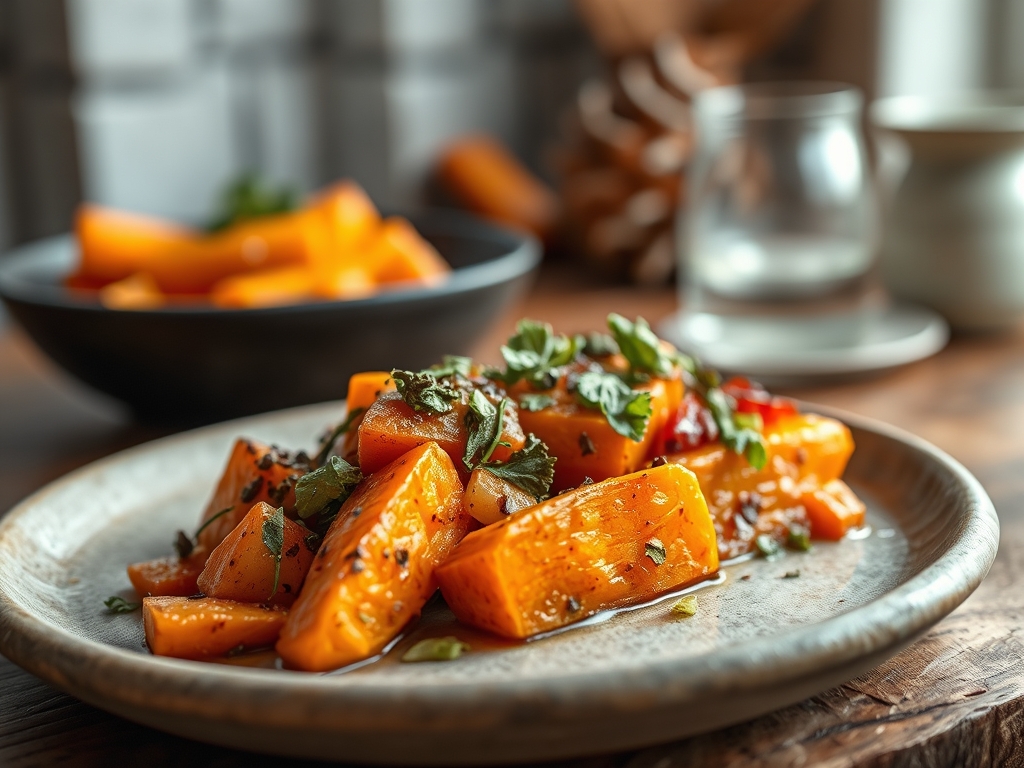
Imagine the scent of caramelized sugars drifting through your kitchen as the oven works its magic on a tray of vibrant orange cubes. There is something deeply primal and satisfying about mastering roasted butternut squash and sweet potato recipes; it is the ultimate intersection of comfort and culinary chemistry. When these two starches meet high heat, they transform from dense, fibrous roots into velvet textured gems with crispy, charred edges. We are not just tossing vegetables in a pan here. We are orchestrating a complex series of chemical reactions to achieve the perfect balance of savory and sweet.
Whether you are prepping for a cozy weeknight dinner or looking to impress at a holiday gathering, these roasted butternut squash and sweet potato recipes offer a versatile canvas for bold spices and fresh herbs. The secret lies in the Maillard reaction, where amino acids and reducing sugars react under heat to create hundreds of different flavor compounds. By the time we are finished, you will understand exactly how to manipulate moisture and temperature to ensure every bite is a revelation. Grab your favorite apron and a sharp knife; it is time to turn these humble tubers into a masterpiece of texture and taste.
The Gathers:
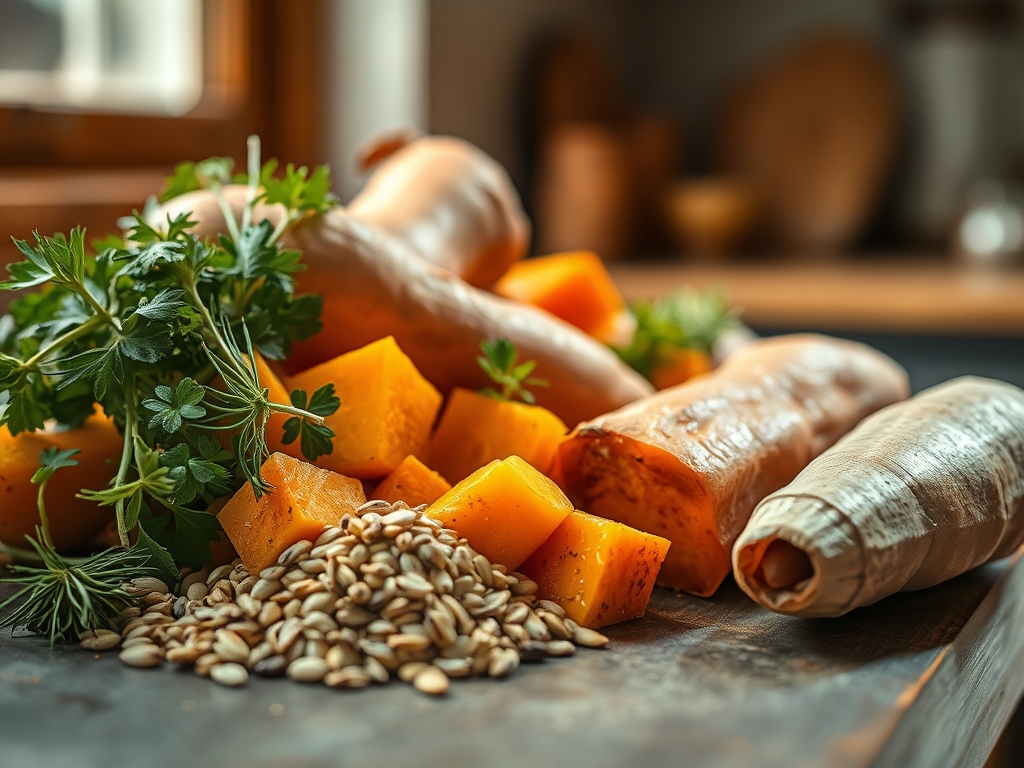
To begin, you need to gather your mise en place with precision. Start with one large butternut squash and two medium sweet potatoes. Look for vegetables that feel heavy for their size; this indicates a high water content which will eventually steam the interior while the exterior roasts. You will also need high quality fats. I recommend a combination of avocado oil for its high smoke point and a touch of clarified butter for that rich, nutty aroma.
For the aromatics, gather fresh rosemary, thyme, and four cloves of garlic. You will also need a high quality sea salt, such as Maldon, and freshly cracked black pepper. To elevate the profile, keep a piquant acid nearby like apple cider vinegar or a squeeze of lemon juice to brighten the finish.
Smart Substitutions: If you are out of butternut squash, Red Kuri or Honeynut squash are excellent alternatives due to their similar density. If you want to lower the glycemic index, you can swap half of the sweet potato for carrots or parsnips. For a vegan fat substitute, use refined coconut oil; it provides a viscous mouthfeel without the coconut flavor, ensuring your spices adhere perfectly to every surface.
The Clock
Efficiency in the kitchen is all about the "Chef's Flow." Total prep time should take about 20 minutes if your knife skills are sharp. The roasting process itself requires 30 to 40 minutes at 425 degrees Fahrenheit.
The flow is simple: preheat the oven first so the rack and air are at a stable temperature before the tray enters. While the oven climbs, peel and cube your vegetables. By the time you have tossed them in your bowl with oils and spices, the oven is primed. This prevents the vegetables from sitting in salt too long, which can draw out moisture and lead to steaming rather than roasting.
The Masterclass
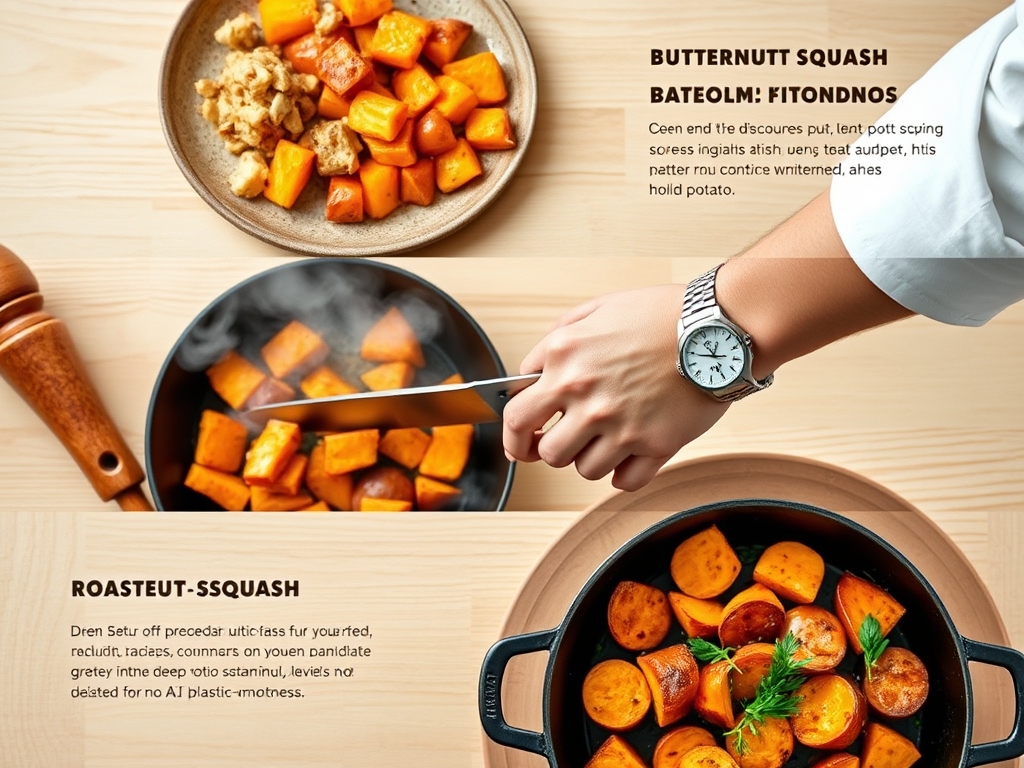
1. The Precision Cut
Using a sharp chef knife or a heavy duty peeler, remove the tough outer skins. Use a metal spoon to scrape out the squash seeds. Cube both the squash and potatoes into uniform one inch pieces. Consistency is vital for even heat distribution.
Pro Tip: Uniformity prevents smaller pieces from carbonizing before larger pieces reach the desired internal temperature. This is known as thermal equilibrium; ensuring every piece finishes cooking at the exact same moment.
2. The Fat Emulsification
Place your cubes in a large mixing bowl. Drizzle with your oil and melted butter. Use your hands or a large silicone spatula to toss vigorously. You want a thin, translucent coating on every single side of every cube.
Pro Tip: Coating the vegetables thoroughly creates a hydrophobic barrier. This prevents the interior moisture from escaping too quickly, allowing the starch to gelatinize and become creamy while the outside crisps.
3. The Seasoning Layer
Sprinkle your salt, pepper, and minced herbs over the oiled vegetables. If you are using a microplane, zest a bit of lemon over the top now. The oils will act as a carrier for the fat soluble compounds in the herbs, infusing the vegetables deeply.
Pro Tip: Adding salt at this stage initiates osmotic pressure. It draws just enough moisture to the surface to dissolve the salt crystals, creating a seasoned brine that penetrates the flesh rather than just sitting on top.
4. The Sheet Pan Layout
Transfer the mixture to a heavy rimmed baking sheet. Spread them out so no two pieces are touching. If the pan is crowded, use a second sheet. Use a bench scraper to gather any stray bits of garlic or herbs and distribute them evenly.
Pro Tip: Crowding the pan creates a "steam tent" effect. When vegetables are too close, the evaporating water trapped between them prevents the temperature from rising above 212 degrees Fahrenheit, which stalls the Maillard reaction.
5. The High Heat Roast
Slide the tray into the center of the oven. At the 20 minute mark, use metal tongs or a wide spatula to flip the pieces. This ensures that the side in contact with the hot metal does not burn while the top side develops a golden hue.
Pro Tip: This flip utilizes conductive heat from the pan. By rotating the vegetables, you ensure that the "hot spots" of the oven do not cause uneven enzymatic browning, resulting in a complex, multi dimensional flavor profile.
6. The Final Infusion
Once the edges are charred and the centers are fork tender, remove the pan. While still piping hot, toss with a splash of vinegar or a drizzle of honey. The residual heat will slightly evaporate the liquid, leaving behind a concentrated glaze.
Pro Tip: This is the "carryover cooking" phase. The internal temperature will continue to rise by about five degrees after removal. Adding acid now cuts through the richness of the fats and balances the natural sugars.
The Deep Dive
From a macro nutrition perspective, these roasted butternut squash and sweet potato recipes are powerhouses. They are loaded with Beta-carotene, Vitamin A, and fiber. One serving typically contains about 180 calories, 4 grams of fiber, and 2 grams of protein, depending on the amount of fat used.
Dietary Swaps: To make this Keto friendly, replace the sweet potato with cauliflower or radishes. For a strictly Vegan version, stick to avocado or olive oil and skip the honey in favor of maple syrup. All these recipes are naturally Gluten Free, making them a safe bet for any dinner party.
The Fix-It:
- Soggy Vegetables: This usually means the oven temperature was too low or the pan was crowded. Fix it by cranking the heat to 450 for the last five minutes.
- Burnt Herbs: If your rosemary turns black, you likely minced it too fine. Next time, leave the sprigs whole and discard them after roasting.
- Bland Flavor: If it tastes flat, it lacks acid. A quick spray of lime or a dusting of smoked paprika can save the dish instantly.
Meal Prep: To reheat, avoid the microwave as it turns the starch into a gummy mess. Instead, use a toaster oven or a heavy-bottomed skillet over medium heat. A quick sear in a pan will re-crisp the exterior, providing that "day-one" quality and texture.
The Wrap-Up
Mastering roasted butternut squash and sweet potato recipes is like learning a secret language of flavor. Once you understand how heat interacts with these starches, you can pivot into endless variations. Add chili flakes for heat, or cinnamon for a dessert-leaning side dish. The kitchen is your laboratory; do not be afraid to experiment with different fats and acids. You now have the technical foundation to produce a restaurant quality side dish that is as nourishing as it is delicious.
The Kitchen Table
How do I stop my squash from sticking to the pan?
Preheat your baking sheet in the oven before adding the vegetables. When the oiled squash hits the hot metal, it sears immediately; creating a crust that releases easily once cooked. Using parchment paper is a foolproof secondary option.
Can I roast these vegetables at a lower temperature?
You can, but you will lose the crispy exterior. Lower temperatures (350 degrees) will steam the vegetables through, resulting in a soft, mash-like texture. For the best flavor, stick to 400 degrees Fahrenheit or higher to trigger caramelization.
Do I need to peel the sweet potatoes?
It is a matter of preference. Sweet potato skins are edible and contain significant fiber. If you leave them on, scrub them thoroughly. However, for a refined culinary presentation, peeling provides a more uniform and elegant look.
How long do leftovers stay fresh in the fridge?
Stored in an airtight glass container, these roasted vegetables will last four to five days. For the best results, ensure they have cooled completely before sealing the lid to prevent excess condensation from making them mushy.