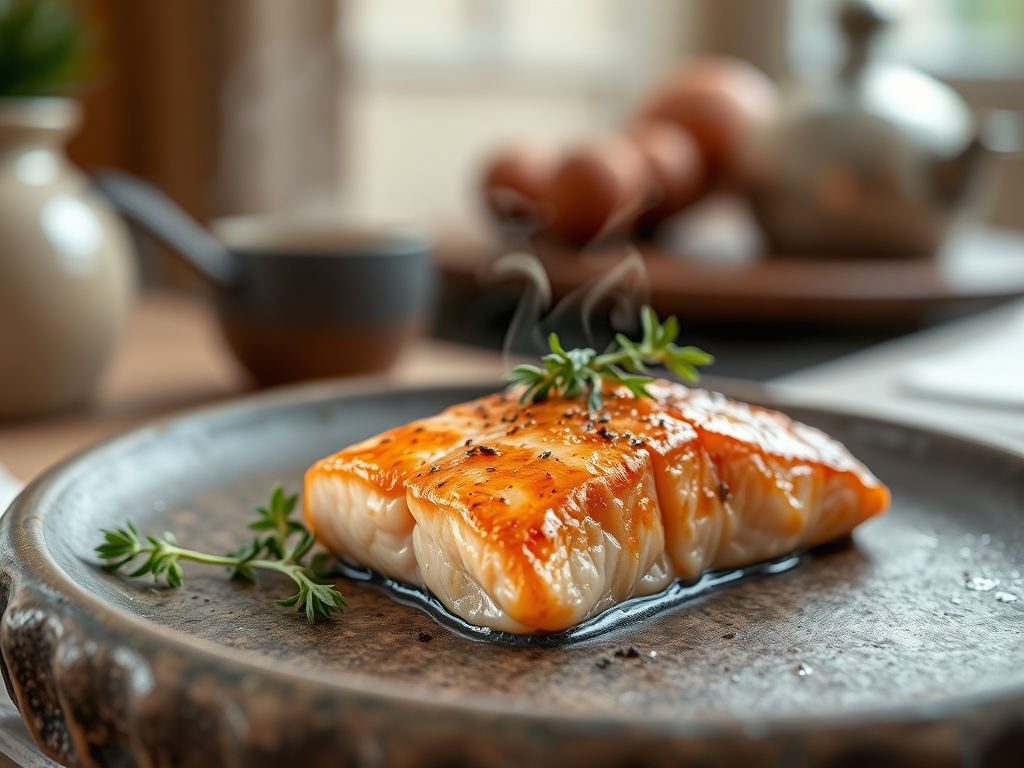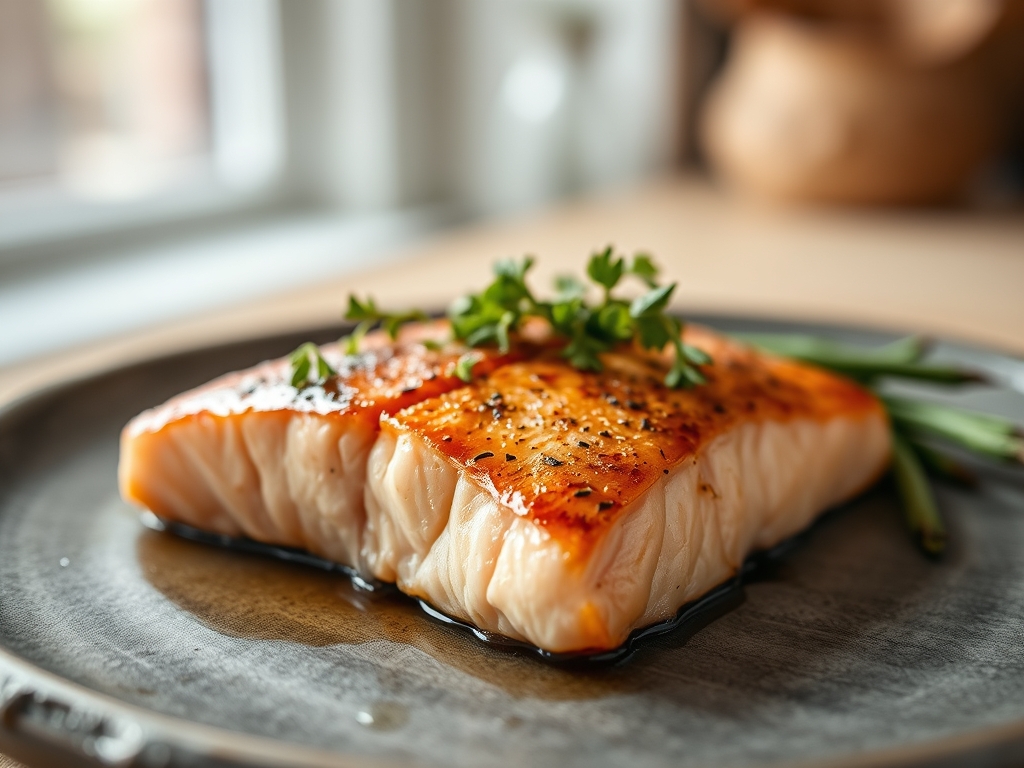
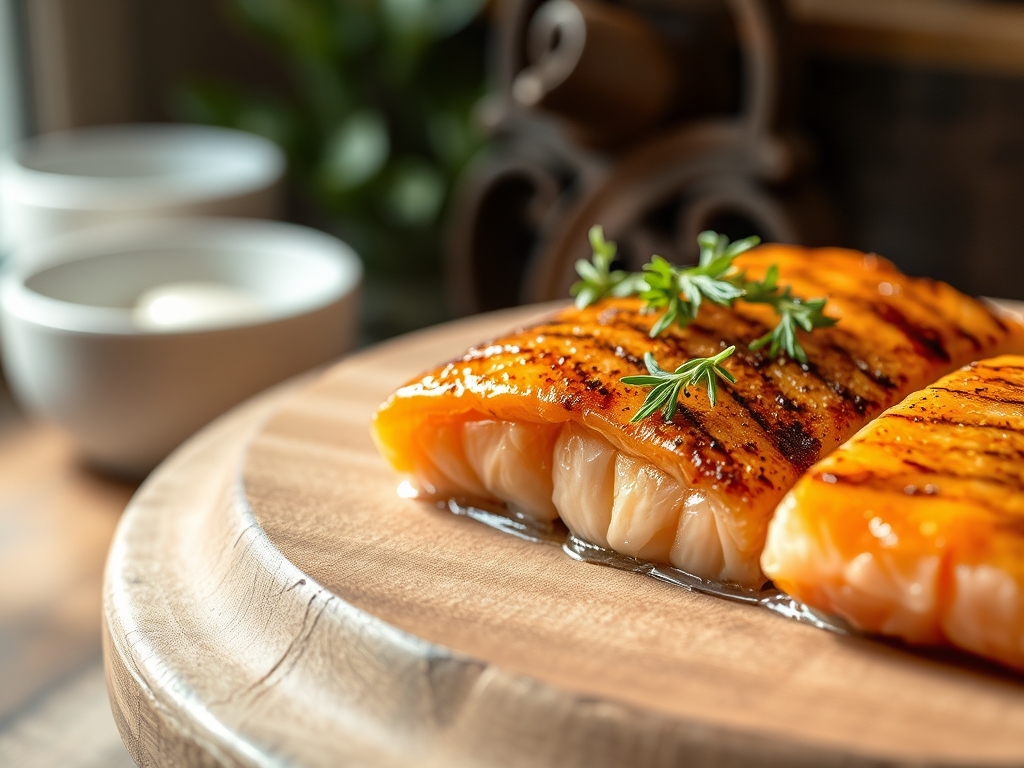
Imagine the scent of a Pacific Northwest forest colliding with the sharp, salty tang of the sea. That is the magic of cedar plank smoked salmon recipes. It is not just a meal; it is a thermal event where the wood acts as both a vessel and a seasoning. When you lay a cold fillet of King or Sockeye salmon onto a saturated piece of Western Red Cedar, you are initiating a complex exchange of essential oils and moisture. The wood serves as a heat shield, preventing the delicate proteins from seizing up against the direct flame of your grill. Instead, the salmon gently steams in its own juices while the bottom of the plank charrs, releasing guaiacol and syringol. These are the chemical compounds responsible for that classic smoky, campfire aroma we crave. Whether you are hosting a rooftop dinner or a quiet backyard gathering, mastering this technique elevates you from a home cook to a culinary architect who understands the nuance of wood-fired flavor.
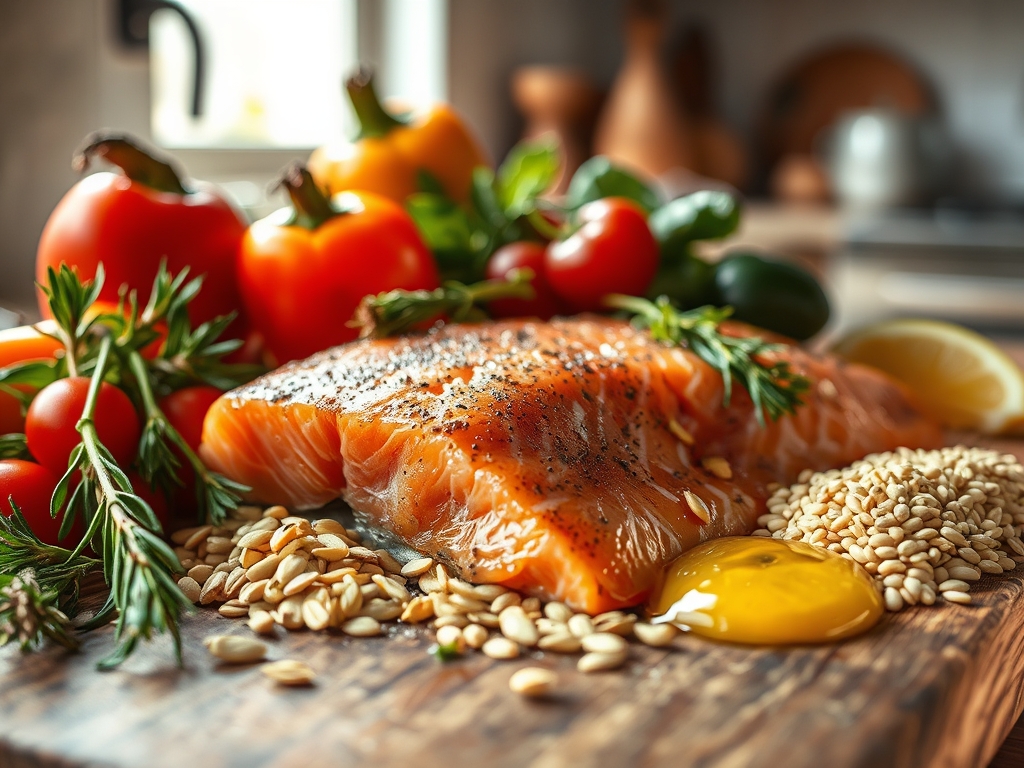
The Gathers:
To execute this masterpiece, your mise-en-place must be precise. Start with a side of salmon, ideally center-cut for uniform thickness. You will need high-quality cedar planks, which should be food-grade and untreated. For the glaze, gather high-viscosity maple syrup, grainy Dijon mustard for a piquant kick, and fresh lemons. Use a microplane to zest the citrus, ensuring you only capture the oil-rich flavedo and none of the bitter white pith. You will also need kosher salt, cracked black pepper, and a bunch of fresh dill.
Smart Substitutions: If cedar is unavailable, alder wood planks offer a more subtle, sweet profile. For those avoiding sugar, swap the maple syrup for an emulsified balsamic reduction or a keto-friendly monk fruit syrup. If you cannot find fresh dill, fennel fronds provide a similar herbaceous lift with a slight anise finish. Always keep a digital scale nearby to ensure your glaze ratios are consistent; precision is the difference between a sticky lacquer and a runny mess.
The Clock
Efficiency in the kitchen is about understanding Chef's Flow. This process requires a total of 2 hours, but only 20 minutes is active labor. You must account for the mandatory 60-minute plank soak; skipping this leads to a literal grease fire rather than a gentle smoke. Prep time for the salmon and glaze takes 10 minutes. The actual cook time ranges from 15 to 25 minutes depending on the thickness of the fillet and the ambient temperature of your grill. Finally, a 5-minute rest is non-negotiable to allow for thermal carryover, ensuring the juices redistribute rather than spilling out onto the board.
The Masterclass
1. The Saturation Phase
Submerge your cedar planks in water for at least one hour. Weight them down with a heavy-bottomed skillet to ensure they stay fully underwater.
Pro Tip: This hydration process creates a moisture barrier. As the plank heats, the water turns to steam, which aerates the space between the wood and the fish, preventing the salmon from sticking and ensuring a tender texture.
2. The Surface Preparation
Pat the salmon dry with paper towels. Use a bench scraper to check for any stray scales on your work surface. Season the flesh generously with salt and pepper.
Pro Tip: Removing surface moisture is vital for the Maillard reaction. Even though we are smoking, a dry surface allows the proteins to bond with the glaze more effectively, creating a professional-grade crust.
3. The Glaze Synthesis
In a small saucier, whisk together the maple syrup, Dijon, and lemon zest. Heat it slightly on low until it becomes a cohesive, viscous liquid.
Pro Tip: Heating the glaze helps infuse the lemon oils into the syrup. This reduces the surface tension of the liquid, allowing it to coat the fish in a thin, even layer rather than beading up.
4. The Thermal Transfer
Place the salmon on the plank and set it over direct medium heat on your grill. Close the lid to trap the smoke.
Pro Tip: This is a hybrid cooking method. The bottom of the plank undergoes pyrolysis, releasing smoke, while the top of the plank acts as an insulator. This prevents the salmon fats from rendering too quickly, which keeps the meat succulent.
5. The Finishing Touch
Once the internal temperature reaches 130 degrees Fahrenheit, use tongs to carefully move the plank to a cool zone or remove it entirely.
Pro Tip: Thermal carryover will continue to raise the internal temperature by about 5 degrees after you stop the heat. Pulling the fish early ensures you land at a perfect, buttery medium-rare of 135 degrees.
The Deep Dive
Macro Nutrition: A 6-ounce serving of cedar plank salmon is a nutritional powerhouse. It provides roughly 34 grams of high-quality protein and is rich in Omega-3 fatty acids. Because we use a wood-plank method, we minimize the need for added fats like butter or oil, keeping the calorie count around 350 per serving depending on the glaze density.
Dietary Swaps: For a Vegan alternative, use the same cedar-plank method with thick slabs of cauliflower or firm tofu, though you should decrease the cook time. For Keto enthusiasts, replace the maple syrup with melted ghee and extra lemon juice. This recipe is naturally Gluten-Free, provided your mustard does not contain wheat-based thickeners.
The Fix-It:
- The Plank Catches Fire: This happens if the wood was not soaked long enough. Keep a spray bottle of water handy to douse flames without ruining the smoke.
- Albumin Bleed: Those white spots on the salmon are coagulated proteins. This happens if the heat is too high. Lower your grill temperature to slow down the protein contraction.
- Dry Texture: You likely overcooked it. Use a digital thermometer to pull the fish at 130 degrees.
Meal Prep: To reheat, do not use a microwave; it turns the fats rancid. Instead, wrap the cold salmon in foil with a splash of water and heat in a 300-degree oven for 8 minutes. This creates a mini-steam chamber that restores the "day-one" silkiness.
The Wrap-Up
Mastering cedar plank smoked salmon recipes is your ticket to becoming the ultimate host. It is a dish that looks incredibly sophisticated but relies on simple, foundational chemistry. By controlling the moisture of the wood and the internal temperature of the fish, you create a sensory experience that no indoor oven can replicate. So, grab your planks, fire up the grill, and get ready to impress your friends with salmon that is as smart as it is delicious.
The Kitchen Table
How long should I soak the cedar planks?
Soak your planks for at least 60 to 90 minutes. This prevents the wood from burning too quickly and creates the necessary steam to keep the salmon moist during the smoking process. Use a heavy object to keep them submerged.
What temperature should the grill be?
Aim for a consistent medium heat, roughly 350 to 375 degrees Fahrenheit. This allows the plank to char and release smoke without incinerating the bottom or overcooking the delicate salmon proteins too rapidly.
Can I reuse the cedar planks?
If the plank is not heavily charred or cracked, you can scrub it with hot water (no soap) and reuse it once. However, for the best flavor profile and hygiene, using a fresh plank is always recommended.
How do I know when the salmon is done?
The salmon is perfect when the internal temperature reaches 130 to 135 degrees Fahrenheit. The flesh should be opaque and flake easily with a fork, but still retain a moist, buttery texture in the center.
Why is my salmon oozing white stuff?
That white substance is albumin, a harmless protein. It appears when salmon is cooked too fast or at too high a temperature, causing the muscle fibers to contract and squeeze the protein to the surface.