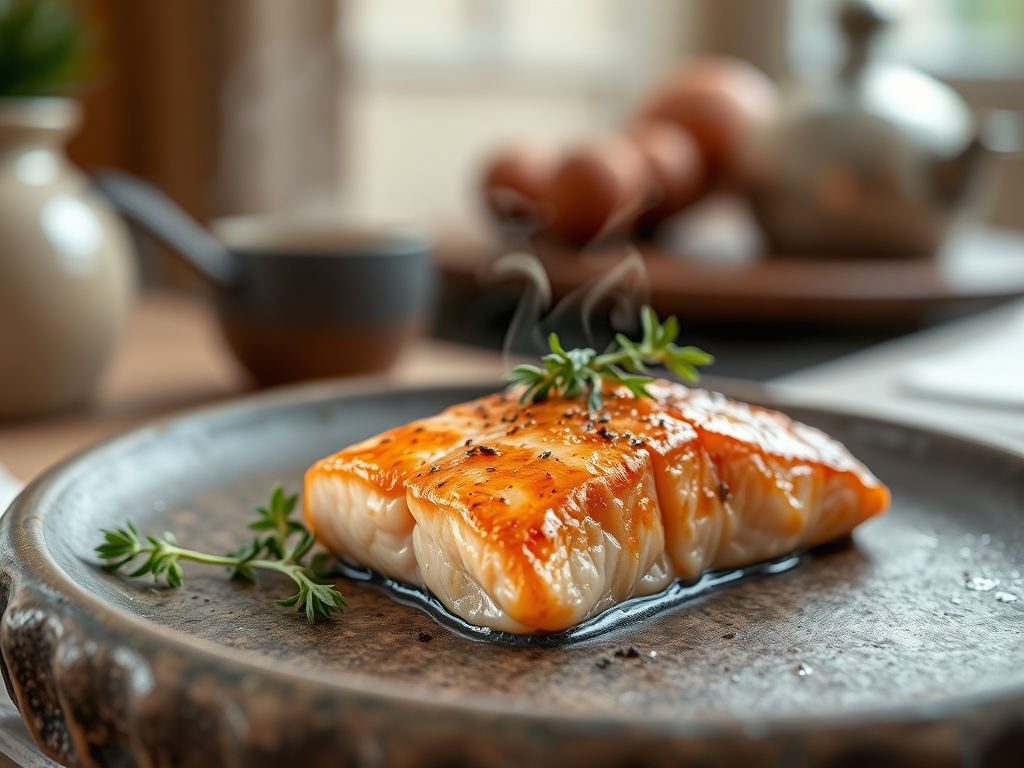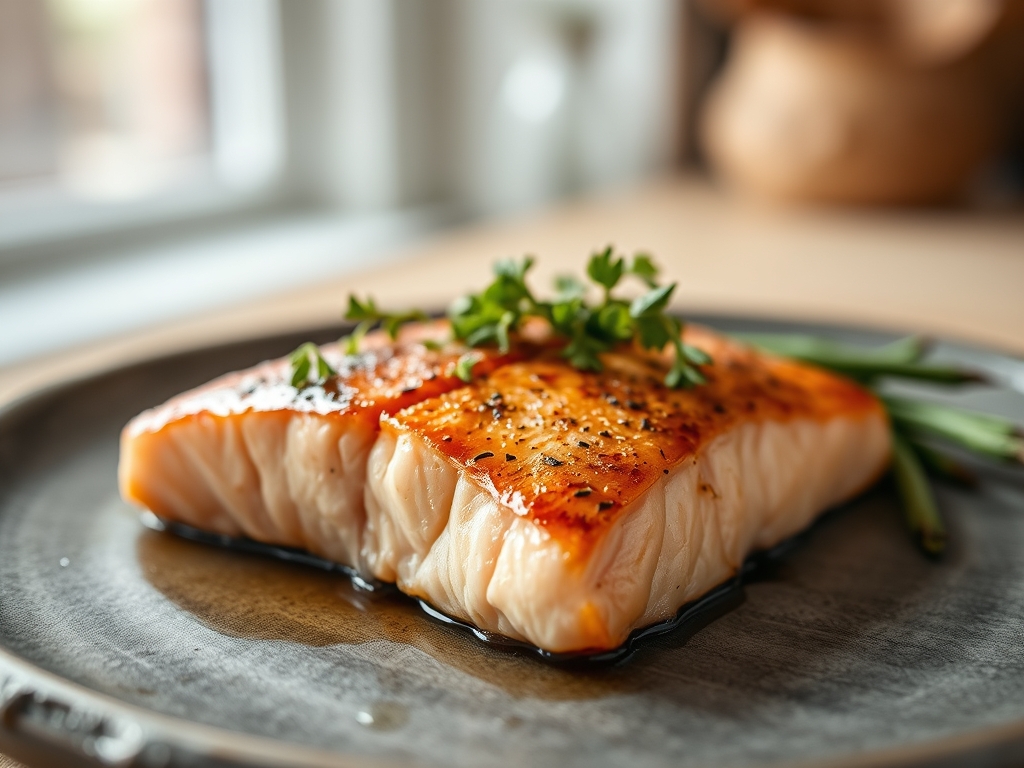
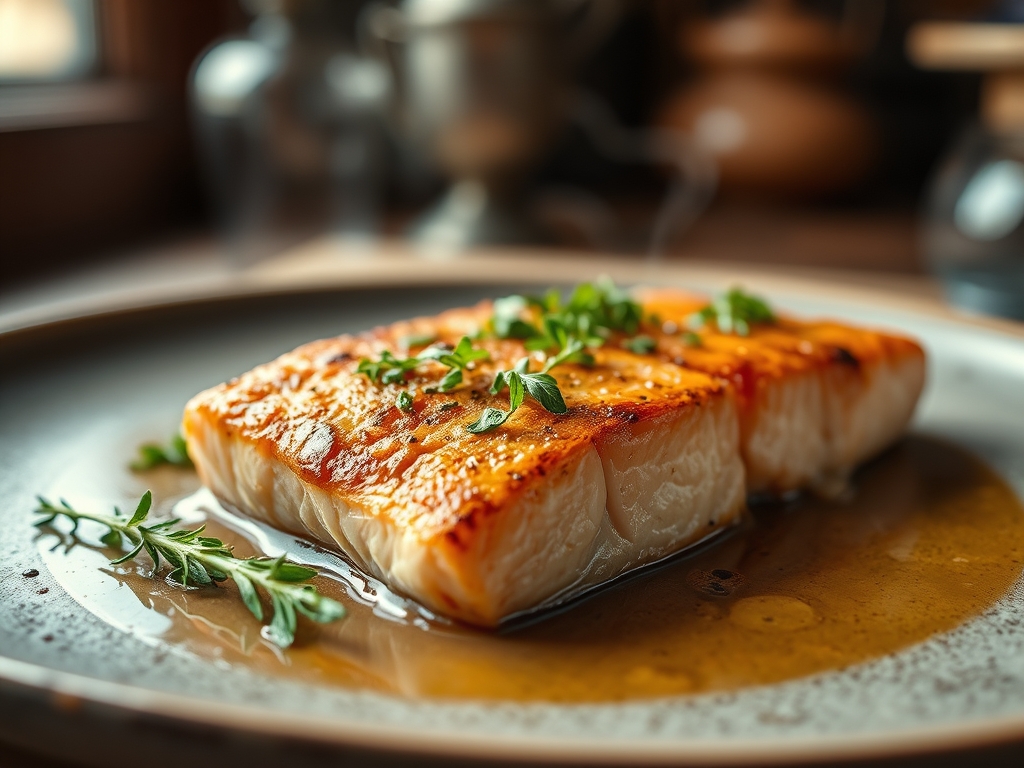
Picture the crisp air of a Hamburg morning market where the scent of cold salt water meets the earthy perfume of fresh dill. We often think of Germany as the land of bratwurst and heavy schnitzel; however, the northern coastline tells a much more elegant story. Salmon is the crown jewel here. When you master these german salmon recipes, you are not just cooking dinner; you are balancing the high fat content of Atlantic fish with the sharp, acidic brightness of the Baltic palate. We are looking for that perfect shatter on the skin while keeping the interior translucent and buttery. It is a delicate dance of heat and timing that relies on understanding how proteins coagulate.
Whether we are talking about a classic Lachs mit Reibekuchen or a sophisticated Riesling cream sauce, the goal is always the same: contrast. You want the piquant bite of horseradish to cut through the rich lipids of the fish. In this guide, I am going to walk you through the technical nuances of seven traditional variations that will turn your kitchen into a high-end bistro. We are going to use science to ensure your fillets never see the dry, chalky side of an oven again.
The Gathers:
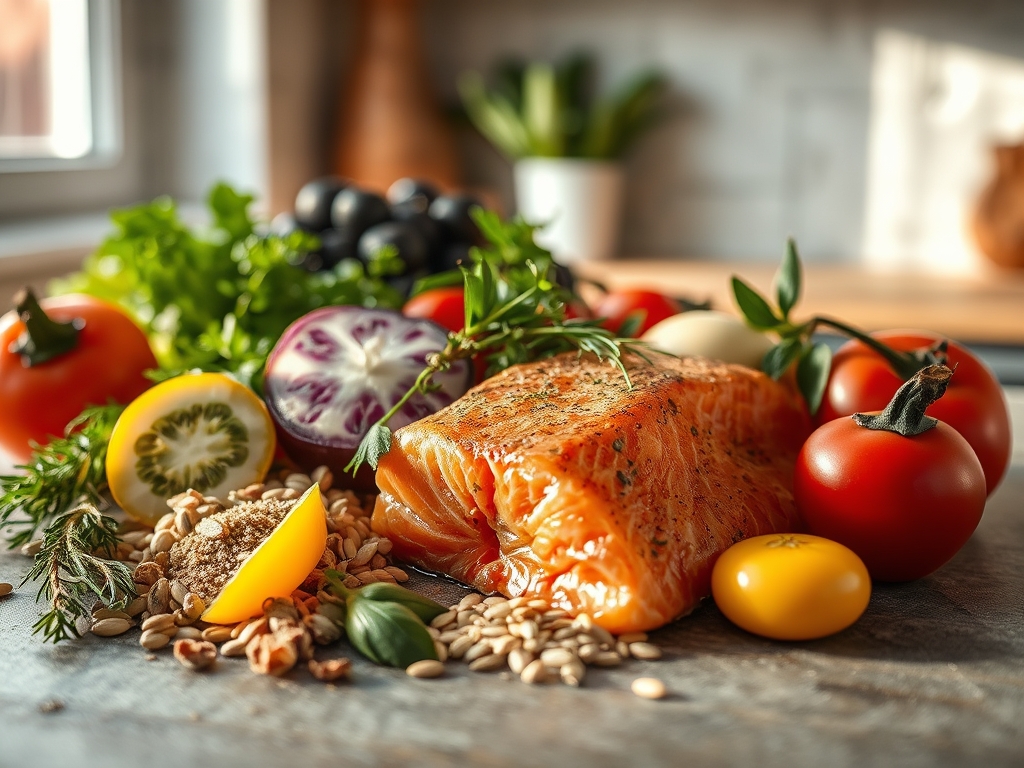
To execute these german salmon recipes with precision, your mise-en-place must be flawless. We are looking for center-cut fillets, ideally with the skin intact to act as a thermal barrier during the searing process. You will need high-quality fats; look for European-style butter with at least 82 percent butterfat for a more stable emulsion.
Your aromatic profile centers on fresh dill, which contains essential oils like carvone that dissipate quickly under high heat, so keep it fresh and cold. You will also need heavy cream, dry Riesling (the acidity is non-negotiable for deglazing), and jars of prepared horseradish. For the "smart substitutions," if you cannot find fresh horseradish, use a microplane to zest a bit of daikon mixed with white vinegar. If you are avoiding dairy, a high-fat coconut cream can mimic the viscous texture of a traditional Rahmsauce, though you must increase the lemon juice to balance the sweetness. Always have a digital scale ready; measuring your salt by weight ensures consistent brine penetration every single time.
The Clock:
Efficiency in the kitchen is about the "Chef's Flow." For most of these recipes, you are looking at a 15-minute prep window and a 12-to-18-minute cook time. The secret to the flow is prepping your cold components, like the cucumber salad or the mustard cream, while the salmon is tempering on the counter. Never pull fish directly from the fridge and drop it into a hot pan; the thermal shock causes the muscle fibers to contract violently, squeezing out moisture and leaving you with a tough result. Give your fillets 20 minutes to reach room temperature. This allows for even heat distribution, ensuring the center reaches the target temperature of 125 degrees Fahrenheit just as the exterior achieves a perfect Maillard reaction.
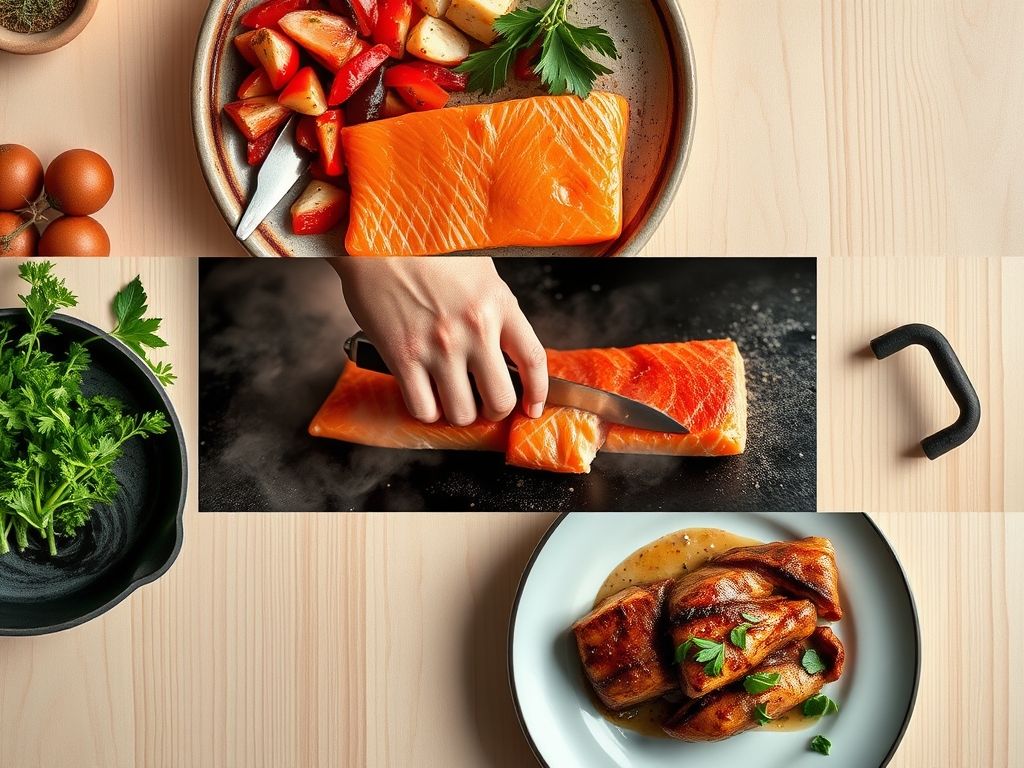
The Masterclass:
1. The Salt Brine Prep
Before the heat even touches the pan, we must treat the surface. Lightly salt the skin side of the salmon and let it sit for ten minutes. This draws out excess moisture through osmosis, which you will then pat dry with a paper towel.
Pro Tip: This step prevents the "albumin bleed," that white protein goop that leaks out of salmon. By dry-brining, you denature the surface proteins so they stay tucked inside the fillet.
2. The Cold-Start Sear
Place your salmon skin-side down in a cold, heavy-bottomed skillet with a thin layer of neutral oil. Turn the heat to medium-high. As the pan warms, use a flexible fish spatula to press the fillets down firmly for the first 30 seconds.
Pro Tip: Starting in a cold pan allows the subcutaneous fat to render slowly. This ensures the skin becomes a crispy wafer rather than a rubbery layer, a process known as fat rendering.
3. The Riesling Deglaze
Once the salmon is flipped and nearly finished, remove it and toss a minced shallot into the pan. Once translucent, pour in 100ml of dry Riesling. Use a wooden spoon to scrape up the fond (the brown bits) from the bottom.
Pro Tip: Deglazing captures the concentrated flavors created by the Maillard reaction. The alcohol in the wine also acts as a solvent, releasing aromatic compounds that water-based liquids cannot.
4. Emulsifying the Rahmsauce
Lower the heat to a simmer and whisk in heavy cream and a dollop of Dijon mustard. Use a whisk to aerate the sauce as it thickens. It should coat the back of a spoon, a state known as "nappe."
Pro Tip: Do not let the sauce boil once the cream is added. High heat can cause the milk proteins to curdle, breaking the smooth emulsion you have worked to build.
5. The Herb Infusion
Turn off the heat entirely before folding in a handful of chopped dill and a squeeze of lemon. Residual heat is plenty to release the volatile oils without destroying the herb's vibrant green color.
Pro Tip: Herbs like dill are sensitive to thermal degradation. Adding them at the very end preserves the piquant, fresh profile that defines Northern German cuisine.
The Deep Dive:
When we look at the macro nutrition, salmon is a powerhouse of Omega-3 fatty acids and high-quality protein. A standard portion provides roughly 35g of protein and 20g of healthy fats. For those on a Keto path, these german salmon recipes are a dream; just skip the potato side and double up on the buttery leeks. For a Vegan twist, king oyster mushrooms sliced into "scallops" can be treated with the same Riesling and dill techniques to mimic the oceanic flavor profile.
The Fix-It:
- The Skin is Soggy: This usually means there was too much moisture on the surface or the pan wasn't heavy enough to hold heat. Use a cast iron skillet next time and pat that fish bone-dry.
- The Sauce Broke: If your cream sauce looks oily, whisk in a teaspoon of warm water or an extra splash of cream off the heat to re-emulsify the fats.
- Overcooked Fish: If the salmon is opaque and flaking apart, it hit 145 degrees. Next time, pull it at 120 degrees; thermal carryover will bring it to a perfect 125 while it rests.
Meal Prep: To reheat salmon without it turning into a brick, avoid the microwave. Use a low oven (275 degrees) with a splash of water in the dish, covered tightly with foil. This creates a steam chamber that rehydrates the proteins gently.
The Wrap-Up:
Mastering german salmon recipes is about embracing the harmony of fat, acid, and technique. When you hear that sizzle in the heavy-bottomed skillet and smell the sharp tang of the Riesling hitting the pan, you know you are on the right track. This is soulful, intelligent cooking that respects the ingredient. Don't be afraid of the high heat, and definitely don't be shy with the horseradish. Now, grab your tongs and your favorite bottle of white wine; it is time to bring the flavors of the North Sea right to your kitchen table.
The Kitchen Table:
How do I stop salmon from sticking to the pan?
Ensure the pan is properly heated and the fish is completely dry. Use a flexible fish spatula to gently test the edges; the fish will naturally release from the surface once the skin has fully crisped and caramelized.
What is the best wine for German salmon?
A dry Riesling or a Pinot Blanc (Weissburgunder) is ideal. The high acidity and mineral notes in these wines cut through the fatty lipids of the salmon, balancing the palate and enhancing the delicate herbal notes of the dill.
Can I make these recipes with frozen salmon?
Yes, but you must thaw it completely in the refrigerator. Pat it extremely dry with paper towels to remove excess moisture from the freezing process, otherwise, the fish will steam in the pan rather than achieving a crisp sear.
Why is my mustard sauce bitter?
Bitterness usually occurs if the mustard is boiled for too long. Always add your mustard and fresh herbs at the end of the simmering process over low heat to maintain the bright, piquant flavor without activating bitter compounds.